Fiddle Leaf Fig Live Plant – Ficus lyrata – 2-3 ft Tall Indoor Plant

Fiddle Leaf Fig Live Plant – Ficus lyrata – 2-3 ft Tall Indoor Plant
Elevate your indoor space with a beautiful fiddle leaf fig live plant. This popular houseplant, also known as Ficus lyrata, features large, glossy, violin-shaped leaves that create a dramatic focal point in any room. Ideal for bright indoor locations, it’s a statement piece for modern and traditional decor.
$0.00

With our Alive & Thrive Guarantee, we’ve got your back for the first 30 days! If you have any concerns about your plants, just reach out to us. Our team is here to help answer your questions and guide you in selecting the best plants for your garden, climate, and unique preferences. We're excited to help you create the garden of your dreams!
Estimated arrival
Sep 03
Sep 08 - Sep 10
Sep 13 - Sep 17

Product Details
-
USDA Hardiness Zone
USDA zones 9-11 (outdoors) / Indoor Houseplant (all zones) -
Soil type
Well-draining potting mix -
Sunlight Exposure
Bright indirect light -
Expected Planting Period
Year-round indoors
Overview
Transform your living space with the iconic fiddle leaf fig live plant (Ficus lyrata). Renowned for its striking, large, violin-shaped leaves, this plant is a favorite among interior designers and plant enthusiasts alike. Originating from the lowland rainforests of western Africa, the Fiddle Leaf Fig brings a touch of tropical elegance and a vibrant green presence to any indoor environment. Its impressive stature and unique foliage make it a natural centerpiece, effortlessly enhancing the aesthetic appeal of homes and offices. This particular offering is a healthy, established specimen, ready to thrive in its new home and become a beloved part of your indoor garden. The indoor fiddle leaf fig is more than just a plant; it’s a living sculpture that breathes life and sophistication into your decor.
The fiddle leaf fig live plant is celebrated not only for its stunning appearance but also for its ability to adapt to indoor conditions with proper care. While it might have a reputation for being finicky, understanding its basic needs will ensure a flourishing and beautiful plant. Its sturdy trunk and broad, leathery leaves create a lush, architectural silhouette that complements various decor styles, from minimalist to bohemian. This plant is an excellent choice for those looking to make a significant botanical statement without overcrowding their space.
Key Benefits
Beyond its undeniable beauty, the fiddle leaf fig live plant offers several advantages that make it a highly sought-after houseplant:
- Dramatic Visual Impact: The large, glossy, dark green leaves of the fiddle leaf fig live plant create an immediate focal point, adding a luxurious and tropical feel to any room. Its impressive size and unique leaf shape make it a living piece of art.
- Air Purification: Like many houseplants, the Ficus lyrata contributes to a healthier indoor environment by helping to filter airborne toxins and release oxygen, improving air quality.
- Statement Piece: Perfect for filling empty corners or open spaces, a mature indoor fiddle leaf fig acts as a powerful design element, drawing the eye and adding depth to your decor.
- Versatile Decor: While often associated with modern aesthetics, the Fiddle Leaf Fig’s classic appeal allows it to blend seamlessly with various interior design themes, from contemporary to traditional.
- Long-Lived Companion: With appropriate care, a large leaf fig plant can thrive for many years, growing into an even more magnificent specimen and becoming a long-term part of your home.
- Stress Reduction: The presence of greenery in living spaces has been shown to reduce stress and improve overall well-being, making the Fiddle Leaf Fig a beneficial addition to your home.
- Growth Potential: Watching your fiddle leaf fig live plant grow and develop new leaves is a rewarding experience, providing a sense of connection to nature.
Plant Care & Growing Tips
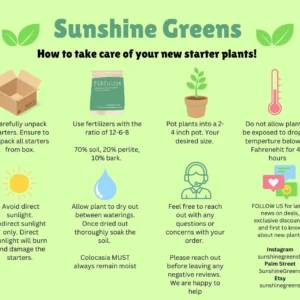
Caring for your fiddle leaf fig live plant involves understanding its specific needs, particularly regarding light, water, and humidity. These plants thrive in bright, indirect light. Place your Fiddle Leaf Fig near a south or west-facing window where it can receive plenty of ambient light, but avoid direct, harsh sunlight, which can scorch its leaves. Rotating the plant every few weeks will encourage even growth and prevent it from leaning towards the light source. A common question is how to grow ficus lyrata successfully, and light is paramount.
Watering is crucial for the health of your indoor fiddle leaf fig. Allow the top 2-3 inches of soil to dry out completely between waterings. Overwatering is a common mistake and can lead to root rot, so ensure your pot has excellent drainage. When you do water, do so thoroughly until water drains from the bottom of the pot. Fiddle Leaf Figs also appreciate higher humidity, which can be achieved by misting the leaves regularly, placing the pot on a pebble tray with water, or using a humidifier, especially in drier climates or during winter months. For optimal growth, use a well-draining potting mix specifically formulated for houseplants.
Fertilize your fiddle leaf fig live plant every 2-4 weeks during the growing season (spring and summer) with a balanced liquid fertilizer diluted to half strength. Reduce fertilization in fall and winter when the plant’s growth slows. Keep an eye out for common pests like spider mites or mealybugs; address any infestations promptly with insecticidal soap. Yellowing leaves can indicate overwatering, while brown, crispy edges often signal underwatering or low humidity. Understanding these signs is key to successful ficus lyrata care.
Size & Details
This fiddle leaf fig live plant typically arrives as a well-established plant, standing approximately 2-3 feet tall from the base of the pot. It is shipped in a nursery pot, ensuring its roots are protected and ready for transplanting into your chosen decorative planter. The broad, leathery leaves measure roughly 10-15 inches in length, creating a dense and lush canopy. With proper care, this plant can grow significantly taller indoors, potentially reaching heights of 6-10 feet over several years, making it a truly impressive specimen. Its growth rate is moderate, allowing you to enjoy its development over time. The plant’s sturdy stem provides excellent support for its large foliage.
Frequently Asked Questions
- Q: How big does this plant get? A: This fiddle leaf fig live plant typically arrives 2-3 feet tall. Indoors, with optimal conditions and care, it can grow to an impressive height of 6-10 feet over several years, becoming a grand statement piece.
- Q: Is this an indoor or outdoor plant? A: While it can thrive outdoors in warm, tropical climates (USDA zones 9-11), the fiddle leaf fig live plant is most commonly cultivated as an indoor houseplant in the US, where it enjoys consistent temperatures and controlled environments.
- Q: How much sunlight does it need? A: The indoor fiddle leaf fig requires bright, indirect light. Placing it near a south or west-facing window is ideal, ensuring it receives ample light without direct sun exposure that can scorch its leaves.
- Q: Is this plant easy to care for? A: While it might have a reputation for being somewhat particular, with consistent attention to its light and watering needs, ficus lyrata care is manageable. It’s often considered an intermediate-level plant, rewarding attentive owners with stunning growth.
- Q: What condition will it arrive in? A: Your fiddle leaf fig live plant will arrive carefully packaged in a nursery pot, ensuring its health and protection during transit. It will be ready to be placed in your home or repotted into a decorative planter.
- Q: How often should I water my fiddle leaf fig? A: Water your large leaf fig plant when the top 2-3 inches of soil feel dry to the touch. This usually means watering every 7-10 days, but it can vary based on humidity, light, and season. Always ensure good drainage.
- Q: Is the fiddle leaf fig pet-safe? A: No, the fiddle leaf fig live plant is considered toxic to pets if ingested. It’s best to keep it out of reach of curious cats and dogs to prevent any issues.
- Q: How can I encourage new growth on my fiddle leaf fig? A: Providing consistent bright, indirect light, regular watering when the soil dries, and fertilizing during the growing season are key. Also, ensuring adequate humidity supports healthy leaf development and growth for your how to grow ficus lyrata efforts.
- Q: What type of soil is best for a fiddle leaf fig? A: A well-draining potting mix is essential for the fiddle leaf fig live plant. Look for mixes designed for houseplants that contain peat moss, pine bark, and perlite to ensure good aeration and drainage.
- Q: Why are the leaves on my fiddle leaf fig turning yellow or brown? A: Yellowing leaves often indicate overwatering, while brown, crispy edges suggest underwatering or insufficient humidity. Adjust your watering schedule and environmental conditions to address these issues in your indoor fiddle leaf fig.
Related products
-35%
Original price was: $72.52.$47.14Current price is: $47.14.
-39%
Original price was: $49.00.$29.99Current price is: $29.99.
-25%
Original price was: $30.00.$22.50Current price is: $22.50.
-30%
Original price was: $79.98.$55.98Current price is: $55.98.
-30%
Original price was: $25.98.$18.18Current price is: $18.18.
PLANTING & CARE
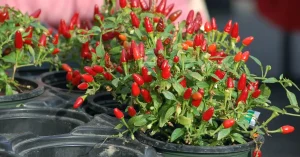
How to Grow and Care Pequin Peppers
If you’re a chili enthusiast who loves a fiery kick in a small package, you
17
Aug
Aug
How to Grow Persian Silk Trees Easily in Your Garden
If you’re looking for a tree that brings a soft, tropical feel to your garden,
04
Aug
Aug
How to Grow Blue Java Banana Trees: A Beginner’s Guide
Have you ever heard of the Blue Java banana tree? If not, you’re in for
28
Jun
Jun
5 Common Blue Java Banana Tree Problems and How to Fix Them
Have you ever looked at your Blue Java banana tree (aka “ice cream banana”) and
19
Jun
Jun
Top 10 Plants for Father’s Day to Honor Dad This Father’s Day
Father’s Day is a special time to show your dad just how much he means
19
Jun
Jun

The Comprehensive Guide to Growing Bougainvillea for Colorful Blooms
Have you ever wanted your garden to be filled with brilliant color and tropical energy
19
Jun
Jun
How to Successfully Plant Bare Root Strawberries in Containers
Have you ever wondered about planting strawberries in containers, but aren’t sure where to begin?
11
Jun
Jun

Top 5 Easiest Ornamental Trees to Grow for Beginners
Ever feel overwhelmed by the idea of planting a tree in your yard? You’re not
11
Jun
Jun