Fig Tree Seeds – Heirloom Ficus Carica Seeds, Non-GMO (Ficus carica)
-50%
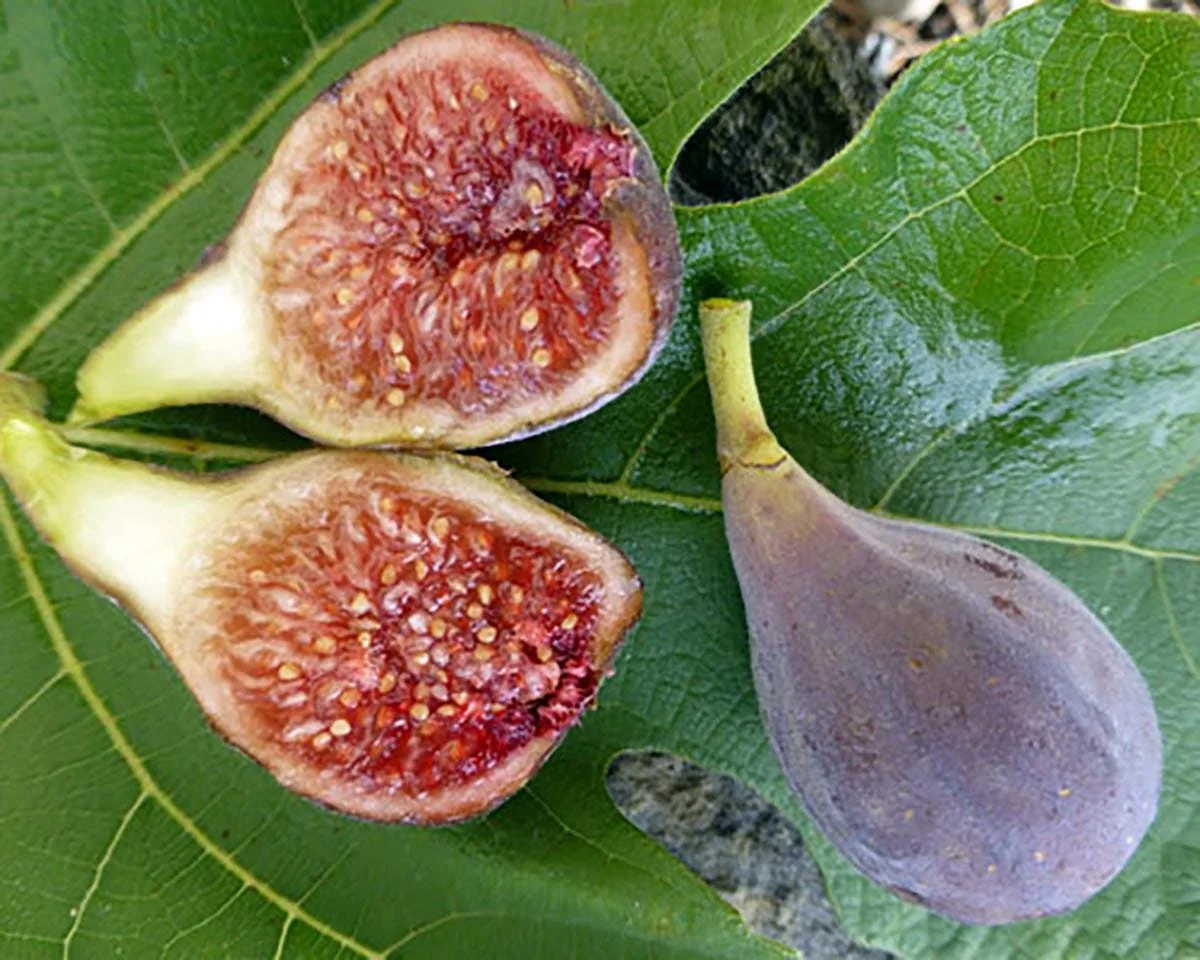
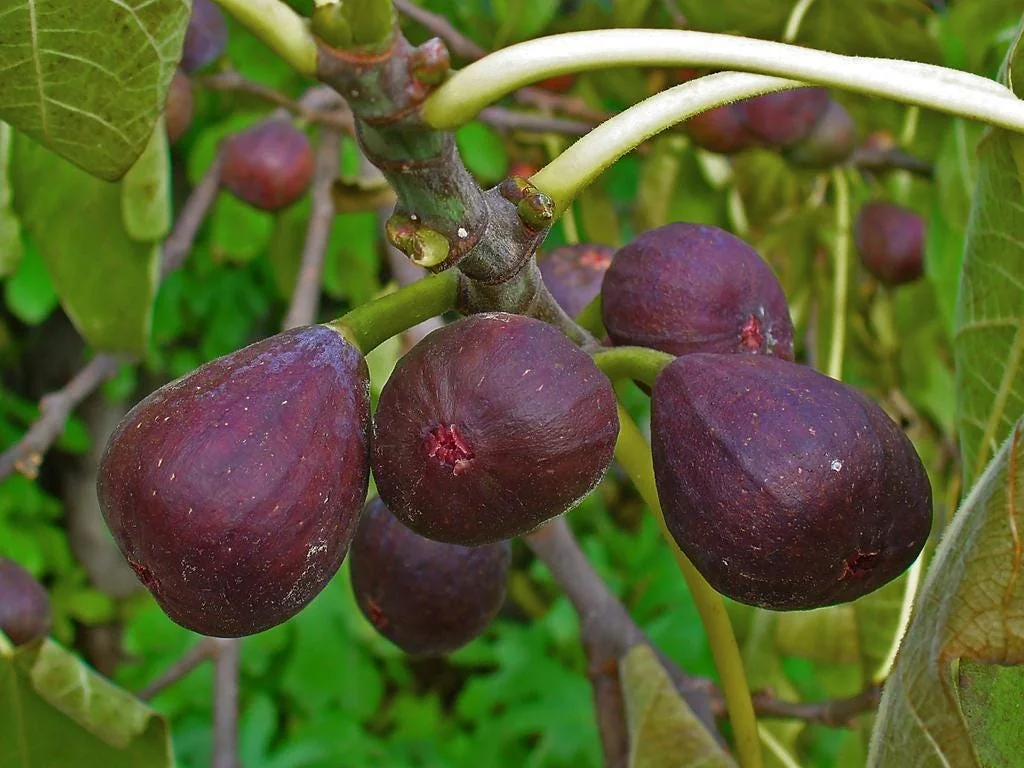
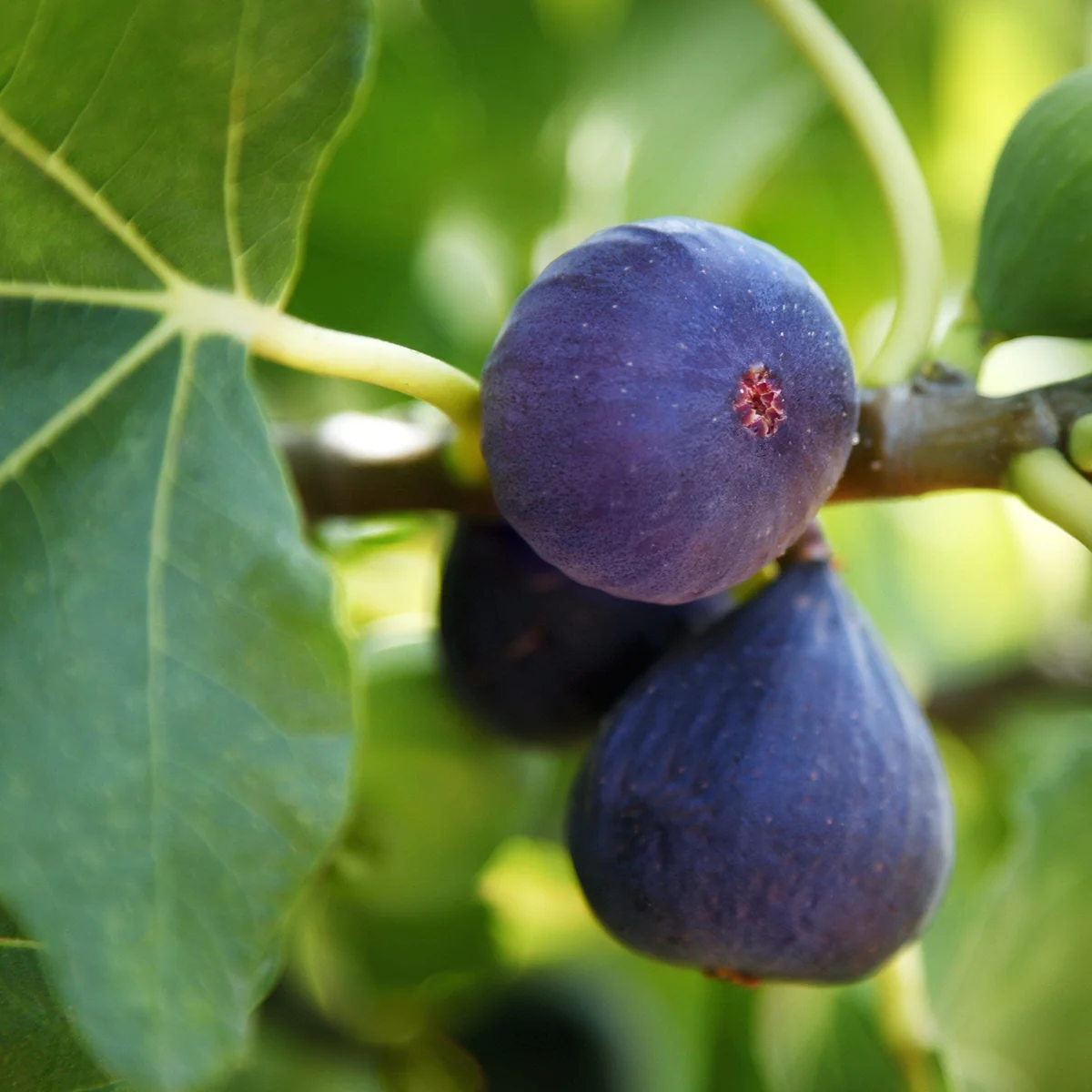
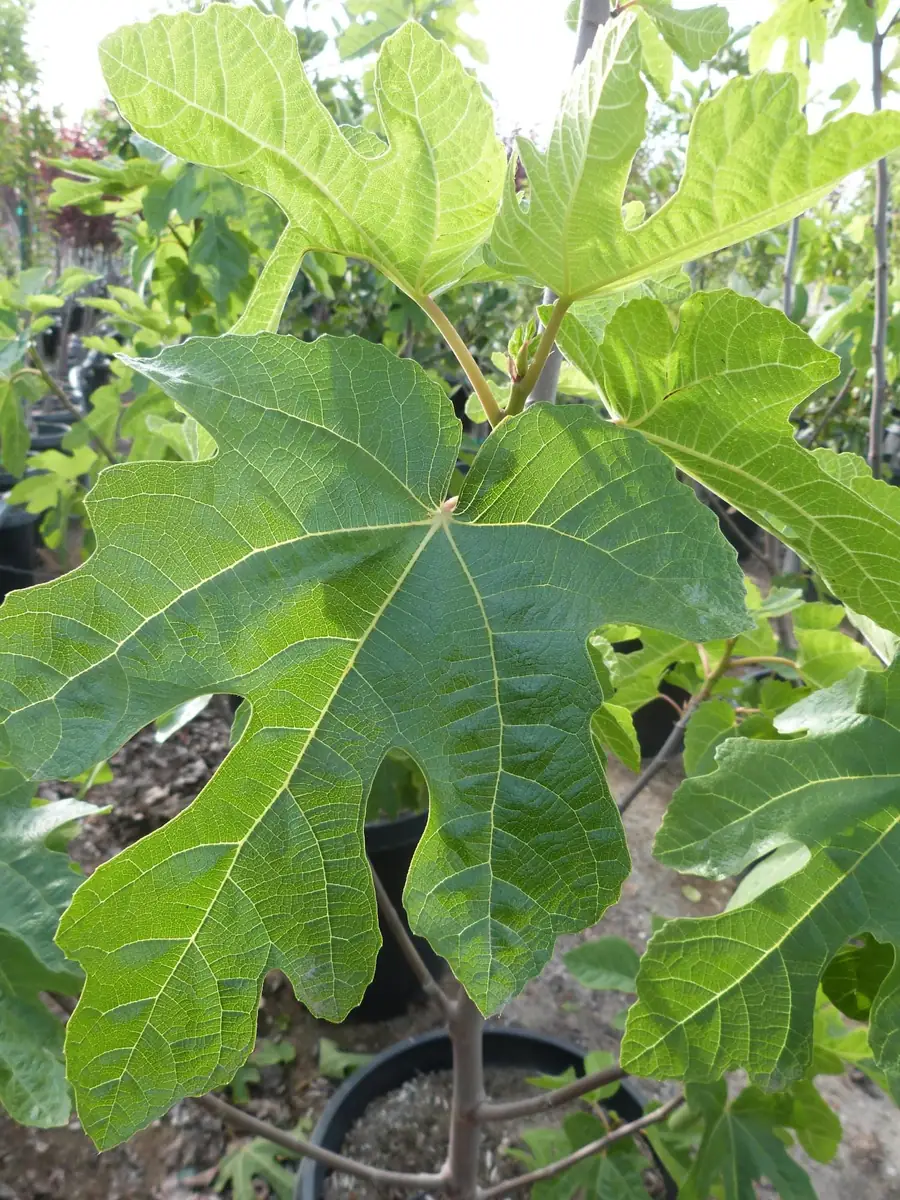

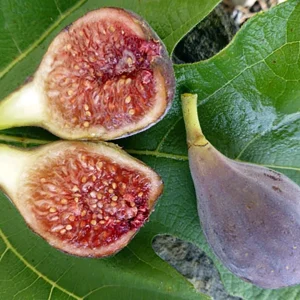
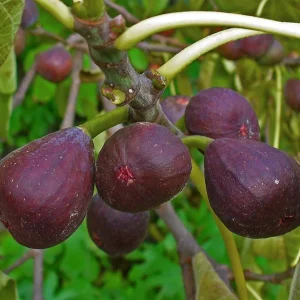
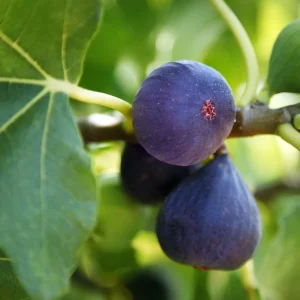
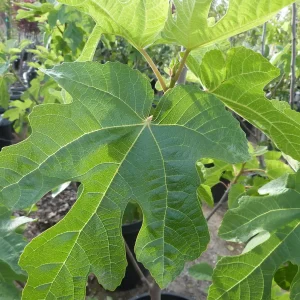

Fig Tree Seeds – Heirloom Ficus Carica Seeds, Non-GMO (Ficus carica)
Cultivate your own delicious fig fruits with these premium Ficus carica seeds. These heirloom fig seeds are non-GMO, offering a rewarding gardening experience for home growers. Perfect for planting in USDA Zone 7 and warmer climates.
From Original price was: $12.00.$6.00Current price is: $6.00.

With our Alive & Thrive Guarantee, we’ve got your back for the first 30 days! If you have any concerns about your plants, just reach out to us. Our team is here to help answer your questions and guide you in selecting the best plants for your garden, climate, and unique preferences. We're excited to help you create the garden of your dreams!
Estimated arrival
Apr 12
Apr 17 - Apr 19
Apr 22 - Apr 26



Product Details
-
USDA Hardiness Zone
7-11 -
Soil type
Well-draining, loamy or sandy loam -
Sunlight Exposure
Full sun -
Expected Planting Period
Early spring
Overview
Embark on a rewarding gardening journey by cultivating your own fig trees from these high-quality Ficus carica seeds. The common fig, scientifically known as Ficus carica, is an ancient and beloved Asian species of flowering plant renowned for its delicious and nutritious fruit. Originating from the Middle East and western Asia, the fig has been a staple in human diets and cultures for millennia, appreciated for both its culinary delights and ornamental appeal. These heirloom fig seeds allow you to grow a piece of history right in your own garden. Now cultivated globally, the fig tree thrives in various climates, particularly in dry, sunny habitats with deep, fresh soils, demonstrating remarkable tolerance to seasonal drought and even thriving in rocky terrains. By choosing to grow fig tree from seed, you connect with a tradition of cultivation that spans centuries, bringing the unique beauty and bounty of the fig into your home landscape.
Key Benefits
Growing fig trees from seed offers numerous advantages for the enthusiastic gardener. These advantages extend from the satisfaction of nurturing a plant from its very beginning to enjoying the fresh, sweet fruits produced.
- Delicious, Fresh Fruit: The primary benefit is the ability to harvest your own fresh, sweet figs directly from the tree. Homegrown figs often surpass store-bought varieties in flavor and ripeness, providing a truly gourmet experience. Enjoy them fresh, dried, or in various culinary preparations.
- Heirloom Quality: Our heirloom fig seeds ensure you are growing a plant with a rich genetic lineage, often resulting in robust plants and flavorful fruit varieties that have stood the test of time. These non-GMO seeds preserve genetic diversity.
- Ornamental Value: Beyond their fruit, fig trees are highly ornamental. They can grow up to 15-30 ft high, featuring fragrant, deeply-lobed leaves that add a Mediterranean touch to any garden or patio. The unique structure of the fig fruit itself (a syconium) is also visually interesting.
- Adaptability and Resilience: The Ficus carica species is known for its resilience. It tolerates seasonal drought and thrives in a range of soil types, making it a relatively low-maintenance option for many gardeners. It’s an excellent choice for a variety of landscapes, especially in zones where it can overwinter outdoors.
- Ecological Contribution: A mature fig tree creates a pleasant, cool environment, offering refuge for various animals during intense heat. Growing Ficus carica seeds contributes to local biodiversity and provides a natural habitat.
- Educational Experience: For families and new gardeners, the process of how to grow fig tree from seed provides a wonderful educational opportunity, teaching patience, biology, and the rewards of nurturing.
- Versatile Growth: While they can grow large, fig trees can also be managed in containers, making them suitable for smaller gardens or for those who need to move their plants indoors during colder months, especially when considering Ficus carica cultivation.
Plant Care & Growing Tips
Cultivating a fig tree from Ficus carica seeds requires attention to specific environmental conditions to ensure healthy growth and fruit production. Once established, fig trees are relatively hardy, but initial care is crucial. Begin by sowing your heirloom fig seeds in a well-draining seed-starting mix. Lightly cover the seeds with soil, about ¼ inch deep, and keep the soil consistently moist but not waterlogged. Germination typically occurs within 2-8 weeks, but it can sometimes take longer, so patience is key.
Fig trees thrive in full sun, requiring at least 6-8 hours of direct sunlight per day. If starting indoors, place seedlings under grow lights or in a south-facing window. Once established, they prefer a location with plenty of sunshine and protection from strong winds. For soil, the common fig prefers deep, fresh, and well-draining soil. While tolerant of various soil types, a loamy or sandy loam enriched with organic matter is ideal. Regular watering is important, especially during dry spells and when the plant is young. Mature trees are more drought-tolerant but will benefit from consistent moisture, particularly when fruits are developing. Fertilize sparingly with a balanced, slow-release fertilizer once the plant is established, usually in spring. Protect young plants from frost in colder climates by covering them or bringing container-grown plants indoors. The USDA hardiness zone for Ficus carica is generally 7-11, though some varieties can tolerate colder temperatures with proper winter protection. Understanding these aspects of Ficus carica cultivation will lead to a thriving tree.
Size & Details
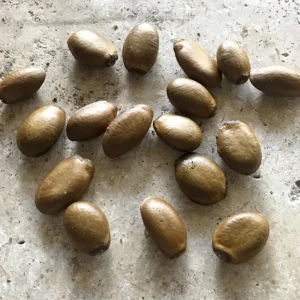
These Ficus carica seeds offer the potential to grow a magnificent fig tree that can reach heights of 15 to 30 feet, with a similar spread, creating a substantial presence in your landscape. The exact size will depend on growing conditions, variety, and pruning practices. Each seed contains the genetic blueprint for a plant that, with proper care, will mature into a fruit-bearing tree. Fig trees typically begin to produce fruit within 2-5 years from seed, offering a rewarding long-term project for gardeners. The seeds are suitable for direct sowing outdoors in appropriate climates or for starting indoors to be transplanted later. The syconium, which is the fleshy structure containing many flowers, develops into the delicious fig fruit. These common fig seeds are heirloom quality and non-GMO, ensuring a natural and authentic growing experience.
Frequently Asked Questions
- Q: How big does a fig tree grown from these seeds get? A: A fig tree grown from Ficus carica seeds can reach a mature height of 15 to 30 feet tall, with a similar spread, depending on the growing conditions, climate, and whether it is pruned.
- Q: Is this an indoor or outdoor plant? A: Fig trees are primarily outdoor plants that thrive in sunny locations. However, they can be grown in large containers and brought indoors during winter in colder climates (below USDA Zone 7) to protect them from frost.
- Q: How much sunlight do these fig trees need? A: Fig trees require full sun exposure, meaning at least 6-8 hours of direct sunlight per day, for optimal growth and fruit production.
- Q: Is it easy to grow fig tree from seed? A: Growing a fig tree from seed requires patience, as germination can take several weeks, and the plant will take a few years to fruit. However, with consistent care for moisture and light, it is a rewarding experience for gardeners.
- Q: What condition will the seeds arrive in? A: The heirloom fig seeds will arrive as dry, viable seeds, ready for planting. They should be stored in a cool, dry place until ready to sow.
- Q: When is the best time to plant Ficus carica seeds? A: The best time to plant Ficus carica seeds is in early spring after the last frost if sowing directly outdoors, or 8-10 weeks before the last expected frost if starting indoors.
- Q: What’s the minimum temperature these fig trees can tolerate? A: Mature fig trees, especially those grown from these common fig seeds, are generally hardy in USDA Zones 7-11. They can tolerate temperatures down to around 0°F to 10°F (-18°C to -12°C) with some protection, but prolonged exposure to freezing temperatures can cause damage.
- Q: Can I use the fruit from these fig trees for cooking? A: Yes, the fruit produced by fig trees grown from these seeds is the delicious and versatile common fig, perfect for fresh eating, drying, jams, desserts, and various savory dishes.
- Q: What kind of soil is best for Ficus carica cultivation? A: Fig trees prefer deep, fresh, and well-draining soil. A loamy or sandy loam soil enriched with organic matter is ideal for successful Ficus carica cultivation.
- Q: How long does it take for a fig tree to produce fruit from seed? A: Typically, a fig tree grown from seed will begin producing fruit within 2 to 5 years after germination, depending on growing conditions and care.
| Seeds | 1 Oz, 100, 250, 30, 50, 500 |
|---|
Related products
-50%
From Original price was: $64.00.$32.00Current price is: $32.00.




-50%
From Original price was: $88.00.$44.00Current price is: $44.00.
-50%
From Original price was: $96.00.$48.00Current price is: $48.00.
-50%
From Original price was: $56.00.$28.00Current price is: $28.00.
PLANTING & CARE

Growing Glencoe Raspberry: A Complete Guide for Gardeners
If you’re looking to add something unique to your garden, look no further than the
31
Mar
Mar

The Comprehensive Guide to Growing Bay Leaf Plants for a Flavorful Garden
Imagine stepping into your garden, greeted by the earthy aroma of fresh bay leaves, their
09
Feb
Feb

How to Make Comfrey Tea: The Ultimate Organic Plant Food
Growing an organic garden can be surprisingly expensive, especially when most store-bought fertilizers come in
02
Feb
Feb

True Comfrey: 7 Essential Tips Before You Plant This Herb
A staple in permaculture practices across the US, True Comfrey easily earns its reputation as
27
Jan
Jan

7 Heart-Shaped Plants for a Lasting Valentine’s Gift
If you’ve ever bought a bouquet of roses for Valentine’s Day, you know they are
26
Jan
Jan

Best Types of Ivy Plant for Houses: How to Choose the Perfect Ones for Your Home
Are you a garden lover looking to introduce some greenery into your home? Maybe you’ve
14
Nov
Nov

When to Harvest Garlic (Especially Fall-Planted Garlic)
TIMING IS EVERYTHING, they say – and for garlic, that truth hits with surprising accuracy.
13
Nov
Nov

11 of the Best Sweet Potato Varieties to Grow for Your Garden
If you’ve ever tried growing sweet potatoes, you know that picking the right variety can
12
Nov
Nov