First Frost Hosta Bare Root Plant – Blue-Green Foliage, Purple Flowers, Zone 3-8
-50%
First Frost Hosta Bare Root Plant – Blue-Green Foliage, Purple Flowers, Zone 3-8
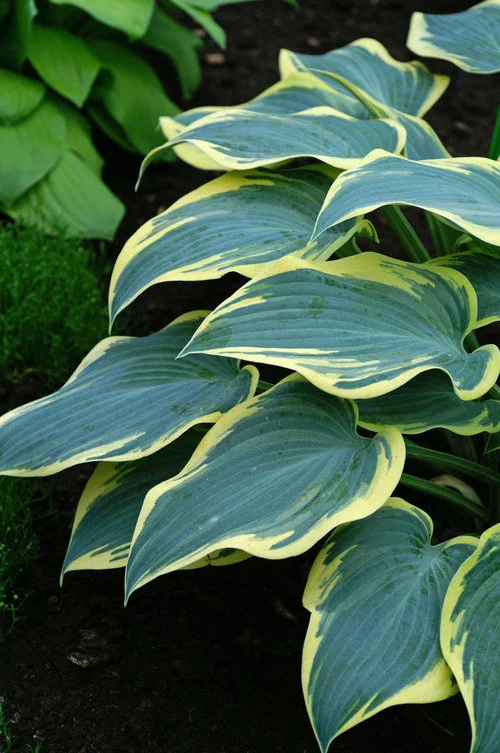
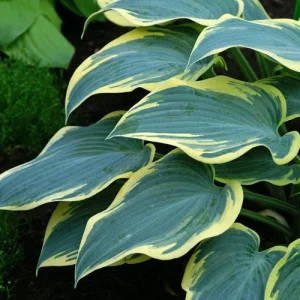
Enhance your shade garden with the exquisite First Frost Hosta bare root plant. Known for its striking blue leaves that mature to dark green, framed by wide creamy yellow margins, this hosta adds elegance to any landscape. It produces delicate pale lavender flowers in summer and is a fantastic choice for a low-maintenance, beautiful ground cover.
From Original price was: $143.60.$71.80Current price is: $71.80.

With our Alive & Thrive Guarantee, we’ve got your back for the first 30 days! If you have any concerns about your plants, just reach out to us. Our team is here to help answer your questions and guide you in selecting the best plants for your garden, climate, and unique preferences. We're excited to help you create the garden of your dreams!
Estimated arrival
Apr 13
Apr 18 - Apr 20
Apr 23 - Apr 27



Product Details
-
USDA Hardiness Zone
3-8 -
Soil type
Well-draining, rich, slightly acidic soil -
Sunlight Exposure
Partial Shade, Shade -
Expected Planting Period
Early Spring
Overview
Introduce a touch of serene beauty to your shaded areas with the First Frost Hosta bare root plant. This exceptional perennial is celebrated for its captivating foliage, which undergoes a delightful color transformation throughout the growing season. In spring, its heart-shaped leaves emerge with a distinct blue hue, gradually deepening to an elegant dark green as summer progresses. The leaves are beautifully edged with wide, creamy yellow margins that mature to a crisp white, creating a striking contrast. Beyond its stunning foliage, the ‘First Frost’ Hosta also graces the garden with delicate pale lavender flowers, adding a subtle charm to its robust appearance. As a bare root plant, it offers a cost-effective and efficient way to establish a lush, mature garden display, providing a strong foundation for healthy growth.
The ‘First Frost’ Hosta is a highly sought-after variety among gardeners for its resilience and captivating visual appeal. Ideal for ground cover, borders, or container planting, this hosta thrives in conditions ranging from partial to full shade. Its ability to adapt to various shade levels while maintaining its vibrant leaf coloration makes it a versatile choice for diverse garden designs. This particular hosta variety is known for its strong growth habit and relatively low maintenance requirements, making it an excellent option for both novice and experienced gardeners looking to create an impactful shade garden. The unique blue-green coloration and variegated margins ensure it stands out in any planting scheme.
Key Benefits
The First Frost Hosta bare root plant offers a multitude of benefits, making it an indispensable addition to any garden, especially those with shaded areas. Its aesthetic appeal is unparalleled, providing continuous visual interest from spring through fall with its evolving leaf colors and delicate blooms. This hosta is also remarkably hardy and adaptable, ensuring a successful and rewarding gardening experience.
- Stunning Foliage Transformation: Enjoy the dynamic beauty of blue leaves in spring that transition to a rich dark green with creamy white margins later in the summer. This continuous change provides seasonal interest and a vibrant display in your garden. The unique coloration of this First Frost Hosta bare root makes it a focal point.
- Elegant Lavender Blooms: In mid-summer, the plant produces attractive spikes of very pale lavender flowers, adding a touch of delicate color and elegance that complements the striking foliage. These subtle blooms enhance the overall appeal of the hosta.
- Exceptional Hardiness: Rated for USDA Zones 3-8, this hosta is incredibly robust and can withstand a wide range of climatic conditions, ensuring it returns year after year with vigor. Its reliability makes it a cornerstone for resilient landscape designs.
- Low Maintenance & Drought Tolerant: Once established, these hostas are remarkably easy to care for, requiring minimal attention. They are particularly known for being drought tolerant hosta varieties, thriving even in drier periods, which reduces the need for frequent watering. This makes hosta plant care straightforward.
- Versatile Shade Performer: Perfect for partial shade to full shade environments, it can transform dimly lit garden spots into vibrant showcases. The plant’s ability to thrive in shade makes it invaluable for challenging garden areas where other plants struggle.
- Deer & Rabbit Resistant: While not entirely impervious, hostas are generally less appealing to deer and rabbits compared to many other garden plants, offering a degree of natural protection.
- Excellent for Ground Cover & Borders: Its dense growth habit and attractive foliage make it an ideal choice for creating lush ground cover, defining garden borders, or enhancing pathways. It’s a great choice for a shade garden plant.
Plant Care & Growing Tips
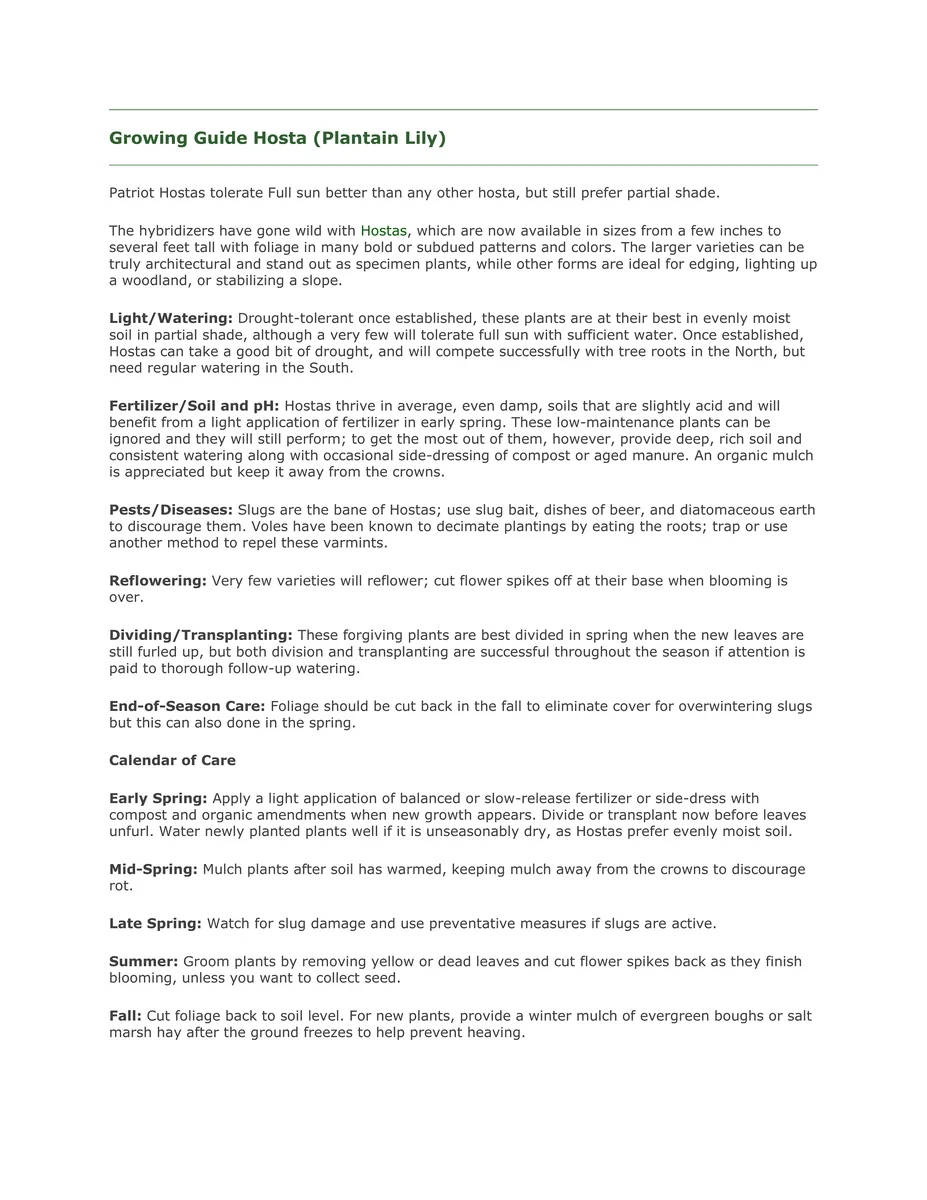
Proper hosta plant care ensures your First Frost Hosta bare root will thrive and display its full beauty for many years. These plants are relatively forgiving, but providing optimal conditions will lead to the most vigorous growth and vibrant foliage. One of the most critical aspects is light. For the best blue tones in the leaves, position your ‘First Frost’ Hosta in as much shade as possible. While some hostas can tolerate more sun, this variety prefers partial to full shade, especially protection from hot afternoon sun, which can scorch the leaves and diminish the blue coloration.
When it comes to watering, hostas prefer consistently moist soil, especially during their establishment period. Once established, they become quite drought tolerant hosta plants, successfully competing with tree roots in northern climates. However, in hotter southern regions, regular watering is still beneficial. The soil should be well-draining but retain some moisture. Hostas thrive in average to rich, evenly damp soils that are slightly acidic. Incorporating organic matter like compost or aged manure into the planting hole will greatly benefit your plant. A light application of balanced fertilizer in early spring can also encourage robust growth. Ensure any mulch is kept away from the crown of the plant to prevent rot.
These low-maintenance perennials are hardy in USDA Zones 3-8. They typically reach a height of about 20 inches (50 cm) and spread up to 3 feet wide. While very few hosta varieties reflower, you can cut spent flower spikes at their base to maintain a tidy appearance. Division and transplanting are best done in spring when new leaves are just unfurling, but can be successful throughout the season with careful follow-up watering. For end-of-season care, cutting back the foliage in the fall can help eliminate hiding spots for overwintering slugs, though this can also be done in early spring. This attention to detail will ensure a healthy and thriving purple flowering hosta for seasons to come.
Size & Details
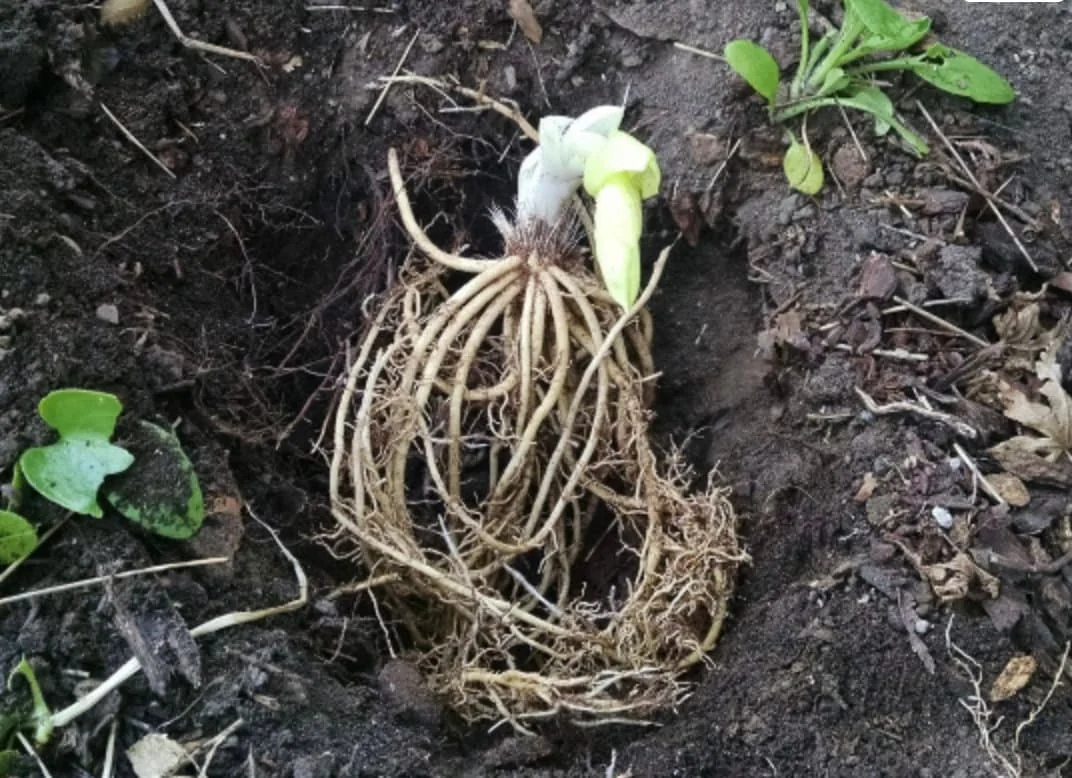
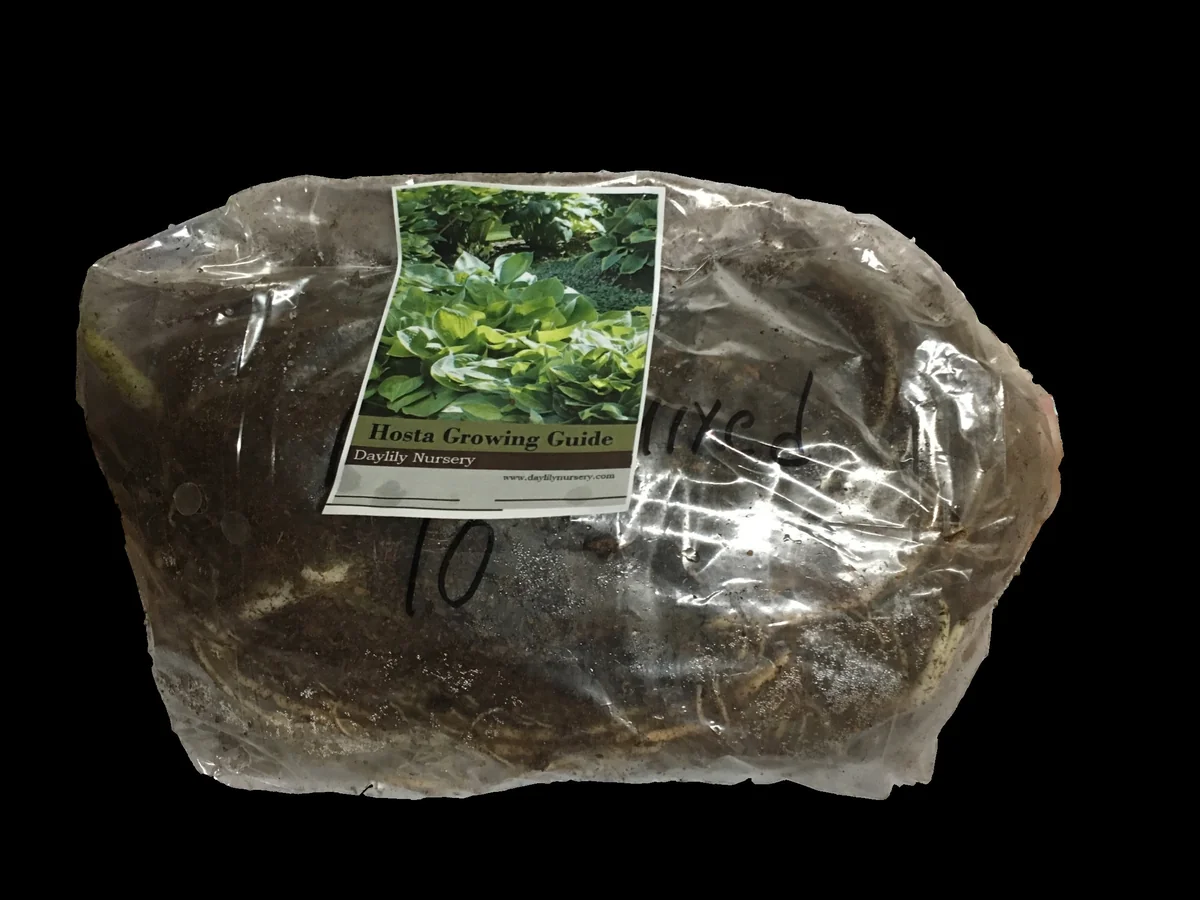
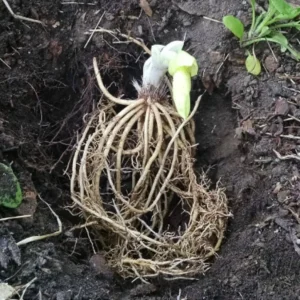
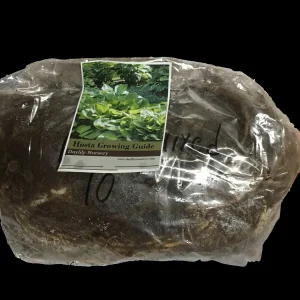
The First Frost Hosta bare root plant is shipped as a dormant bare root, ready for planting and establishment in your garden. This method ensures a strong, healthy start and allows the plant to quickly acclimate to its new environment. Upon maturity, this hosta typically reaches an impressive height of approximately 20 inches (50 cm) with a spread of 2-3 feet, creating a substantial and impactful presence in the landscape. Its moderate growth rate means it will fill out its designated space within a few seasons, offering a lush display of foliage.
This hosta is a robust perennial, providing reliable color and texture year after year. It is suitable for USDA Hardiness Zones 3-8, demonstrating excellent cold tolerance and heat resilience within this range. The bare root form allows for flexibility in planting time, though early spring is generally ideal for optimal root establishment. Expect to see initial foliage emerge within a few weeks of planting, with the plant steadily growing to its mature size. The pale lavender flowers typically appear in mid-summer, adding another layer of beauty to the plant’s already captivating blue-green and cream variegated leaves.
Frequently Asked Questions
- Q: How big does the First Frost Hosta bare root plant get? A: This hosta typically grows to about 20 inches (50 cm) in height and can spread up to 2-3 feet wide at maturity, forming a beautiful, dense clump.
- Q: Is this an indoor or outdoor plant? A: The ‘First Frost’ Hosta is an outdoor plant, best suited for gardens, borders, and containers in shaded outdoor environments. It is not generally grown as an indoor houseplant.
- Q: How much sunlight does the ‘First Frost’ Hosta need? A: This hosta thrives in partial to full shade. For the most vibrant blue coloration in its leaves, it is best to plant it in as much shade as possible, protecting it from intense afternoon sun.
- Q: Is this plant easy to care for? A: Yes, ‘First Frost’ Hosta is considered a low-maintenance plant. Once established, it is relatively easy to care for, especially with consistent moisture and proper shade. It’s a great choice for those seeking easy hosta plant care.
- Q: What condition will the bare root plant arrive in? A: Your First Frost Hosta bare root will arrive dormant and carefully packaged, ready for immediate planting. Bare roots are a healthy and efficient way to ship and establish perennial plants.
- Q: When is the best time to plant a bare root hosta? A: The optimal time for planting bare root hostas is in early spring, after the danger of hard frost has passed. This allows the plant ample time to establish its root system before the heat of summer.
- Q: Will this hosta survive winter in my zone? A: Yes, the ‘First Frost’ Hosta is hardy in USDA Zones 3-8, meaning it is well-equipped to survive winter dormancy and return vigorously in spring within these zones. It’s a very resilient drought tolerant hosta.
- Q: Does this hosta produce flowers? A: Yes, the ‘First Frost’ Hosta produces delicate, very pale lavender flowers on tall scapes during the summer months, adding an extra layer of beauty to its striking foliage. It’s a lovely purple flowering hosta.
- Q: What type of soil does this hosta prefer? A: This hosta prefers rich, well-draining, and consistently moist soil that is slightly acidic. Amending with organic matter can greatly improve soil quality for optimal growth.
- Q: Is the ‘First Frost’ Hosta a good choice for a shade garden plant? A: Absolutely! Its excellent tolerance for shade and its stunning foliage make it an ideal choice for brightening up shaded areas and creating lush, vibrant shade gardens.
| Amount | 10, 3, 5 |
|---|
Related products
-20%

Original price was: $98.00.$78.40Current price is: $78.40.
-20%


Original price was: $22.00.$17.60Current price is: $17.60.
-20%

Original price was: $33.98.$27.18Current price is: $27.18.
-20%
Original price was: $37.98.$30.38Current price is: $30.38.
-20%


Original price was: $29.98.$23.98Current price is: $23.98.
-20%

Original price was: $16.00.$12.80Current price is: $12.80.
-20%
Original price was: $15.00.$12.00Current price is: $12.00.
PLANTING & CARE
Growing Glencoe Raspberry: A Complete Guide for Gardeners
If you’re looking to add something unique to your garden, look no further than the
31
Mar
Mar

The Comprehensive Guide to Growing Bay Leaf Plants for a Flavorful Garden
Imagine stepping into your garden, greeted by the earthy aroma of fresh bay leaves, their
09
Feb
Feb

How to Make Comfrey Tea: The Ultimate Organic Plant Food
Growing an organic garden can be surprisingly expensive, especially when most store-bought fertilizers come in
02
Feb
Feb

True Comfrey: 7 Essential Tips Before You Plant This Herb
A staple in permaculture practices across the US, True Comfrey easily earns its reputation as
27
Jan
Jan

7 Heart-Shaped Plants for a Lasting Valentine’s Gift
If you’ve ever bought a bouquet of roses for Valentine’s Day, you know they are
26
Jan
Jan

Best Types of Ivy Plant for Houses: How to Choose the Perfect Ones for Your Home
Are you a garden lover looking to introduce some greenery into your home? Maybe you’ve
14
Nov
Nov

When to Harvest Garlic (Especially Fall-Planted Garlic)
TIMING IS EVERYTHING, they say – and for garlic, that truth hits with surprising accuracy.
13
Nov
Nov

11 of the Best Sweet Potato Varieties to Grow for Your Garden
If you’ve ever tried growing sweet potatoes, you know that picking the right variety can
12
Nov
Nov