Fishbone Cactus Live Plant – Three Plants, 2 inch Pots – Indoor Succulent
-50%
Fishbone Cactus Live Plant – Three Plants, 2 inch Pots – Indoor Succulent
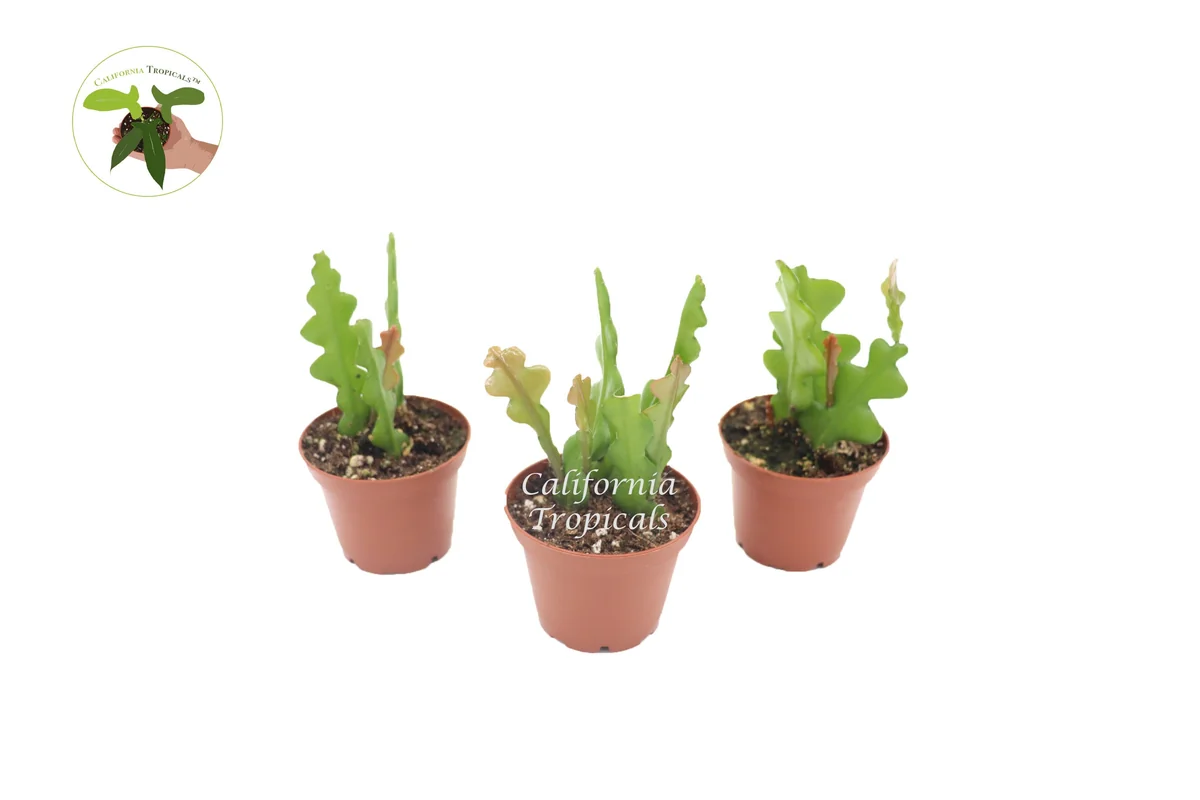
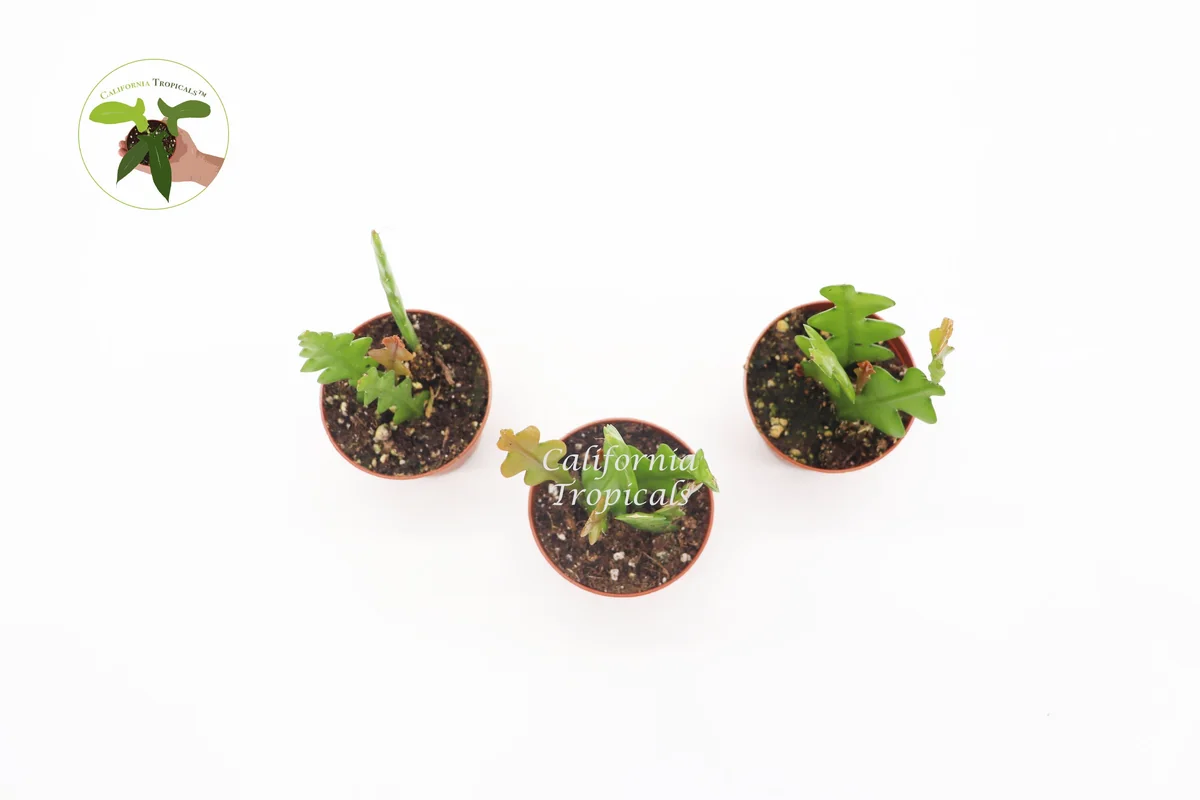
Introduce unique texture and visual interest to your home with this fishbone cactus live plant combo. You’ll receive three healthy plants, each in its own 2-inch pot, ready to thrive indoors. Known for its distinctive zig-zag foliage, this succulent makes an excellent hanging basket specimen or shelf accent, requiring minimal care.
Original price was: $123.96.$61.98Current price is: $61.98.

With our Alive & Thrive Guarantee, we’ve got your back for the first 30 days! If you have any concerns about your plants, just reach out to us. Our team is here to help answer your questions and guide you in selecting the best plants for your garden, climate, and unique preferences. We're excited to help you create the garden of your dreams!
Estimated arrival
Mar 31
Apr 05 - Apr 07
Apr 10 - Apr 14



Product Details
-
USDA Hardiness Zone
USDA zones 10-12 (outdoors), typically grown indoors -
Soil type
Well-draining succulent or cactus potting mix -
Sunlight Exposure
Bright indirect light -
Expected Planting Period
Year-round indoors
Overview
Bring home the captivating beauty of a fishbone cactus live plant with this special three-plant combo. Each individual plant is carefully cultivated and delivered in a 2-inch nursery pot, ensuring a healthy start in its new environment. The Fishbone Cactus, scientifically known as Disocactus anguliger (formerly Epiphyllum anguliger), is a highly sought-after succulent renowned for its distinctive, deeply lobed stems that resemble a fishbone or zig-zag pattern. This unique foliage makes it a fantastic conversation starter and a stylish addition to any indoor plant collection. Perfect for both beginners and experienced plant enthusiasts, the fishbone cactus live plant is relatively low-maintenance, adapting well to typical household conditions. Its cascading growth habit also makes it an ideal candidate for hanging baskets, allowing its striking form to be fully appreciated. Elevate your interior decor with these fascinating and easy-to-grow succulents.
Key Benefits
Adding a fishbone cactus live plant to your home offers numerous advantages beyond its striking appearance. These plants are not only beautiful but also resilient and rewarding to care for.
- Unique Ornamental Appeal: The most prominent benefit is its extraordinary foliage. The intricate, zig-zag pattern of the stems provides a modern and artistic touch that stands out from typical houseplants. This unique structure makes it a focal point in any room.
- Low Maintenance: The fishbone cactus live plant is surprisingly easy to care for, making it suitable for busy individuals or those new to plant parenting. It tolerates a range of conditions and doesn’t demand constant attention.
- Adaptable to Indoor Environments: Unlike many cacti, the zig zag cactus thrives in indoor settings, particularly in bright, indirect light, making it a perfect houseplant choice. It doesn’t require harsh, direct sun and can adapt to varied light levels.
- Air Purifying Qualities: Like many houseplants, the Fishbone Cactus contributes to a healthier indoor environment by helping to filter and purify the air, improving overall air quality in your living space.
- Pet-Friendly: The epiphylum anguliger is generally considered non-toxic to pets, offering peace of mind for households with curious cats and dogs, though ingestion should still be discouraged.
- Cascading Growth Habit: As it matures, the Fishbone Cactus develops a beautiful cascading form, making it an excellent choice for hanging planters, tall shelves, or plant stands where its unique stems can trail elegantly.
- Occasional Fragrant Blooms: While primarily grown for its foliage, mature fishbone cacti can produce stunning, fragrant, nocturnal white or yellow flowers, adding another layer of beauty and surprise to your plant.
Plant Care & Growing Tips
Caring for your fishbone cactus live plant is a straightforward and rewarding experience. These resilient succulents are forgiving and can thrive with proper attention to their basic needs. Understanding their preferences will help ensure vigorous growth and potentially beautiful blooms.
Sunlight Requirements
The Fishbone Cactus prefers bright, indirect light. While it is a cactus, it’s an epiphyte, meaning it grows on other plants in its natural jungle habitat, often under a canopy, rather than in direct desert sun. Place your ric rac cactus near an east or north-facing window, or a few feet away from a south or west-facing window where it receives filtered light. Direct, harsh sunlight can scorch its delicate stems, leading to yellowing or browning. A low light indoor plant, it tolerates lower light conditions but might not grow as vigorously or produce flowers.
Watering Schedule and Soil Moisture
Water your Fishbone Cactus thoroughly when the top 1-2 inches of soil feel dry to the touch. Allow excess water to drain completely from the bottom of the pot. Overwatering is the most common cause of problems, leading to root rot. During winter months, reduce watering frequency as the plant’s growth slows down. Always ensure the pot has drainage holes to prevent waterlogging.
Soil Type and Drainage Requirements
A well-draining potting mix is crucial for the health of your Fishbone Cactus. A standard succulent or cactus mix works well. You can also create your own by mixing equal parts potting soil, perlite, and orchid bark or coarse sand. This blend provides the necessary aeration and drainage that epiphytic cacti require, mimicking their natural growing conditions.
Temperature Range and Humidity
These plants prefer average room temperatures between 60-80°F (15-27°C). They are not frost-tolerant and should be protected from temperatures below 50°F (10°C). While they appreciate higher humidity, typical household humidity levels are usually sufficient. If your home is very dry, occasional misting or placing the pot on a pebble tray with water can be beneficial.
Fertilization
Feed your Fishbone Cactus with a balanced, diluted liquid fertilizer during its active growing season (spring and summer), typically once every 2-4 weeks. Reduce or stop fertilizing during the fall and winter when the plant is dormant. Over-fertilization can harm the plant, so always follow the product’s instructions and err on the side of caution.
Size & Details
This offering includes three individual fishbone cactus live plant specimens, each carefully rooted and growing in its own 2-inch nursery pot. At this size, the plants are young and compact, perfect for starting a collection or gifting. The stems typically range from 2-4 inches in length upon arrival, with new growth emerging quickly under optimal conditions. Fishbone cacti are known for their moderate to fast growth rate, especially during spring and summer. They can eventually grow quite large, with trailing stems reaching several feet in length, making them excellent for hanging displays. These plants are shipped in their pots with soil, ensuring minimal transplant shock and providing a stable environment during transit. Expect to see significant growth within the first few months with proper care.
Frequently Asked Questions
- Q: How big does this plant get? A: Each fishbone cactus live plant is shipped in a 2-inch pot. While compact initially, mature plants can develop long, trailing stems that can reach several feet in length, especially when grown in hanging baskets.
- Q: Is this an indoor or outdoor plant? A: The Fishbone Cactus is primarily grown as an indoor houseplant in most climates. It can be moved outdoors in shaded areas during warm summer months, but must be brought inside before temperatures drop below 50°F (10°C).
- Q: How much sunlight does it need? A: This plant thrives in bright, indirect light. Avoid direct, harsh sunlight, which can scorch its leaves. A north or east-facing window is ideal, or a spot a few feet away from a south or west-facing window.
- Q: Is this plant easy to care for? A: Yes, the fishbone cactus live plant is considered a low-maintenance and easy-to-care-for succulent, making it suitable for beginners. Its primary needs are bright indirect light and careful watering to avoid overwatering.
- Q: What condition will it arrive in? A: Your three Fishbone Cactus plants will arrive healthy and actively growing, each in its own 2-inch nursery pot with soil. They are carefully packaged to ensure safe transit.
- Q: Is the ric rac cactus pet-safe? A: Yes, the Fishbone Cactus (Disocactus anguliger) is generally considered non-toxic to cats and dogs, making it a safe choice for homes with pets.
- Q: When is the best time to repot my fishbone cactus? A: The best time to repot your epiphylum anguliger is in the spring or early summer, when the plant is actively growing. Repot only when it becomes root-bound or the soil quality has degraded.
- Q: How often should I water my fishbone cactus? A: Water thoroughly when the top 1-2 inches of soil are dry. This typically means once every 1-2 weeks in warmer months and less frequently in winter. Always ensure good drainage.
- Q: Can this plant tolerate lower light conditions? A: While it prefers bright indirect light, the Fishbone Cactus can tolerate lower light conditions, making it a good low light indoor plant option. However, growth may be slower, and flowering less likely.
- Q: How do I encourage my fishbone cactus to bloom? A: To encourage blooms, ensure consistent bright indirect light, slightly cooler temperatures (around 55-60°F or 13-16°C) during winter dormancy, and a phosphorus-rich fertilizer during the growing season.
Related products
-25%
Original price was: $23.00.$17.24Current price is: $17.24.
-25%
Original price was: $33.90.$25.42Current price is: $25.42.
-25%
Original price was: $23.80.$17.84Current price is: $17.84.
-30%
Original price was: $25.98.$18.18Current price is: $18.18.
-30%
Original price was: $129.98.$90.98Current price is: $90.98.
PLANTING & CARE

The Comprehensive Guide to Growing Bay Leaf Plants for a Flavorful Garden
Imagine stepping into your garden, greeted by the earthy aroma of fresh bay leaves, their
09
Feb
Feb

How to Make Comfrey Tea: The Ultimate Organic Plant Food
Growing an organic garden can be surprisingly expensive, especially when most store-bought fertilizers come in
02
Feb
Feb

True Comfrey: 7 Essential Tips Before You Plant This Herb
A staple in permaculture practices across the US, True Comfrey easily earns its reputation as
27
Jan
Jan

7 Heart-Shaped Plants for a Lasting Valentine’s Gift
If you’ve ever bought a bouquet of roses for Valentine’s Day, you know they are
26
Jan
Jan

Best Types of Ivy Plant for Houses: How to Choose the Perfect Ones for Your Home
Are you a garden lover looking to introduce some greenery into your home? Maybe you’ve
14
Nov
Nov

When to Harvest Garlic (Especially Fall-Planted Garlic)
TIMING IS EVERYTHING, they say – and for garlic, that truth hits with surprising accuracy.
13
Nov
Nov

11 of the Best Sweet Potato Varieties to Grow for Your Garden
If you’ve ever tried growing sweet potatoes, you know that picking the right variety can
12
Nov
Nov

Pruning Bougainvillea for Winter
Bougainvillea vines are known for their dazzling display of magenta, orange, and fuchsia bracts that
05
Nov
Nov