Fishbone Cactus Live Plant – Zig Zag Red Flower – Half Gallon Pot – Indoor/Outdoor
Fishbone Cactus Live Plant – Zig Zag Red Flower – Half Gallon Pot – Indoor/Outdoor
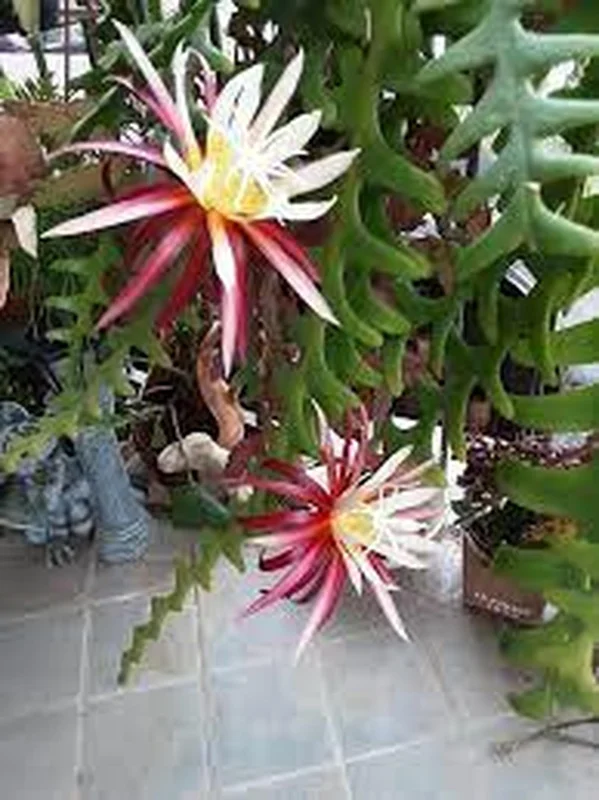
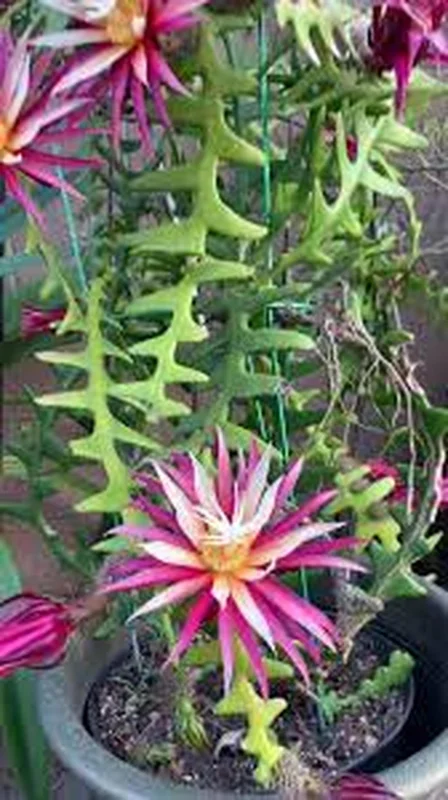
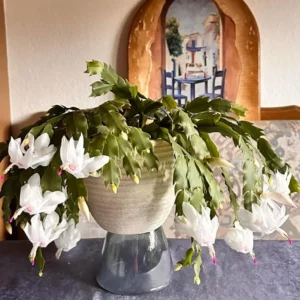
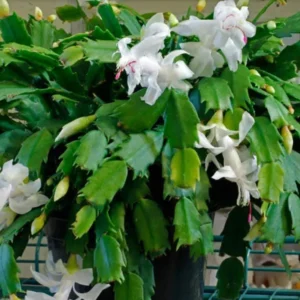
Bring a touch of exotic charm to your home with this stunning fishbone cactus live plant. Also known as the zig zag cactus red flower, its unique, wavy foliage and vibrant blooms make it a captivating addition to any collection. This easy-care plant thrives indoors and can also be grown outdoors in suitable climates.
$41.96

With our Alive & Thrive Guarantee, we’ve got your back for the first 30 days! If you have any concerns about your plants, just reach out to us. Our team is here to help answer your questions and guide you in selecting the best plants for your garden, climate, and unique preferences. We're excited to help you create the garden of your dreams!
Estimated arrival
Mar 31
Apr 05 - Apr 07
Apr 10 - Apr 14



Product Details
-
USDA Hardiness Zone
USDA zones 10-11 (outdoors); suitable for all zones indoors -
Soil type
Well-draining potting mix with perlite and orchid bark -
Sunlight Exposure
Bright indirect light -
Expected Planting Period
Year-round indoors
Overview
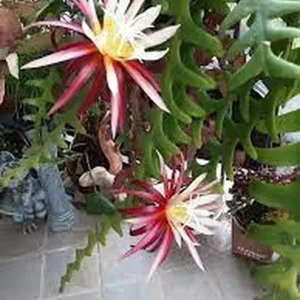
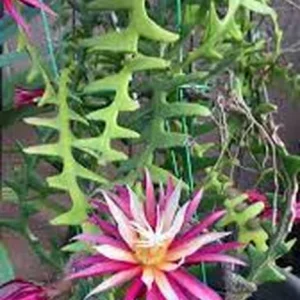
Introduce a truly unique botanical specimen to your collection with the fishbone cactus live plant. Revered for its distinctive, deeply lobed, and zig-zagging stems, this fascinating succulent, scientifically known as Epiphyllum anguliger, is often referred to as the zig zag cactus red flower due to its dramatic and fragrant nocturnal blooms. Unlike typical desert cacti, the fishbone cactus is an epiphyte, native to the rainforests of Mexico, where it grows on trees and rocks rather than in soil. This particular offering provides a healthy, thriving specimen, ready to bring architectural interest and potential floral beauty to your home or garden. Its unusual form makes it a striking focal point, perfect for hanging baskets or elevated planters where its cascading stems can be fully appreciated. Whether you are a seasoned plant enthusiast or a beginner seeking an easy-to-care-for yet visually stunning plant, the epiphyllum anguliger plant is an excellent choice.
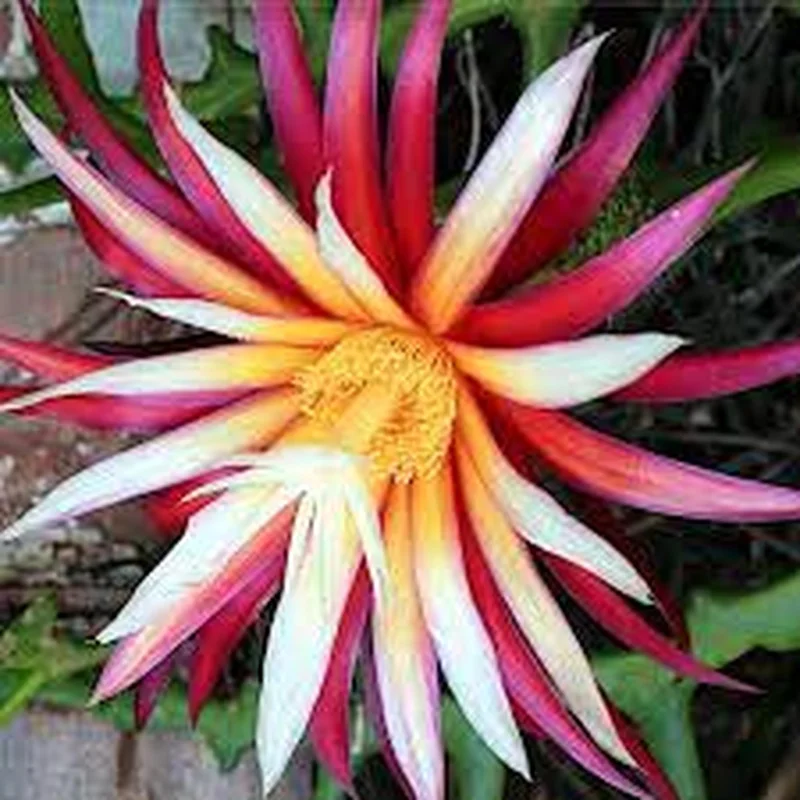
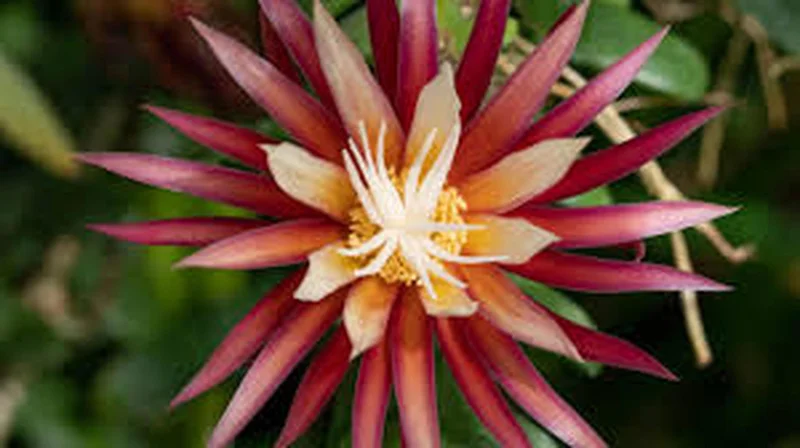
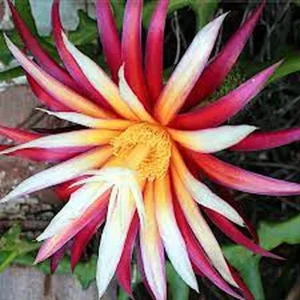
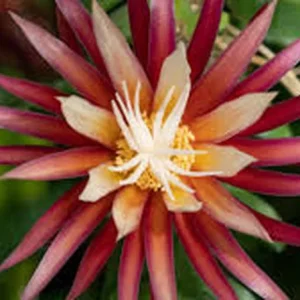
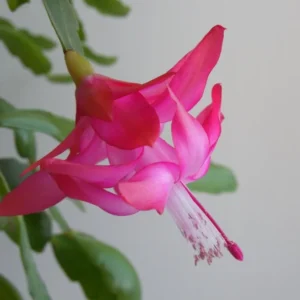
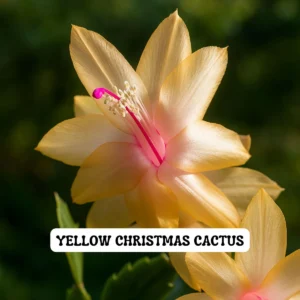
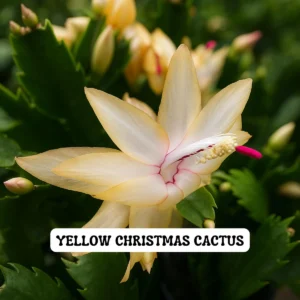
The allure of the fishbone cactus lies not only in its unconventional foliage but also in its spectacular, often fragrant, flowers. While the common name suggests a red flower, varieties can produce white, yellow, or pink blooms, opening at night to attract pollinators. This specific variety is known for its beautiful red flowers, adding a splash of vibrant color to its already intriguing appearance. Its adaptability to various indoor conditions and its relatively low maintenance requirements make it a popular choice for busy plant parents. The fishbone cactus live plant is more than just a decorative item; it’s a living sculpture that evolves with new growth and, eventually, stunning blossoms.
Key Benefits
The fishbone cactus live plant offers a multitude of benefits, making it a desirable addition to any plant enthusiast’s collection. Its unique aesthetic combined with its resilience makes it a rewarding plant to cultivate.
- Unique Ornamental Appeal: The deeply lobed, zig-zagging stems provide exceptional visual interest, resembling a fishbone or a series of interlocking puzzle pieces. This makes it a standout piece in any indoor or outdoor setting, offering a modern and architectural touch.
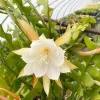
- Stunning Nocturnal Flowers: Experience the magic of its large, fragrant, typically red flowers that often bloom at night. These ephemeral blossoms are a rare and beautiful sight, adding an exotic flair to your home.
- Easy to Care For: Despite its exotic appearance, the fishbone cactus live plant is surprisingly low-maintenance. It tolerates a range of conditions and is forgiving for those new to plant care, making it an ideal choice for busy individuals.
- Versatile Placement: Thrives equally well as an indoor houseplant in bright, indirect light or as an outdoor patio plant in shaded, warm environments. Its trailing habit makes it perfect for hanging baskets or shelves where its unique form can cascade.
- Air Purifying Qualities: Like many houseplants, the fishbone cactus live plant contributes to a healthier indoor environment by helping to filter airborne toxins and improve air quality, promoting a fresher living space.
- Conversation Starter: Its unusual appearance and beautiful blooms are sure to spark curiosity and conversation among guests, making it a focal point in any room.
Plant Care & Growing Tips
Caring for your fishbone cactus live plant is straightforward, especially once you understand its epiphytic nature. These plants prefer conditions that mimic their native rainforest habitat: warm, humid, and with plenty of indirect light. For optimal growth, place your plant in a location where it receives bright, indirect sunlight. Direct, harsh sunlight, especially during the hottest parts of the day, can scorch its delicate stems, leading to yellowing or browning. An east-facing window is often ideal, providing gentle morning sun. If growing outdoors, ensure it’s in a shaded area, protected from intense afternoon sun.
Watering is crucial for the health of your epiphyllum anguliger plant. While it is a cactus, it’s not a desert variety and appreciates more consistent moisture. Water thoroughly when the top inch or two of the soil feels dry to the touch. Allow excess water to drain completely from the pot to prevent root rot. During the growing season (spring and summer), you may need to water more frequently. Reduce watering in the dormant winter months. Humidity is also beneficial; consider misting your plant regularly or placing it near a humidifier, especially in dry indoor environments. The right watering schedule is key to seeing the beautiful zig zag cactus red flower blooms.
For soil, use a well-draining potting mix that retains some moisture but doesn’t become waterlogged. A good mix for an indoor cactus plant would be a combination of regular potting soil, perlite, and orchid bark or coarse sand. This provides the necessary aeration and drainage. Fertilize every 2-4 weeks during the active growing season with a balanced liquid fertilizer, diluted to half strength. Avoid fertilizing in winter. Repot only when the plant becomes root-bound, typically every 2-3 years, choosing a pot only slightly larger than the current one. Common problems include root rot from overwatering and sunburn from too much direct light. Keep an eye out for pests like mealybugs or spider mites, treating them with insecticidal soap if necessary.
Size & Details
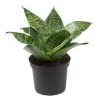
This offering includes one healthy fishbone cactus live plant, thriving in a half-gallon nursery pot. The plant’s unique, wavy stems are already well-established, showcasing the characteristic zig-zag pattern that makes this variety so popular. While individual plant sizes may vary slightly due to natural growth, you can expect a robust specimen with multiple segments, ready to continue its growth in your home. The plant is shipped securely in its nursery pot to minimize stress and ensure a smooth transition to its new environment.
The epiphyllum anguliger plant is known for its moderate growth rate, with stems that can eventually trail several feet long, making it an excellent choice for hanging baskets or elevated displays. With proper care, you can anticipate seeing its spectacular red flowers, typically blooming in late summer to fall, though timing can vary. The half-gallon pot provides ample space for initial growth, and the plant will eventually require repotting into a larger container as it matures and expands its root system. This plant promises to be a long-lasting and rewarding addition to your plant family.
Frequently Asked Questions
- Q: How big does a fishbone cactus typically get? A: A fishbone cactus live plant can grow quite large over time, with its distinctive zig-zagging stems trailing several feet long. When grown in hanging baskets or on shelves, the stems can create a beautiful cascading effect, making it a dramatic focal point.
- Q: Is this an indoor or outdoor plant? A: This plant is highly versatile. It thrives as an indoor cactus plant in most climates, enjoying bright, indirect light. In warmer, frost-free regions (USDA zones 10-11), it can also be grown outdoors in a shaded, protected location, away from direct sun.
- Q: How much sunlight does the zig zag cactus red flower need? A: The zig zag cactus red flower prefers bright, indirect light. Avoid direct, intense sunlight, especially during the afternoon, as this can scorch its delicate stems. A spot near an east-facing window or in filtered light is ideal for healthy growth and blooming.
- Q: Is this plant easy to care for? A: Yes, the fishbone cactus live plant is considered relatively easy to care for, making it suitable even for beginner plant enthusiasts. Its main requirements are consistent, but not excessive, watering and bright, indirect light.
- Q: What condition will my plant arrive in? A: Your epiphyllum anguliger plant will arrive securely packaged in its half-gallon nursery pot, ensuring it is well-protected during transit. We take great care to ensure the plant arrives healthy and ready to thrive in its new home.
- Q: When can I expect my fishbone cactus to bloom? A: With proper care, the zig zag cactus red flower typically blooms in late summer to fall. Blooming is often triggered by slightly cooler temperatures and shorter days, and mature plants are more likely to flower.
- Q: What kind of soil is best for a fishbone cactus? A: The best soil for a fishbone cactus live plant is a well-draining, airy mix that mimics its epiphytic nature. A blend of potting mix, perlite, and orchid bark or coarse sand works well to provide adequate drainage and aeration.
- Q: Is the fishbone cactus pet-safe? A: Information on the toxicity of epiphyllum anguliger plant to pets is generally limited. While it is not typically listed as highly toxic, it’s always best to keep plants out of reach of curious pets to prevent any potential irritation or discomfort.
- Q: How often should I water my indoor cactus plant? A: Water your indoor cactus plant when the top 1-2 inches of soil feel dry to the touch. This could be once a week or every two weeks, depending on your home’s humidity and temperature. Always ensure thorough drainage.
- Q: What is the ideal temperature range for this plant? A: The fishbone cactus live plant prefers average room temperatures between 60-80°F (15-27°C). It’s important to protect it from temperatures below 50°F (10°C), especially during winter, to prevent damage.
Related products
-25%
Original price was: $30.00.$22.50Current price is: $22.50.
-25%
Original price was: $20.90.$15.68Current price is: $15.68.

-30%
Original price was: $13.98.$9.78Current price is: $9.78.
-25%
Original price was: $33.90.$25.42Current price is: $25.42.
PLANTING & CARE
Growing Glencoe Raspberry: A Complete Guide for Gardeners
If you’re looking to add something unique to your garden, look no further than the
31
Mar
Mar

The Comprehensive Guide to Growing Bay Leaf Plants for a Flavorful Garden
Imagine stepping into your garden, greeted by the earthy aroma of fresh bay leaves, their
09
Feb
Feb

How to Make Comfrey Tea: The Ultimate Organic Plant Food
Growing an organic garden can be surprisingly expensive, especially when most store-bought fertilizers come in
02
Feb
Feb

True Comfrey: 7 Essential Tips Before You Plant This Herb
A staple in permaculture practices across the US, True Comfrey easily earns its reputation as
27
Jan
Jan

7 Heart-Shaped Plants for a Lasting Valentine’s Gift
If you’ve ever bought a bouquet of roses for Valentine’s Day, you know they are
26
Jan
Jan

Best Types of Ivy Plant for Houses: How to Choose the Perfect Ones for Your Home
Are you a garden lover looking to introduce some greenery into your home? Maybe you’ve
14
Nov
Nov

When to Harvest Garlic (Especially Fall-Planted Garlic)
TIMING IS EVERYTHING, they say – and for garlic, that truth hits with surprising accuracy.
13
Nov
Nov

11 of the Best Sweet Potato Varieties to Grow for Your Garden
If you’ve ever tried growing sweet potatoes, you know that picking the right variety can
12
Nov
Nov