Fragrant Climbing Honeysuckle Live Plant – Lonicera Perennial Vine – Pink Yellow Flowers – Hardy Zones 3-9
-50%
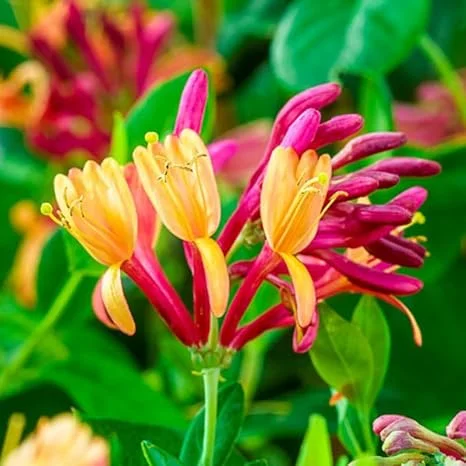
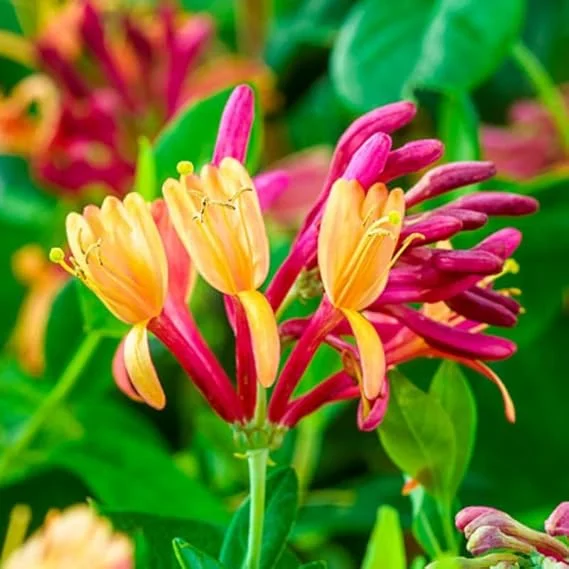
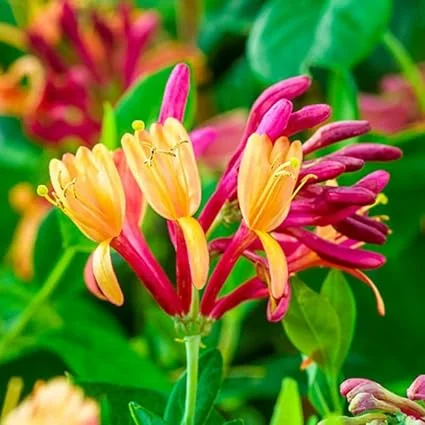
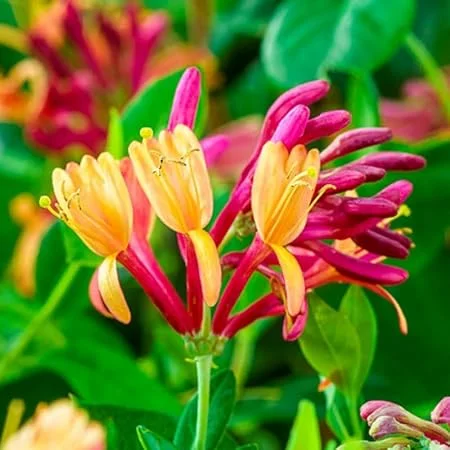
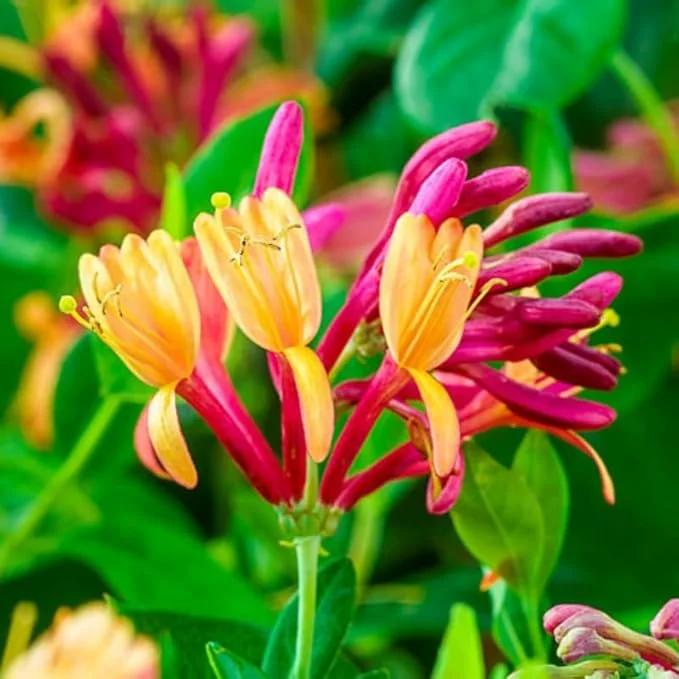
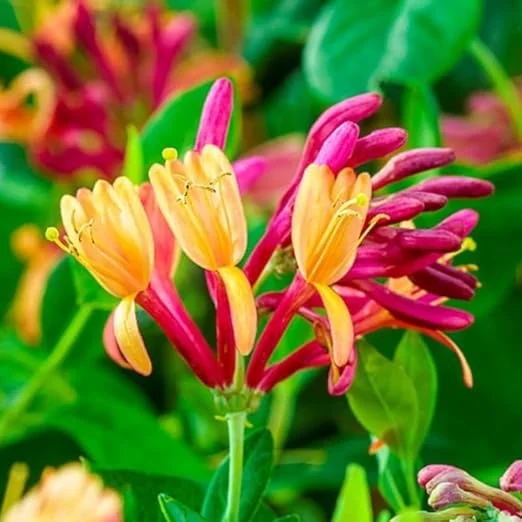
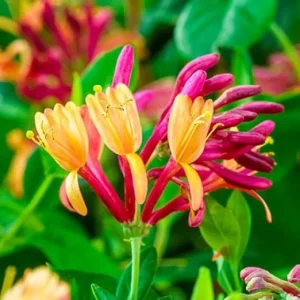
Fragrant Climbing Honeysuckle Live Plant – Lonicera Perennial Vine – Pink Yellow Flowers – Hardy Zones 3-9
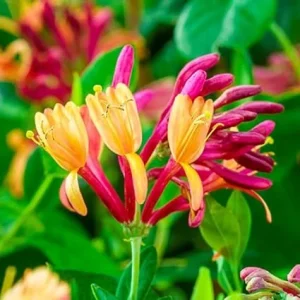
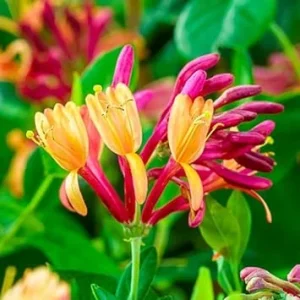
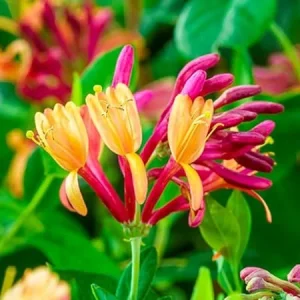
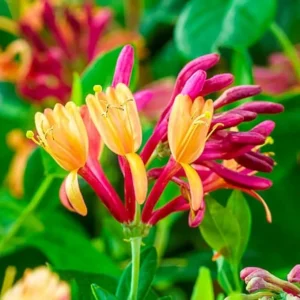
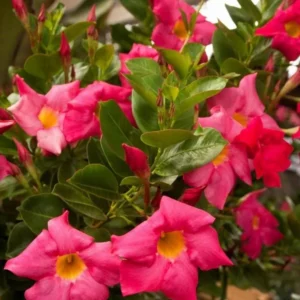
Cultivate a vibrant and aromatic garden with this beautiful fragrant climbing honeysuckle live plant. This lonicera perennial vine offers stunning pink and yellow blooms, attracting pollinators and providing a sweet natural perfume. Ideal for trellises, arbors, or fences, it’s a hardy addition to any outdoor space.
Original price was: $51.98.$25.99Current price is: $25.99.

With our Alive & Thrive Guarantee, we’ve got your back for the first 30 days! If you have any concerns about your plants, just reach out to us. Our team is here to help answer your questions and guide you in selecting the best plants for your garden, climate, and unique preferences. We're excited to help you create the garden of your dreams!
Estimated arrival
Apr 13
Apr 18 - Apr 20
Apr 23 - Apr 27
Product Details
-
USDA Hardiness Zone
Hardy Zones 3-9 -
Soil type
Sandy Soil -
Sunlight Exposure
Full sun to partial shade -
Expected Planting Period
Spring to early fall
Overview
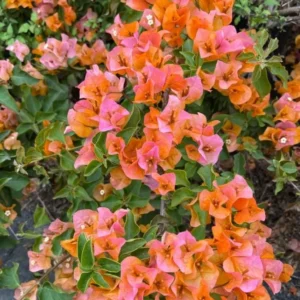
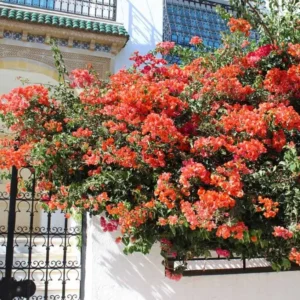
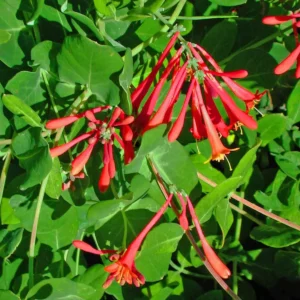
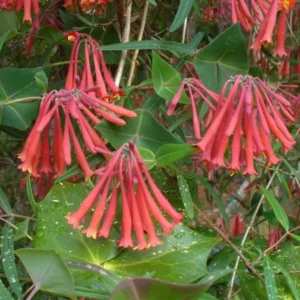
Transform your garden into a fragrant paradise with our exquisite fragrant climbing honeysuckle live plant. This vigorous lonicera perennial vine is celebrated for its abundant, trumpet-shaped flowers that burst forth in a delightful display of pink and yellow hues. Beyond its visual appeal, the honeysuckle is renowned for its intoxicatingly sweet scent, which can perfume an entire outdoor area, especially during warm evenings. As a climber, it’s perfectly suited for adorning fences, trellises, arbors, or pergolas, creating a living wall of color and aroma. Honeysuckle (Lonicera) is a classic choice for gardeners seeking both beauty and fragrance, making it a truly ornamental addition to any landscape. This honeysuckle plant care guide will ensure your vine thrives.
Our fragrant climbing honeysuckle live plant arrives ready for planting, offering a head start on establishing this charming perennial in your garden. It’s a robust and relatively low-maintenance plant, making it suitable for both experienced gardeners and those new to cultivating flowering vines. The vibrant blossoms not only captivate human senses but also serve as a magnet for hummingbirds, bees, and butterflies, contributing to a healthy and biodiverse ecosystem in your yard. Enjoy the season-long spectacle of blooms and the delightful perfume that only a well-established honeysuckle can provide.
Key Benefits
Adding a fragrant climbing honeysuckle live plant to your garden offers a multitude of advantages, enhancing both the aesthetic and ecological value of your outdoor space. This versatile vine provides continuous enjoyment through its striking appearance and delightful aroma.
- Stunning Ornamental Appeal: The large, vibrant pink and yellow flowers of this honeysuckle create a spectacular visual display. Its vigorous climbing habit allows it to quickly cover structures, adding vertical interest and a romantic touch to any garden design.
- Intoxicating Fragrance: One of the most cherished features of this plant is its wonderfully sweet and pervasive fragrance. Planting it near a patio, window, or entryway ensures you can enjoy its delightful perfume, especially during the evening hours.
- Attracts Pollinators: The nectar-rich flowers are a favorite food source for hummingbirds, butterflies, and bees. By planting this lonicera perennial vine, you’ll be actively supporting local pollinator populations and encouraging biodiversity in your garden.
- Versatile Climbing Habit: Whether you want to soften a harsh fence, create shade over a pergola, or add beauty to an arbor, this honeysuckle is an excellent choice. Its natural climbing tendency makes it easy to train and guide to achieve your desired landscape effect.
- Hardy and Resilient: Suitable for a wide range of climates, this hardy honeysuckle zones 3-9 plant is known for its robust nature. It can withstand various conditions once established, providing years of beauty with minimal fuss.
- Easy to Grow: With proper honeysuckle plant care, this vine is relatively easy to establish and maintain. It tolerates different soil types and is generally resistant to common pests and diseases, making it a rewarding plant for gardeners.
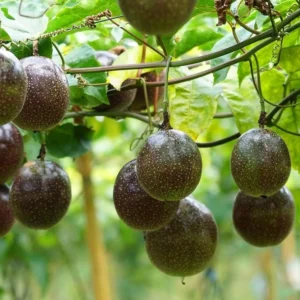
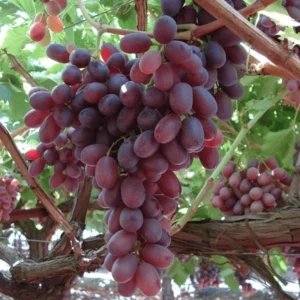
- Brilliant Red Fruits: After the flowering period, the plant produces brilliant red fruits, adding another layer of seasonal interest to your garden. These fruits also serve as a food source for birds, further enhancing wildlife attraction.
Plant Care & Growing Tips
Ensuring your fragrant climbing honeysuckle live plant thrives involves understanding its basic needs concerning light, water, soil, and climate. This lonicera perennial vine is generally adaptable, but providing optimal conditions will lead to the most vigorous growth and abundant blooms. For successful honeysuckle plant care, begin by selecting an appropriate planting site.
Honeysuckle prefers a location with full sun to partial shade. ‘Full sun’ means at least six hours of direct sunlight per day, which encourages the most prolific flowering. In hotter climates, some afternoon shade can protect the plant from scorching. When it comes to watering, honeysuckle has moderate moisture needs. Keep the soil consistently moist, especially during its first growing season to help establish a strong root system. Once established, it can tolerate short periods of drought but will perform best with regular watering during dry spells. Avoid overwatering, as constantly soggy soil can lead to root rot. The ideal soil type is sandy soil that is well-draining. While tolerant of various soil conditions, good drainage is crucial. Amend heavy clay soils with organic matter to improve drainage, and very sandy soils can benefit from compost to improve water retention and nutrient availability.
This ornamental honeysuckle is hardy in USDA Zones 3-9, indicating its ability to withstand cold winters and hot summers within this range. Fertilize your honeysuckle in early spring with a balanced, slow-release granular fertilizer to support its vigorous growth and flowering. Pruning is essential for maintaining shape, size, and encouraging more blooms. Prune after the main flowering period to remove spent flowers and any dead or weak growth. For older, overgrown plants, a more aggressive rejuvenation prune can be done in late winter. Watch out for common pests like aphids, which can be managed with insecticidal soap or a strong spray of water. Good air circulation helps prevent fungal diseases. This hardy honeysuckle zones 3-9 plant is relatively resilient, ensuring years of enjoyment with proper care.
Size & Details
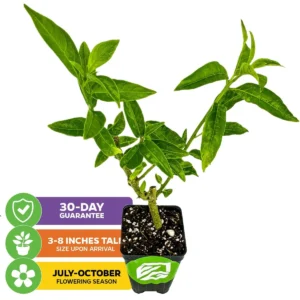
This fragrant climbing honeysuckle live plant is shipped as a healthy, established live vine, ready for immediate planting upon arrival. While exact dimensions can vary slightly based on the growing cycle and specific variety, you can expect a robust plant that is well-rooted and actively growing. As a climbing vine, its mature size can be quite substantial, typically reaching heights of 10-20 feet with a spread of 3-6 feet, depending on the support structure and pruning regimen. The plant will need ongoing support to climb effectively, such as a trellis, arbor, fence, or wall. It exhibits a moderate to fast growth rate, allowing it to establish and cover its designated space relatively quickly.
The plant produces its characteristic large, fragrant pink and yellow flowers primarily in late spring to early summer, with some varieties offering sporadic rebloom throughout the season. Following the blooms, brilliant red fruits will develop, adding visual interest and attracting birds. This lonicera perennial vine is a long-lived plant, providing many years of beauty and fragrance in your garden. The plant is typically shipped in a nursery pot, ensuring the root ball remains intact and healthy during transit, ready for its new home.
Frequently Asked Questions
- Q: How big does this fragrant climbing honeysuckle live plant get? A: This honeysuckle is a vigorous climber that can typically reach heights of 10 to 20 feet and spread 3 to 6 feet wide, depending on the support structure and how it’s pruned. Its ultimate size is also influenced by growing conditions and climate.
- Q: Is this an indoor or outdoor plant? A: This particular honeysuckle is an outdoor perennial vine. It thrives best when planted in the ground or a large container outdoors where it can climb and receive ample sunlight and air circulation. It is not suitable for indoor cultivation.
- Q: How much sunlight does this lonicera perennial vine need? A: For the best flowering performance, your honeysuckle will need full sun, meaning at least six hours of direct sunlight per day. In very hot climates, some afternoon shade can be beneficial to prevent leaf scorch.
- Q: Is this ornamental honeysuckle easy to care for? A: Yes, once established, this honeysuckle is considered relatively easy to care for. It’s quite hardy and tolerant of various conditions, making it a good choice for both beginner and experienced gardeners. Regular watering and occasional pruning are its main requirements.
- Q: What condition will the plant arrive in? A: Your fragrant climbing honeysuckle live plant will arrive as a healthy, actively growing vine, typically potted to ensure the root system is protected. It will be carefully packaged to minimize stress during transit, ready for planting upon arrival.
- Q: When is the best time to plant this hardy honeysuckle zones 3-9? A: The best time to plant honeysuckle is in spring or early fall, allowing the plant to establish its root system before the extreme temperatures of summer or winter. If planting in summer, ensure consistent watering.
- Q: Will this honeysuckle survive winter in my zone? A: This honeysuckle is hardy in USDA Zones 3-9, meaning it is well-equipped to survive winter temperatures within this range. In colder parts of its hardiness range, it may lose its leaves but will regrow vigorously in spring.
- Q: What kind of soil does this plant prefer? A: This honeysuckle prefers well-draining soil, ideally sandy soil. If your soil is heavy clay, it’s recommended to amend it with organic matter like compost to improve drainage and aeration.
- Q: Does this fragrant climbing honeysuckle live plant attract wildlife? A: Absolutely! The vibrant, fragrant flowers are a significant draw for hummingbirds, bees, and butterflies, making it an excellent choice for a pollinator garden. The red fruits that follow also attract birds.
- Q: How often should I water my honeysuckle? A: During its first year, keep the soil consistently moist. Once established, water regularly during dry periods, aiming to keep the soil evenly moist but not waterlogged. Check the top inch of soil; if it’s dry, it’s time to water.
Related products
-50%

Original price was: $59.00.$29.50Current price is: $29.50.
-67%
Original price was: $59.97.$19.99Current price is: $19.99.
-30%
Original price was: $39.99.$27.99Current price is: $27.99.
-67%
Original price was: $59.97.$19.99Current price is: $19.99.
-50%
Original price was: $179.00.$89.50Current price is: $89.50.
-67%
Original price was: $50.97.$16.99Current price is: $16.99.
PLANTING & CARE

Growing Glencoe Raspberry: A Complete Guide for Gardeners
If you’re looking to add something unique to your garden, look no further than the
31
Mar
Mar

The Comprehensive Guide to Growing Bay Leaf Plants for a Flavorful Garden
Imagine stepping into your garden, greeted by the earthy aroma of fresh bay leaves, their
09
Feb
Feb

How to Make Comfrey Tea: The Ultimate Organic Plant Food
Growing an organic garden can be surprisingly expensive, especially when most store-bought fertilizers come in
02
Feb
Feb

True Comfrey: 7 Essential Tips Before You Plant This Herb
A staple in permaculture practices across the US, True Comfrey easily earns its reputation as
27
Jan
Jan

7 Heart-Shaped Plants for a Lasting Valentine’s Gift
If you’ve ever bought a bouquet of roses for Valentine’s Day, you know they are
26
Jan
Jan

Best Types of Ivy Plant for Houses: How to Choose the Perfect Ones for Your Home
Are you a garden lover looking to introduce some greenery into your home? Maybe you’ve
14
Nov
Nov

When to Harvest Garlic (Especially Fall-Planted Garlic)
TIMING IS EVERYTHING, they say – and for garlic, that truth hits with surprising accuracy.
13
Nov
Nov

11 of the Best Sweet Potato Varieties to Grow for Your Garden
If you’ve ever tried growing sweet potatoes, you know that picking the right variety can
12
Nov
Nov