Galangal Rhizomes for Planting – Fresh, Easy to Grow, Edible
-50%


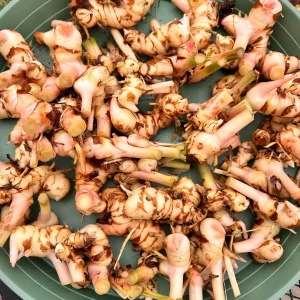
Galangal Rhizomes for Planting – Fresh, Easy to Grow, Edible
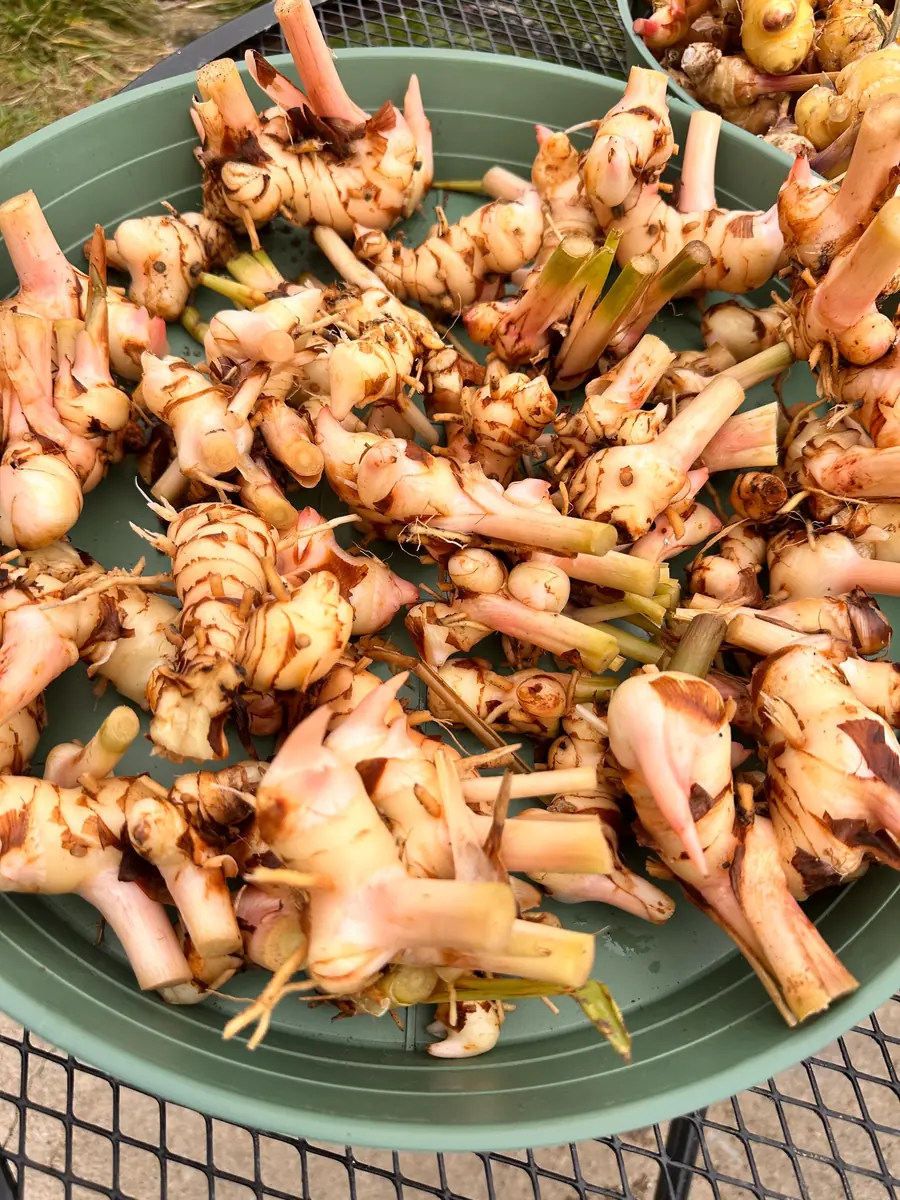
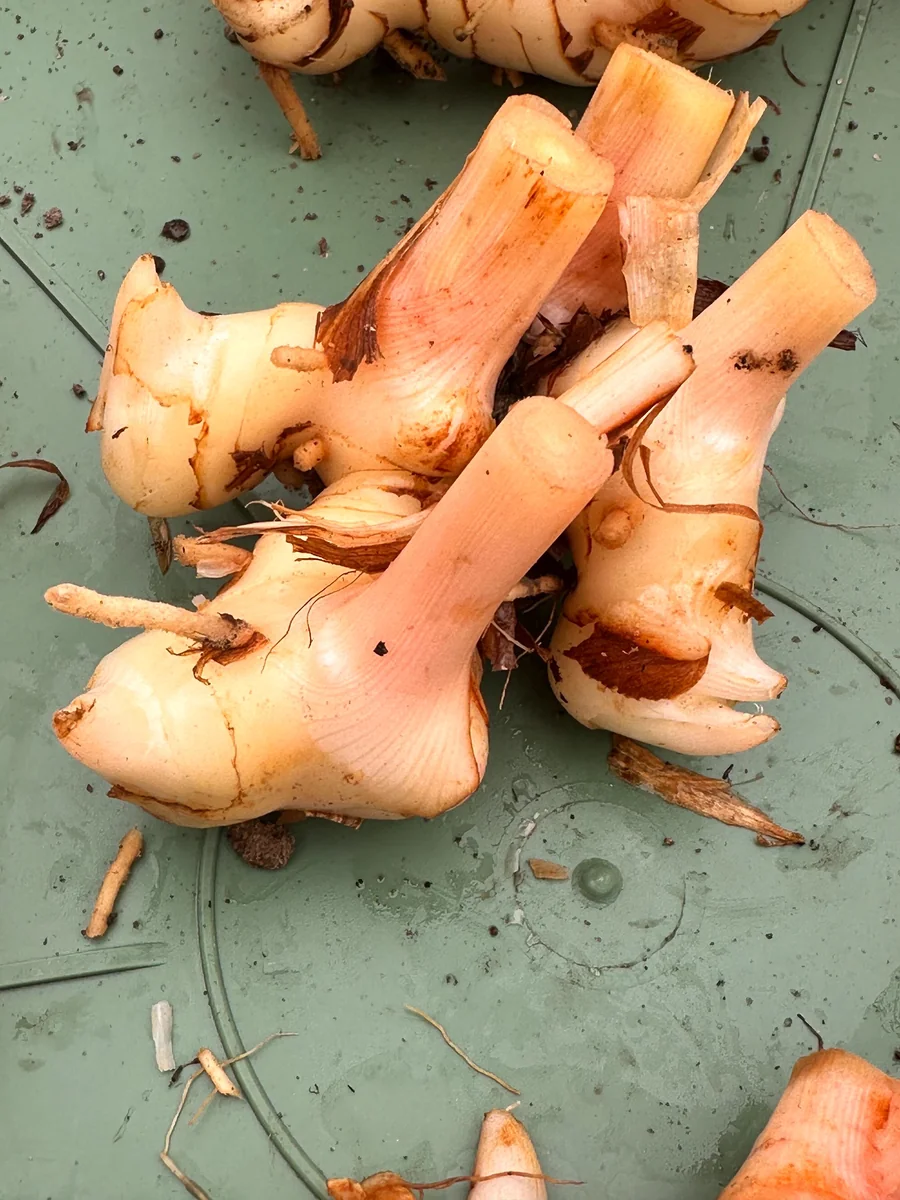
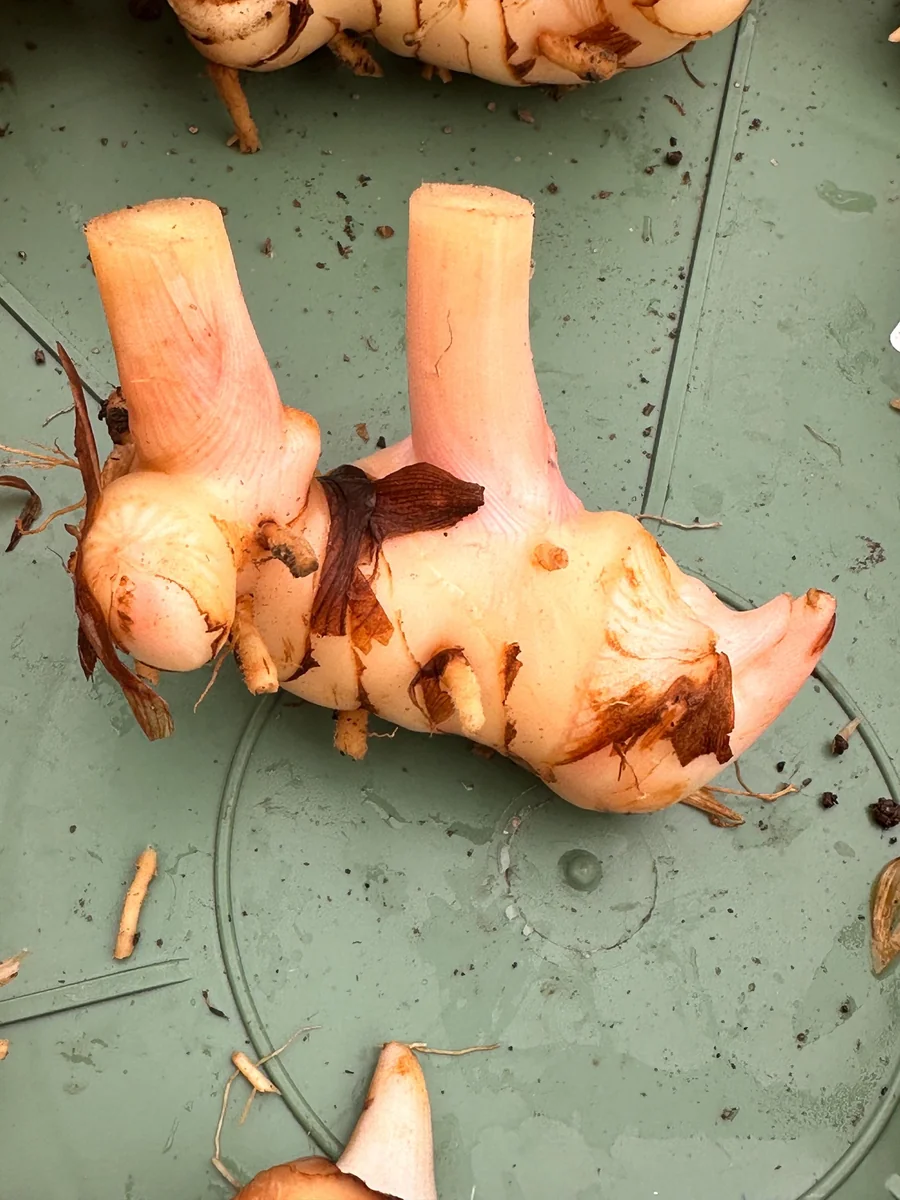
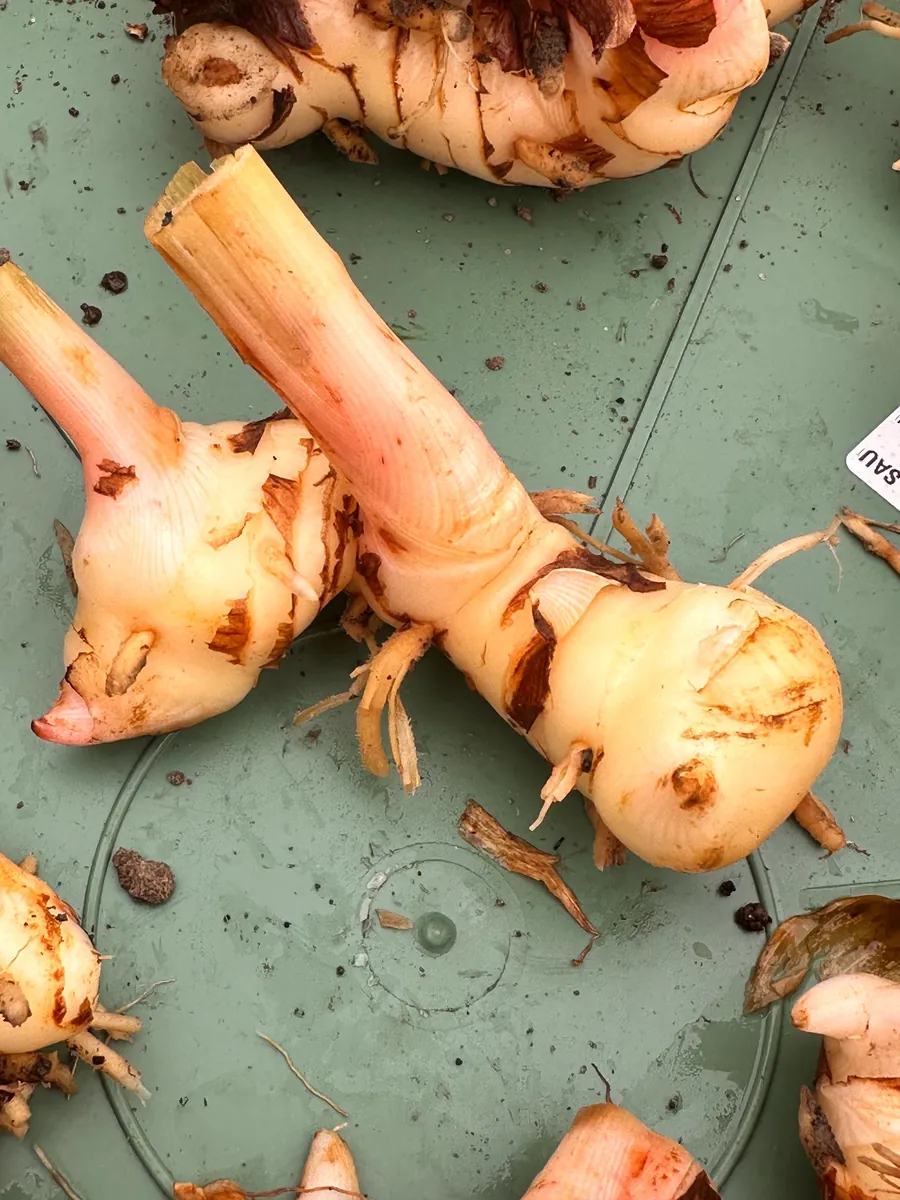
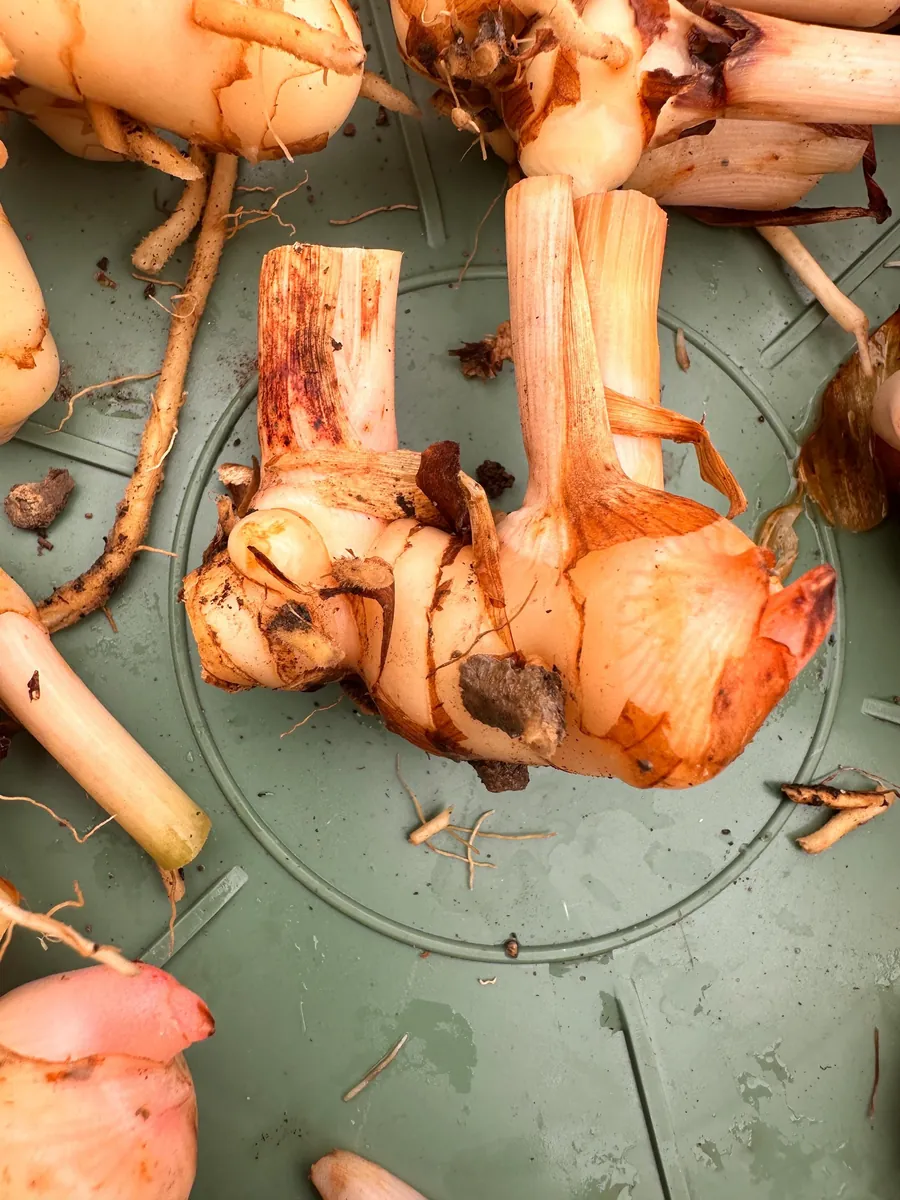
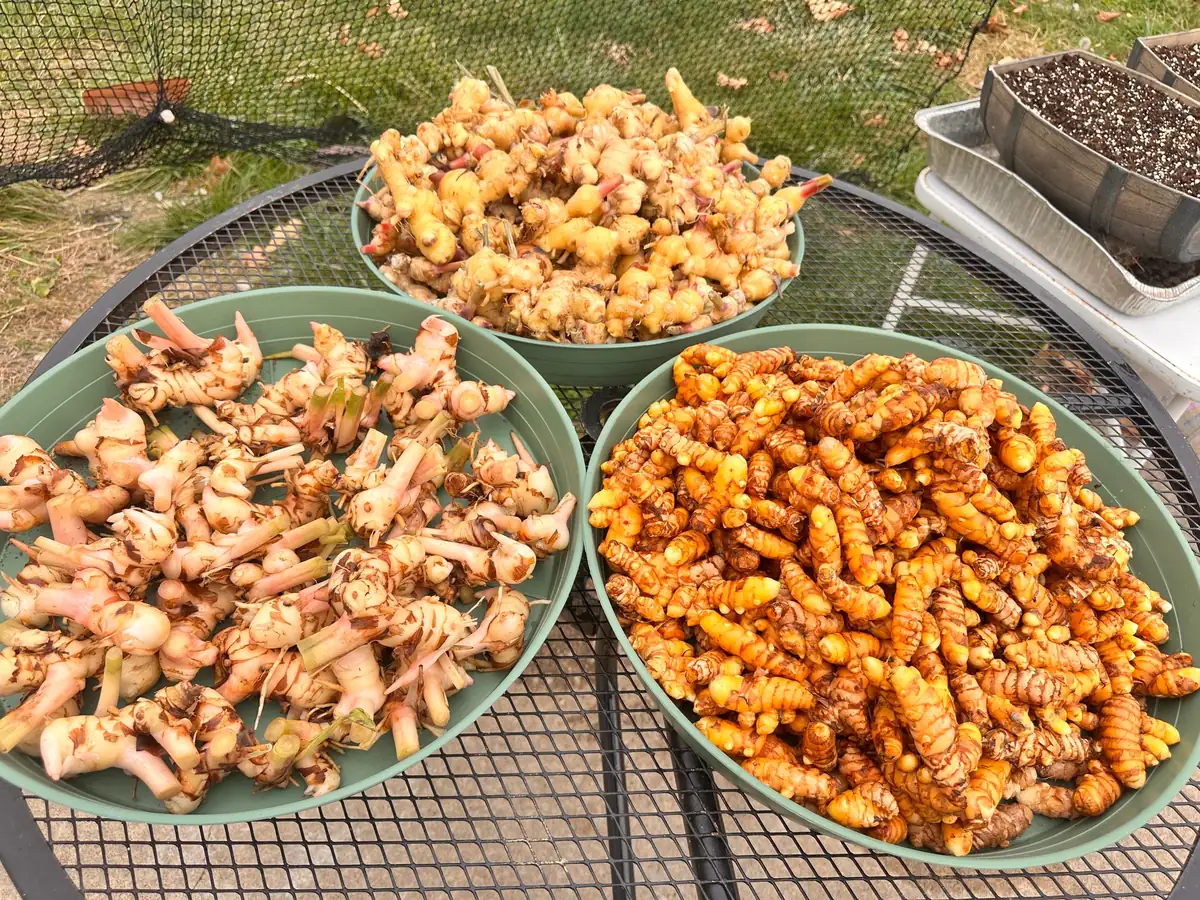
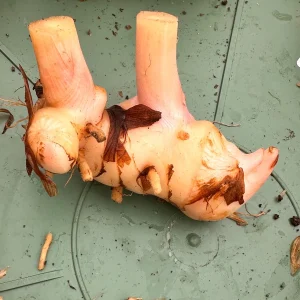
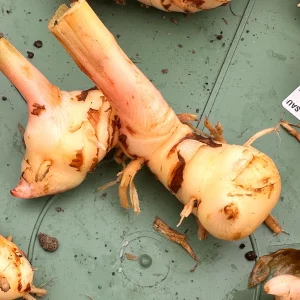
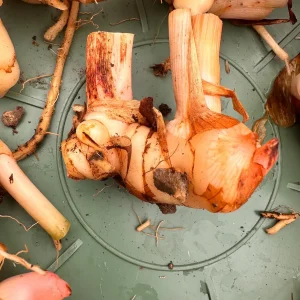
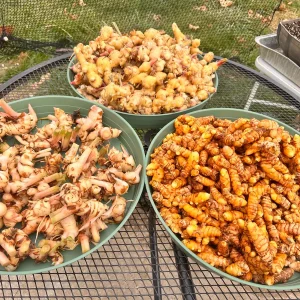
Cultivate your own aromatic spice with these fresh galangal rhizomes for planting. Ideal for beginners, these living rhizomes are easy to grow in pots or gardens, yielding flavorful roots for various uses. Enjoy the unique flavor of fresh galangal root harvested right from your home.
Original price was: $66.00.$33.00Current price is: $33.00.

With our Alive & Thrive Guarantee, we’ve got your back for the first 30 days! If you have any concerns about your plants, just reach out to us. Our team is here to help answer your questions and guide you in selecting the best plants for your garden, climate, and unique preferences. We're excited to help you create the garden of your dreams!
Estimated arrival
Mar 31
Apr 05 - Apr 07
Apr 10 - Apr 14
Product Details
-
USDA Hardiness Zone
USDA zones 9-11 (or indoors) -
Soil type
Loose, well-drained, rich organic matter (pH 6-7) -
Sunlight Exposure
Partial shade to full sun (6-8 hrs) -
Expected Planting Period
January-February (indoors), after last frost (outdoors)
Overview
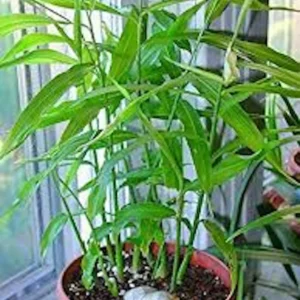
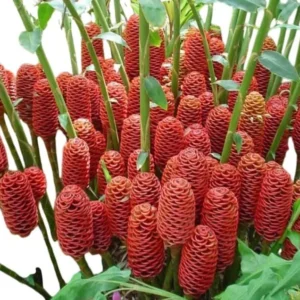
Embark on a rewarding gardening journey with our premium galangal rhizomes for planting. These vibrant, living rhizomes are the perfect starting point for cultivating your own supply of this versatile and aromatic spice. Often referred to as Thai ginger, galangal (Alpinia galanga) is a tropical plant cherished for its distinct peppery, citrusy, and pine-like flavor, a staple in Southeast Asian cuisine. Unlike dried or treated alternatives, our fresh rhizomes possess robust sprouting energy, ensuring a higher success rate for both novice and experienced growers. Growing your own galangal plant provides access to the freshest ingredients for culinary adventures, herbal remedies, or simply as an attractive addition to your garden or kitchen windowsill.
These rhizomes are carefully selected for their health and vitality, offering you the best chance to establish a thriving galangal patch. Whether you’re aiming to create authentic Thai curries, soothing teas, or natural skincare products, starting with quality galangal rhizomes for planting is key. They are suitable for various growing environments, including containers, raised beds, and traditional garden plots, making them adaptable to different spaces and climates. Discover the joy of harvesting your own aromatic galangal, a truly rewarding experience for any plant enthusiast.
Key Benefits
Our fresh galangal rhizomes offer numerous advantages for home gardeners and culinary enthusiasts alike. Cultivating your own galangal plant ensures a continuous supply of this exotic ingredient, enhancing your dishes and well-being with its unique properties. Here are some of the key benefits:
- Freshness and Potency: Unlike store-bought dried or powdered versions, growing your own fresh galangal root provides you with the most potent and aromatic rhizomes, rich in essential oils and flavor.
- Easy to Grow: These living rhizomes are remarkably forgiving and straightforward to cultivate, making them an excellent choice for gardeners of all skill levels. With minimal effort, you can enjoy a bountiful harvest.
- Versatile Culinary Use: Galangal is a cornerstone of Thai, Indonesian, and Malaysian cuisines. Use your homegrown roots to flavor curries, soups, stir-fries, and marinades, adding an authentic, zesty kick.
- Wellness and Medicinal Properties: Beyond its culinary appeal, galangal is traditionally valued for its potential digestive, anti-inflammatory, and antioxidant benefits. Incorporate it into teas or tonics for a natural boost.
- Regenerative Growing: Our rhizomes are sourced from farms committed to soil-first philosophy, promoting healthy ecosystems and sustainable practices, ensuring you receive a product grown with care for the environment.
- Adaptable to Various Spaces: Whether you have a spacious garden, a small patio, or even just a sunny windowsill, these rhizomes can thrive in pots, raised beds, or directly in the ground, offering flexibility for any home.
- High Yielding: With proper care, a single galangal plant can produce multiple rhizomes, providing a generous harvest that can be used fresh, frozen, or dried for long-term storage.
Plant Care & Growing Tips
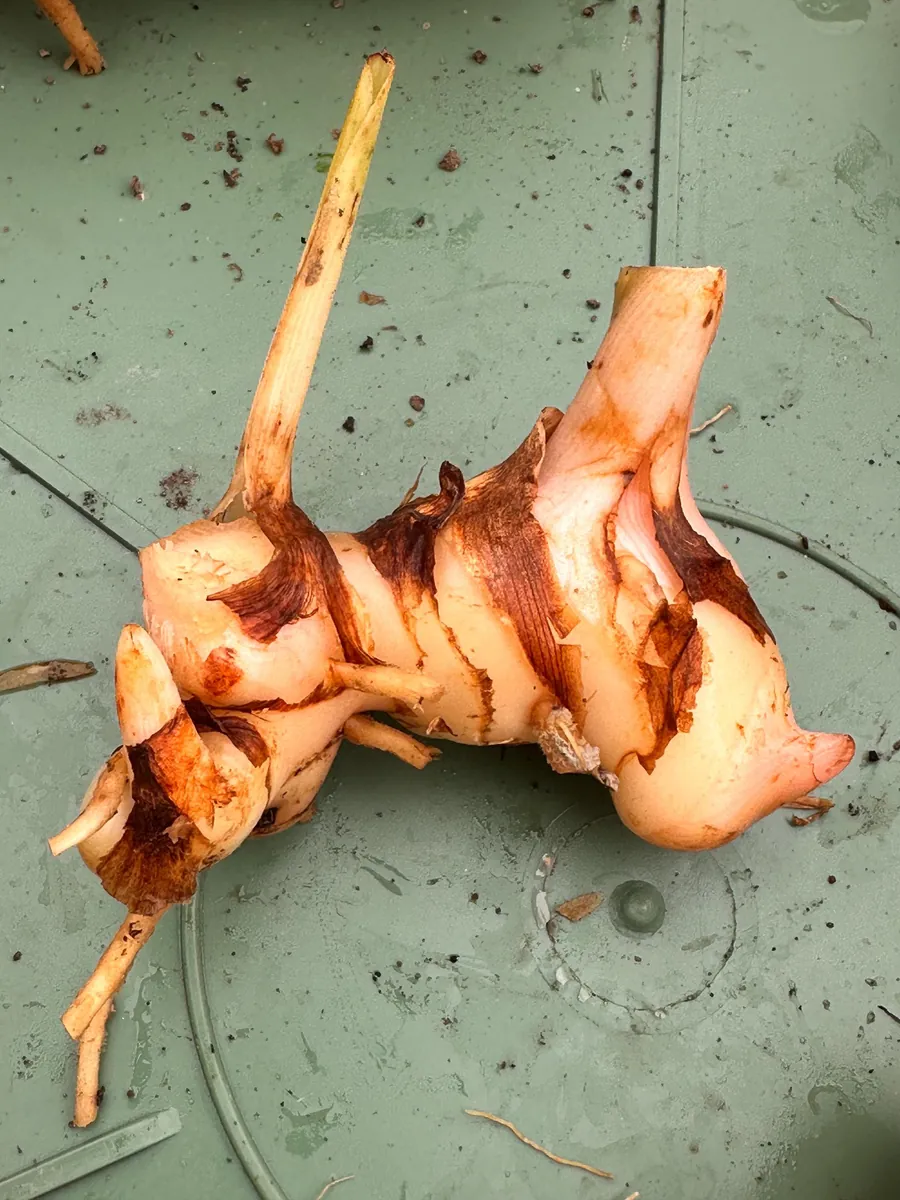
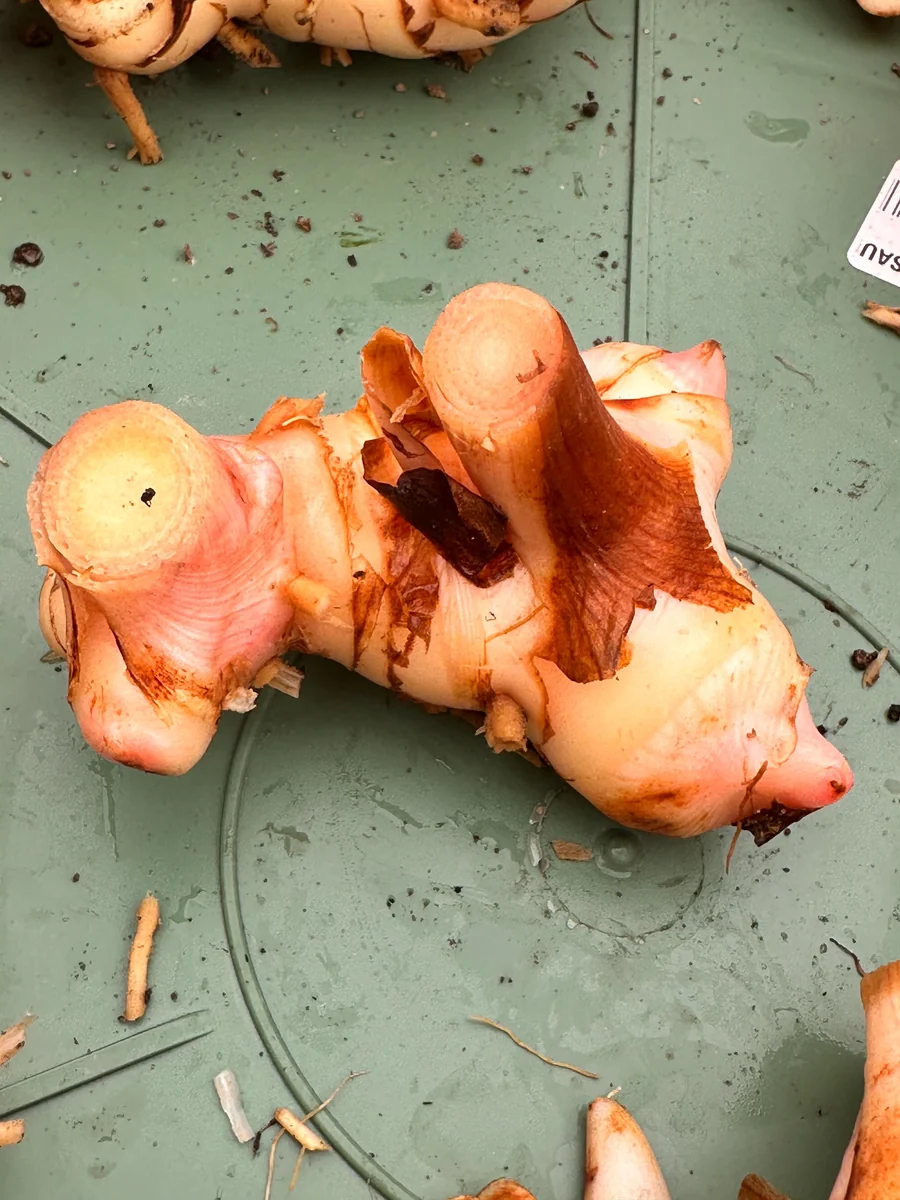
Growing your own galangal plant from rhizomes is a straightforward process that yields delicious results. To ensure success, understanding its preferred growing conditions is crucial. Galangal thrives in warm, humid environments, mimicking its tropical origins. For optimal growth, begin by selecting healthy rhizomes with visible ‘eyes’ or growth buds. Plant them 2-3 inches deep with the buds facing upwards, spacing them about 12 inches apart if planting multiple. A rich, well-draining soil is paramount; a pH between 6 and 7 is ideal. Incorporate plenty of organic matter to provide nutrients and improve soil structure. Mulching around the plants helps retain moisture and regulate soil temperature, which is especially beneficial in cooler climates.
When it comes to light, galangal prefers partial shade to full sun, requiring about 6-8 hours of sunlight daily. In very hot climates, afternoon shade is recommended to prevent scorching. Consistent moisture is key; the soil should remain evenly damp but never waterlogged, as standing water can lead to rhizome rot. Ideal growing temperatures range from 68°F to 95°F (20°C to 35°C). If you’re in a region with cold winters, consider planting indoors in containers, especially if you want to ensure the survival of your fresh galangal root. Fertilize regularly during the growing season with a balanced organic fertilizer to support vigorous rhizome development. Watch for yellowing leaves, which can indicate nutrient deficiency or overwatering. With diligent care, your galangal growing guide will lead to a thriving plant.
Size & Details
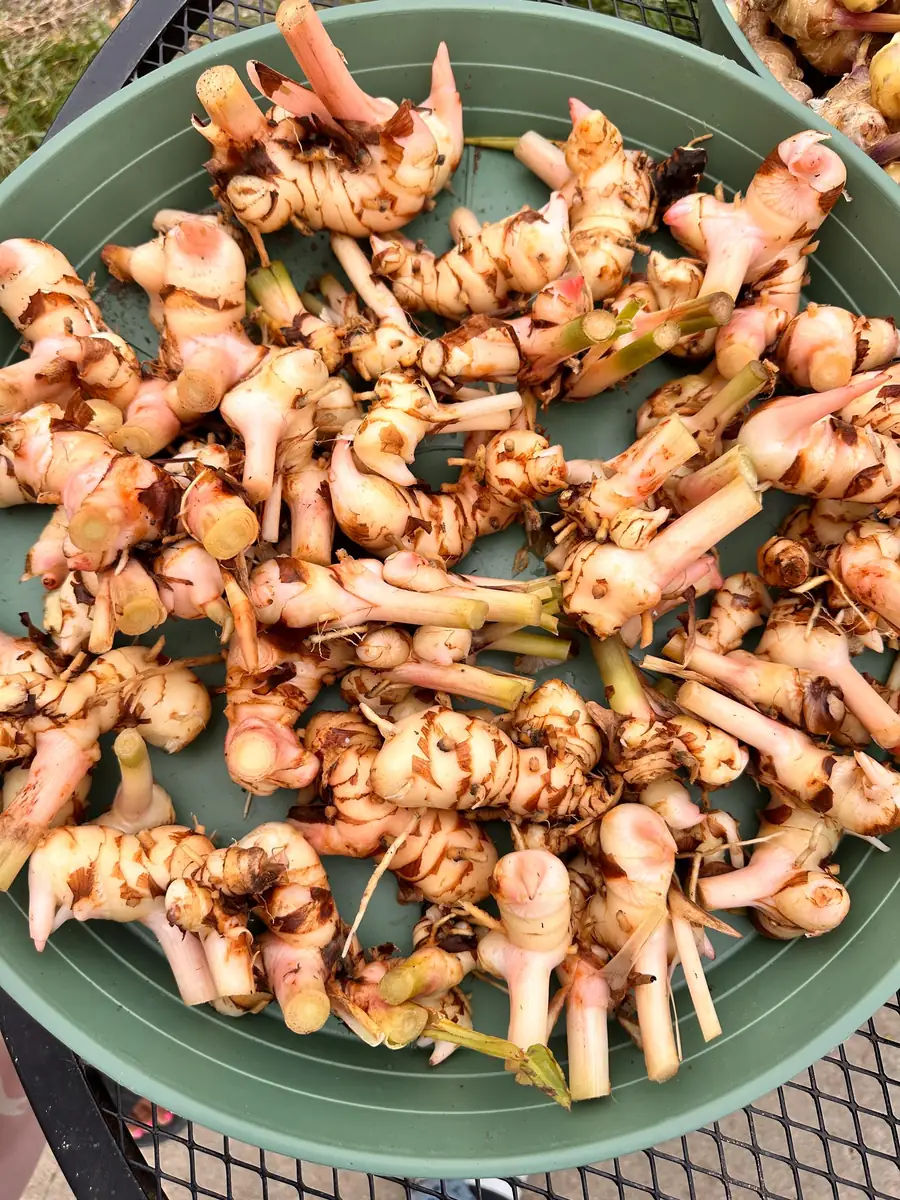
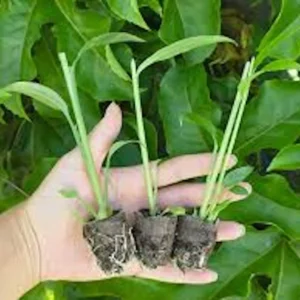
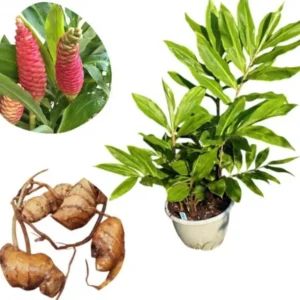
These galangal rhizomes for planting are supplied as fresh, living root sections, ready for immediate cultivation. Each rhizome typically measures approximately 2-4 inches in length and features at least 1-2 viable growth buds, ensuring strong sprouting potential. Galangal plants, when mature, can reach heights of 3-5 feet tall with a spread of 2-3 feet, forming attractive, upright clumps of lush green foliage. The growth rate is moderate, with initial sprouting occurring within a few weeks of planting under ideal conditions. The primary harvest of the rhizomes is typically ready 8-10 months after planting, usually in late fall before the first frost, when the foliage begins to yellow and die back. This product is for planting material and not a fully grown plant. You will receive raw, unpeeled rhizomes, perfect for starting your own garden of this flavorful spice.
Frequently Asked Questions
- Q: How big does a galangal plant get? A: A mature galangal plant typically grows to be about 3 to 5 feet tall and can spread 2 to 3 feet wide, forming a lush, bushy appearance. Its size can be somewhat managed by growing it in containers.
- Q: How much sunlight does galangal need? A: Galangal thrives in partial shade to full sun, ideally receiving 6 to 8 hours of sunlight per day. In hotter climates, providing some afternoon shade can prevent the leaves from scorching.
- Q: Is this plant easy to care for? A: Yes, galangal is considered relatively easy to grow, making it suitable for both beginner and experienced gardeners. Following a simple galangal growing guide for soil, light, and water will lead to success.
- Q: What condition will the galangal rhizomes arrive in? A: Your galangal rhizomes for planting will arrive fresh, alive, and ready for planting. They are carefully packaged to maintain their vitality during transit, ensuring they are in optimal condition for sprouting.
- Q: Can I use fresh galangal root in cooking? A: Absolutely! The primary reason to grow galangal is for its delicious and aromatic rhizomes. Use your homegrown fresh galangal root in curries, soups, stir-fries, and teas for an authentic Southeast Asian flavor.
- Q: When is the best time to plant galangal rhizomes? A: The ideal planting window for galangal is in late winter or early spring, typically January-February if starting indoors, and transplanting outdoors after the last frost around April. This allows for a full growing season.
- Q: What is the ideal temperature range for growing galangal? A: Galangal prefers warm temperatures, ideally between 68°F and 95°F (20°C to 35°C). It is sensitive to frost, so it should be brought indoors or protected during colder months.
- Q: Is galangal related to ginger? A: Yes, galangal is a close relative of ginger, both belonging to the Zingiberaceae family. While they share some visual similarities, fresh galangal root has a distinct, more peppery and citrusy flavor profile compared to common ginger.
- Q: Can I grow galangal in a pot indoors? A: Yes, galangal adapts very well to container growing, making it an excellent choice for indoor cultivation, especially in regions with cold winters. Ensure the pot is large enough and has good drainage.
- Q: How long does it take to harvest galangal after planting? A: You can typically expect to harvest your fresh galangal root about 8 to 10 months after planting, usually in late fall before the first frost, once the plant’s leaves start to yellow and die back.
Related products
-10%
Original price was: $23.99.$21.59Current price is: $21.59.
-50%
Original price was: $59.96.$29.98Current price is: $29.98.
-50%
Original price was: $15.96.$7.98Current price is: $7.98.
-30%
Original price was: $67.98.$47.58Current price is: $47.58.
-67%
Original price was: $39.72.$13.24Current price is: $13.24.
-67%
From Original price was: $35.22.$11.74Current price is: $11.74.
-10%
Original price was: $65.00.$58.50Current price is: $58.50.
-30%
Original price was: $99.98.$69.98Current price is: $69.98.
PLANTING & CARE

Growing Glencoe Raspberry: A Complete Guide for Gardeners
If you’re looking to add something unique to your garden, look no further than the
31
Mar
Mar

The Comprehensive Guide to Growing Bay Leaf Plants for a Flavorful Garden
Imagine stepping into your garden, greeted by the earthy aroma of fresh bay leaves, their
09
Feb
Feb

How to Make Comfrey Tea: The Ultimate Organic Plant Food
Growing an organic garden can be surprisingly expensive, especially when most store-bought fertilizers come in
02
Feb
Feb

True Comfrey: 7 Essential Tips Before You Plant This Herb
A staple in permaculture practices across the US, True Comfrey easily earns its reputation as
27
Jan
Jan

7 Heart-Shaped Plants for a Lasting Valentine’s Gift
If you’ve ever bought a bouquet of roses for Valentine’s Day, you know they are
26
Jan
Jan

Best Types of Ivy Plant for Houses: How to Choose the Perfect Ones for Your Home
Are you a garden lover looking to introduce some greenery into your home? Maybe you’ve
14
Nov
Nov

When to Harvest Garlic (Especially Fall-Planted Garlic)
TIMING IS EVERYTHING, they say – and for garlic, that truth hits with surprising accuracy.
13
Nov
Nov

11 of the Best Sweet Potato Varieties to Grow for Your Garden
If you’ve ever tried growing sweet potatoes, you know that picking the right variety can
12
Nov
Nov