Giant Round Calabash Gourd Seeds – Non-GMO Lagenaria siceraria for Crafts & Culinary
-50%


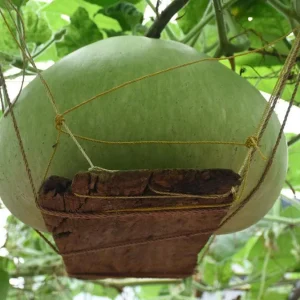
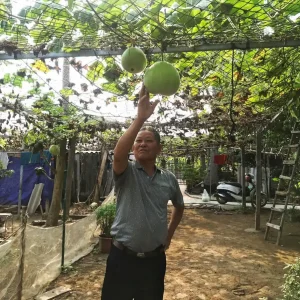
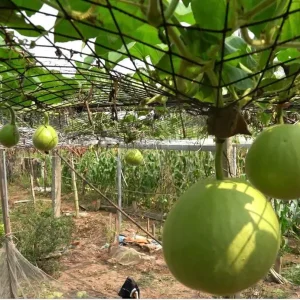

Giant Round Calabash Gourd Seeds – Non-GMO Lagenaria siceraria for Crafts & Culinary
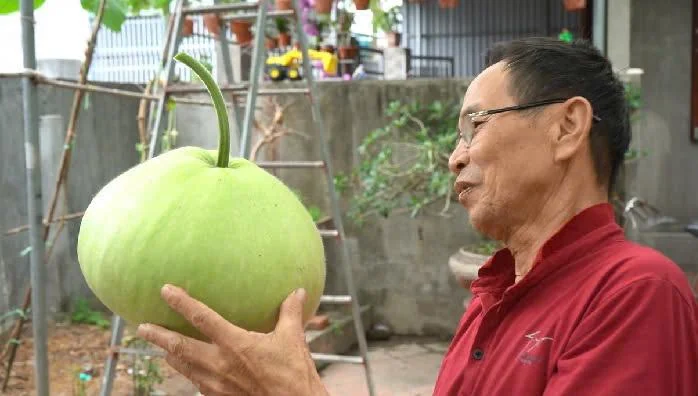
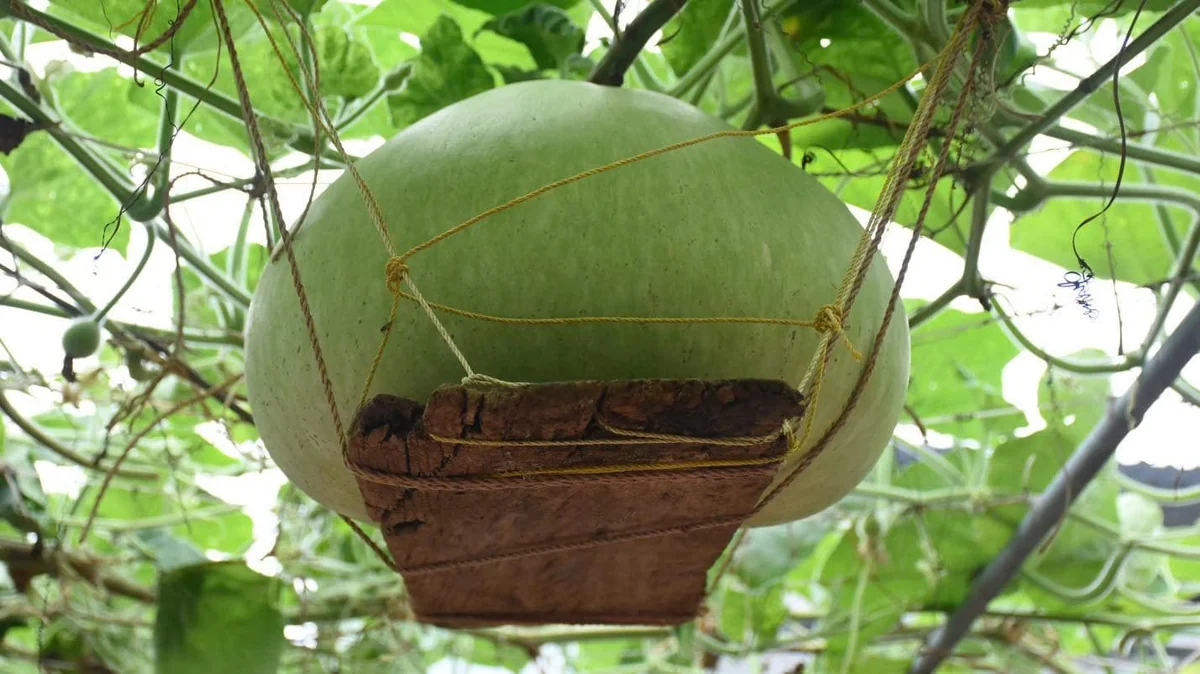
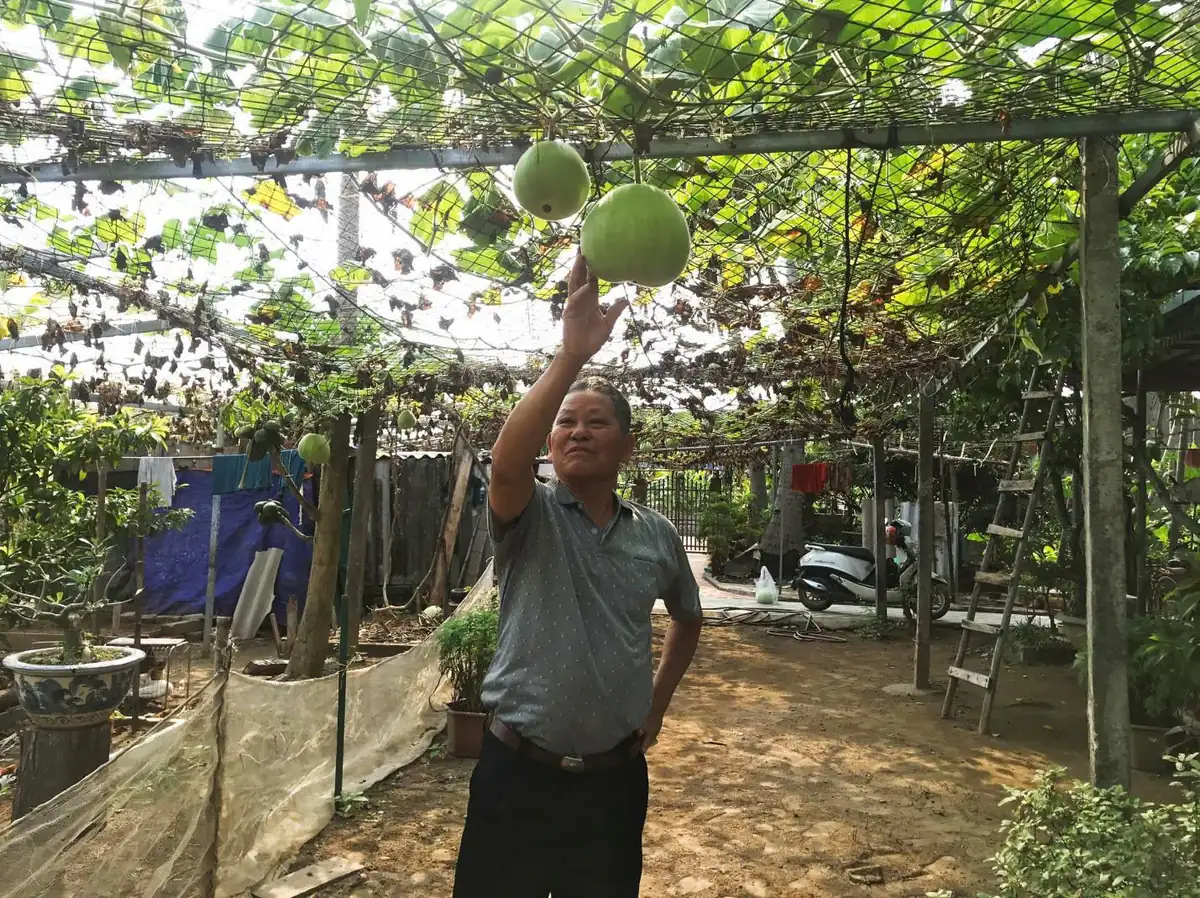
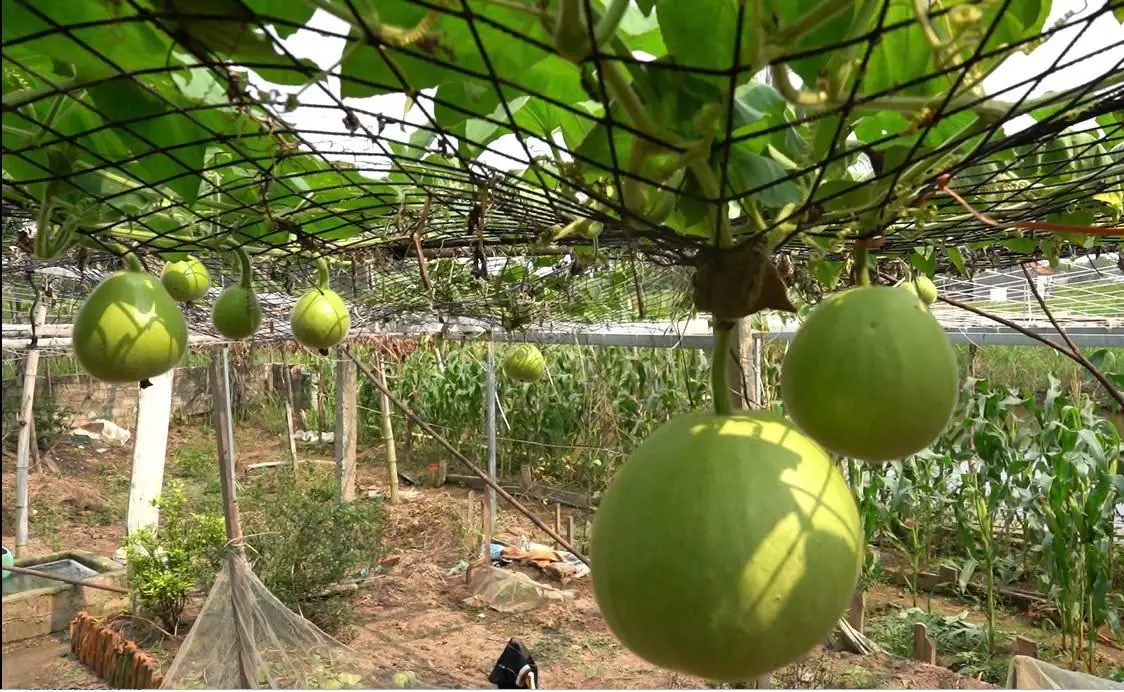
Cultivate versatile giant calabash gourd seeds to grow large, rounded gourds. These non-gmo gourd seeds are ideal for both ornamental crafting and culinary use, offering tender vegetables when young or durable vessels when dried. Perfect for gardeners seeking unique and functional plants.
From Original price was: $6.00.$3.00Current price is: $3.00.

With our Alive & Thrive Guarantee, we’ve got your back for the first 30 days! If you have any concerns about your plants, just reach out to us. Our team is here to help answer your questions and guide you in selecting the best plants for your garden, climate, and unique preferences. We're excited to help you create the garden of your dreams!
Estimated arrival
Apr 03
Apr 08 - Apr 10
Apr 13 - Apr 17


Product Details
-
USDA Hardiness Zone
USDA zones 4-11 (as annuals) -
Soil type
Rich, well-draining soil -
Sunlight Exposure
Full sun (6-8 hours daily) -
Expected Planting Period
Spring, after last frost
Overview
Discover the ancient versatility of giant calabash gourd seeds. These premium non-gmo gourd seeds (Lagenaria siceraria) allow you to cultivate the impressive Giant Round Gourd, a plant celebrated for millennia for its large, distinctive fruits. Whether you’re an avid crafter looking for natural materials or a home chef eager to incorporate unique vegetables into your meals, these seeds provide an exceptional gardening experience. The Giant Round Gourd offers dual functionality; harvest young for tender, edible squash, or allow to mature and dry for durable, artistic gourds perfect for bowls, containers, or even musical instruments. Embrace sustainable gardening with these easy-to-grow seeds that promise abundant yields and endless creative possibilities.
Known also as the Calabash Gourd, this remarkable plant thrives in warm climates and can become a stunning focal point in any garden. Its vigorous vines produce fruits that can reach significant sizes, making them a rewarding project for gardeners of all skill levels. Starting with these lagenaria siceraria seeds ensures you’re planting a heritage variety with proven performance and adaptability.
Key Benefits
Growing your own Giant Round Gourds from these high-quality seeds offers a multitude of benefits, enriching both your garden and your lifestyle. The versatility of the giant calabash gourd seeds is truly unmatched, providing both aesthetic and practical advantages.
- Dual Purpose Cultivation: Enjoy the flexibility of harvesting gourds young for culinary use in soups and stir-fries, or letting them mature for unique crafting projects like bowls, containers, and musical instruments. This makes them incredibly valuable for diverse interests.
- Non-GMO Assurance: Plant with confidence knowing you’re cultivating non-gmo gourd seeds, ensuring a natural and healthy product for your garden and table. This commitment to natural gardening supports both environmental health and personal well-being.
- Ornamental Appeal: The large, rounded fruits and vigorous vines add a striking, tropical aesthetic to your garden landscape, creating an interesting visual display as they grow. They can be trained on trellises for vertical interest.
- Rewarding for Crafters: Once dried, the gourds become hard and durable, offering a natural, sustainable material for various artistic and functional crafts. This provides a creative outlet and unique handmade items.
- Easy to Grow: These seeds are relatively straightforward to cultivate, making them suitable for both experienced gardeners and those new to growing gourds. Detailed instructions on how to grow gourds are provided to ensure success.
- Abundant Harvests: Under optimal conditions, a single plant can produce multiple large gourds, providing a generous supply for your crafting needs or culinary adventures.
- Historical Significance: Grow a plant with thousands of years of history, connecting you to ancient agricultural practices and cultural traditions that utilized these versatile gourds.
Plant Care & Growing Tips
Successfully cultivating your giant calabash gourd seeds requires attention to a few key growing conditions. Starting with proper soil preparation is crucial. Choose a location in your garden that receives full sun, ideally 6-8 hours of direct sunlight daily. The soil should be well-draining and rich in organic matter. Before planting, amend the soil generously with compost or well-rotted manure to provide essential nutrients and improve structure. This will give your lagenaria siceraria seeds the best start possible.
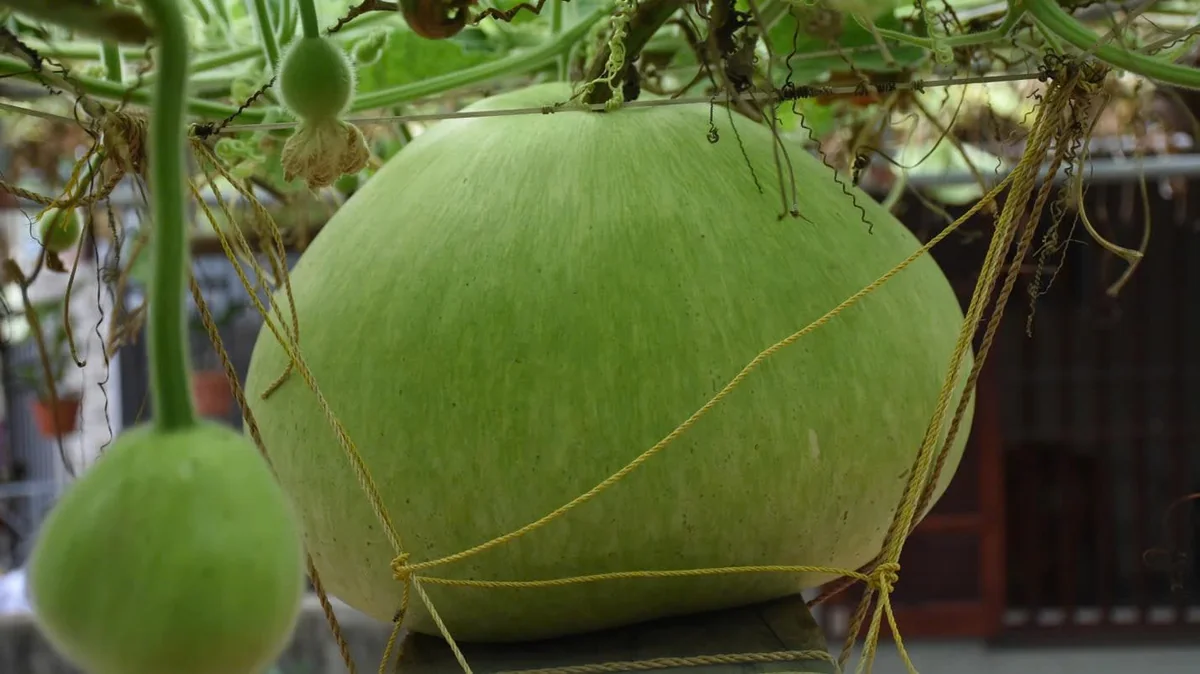
Sow seeds directly into the garden after the last frost, when all danger of cold weather has passed and the soil temperature consistently stays above 65°F (18°C). If you live in a region with a shorter growing season, you can start seeds indoors in pots about 4 weeks before your anticipated transplant date. Plant the seeds approximately 1 inch (2.5 cm) deep, spacing them 12-18 inches apart within the row. Allow ample space between rows, about 4-5 feet, to accommodate the sprawling nature of the vines. Consistent watering is vital, especially during dry spells; keep the soil moist but never waterlogged. Applying a layer of mulch around the plants will help retain soil moisture, suppress weeds, and regulate soil temperature. As the vines grow, consider providing a sturdy trellis or support system. This will keep the developing gourds off the ground, promoting better air circulation, reducing the risk of rot, and encouraging a more uniform shape. Understanding how to grow gourds effectively means paying attention to these details.
Fertilization should occur every 2-3 weeks, using a balanced fertilizer, particularly once the plants begin to flower and set fruit. This extra boost of nutrients will support the vigorous growth and fruit production of your giant calabash gourd seeds. Watch for pests and diseases, addressing them promptly with organic solutions if possible. Harvest young fruits for culinary purposes when they are tender, typically 6-8 inches in diameter. For crafting, allow the gourds to fully mature and dry naturally on the vine until they are hard and lightweight. This process can take several weeks or even months, depending on your climate.
Size & Details
The Giant Round Gourd, grown from these exceptional giant calabash gourd seeds, is renowned for its impressive size and robust growth. The fruits typically grow to be large and rounded, often reaching diameters of 8-12 inches, though some can become even larger under ideal conditions. The vigorous vines can spread extensively, easily covering an area of 10-15 feet, especially when allowed to sprawl. Providing vertical support like a sturdy trellis can help manage growth and promote well-formed gourds. The plants are fast-growing, with fruits typically maturing within 80-100 days from planting. These seeds are shipped in a standard seed packet, containing enough seeds to establish a productive patch in your garden. The final size of the gourds will depend on growing conditions, sunlight, and nutrient availability, but you can expect a substantial harvest from these non-gmo gourd seeds.
Frequently Asked Questions
- Q: How big do these calabash gourds get? A: The gourds grown from these giant calabash gourd seeds typically reach diameters of 8-12 inches, but with optimal growing conditions, they can sometimes grow even larger. Their size makes them excellent for both crafting and culinary uses.
- Q: Is this an indoor or outdoor plant? A: The Giant Round Gourd is primarily an outdoor plant. It requires full sun and warm temperatures to thrive and produce its large fruits. You can start the lagenaria siceraria seeds indoors to get a head start on the growing season.
- Q: Is this plant easy to care for? A: Yes, these gourds are relatively easy to care for, making them suitable for gardeners of various experience levels. They require consistent watering, plenty of sunlight, and fertile soil, along with support for the vines. Following instructions on how to grow gourds will ensure success.
- Q: How long until the gourds are ready for harvest? A: For culinary use, young gourds can be harvested when they are tender, typically 6-8 inches in diameter, about 60-70 days after planting. For crafting, allow them to fully mature and dry on the vine, which can take 80-100 days or longer.
- Q: Can I use these gourds for crafting? A: Absolutely! These giant calabash gourd seeds are perfect for growing gourds specifically for crafting. Once dried, they become hard and durable, ideal for making bowls, containers, musical instruments, or decorative pieces.
- Q: What’s the best time to plant these seeds? A: The best time to plant these non-gmo gourd seeds is after the last frost in spring, when soil temperatures are consistently above 65°F (18°C). You can start them indoors about 4 weeks prior in cooler climates.
- Q: Do these gourds need a lot of water? A: Yes, Giant Round Gourds need consistent moisture, especially during flowering and fruiting. Keep the soil moist but ensure it’s well-draining to prevent waterlogging, which can harm the roots.
- Q: What kind of soil do these gourds prefer? A: They prefer rich, well-draining soil that has been amended with plenty of organic matter like compost or well-rotted manure. This provides the nutrients needed for their vigorous growth.
- Q: Are these seeds non-GMO? A: Yes, these are non-gmo gourd seeds, ensuring you are planting a natural and unaltered variety.
- Q: Will these gourds survive in my climate? A: Giant Round Gourds thrive in warm climates and are sensitive to frost. They are best suited for USDA zones 4-11 when planted as annuals after the last frost, or in warmer zones where the growing season is long.
| Seeds | 10+, 100+, 25+, 250+, 5+, 50+, 500+ |
|---|
Related products
-48%
Original price was: $28.99.$14.99Current price is: $14.99.
-50%
Original price was: $15.96.$7.98Current price is: $7.98.
-50%

Original price was: $11.00.$5.50Current price is: $5.50.
-48%
Original price was: $28.99.$14.99Current price is: $14.99.
-50%
Original price was: $51.96.$25.98Current price is: $25.98.
-50%
Original price was: $15.00.$7.50Current price is: $7.50.
-50%

Original price was: $19.96.$9.98Current price is: $9.98.
PLANTING & CARE
Growing Glencoe Raspberry: A Complete Guide for Gardeners
If you’re looking to add something unique to your garden, look no further than the
31
Mar
Mar

The Comprehensive Guide to Growing Bay Leaf Plants for a Flavorful Garden
Imagine stepping into your garden, greeted by the earthy aroma of fresh bay leaves, their
09
Feb
Feb

How to Make Comfrey Tea: The Ultimate Organic Plant Food
Growing an organic garden can be surprisingly expensive, especially when most store-bought fertilizers come in
02
Feb
Feb

True Comfrey: 7 Essential Tips Before You Plant This Herb
A staple in permaculture practices across the US, True Comfrey easily earns its reputation as
27
Jan
Jan

7 Heart-Shaped Plants for a Lasting Valentine’s Gift
If you’ve ever bought a bouquet of roses for Valentine’s Day, you know they are
26
Jan
Jan

Best Types of Ivy Plant for Houses: How to Choose the Perfect Ones for Your Home
Are you a garden lover looking to introduce some greenery into your home? Maybe you’ve
14
Nov
Nov

When to Harvest Garlic (Especially Fall-Planted Garlic)
TIMING IS EVERYTHING, they say – and for garlic, that truth hits with surprising accuracy.
13
Nov
Nov

11 of the Best Sweet Potato Varieties to Grow for Your Garden
If you’ve ever tried growing sweet potatoes, you know that picking the right variety can
12
Nov
Nov