Ginger Roots Live Plant Set of 2, 4-8 Inch Tall Herb Plant for Planting
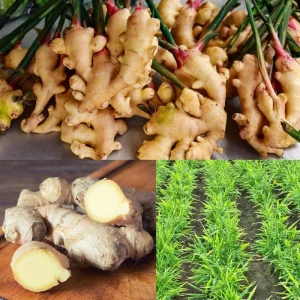
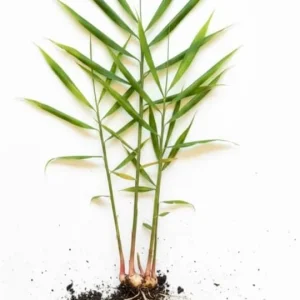
Ginger Roots Live Plant Set of 2, 4-8 Inch Tall Herb Plant for Planting
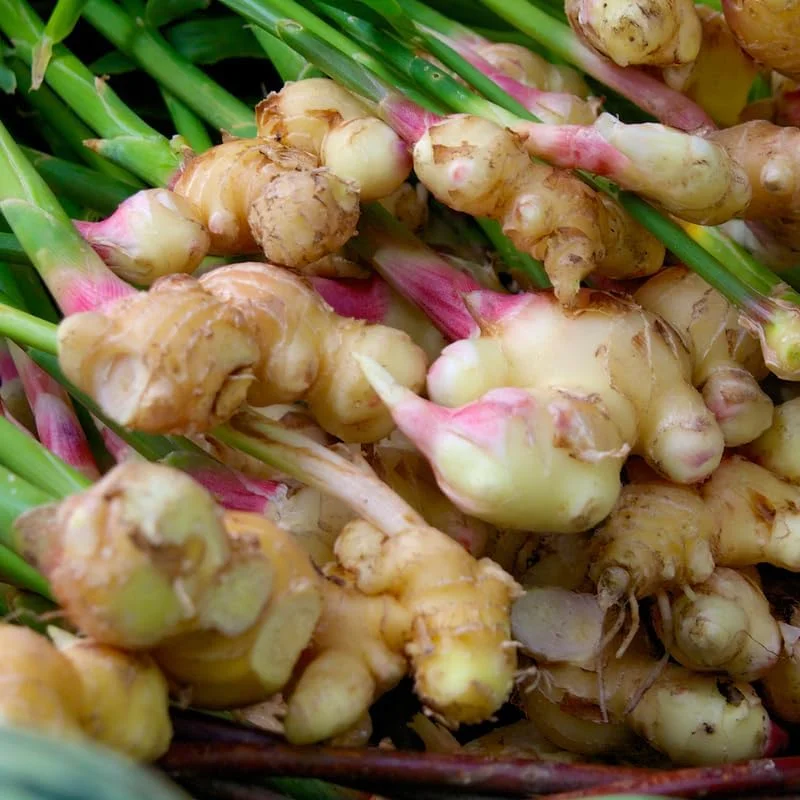
Cultivate your own culinary herbs with this set of ginger roots live plant. Each set includes two vigorous ginger plants, 4-8 inches tall, ready for planting. Enjoy the fresh, zesty flavor of homegrown ginger in your cooking.
$28.99

With our Alive & Thrive Guarantee, we’ve got your back for the first 30 days! If you have any concerns about your plants, just reach out to us. Our team is here to help answer your questions and guide you in selecting the best plants for your garden, climate, and unique preferences. We're excited to help you create the garden of your dreams!
Estimated arrival
Apr 04
Apr 09 - Apr 11
Apr 14 - Apr 18
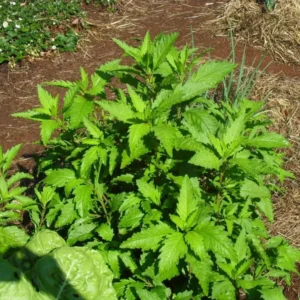
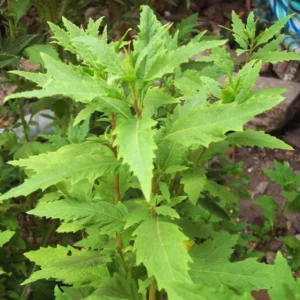
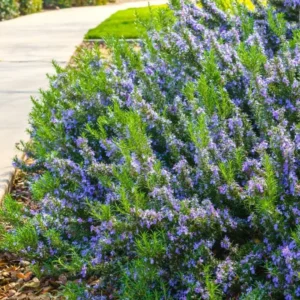
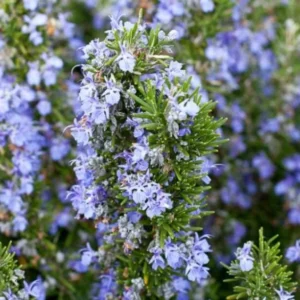
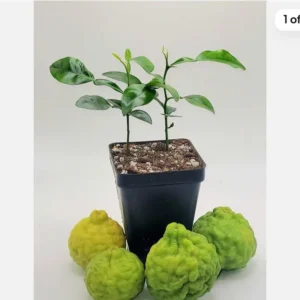
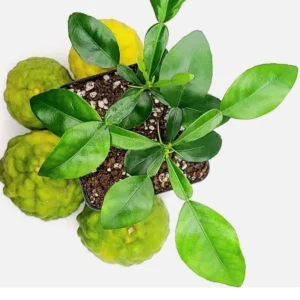
Product Details
-
USDA Hardiness Zone
USDA Zones 9-12 -
Soil type
Well-draining soil -
Sunlight Exposure
Partial shade to bright indirect light -
Expected Planting Period
Year-round indoors or spring to summer outdoors
Overview
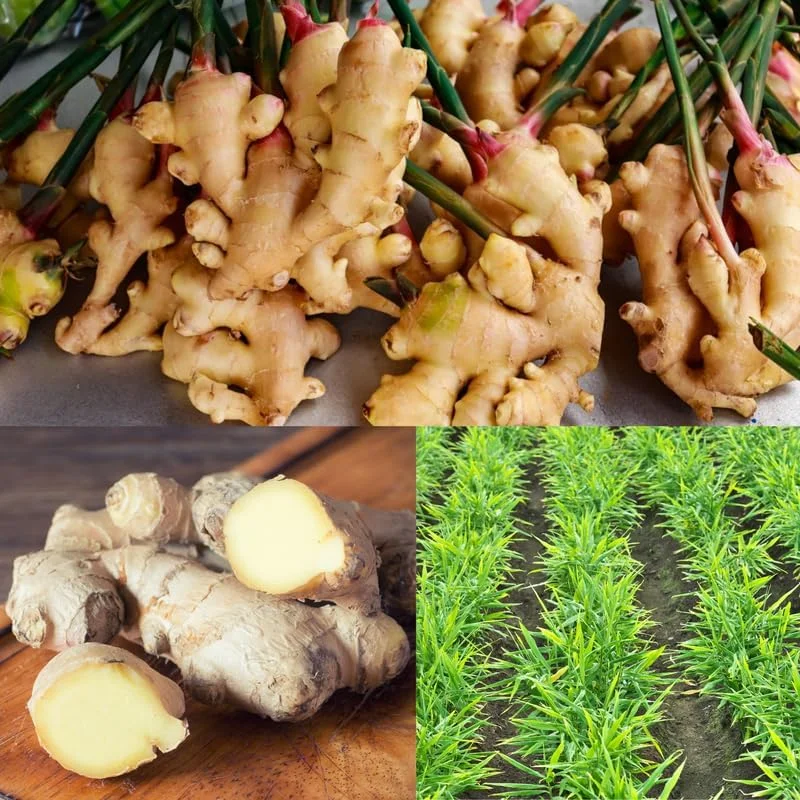
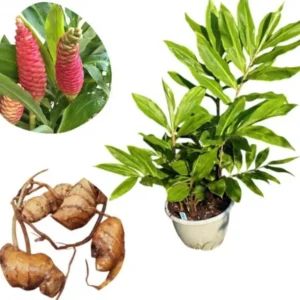
Embark on a rewarding gardening journey with our ginger roots live plant set. This offering includes two robust ginger plants, each standing between 4 to 8 inches tall, perfect for immediate planting. Ginger, scientifically known as Zingiber officinale, is a widely popular herb plant revered globally for its distinctive aroma, pungent flavor, and numerous health benefits. These live plants provide a significant advantage over starting from ginger rhizomes found in grocery stores, as they are already sprouted and actively growing, ensuring a higher success rate for gardeners. Whether you’re a seasoned gardener or a curious beginner, growing your own fresh ginger is an incredibly satisfying experience that brings both ornamental beauty and culinary versatility to your home or garden. Our ginger plant for planting is specifically selected for its vigor and readiness to thrive in a suitable environment, making it an excellent addition to any herb collection.
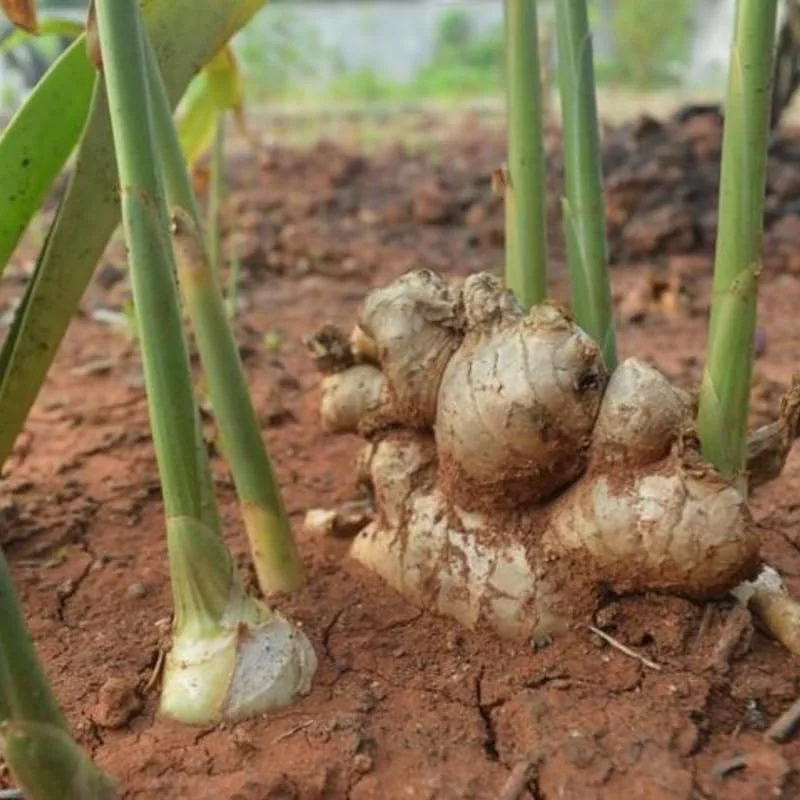
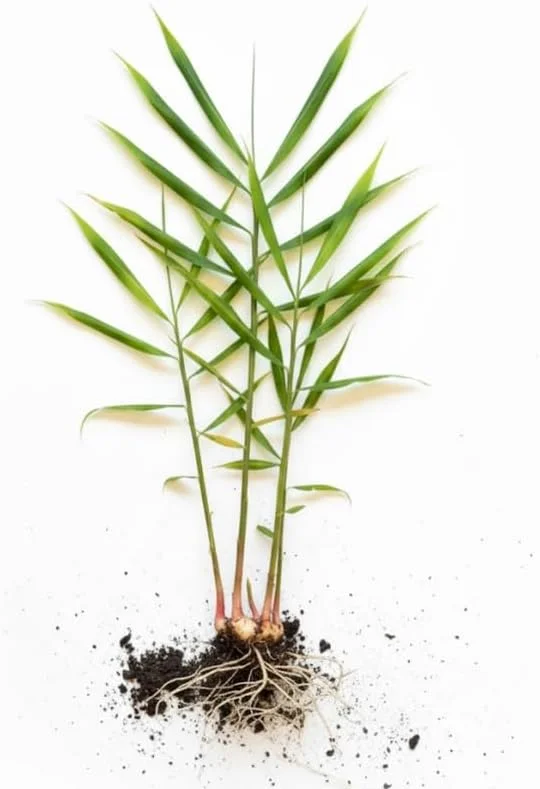
The ginger plant is characterized by its long, slender leaves and subtle, attractive foliage, making it a pleasant visual addition to patios, garden beds, or indoor containers. Its underground rhizome, the part we commonly refer to as ginger root, is the star of the show. This edible rhizome is a staple in various cuisines and herbal remedies. Opting to grow fresh ginger at home means you’ll have a continuous supply of this aromatic spice, free from pesticides and picked at its peak freshness. This set is ideal for those looking to enhance their culinary adventures or explore the world of herbal gardening with a plant that offers both beauty and utility.
Key Benefits
Our live ginger plants offer a multitude of benefits, from culinary convenience to personal well-being, making them a fantastic choice for any home garden or kitchen. Cultivating your own ginger provides a unique connection to your food and a fresh supply of this amazing herb.
- Fresh Culinary Ingredient: Harvest fresh ginger directly from your garden whenever needed. Homegrown ginger has a more vibrant flavor and aroma compared to store-bought varieties, enhancing your cooking, beverages, and desserts.
- Ornamental Appeal: The lush, green foliage of the ginger plant adds a tropical touch to any setting. It’s an attractive plant that can be grown in decorative pots indoors or as part of a vibrant outdoor garden display.
- Medicinal Properties: Ginger is renowned for its traditional medicinal uses, including aiding digestion, reducing nausea, and possessing anti-inflammatory properties. Having a fresh supply allows you to tap into these benefits conveniently.
- Easy to Grow: Despite its exotic origins, the ginger herb plant is surprisingly easy to cultivate, especially when starting with a healthy live plant. It adapts well to various growing conditions with proper care.
- Sustainable & Organic: By growing your own ginger, you control the growing conditions, ensuring it’s free from unwanted chemicals and pesticides. It’s a sustainable way to enjoy organic produce.
- Versatile Planting Options: This ginger plant thrives in containers, allowing you to grow it on a patio, balcony, or even indoors next to a sunny window, making it accessible even in smaller living spaces.
- Educational Experience: Growing ginger from a live plant offers a wonderful educational opportunity for both adults and children to learn about plant growth, cultivation, and sustainable living.
Plant Care & Growing Tips
Caring for your ginger roots live plant is straightforward, ensuring a bountiful harvest with just a little attention. Ginger thrives in warm, humid environments, mimicking its tropical origins. For optimal growth, provide partial shade; while it can tolerate some direct morning sun, it prefers protection from intense afternoon rays. If growing indoors, a bright window with indirect light is ideal. When it comes to watering, consistency is key. Keep the soil consistently moist but never waterlogged. Allow the top inch of soil to dry out slightly between waterings, especially in cooler temperatures, to prevent root rot. Good drainage is crucial for ginger plants.
The ideal soil type for ginger is rich, loose, and well-draining. A high-quality potting mix amended with compost or well-rotted manure will provide the necessary nutrients and aeration. Aim for a slightly acidic to neutral pH (6.0-7.0). Ginger is a heavy feeder, so regular fertilization during the growing season (spring through fall) is beneficial. Use a balanced liquid fertilizer every 2-4 weeks, or incorporate slow-release granules into the soil. For those looking to grow fresh ginger, remember that these plants are sensitive to cold. They are best suited for USDA Zones 9-12 for outdoor planting, where they can be perennial. In colder climates, they must be brought indoors before the first frost or grown as annuals, harvested before winter. Protect young plants from strong winds which can damage their delicate leaves. Monitoring for common pests like spider mites and mealybugs is advisable, especially in indoor environments, and treating them promptly with organic insecticidal soap if spotted.
Size & Details
This product includes a set of two ginger roots live plant specimens, each measuring approximately 4 to 8 inches in height from the base of the plant to the tip of its tallest leaf. These plants are shipped without a pot, as bare roots or with minimal soil around the root ball, carefully packaged to ensure their health during transit. This method allows for easier transplanting into your preferred container or garden bed upon arrival. While ginger can grow quite tall, reaching up to 3-4 feet in ideal conditions, the focus is on the underground rhizome development. Expect to harvest your first ginger rhizomes approximately 8-10 months after planting, once the foliage begins to yellow and die back. The plants will continue to produce more rhizomes over time if grown as perennials in suitable climates. They have a moderate growth rate, establishing themselves well within a few weeks of planting and then steadily expanding their root system.
Frequently Asked Questions
- Q: How big does this ginger plant get? A: The foliage of the ginger herb plant can reach heights of 3-4 feet, while the edible rhizomes develop underground. The plants you receive are 4-8 inches tall and will continue to grow once planted.
- Q: Is this an indoor or outdoor plant? A: This ginger plant is versatile. It can be grown outdoors in USDA Zones 9-12. In colder climates, it is best grown in containers and brought indoors during winter, or cultivated as an annual.
- Q: How much sunlight does it need? A: Ginger prefers partial shade, especially protection from hot afternoon sun. If growing indoors, place it in a bright location with indirect light.
- Q: Is this plant easy to care for? A: Yes, the ginger plant care is relatively easy, especially when starting with a live plant. The main requirements are consistent moisture, well-draining soil, and warmth.
- Q: What condition will the ginger roots live plant arrive in? A: Your ginger plants will arrive as healthy, actively growing live plants, typically as bare roots or with a small amount of soil, carefully packaged for safe transit.
- Q: Can I use this ginger for cooking? A: Absolutely! These are culinary ginger plants. Once harvested, you can use the fresh ginger in all your favorite recipes, just like store-bought ginger. This is a great way to grow fresh ginger.
- Q: How long until I can harvest the ginger? A: You can typically start harvesting ginger rhizomes approximately 8-10 months after planting. The best time to harvest is when the foliage begins to yellow and die back.
- Q: What’s the minimum temperature this plant can tolerate? A: Ginger is sensitive to cold and prefers temperatures above 50°F (10°C). It will not survive frost, so bring it indoors or protect it if temperatures drop.
- Q: What kind of soil is best for planting ginger? A: Ginger thrives in rich, loose, and well-draining soil. A good quality potting mix amended with compost works very well.
- Q: Is this ginger plant safe for pets? A: While ginger is generally considered safe for humans in culinary amounts, its safety for pets can vary. It’s always best to consult with a veterinarian regarding specific concerns for your animals.
Related products
-50%
Original price was: $79.96.$39.98Current price is: $39.98.
-30%
Original price was: $67.98.$47.58Current price is: $47.58.
-50%
Original price was: $15.96.$7.98Current price is: $7.98.
-50%
Original price was: $53.98.$26.99Current price is: $26.99.
-50%
Original price was: $47.96.$23.98Current price is: $23.98.
-50%
Original price was: $27.96.$13.98Current price is: $13.98.
-30%
Original price was: $59.98.$41.98Current price is: $41.98.
-67%
From Original price was: $35.22.$11.74Current price is: $11.74.
PLANTING & CARE

Growing Glencoe Raspberry: A Complete Guide for Gardeners
If you’re looking to add something unique to your garden, look no further than the
31
Mar
Mar

The Comprehensive Guide to Growing Bay Leaf Plants for a Flavorful Garden
Imagine stepping into your garden, greeted by the earthy aroma of fresh bay leaves, their
09
Feb
Feb

How to Make Comfrey Tea: The Ultimate Organic Plant Food
Growing an organic garden can be surprisingly expensive, especially when most store-bought fertilizers come in
02
Feb
Feb

True Comfrey: 7 Essential Tips Before You Plant This Herb
A staple in permaculture practices across the US, True Comfrey easily earns its reputation as
27
Jan
Jan

7 Heart-Shaped Plants for a Lasting Valentine’s Gift
If you’ve ever bought a bouquet of roses for Valentine’s Day, you know they are
26
Jan
Jan

Best Types of Ivy Plant for Houses: How to Choose the Perfect Ones for Your Home
Are you a garden lover looking to introduce some greenery into your home? Maybe you’ve
14
Nov
Nov

When to Harvest Garlic (Especially Fall-Planted Garlic)
TIMING IS EVERYTHING, they say – and for garlic, that truth hits with surprising accuracy.
13
Nov
Nov

11 of the Best Sweet Potato Varieties to Grow for Your Garden
If you’ve ever tried growing sweet potatoes, you know that picking the right variety can
12
Nov
Nov