Ginkgo Tree Live Plant – Quart Pot – Hardy Outdoor Ornamental with Golden Fall Foliage
-50%
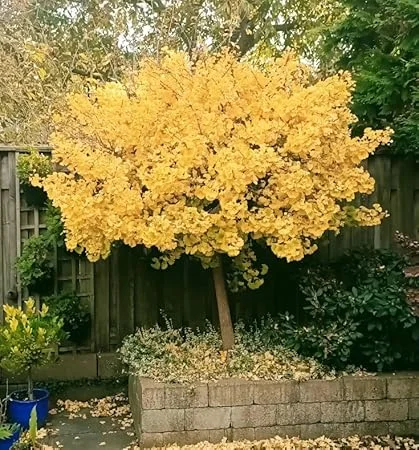
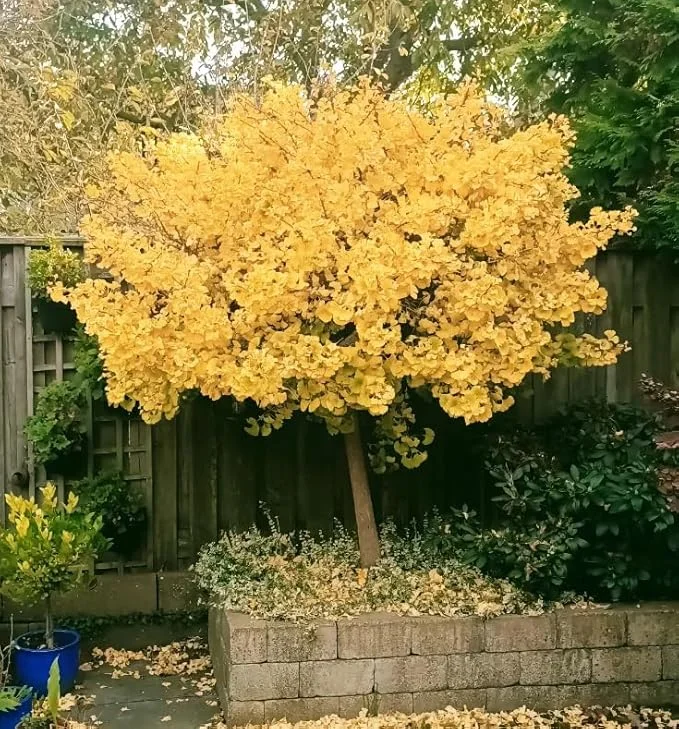
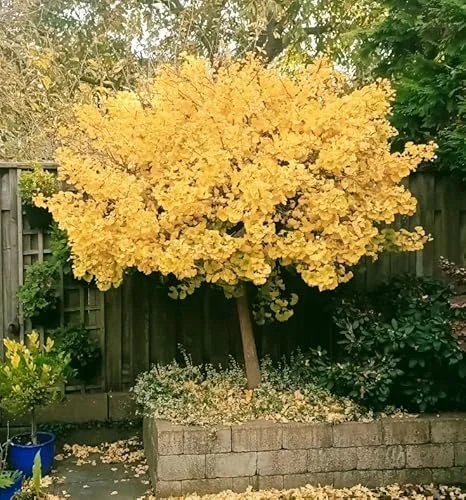
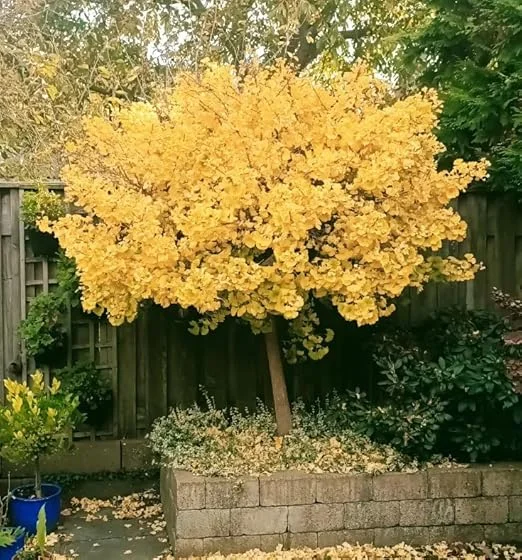
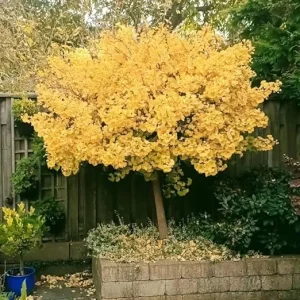
Ginkgo Tree Live Plant – Quart Pot – Hardy Outdoor Ornamental with Golden Fall Foliage
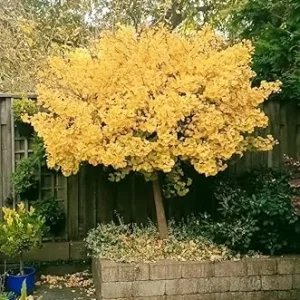
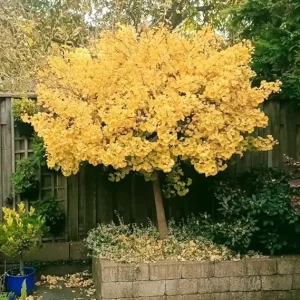
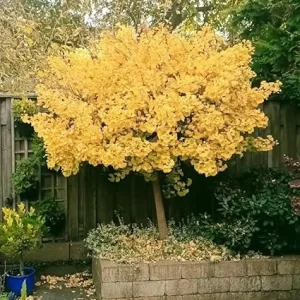
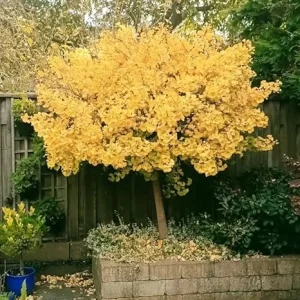
Bring timeless beauty to your landscape with this ginkgo tree live plant in a quart pot. Known for its distinctive fan-shaped leaves and brilliant golden fall foliage tree, this hardy outdoor ornamental is a true living fossil that thrives in various conditions.
Original price was: $51.98.$25.99Current price is: $25.99.

With our Alive & Thrive Guarantee, we’ve got your back for the first 30 days! If you have any concerns about your plants, just reach out to us. Our team is here to help answer your questions and guide you in selecting the best plants for your garden, climate, and unique preferences. We're excited to help you create the garden of your dreams!
Estimated arrival
Apr 13
Apr 18 - Apr 20
Apr 23 - Apr 27

Product Details
-
USDA Hardiness Zone
4–9 -
Soil type
Well drained soil -
Sunlight Exposure
Full sun -
Expected Planting Period
Spring to early summer
Overview
Introduce a piece of living history to your garden with this magnificent ginkgo tree live plant. Revered for its unique fan-shaped leaves and stunning seasonal display, the Ginkgo Biloba is one of the oldest living tree species on Earth. This particular specimen comes in a quart pot, ready to be planted and establish itself in your outdoor space. As a hardy ornamental tree, it’s known for its incredible adaptability and resilience, making it a perfect choice for both novice and experienced gardeners. Its vibrant golden fall foliage creates a breathtaking spectacle, transforming your landscape into a canvas of brilliant autumnal hues. This iconic tree is not just a plant; it’s a statement, offering both beauty and a connection to ancient botanical heritage.
The ginkgo biloba tree, often called the maidenhair tree, is a deciduous tree native to China. It is the only living species in the division Ginkgophyta, all others being extinct. It has various uses in traditional medicine and as a food source. However, its primary appeal in modern landscaping is its aesthetic value and incredible hardiness. This ginkgo tree live plant is prepared to grace your garden with its distinctive charm, providing shade and visual interest for decades to come.
Key Benefits
Adding a ginkgo tree live plant to your landscape offers a multitude of advantages, enhancing both the aesthetic and ecological value of your property. Its unique characteristics make it a standout choice for various garden designs.
- Stunning Golden Fall Foliage: The most striking feature of the ginkgo is its spectacular autumn display. Its fan-shaped leaves turn a brilliant, uniform golden yellow, creating an unforgettable visual impact that lights up the landscape. This golden fall foliage tree ensures a vibrant end to the growing season.
- Exceptional Hardiness: Ginkgo trees are renowned for their incredible resilience. They are highly tolerant of urban pollution, drought, and a wide range of soil conditions, making them an ideal choice for challenging environments and ensuring a long, healthy life for your hardy outdoor tree.
- Low Maintenance: Once established, ginkgo trees require minimal care. They are generally pest and disease-resistant, reducing the need for constant attention and chemical treatments, allowing you more time to enjoy its beauty.
- Unique Leaf Structure: The distinctive fan-shaped leaves are unlike any other, providing year-round architectural interest even when green. This unique characteristic makes the ornamental ginkgo tree a conversation starter and a focal point in any garden.
- Long Lifespan: Ginkgo trees are known to live for thousands of years, earning them the title of a ‘living fossil.’ Planting one is an investment in your landscape that will provide beauty and shade for generations to come.
- Adaptable to Various Climates: Thriving in USDA Zones 4-9, this tree can adapt to a broad spectrum of climates, from colder northern regions to warmer southern areas, making it a versatile addition to many gardens.
- Environmental Benefits: Like all trees, the ginkgo contributes to air purification, provides shade, and supports local ecosystems, enhancing the overall health and sustainability of your outdoor space.
Plant Care & Growing Tips
Caring for your ginkgo tree live plant is relatively straightforward, thanks to its robust nature. To ensure optimal growth and health, understanding its basic needs will allow it to flourish and display its full glory, especially its spectacular golden fall foliage tree.
Sunlight Requirements: The ginkgo biloba tree thrives in full sun, meaning it needs at least 6 hours of direct sunlight per day. While it can tolerate partial sun, its growth may be slower, and the fall color might not be as intense. When choosing a planting location, ensure it receives ample sunlight throughout the day for the best results and a vibrant display. This hardy outdoor tree is well-suited for open, sunny spots in your garden.
Watering Schedule and Soil Moisture: During its establishment phase (the first 1-2 years after planting), moderate watering is crucial. Water regularly, ensuring the soil remains consistently moist but not waterlogged. Once established, ginkgo trees are quite drought-tolerant and will only require occasional deep watering during prolonged dry spells. Always check the soil moisture before watering; the top few inches should feel dry. Proper drainage is key to preventing root rot.
Soil Type and Drainage: Ginkgo trees are highly adaptable to various soil types but prefer well-drained soil. They can tolerate sandy, loamy, or clay soils, as long as they don’t retain too much water. If your soil is heavy clay, amending it with organic matter like compost can improve drainage. The ideal pH range is slightly acidic to neutral. Good drainage is paramount for the health of your ornamental ginkgo tree.
Temperature Range and USDA Hardiness Zone: This ginkgo tree live plant is remarkably cold-hardy, thriving in USDA Hardiness Zones 4 through 9. It can withstand significant winter dormancy, shedding its leaves and entering a period of rest. It tolerates a wide range of temperatures, from cold winters to hot summers, making it suitable for many climates across the US. Protect young trees from extreme winter winds in the colder zones.
Fertilization: Generally, ginkgo trees do not require heavy fertilization. During the first few years, a balanced, slow-release granular fertilizer applied in early spring can help encourage vigorous growth. Once established, they can often thrive without additional feeding, especially if planted in fertile soil. Avoid over-fertilizing, as this can lead to excessive leafy growth at the expense of root development.
Common Problems and Solutions: Ginkgo trees are highly resistant to most pests and diseases, which is one of their major appeals. Occasionally, young trees might be susceptible to common issues like aphids, but these are rarely severe enough to cause significant damage. Ensure proper watering and drainage to prevent fungal issues. Yellowing leaves can sometimes indicate overwatering or nutrient deficiency, so check soil conditions.
Size & Details
This ginkgo tree live plant is provided in a quart pot, offering a healthy start for your landscape. While it arrives in a manageable size, typically around 6-10 inches tall in its pot, it has the potential to become a majestic presence in your garden. In-ground, a mature ginkgo biloba tree can reach an impressive height of 40–60 feet, with a spread of 30-40 feet, developing a broad, pyramidal to irregular crown over time. Its growth rate is moderate, adding about 1-2 feet per year once established.
The tree will ship as a dormant plant in winter, which is perfectly normal and healthy for deciduous trees. Once planted in suitable conditions, it will break dormancy and begin to leaf out in spring. The distinctive fan-shaped leaves will emerge, followed by the stunning transformation into golden fall foliage tree as autumn approaches. This hardy outdoor tree is a long-term investment, providing beauty and shade for generations.
Frequently Asked Questions
- Q: How big does this ginkgo tree live plant get? A: In a quart pot, the plant is typically young, around 6-10 inches tall. Once planted in the ground, a mature ginkgo tree can reach an impressive height of 40–60 feet and a spread of 30-40 feet, depending on conditions.
- Q: What size pot does it come in? A: This ginkgo tree live plant is provided in a quart-sized pot, offering a healthy root system ready for transplanting into your garden or a larger container.
- Q: Is this an indoor or outdoor plant? A: The ginkgo tree is primarily an outdoor plant. It requires a period of dormancy during winter and needs significant space to grow to its mature size. It is a true hardy outdoor tree.
- Q: How much sunlight does it need? A: For optimal growth and the best fall color, a ginkgo tree needs full sun exposure, which means at least 6 hours of direct sunlight per day. It can tolerate partial sun but may not grow as vigorously.
- Q: Is this plant easy to care for? A: Yes, ginkgo trees are known for their resilience and low maintenance once established. They are very adaptable to different soil types and urban conditions, making them an excellent choice for beginners.
- Q: What condition will it arrive in? A: During the winter months, your ginkgo tree live plant will arrive dormant, which is a natural and healthy state for deciduous trees. It will leaf out in the spring. During warmer months, it will arrive with foliage.
- Q: When is the best time to plant a ginkgo tree? A: The best time to plant a ginkgo tree is in early spring or early fall. This allows the tree to establish its root system before the stress of extreme summer heat or winter cold.
- Q: Will it survive winter in my zone? A: Yes, the ginkgo biloba tree is incredibly hardy and thrives in USDA Zones 4-9. It is well-adapted to survive cold winters, entering a dormant period and then re-emerging in spring.
- Q: How long until it shows its golden fall foliage tree color? A: The ginkgo tree will begin to show its spectacular golden fall foliage in its first autumn after planting, provided it has had a good growing season and sufficient sunlight. The intensity of the color may increase as the tree matures.
- Q: Is this tree resistant to pests and diseases? A: Yes, one of the significant advantages of the ginkgo tree is its strong resistance to most common pests and diseases, making it a very robust and long-lived addition to your landscape.
Related products
-10%
Original price was: $23.99.$21.59Current price is: $21.59.
-20%
Original price was: $36.00.$28.80Current price is: $28.80.
PLANTING & CARE
Growing Glencoe Raspberry: A Complete Guide for Gardeners
If you’re looking to add something unique to your garden, look no further than the
31
Mar
Mar

The Comprehensive Guide to Growing Bay Leaf Plants for a Flavorful Garden
Imagine stepping into your garden, greeted by the earthy aroma of fresh bay leaves, their
09
Feb
Feb

How to Make Comfrey Tea: The Ultimate Organic Plant Food
Growing an organic garden can be surprisingly expensive, especially when most store-bought fertilizers come in
02
Feb
Feb

True Comfrey: 7 Essential Tips Before You Plant This Herb
A staple in permaculture practices across the US, True Comfrey easily earns its reputation as
27
Jan
Jan

7 Heart-Shaped Plants for a Lasting Valentine’s Gift
If you’ve ever bought a bouquet of roses for Valentine’s Day, you know they are
26
Jan
Jan

Best Types of Ivy Plant for Houses: How to Choose the Perfect Ones for Your Home
Are you a garden lover looking to introduce some greenery into your home? Maybe you’ve
14
Nov
Nov

When to Harvest Garlic (Especially Fall-Planted Garlic)
TIMING IS EVERYTHING, they say – and for garlic, that truth hits with surprising accuracy.
13
Nov
Nov

11 of the Best Sweet Potato Varieties to Grow for Your Garden
If you’ve ever tried growing sweet potatoes, you know that picking the right variety can
12
Nov
Nov