Grand Duke of Tuscany Jasmine Live Plant, 5-7 Inch Tall, Fragrant Flowers
-50%
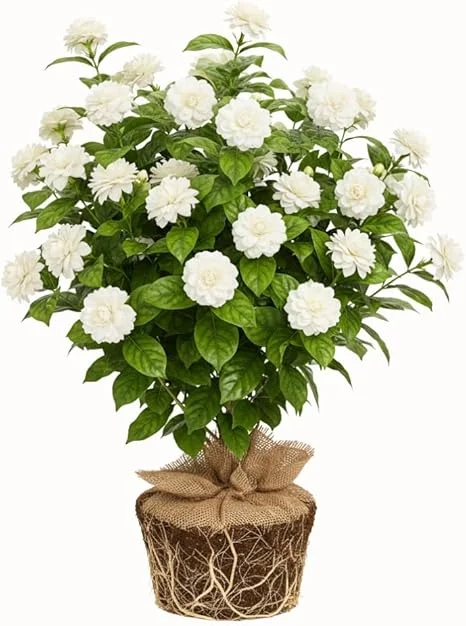
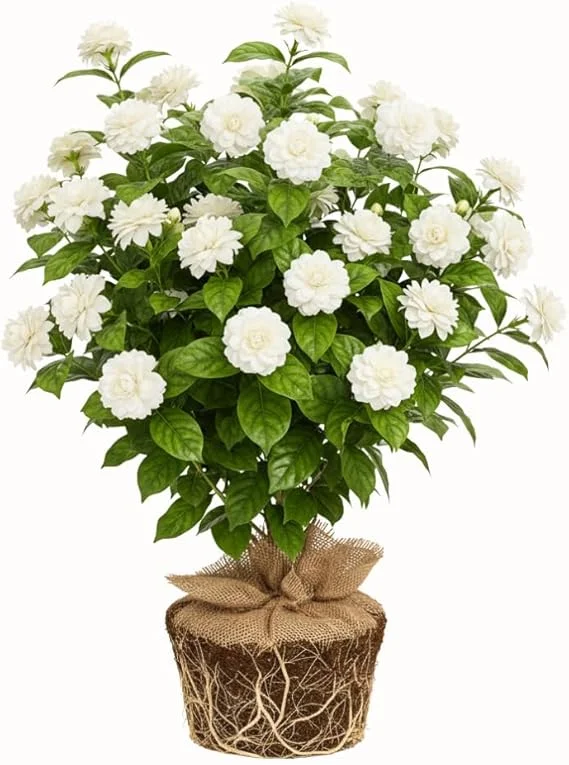
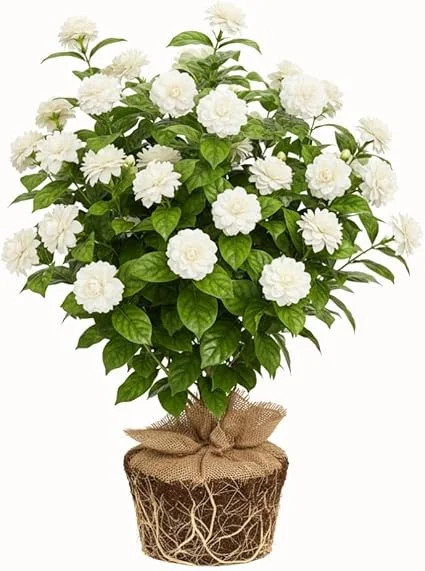
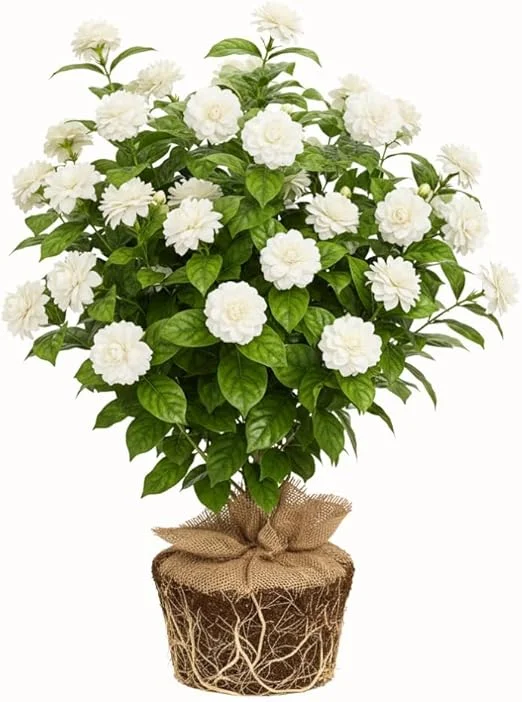
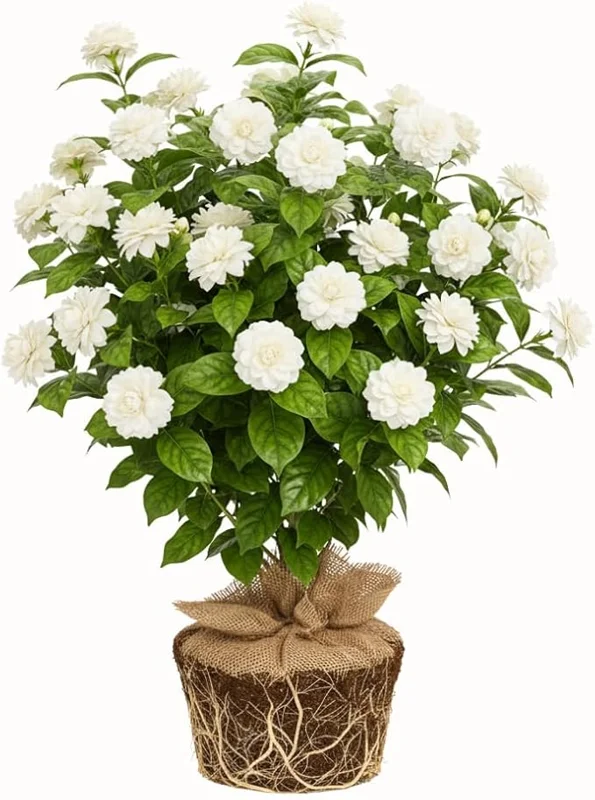
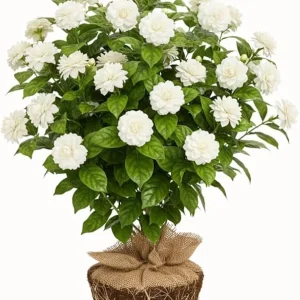
Grand Duke of Tuscany Jasmine Live Plant, 5-7 Inch Tall, Fragrant Flowers
Bring home the enchanting Grand Duke of Tuscany Jasmine live plant, standing 5-7 inches tall. Known for its intensely fragrant, double white flowers, this beautiful plant is an easy-to-grow addition that will fill your garden or patio with a sweet, captivating scent. Perfect for adding elegance and a delightful aroma to your outdoor space.
Original price was: $49.98.$24.99Current price is: $24.99.

With our Alive & Thrive Guarantee, we’ve got your back for the first 30 days! If you have any concerns about your plants, just reach out to us. Our team is here to help answer your questions and guide you in selecting the best plants for your garden, climate, and unique preferences. We're excited to help you create the garden of your dreams!
Estimated arrival
Mar 23
Mar 28 - Mar 30
Apr 02 - Apr 06
Product Details
-
USDA Hardiness Zone
USDA Zones 9-11 (or indoor cultivation) -
Soil type
Well-draining, fertile sandy loam -
Sunlight Exposure
Full sun to partial shade -
Expected Planting Period
Year-round indoors; Spring to early summer outdoors
Overview
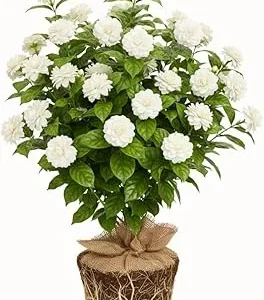
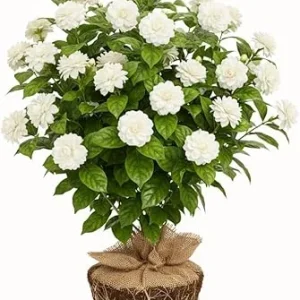
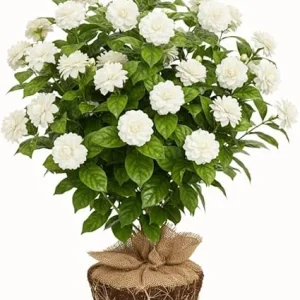
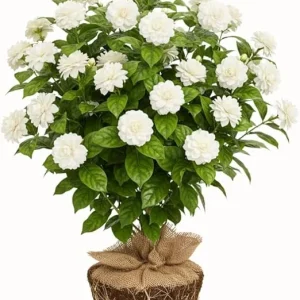
Welcome the exquisite Grand Duke of Tuscany Jasmine live plant into your home or garden. This highly coveted variety of jasmine is celebrated for its stunning, multi-petaled white flowers that emit an exceptionally rich, sweet fragrance. Unlike single-petaled jasmines, the ‘Grand Duke’ boasts a rose-like appearance, making it a true showstopper. Growing to a charming 5-7 inches tall upon arrival, this live plant is ready to be nurtured into a beautiful mature specimen. It’s an ideal choice for those seeking a highly fragrant and visually appealing flowering plant, perfect for enhancing patios, balconies, or garden beds.
The Grand Duke of Tuscany Jasmine live plant, scientifically known as Jasminum sambac ‘Grand Duke of Tuscany’, is a cultivar of the Arabian Jasmine. It’s renowned for its continuous blooming throughout warmer months, providing a persistent source of its intoxicating perfume. This particular variety is cherished for its vigorous growth and relatively easy care, making it suitable for both novice and experienced gardeners who desire a touch of tropical elegance and an unforgettable aroma.
This fragrant jasmine plant is more than just a beautiful bloom; it’s an experience for the senses. Its lush green foliage provides a perfect backdrop for the pristine white, double flowers that emerge in clusters. Whether you’re looking to create a fragrant focal point or add a touch of romance to your outdoor living space, the Grand Duke of Tuscany Jasmine is an exceptional choice. Its compact size when young allows for versatile placement, and with proper care, it will flourish into a magnificent, aromatic display.
Key Benefits
The Grand Duke of Tuscany Jasmine live plant offers a multitude of benefits, making it a highly desirable addition to any plant collection or garden. Its unique characteristics contribute to both aesthetic appeal and sensory pleasure, enriching your environment in numerous ways. This particular variety stands out for its exceptional qualities.
- Exquisite Fragrance: One of the primary draws of the Grand Duke of Tuscany Jasmine live plant is its incredibly potent and sweet fragrance. The double flowers release a captivating aroma that can perfume an entire area, making it ideal for planting near windows, doorways, or outdoor seating areas to fully enjoy its scent.
- Beautiful Double Flowers: Unlike many other jasmine varieties, the ‘Grand Duke’ produces lush, double-petaled white flowers that resemble miniature roses. These intricate blooms add a touch of elegance and sophistication, making it a visually stunning plant.
- Continuous Blooming: With adequate sunlight and care, this jasmine flower plant will bloom repeatedly throughout the warmer months, providing a consistent display of beauty and fragrance over an extended period. This ensures a long season of enjoyment.
- Versatile Placement: Due to its manageable size and beautiful appearance, the Grand Duke of Tuscany Jasmine can be grown in various settings. It thrives equally well in garden beds, large containers on patios, or as a charming accent plant on balconies, offering flexibility in landscaping.
- Easy to Grow: Despite its exotic appearance, the Grand Duke jasmine care requirements are relatively straightforward. It’s a robust plant that, once established, can be quite forgiving, making it a rewarding plant for gardeners of all skill levels.
- Attracts Pollinators: The fragrant flowers are not only delightful to humans but also attract beneficial pollinators such as bees and butterflies to your garden, contributing to a healthier ecosystem.
- Tropical Ambiance: This plant instantly creates a tropical and serene atmosphere, transforming any space into a tranquil retreat with its lush foliage and intoxicating scent. It’s perfect for evoking a sense of calm and relaxation.
Plant Care & Growing Tips
Caring for your Grand Duke of Tuscany Jasmine live plant is a rewarding experience that will result in abundant, fragrant blooms. To ensure your plant thrives, understanding its specific needs for sunlight, water, soil, and temperature is crucial. This variety, while relatively easy, benefits greatly from consistent attention to these details.
Sunlight Requirements: The Grand Duke of Tuscany Jasmine live plant performs best in locations that receive full sun to partial shade. Ideally, it should get at least 4-6 hours of direct sunlight per day to encourage prolific blooming. In hotter climates, some afternoon shade can protect the foliage and flowers from scorching. If grown indoors, place it near a bright, south-facing window or under grow lights to ensure it receives sufficient light. Insufficient light will lead to sparse flowering and leggy growth, affecting the plant’s overall vigor and the intensity of its fragrance.
Watering & Soil: This fragrant jasmine plant prefers consistently moist, but not waterlogged, soil. Water thoroughly when the top inch of soil feels dry to the touch. During hot, dry periods, you may need to water more frequently. Reduce watering slightly in cooler months or if the plant is dormant. Good drainage is paramount to prevent root rot, so ensure your pot has drainage holes or your garden bed drains well. The ideal soil type is a well-draining, fertile sandy loam with a slightly acidic to neutral pH (6.0-7.0). A good quality potting mix amended with some sand or perlite works well for container-grown plants.
Temperature & Humidity: The Grand Duke of Tuscany Jasmine is a tropical plant and thrives in warm conditions. It is typically hardy in USDA Zones 9-11, meaning it can tolerate mild winters. In colder zones, it’s best grown in containers and brought indoors before the first frost. Protect it from temperatures below 40°F (4°C). It appreciates high humidity, so consider misting the leaves regularly, especially if grown indoors in dry environments, or placing it near a humidifier. Avoid sudden temperature fluctuations. For optimal Grand Duke jasmine care, maintain a consistent warm environment.
Fertilization & Pruning: Feed your jasmine flower plant every 2-4 weeks during the growing season (spring through fall) with a balanced liquid fertilizer or one formulated for flowering plants. Reduce or stop fertilizing in winter when growth slows. Pruning is essential to maintain shape, encourage bushier growth, and promote more blooms. Prune after a flush of flowers has faded, removing spent blooms, leggy stems, and any dead or diseased branches. You can also lightly trim to shape the plant as needed. Regular pruning ensures a healthy and aesthetically pleasing plant, enhancing its blooming potential.
Size & Details
The Grand Duke of Tuscany Jasmine live plant you receive will be a healthy, actively growing specimen, measuring approximately 5 to 7 inches tall from the base of the soil to the tip of its tallest stem. This size makes it ideal for immediate transplanting into a decorative pot or garden bed, allowing you to watch it mature. It is shipped in a nursery pot, ensuring its roots are well-protected and hydrated during transit, ready for its new home.
As it grows, this fragrant jasmine plant can reach a mature height of 3-6 feet and a similar spread if allowed to ramble, though it can be kept more compact with regular pruning. It exhibits a moderate growth rate, providing a noticeable increase in size and bloom production within the first few months of proper care. Expect the first fragrant, double flowers to appear within weeks to a few months after planting, depending on environmental conditions and care. This particular double jasmine flower variety is known for its robust nature and capability to produce multiple flushes of blooms throughout the warm season, offering continuous beauty and scent. The plant’s structure is typically bushy and upright, making it an excellent choice for a standalone specimen or as part of a mixed planting.
Frequently Asked Questions
- Q: How big does this plant get? A: The Grand Duke of Tuscany Jasmine live plant typically arrives at 5-7 inches tall. With proper care, it can reach a mature height of 3-6 feet and a similar spread, though its size can be managed with pruning.
- Q: Is this an indoor or outdoor plant? A: This fragrant jasmine plant can be grown both indoors and outdoors. It thrives outdoors in USDA Zones 9-11 and can be grown as a container plant and brought indoors in colder climates. Indoors, it needs a very bright location.
- Q: How much sunlight does it need? A: The Grand Duke of Tuscany Jasmine requires full sun to partial shade, ideally receiving 4-6 hours of direct sunlight daily to promote abundant flowering.
- Q: Is this plant easy to care for? A: Yes, Grand Duke jasmine care is considered relatively easy. It’s a robust plant that, with consistent watering, adequate sunlight, and occasional fertilization, will flourish and provide beautiful, fragrant blooms.
- Q: What condition will it arrive in? A: Your Grand Duke of Tuscany Jasmine live plant will arrive as a healthy, actively growing plant in a nursery pot, approximately 5-7 inches tall, with its roots protected and hydrated for safe transit.
- Q: How long until it blooms? A: With optimal conditions, you can expect your Grand Duke of Tuscany Jasmine to start producing its first fragrant, double flowers within weeks to a few months after planting, continuing to bloom throughout the warmer seasons.
- Q: What kind of soil does this jasmine prefer? A: This jasmine flower plant prefers a well-draining, fertile sandy loam soil with a slightly acidic to neutral pH. For potted plants, use a good quality potting mix amended for drainage.
- Q: Can I use this plant for tea or aromatherapy? A: While Arabian Jasmine (Jasminum sambac) flowers are traditionally used for jasmine tea and in some aromatherapy applications, it’s always best to research and ensure proper preparation and safety before consuming any plant material.
- Q: Will it survive winter in my zone? A: The Grand Duke of Tuscany Jasmine is cold hardy in USDA Zones 9-11. If you live in a colder zone, it is recommended to grow it in a container and bring it indoors to a bright, warm location during the winter months.
- Q: Is the double jasmine flower pet-safe? A: While many jasmine varieties are generally considered non-toxic, it’s always best to exercise caution with pets. If you have concerns, consult a veterinarian or plant toxicity resource.
Related products
-30%
Original price was: $63.98.$44.78Current price is: $44.78.
-30%
Original price was: $63.98.$44.78Current price is: $44.78.
-10%
Original price was: $23.99.$21.59Current price is: $21.59.
-10%
Original price was: $11.99.$10.79Current price is: $10.79.
-30%
Original price was: $63.98.$44.78Current price is: $44.78.
-20%
Original price was: $27.98.$22.38Current price is: $22.38.
PLANTING & CARE

The Comprehensive Guide to Growing Bay Leaf Plants for a Flavorful Garden
Imagine stepping into your garden, greeted by the earthy aroma of fresh bay leaves, their
09
Feb
Feb

How to Make Comfrey Tea: The Ultimate Organic Plant Food
Growing an organic garden can be surprisingly expensive, especially when most store-bought fertilizers come in
02
Feb
Feb

True Comfrey: 7 Essential Tips Before You Plant This Herb
A staple in permaculture practices across the US, True Comfrey easily earns its reputation as
27
Jan
Jan

7 Heart-Shaped Plants for a Lasting Valentine’s Gift
If you’ve ever bought a bouquet of roses for Valentine’s Day, you know they are
26
Jan
Jan

Best Types of Ivy Plant for Houses: How to Choose the Perfect Ones for Your Home
Are you a garden lover looking to introduce some greenery into your home? Maybe you’ve
14
Nov
Nov

When to Harvest Garlic (Especially Fall-Planted Garlic)
TIMING IS EVERYTHING, they say – and for garlic, that truth hits with surprising accuracy.
13
Nov
Nov

11 of the Best Sweet Potato Varieties to Grow for Your Garden
If you’ve ever tried growing sweet potatoes, you know that picking the right variety can
12
Nov
Nov
Pruning Bougainvillea for Winter
Bougainvillea vines are known for their dazzling display of magenta, orange, and fuchsia bracts that
05
Nov
Nov