Granny Smith Apple Grafted Fruit Tree – 1 Gallon Pot, 2-3 Feet Tall, Outdoor
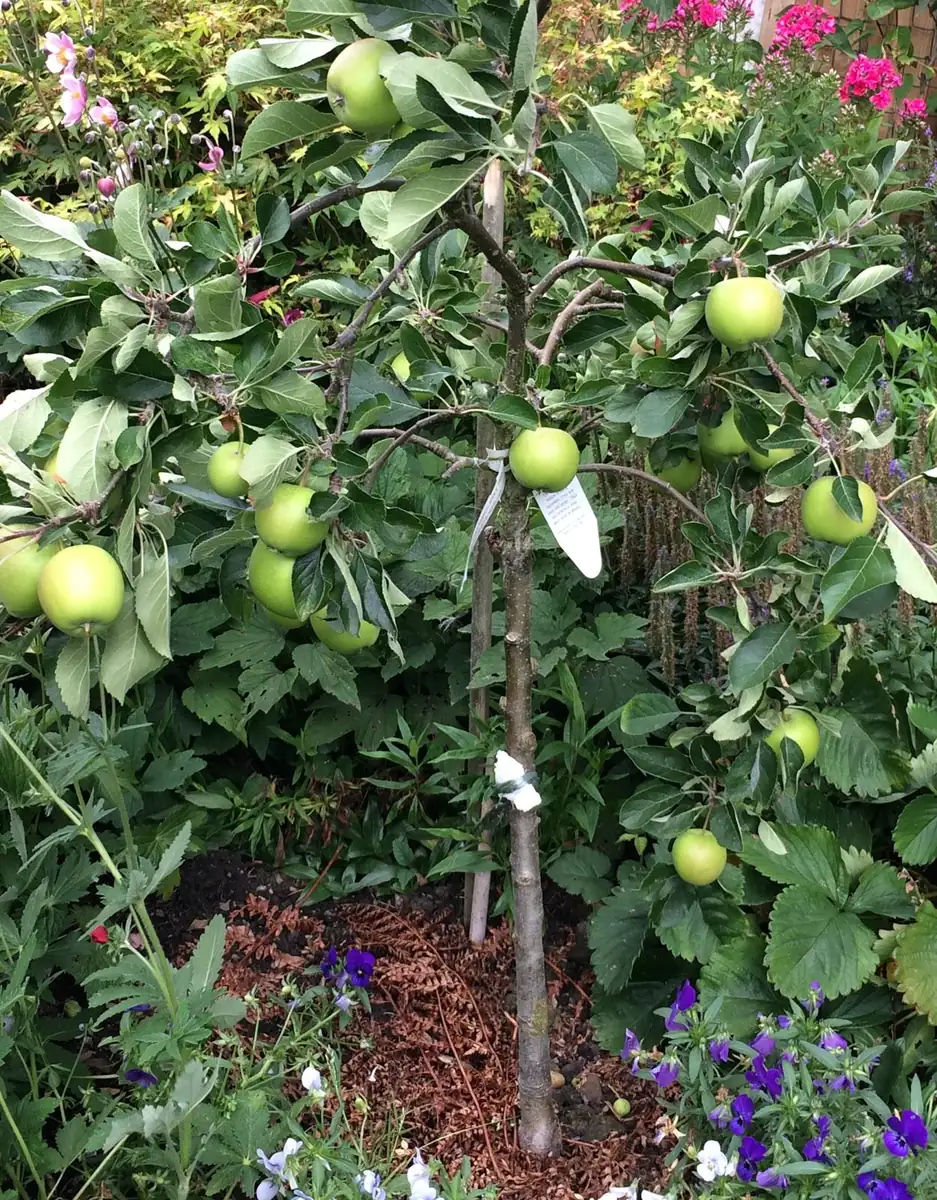
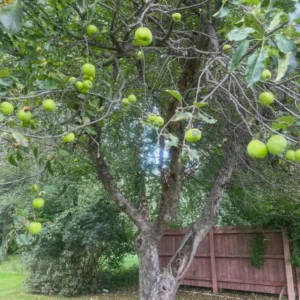
Granny Smith Apple Grafted Fruit Tree – 1 Gallon Pot, 2-3 Feet Tall, Outdoor
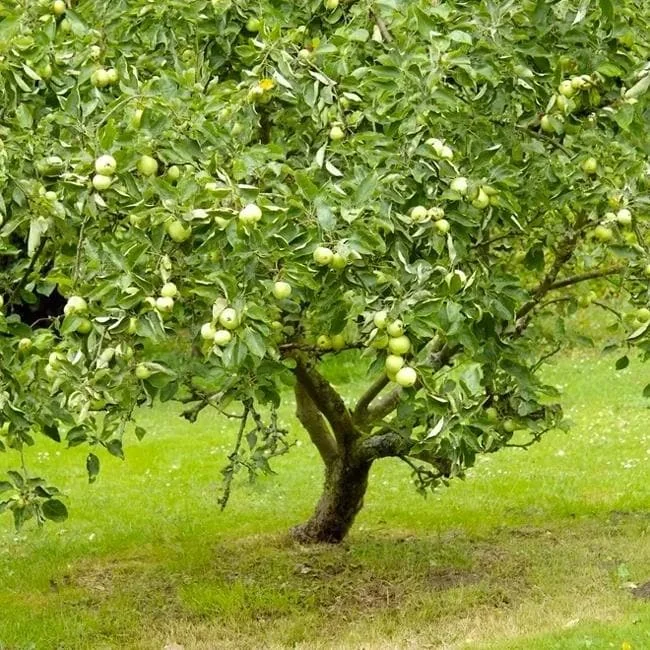
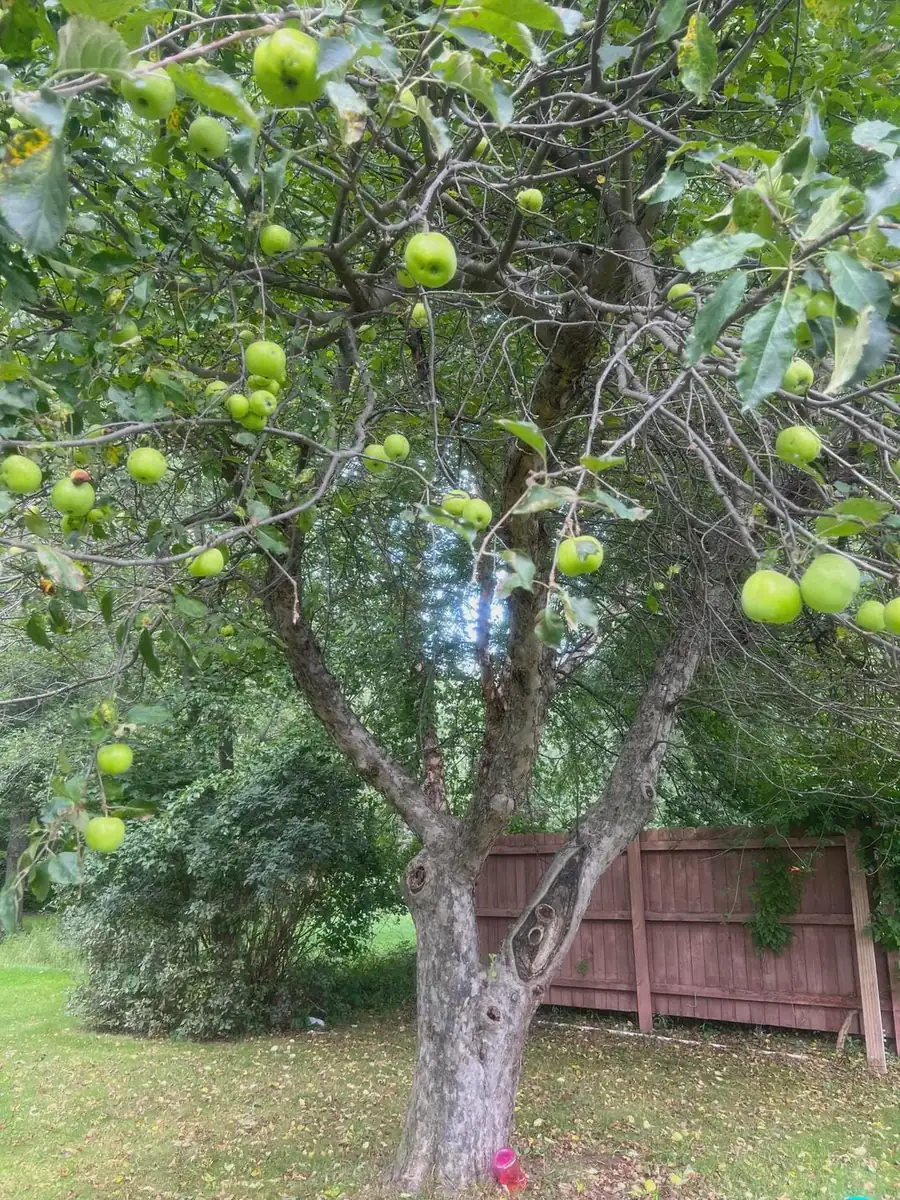
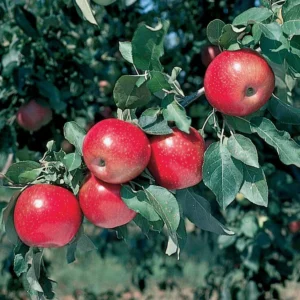
Bring the joy of homegrown fruit to your garden with a Granny Smith apple tree. This grafted apple tree is 2-3 feet tall in a 1-gallon pot, ready to produce crisp, sweet-tart apples perfect for fresh eating, baking, and cider making. An excellent choice for home orchards.
$84.00

With our Alive & Thrive Guarantee, we’ve got your back for the first 30 days! If you have any concerns about your plants, just reach out to us. Our team is here to help answer your questions and guide you in selecting the best plants for your garden, climate, and unique preferences. We're excited to help you create the garden of your dreams!
Estimated arrival
Apr 03
Apr 08 - Apr 10
Apr 13 - Apr 17


Product Details
-
USDA Hardiness Zone
5-9 -
Soil type
Loamy, well-draining soil -
Sunlight Exposure
Full sun -
Expected Planting Period
Early spring or fall
Overview
Cultivate your own orchard with the classic Granny Smith apple tree, a beloved variety known for its vibrant green skin, crisp texture, and perfectly balanced sweet-tart flavor. This grafted apple tree is a live plant, typically 2-3 feet in height and supplied in a 1-gallon pot, making it an ideal candidate for immediate planting in your home garden. Originating in Australia around 1868, Granny Smith apples have become a global favorite, renowned for their versatility in the kitchen—from pies and caramel apples to nutritious snacking and cider production. Growing your own Granny Smith apple tree ensures a fresh, abundant supply of these delicious fruits, ripening in late October. This heat-tolerant tree thrives in full sun locations and well-drained soil, promising a rewarding harvest for years to come. Remember, while the tree is self-fertile, pairing it with another apple variety can significantly enhance fruit quality and quantity.
Key Benefits
Adding a Granny Smith apple tree to your landscape offers a multitude of advantages, combining aesthetic appeal with practical benefits. Enjoy the satisfaction of harvesting your own fruit while enhancing your garden’s biodiversity.
- Delicious, Versatile Fruit: The primary benefit is the abundant harvest of crisp, sweet-tart Granny Smith apples. These apples are perfect for a wide range of culinary uses, including fresh eating, baking pies, making applesauce, or pressing into cider. Their firm texture makes them excellent for long-term storage, allowing you to enjoy them for months.
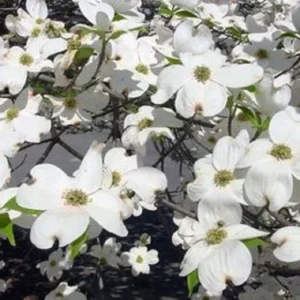
- Beautiful Spring Blooms: In spring, the Granny Smith apple tree adorns itself with pretty white blossoms, adding a touch of elegance and beauty to your garden. These flowers not only signal the promise of fruit but also attract beneficial pollinators.
- Excellent Storage Qualities: Granny Smith apples are celebrated for being one of the best-storing apple varieties. With proper storage conditions, these apples can maintain their quality and freshness for up to six months, providing a sustained supply of healthy fruit.
- Adaptable & Heat Tolerant: This variety is known for its heat tolerance, making it suitable for a wider range of climates compared to some other apple types. It adapts well to various soil conditions, provided they are well-drained.
- Self-Fertile Potential: While cross-pollination with another apple variety is recommended for optimal yields, the Granny Smith is considered self-fertile, meaning it can produce fruit on its own. This flexibility makes it a great choice if space for multiple trees is limited. Pairing it with varieties like Gala or Fuji can maximize your harvest.
- Nutritious & Healthy: Homegrown Granny Smith apples offer a healthy, low-calorie snack packed with vitamins and fiber. Knowing exactly how your fruit was grown provides peace of mind regarding its quality and freshness.
- Enhanced Garden Biodiversity: Planting a fruit tree for sale like the Granny Smith contributes to local biodiversity, providing nectar for pollinators and potentially food for local wildlife, while creating a productive and vibrant garden space.
Plant Care & Growing Tips
Proper care is essential for a thriving Granny Smith apple tree that produces abundant, high-quality fruit. Understanding its specific needs for sunlight, water, and soil will ensure a successful harvest. This guide will help you grow apple tree successfully in your backyard.
Sunlight Requirements: The Granny Smith apple tree thrives in full sun, requiring at least 6-8 hours of direct sunlight per day. Choose a location in your garden that receives ample sun exposure throughout the day. While it tolerates some partial sun, consistent full sun promotes optimal fruit development and overall tree health. Ensure there are no large structures or trees that will shade your apple tree as it grows.
Watering Schedule and Soil Moisture: Consistent moisture is crucial, especially during the tree’s establishment phase and during dry spells. Water deeply and regularly, aiming for about 1 inch of water per week through rainfall or irrigation. The soil should remain consistently moist but not waterlogged. Once established, the tree can tolerate slightly drier conditions, but supplemental watering during prolonged droughts will benefit fruit production. During the initial planting, ensure the root ball is thoroughly soaked.
Soil Type and Drainage Requirements: This apple tree prefers loamy, well-drained soils. Good drainage is paramount to prevent root rot. If your soil is heavy clay, amend it with organic matter like compost or aged manure to improve drainage and fertility. A slightly acidic to neutral pH (6.0-7.0) is ideal for optimal nutrient uptake. Before planting, consider a soil test to determine your specific soil composition and pH.
Temperature Range and USDA Hardiness Zone: The Granny Smith apple tree is generally hardy and suitable for USDA Zones 5-9. It requires a certain number of chilling hours (temperatures below 45°F or 7°C) during winter to properly set fruit. Its heat tolerance also makes it a good option for warmer climates within its zone range. Protect young trees from extreme winter cold with mulching around the base.
Fertilization Schedule and Type: Fertilize your apple tree annually in early spring before new growth begins. Use a balanced slow-release fertilizer formulated for fruit trees, or a granular fertilizer with a slightly higher phosphorus and potassium content to encourage flowering and fruiting. Avoid excessive nitrogen, which can promote leafy growth at the expense of fruit production. Follow product instructions carefully for application rates based on the tree’s age and size. A mature grafted apple tree will benefit from a more consistent feeding schedule.
Common Problems and Solutions: Apple trees can be susceptible to pests and diseases such as apple scab, powdery mildew, and codling moths. Regular inspection of your tree can help detect issues early. Implement good garden hygiene by removing fallen leaves and fruit, and consider organic preventative sprays if problems are persistent. Pruning for good air circulation can also reduce disease incidence. Learning about general apple tree care will help you identify issues quickly.
Size & Details
This offering is for a Granny Smith apple tree, a live plant typically standing 2-3 feet tall at the time of shipment. It is a grafted apple tree, meaning it has been propagated onto a rootstock to ensure desirable growth habits and disease resistance. The tree arrives potted in a 1-gallon nursery container, providing a well-established root system ready for planting. Grafted trees generally offer faster fruiting compared to seed-grown trees. The expected growth rate is medium, with the tree reaching a mature height of 12-15 feet and a similar spread if left unpruned. Fruit production typically begins 2-5 years after planting, with apples ripening in late October. This variety is known for its vigor and consistent yields under proper growing conditions, making it an excellent long-term investment for those looking to grow apple tree at home.
Frequently Asked Questions
- Q: How big does this Granny Smith apple tree get? A: This Granny Smith apple tree typically reaches a mature height and spread of 12-15 feet. Regular pruning can help maintain a more manageable size for home gardens, making it easier to harvest the fruit.
- Q: What size pot does the apple tree come in? A: The grafted apple tree is shipped in a 1-gallon nursery pot, providing a healthy root system for successful transplanting into your garden or a larger container if desired.
- Q: Is this an indoor or outdoor plant? A: The Granny Smith apple tree is an outdoor plant. It requires full sun exposure and the natural chilling hours of winter to produce fruit. It is not suitable for long-term indoor cultivation.
- Q: How much sunlight does it need? A: This apple tree thrives in full sun, requiring a minimum of 6-8 hours of direct sunlight daily for optimal growth and fruit production. Ensure its planting location receives ample sunlight.
- Q: Is this plant easy to care for? A: With proper site selection and consistent attention to watering, soil, and annual pruning, a Granny Smith apple tree is moderately easy to care for. It’s a rewarding project for gardeners of all experience levels who are willing to learn basic apple tree care.
- Q: What condition will it arrive in? A: Your apple tree will arrive as a live, healthy plant in its nursery pot, carefully packaged to ensure its safety during transit. It may have lost leaves, especially if shipped during dormancy, which is normal.
- Q: When is the best time to plant a Granny Smith apple tree? A: The ideal time to plant a fruit tree for sale like the Granny Smith is in early spring or fall, when temperatures are mild. This allows the tree to establish its root system before the stress of summer heat or winter cold.
- Q: Will it survive winter in my zone? A: The Granny Smith apple tree is hardy in USDA Zones 5-9. If you are within this range, it should survive winter without special protection, though young trees can benefit from mulching in colder zones.
- Q: Does the Granny Smith apple tree require a pollinator? A: While the Granny Smith is self-fertile and can produce some fruit on its own, for the highest quality and quantity of fruit, it is strongly recommended to plant another apple variety nearby for cross-pollination. Good choices include Gala, Golden Delicious, Fuji, or Honeycrisp.
- Q: What are Granny Smith apples best used for? A: Granny Smith apples are incredibly versatile. They are excellent for fresh eating due to their crisp texture and balanced flavor, and they hold up well in baking for pies and tarts. They are also popular for caramel apples, applesauce, and cider making.
Related products
-20%
Original price was: $36.00.$28.80Current price is: $28.80.
-10%
Original price was: $80.99.$72.89Current price is: $72.89.
-50%
Original price was: $73.98.$36.99Current price is: $36.99.
PLANTING & CARE
Growing Glencoe Raspberry: A Complete Guide for Gardeners
If you’re looking to add something unique to your garden, look no further than the
31
Mar
Mar

The Comprehensive Guide to Growing Bay Leaf Plants for a Flavorful Garden
Imagine stepping into your garden, greeted by the earthy aroma of fresh bay leaves, their
09
Feb
Feb

How to Make Comfrey Tea: The Ultimate Organic Plant Food
Growing an organic garden can be surprisingly expensive, especially when most store-bought fertilizers come in
02
Feb
Feb

True Comfrey: 7 Essential Tips Before You Plant This Herb
A staple in permaculture practices across the US, True Comfrey easily earns its reputation as
27
Jan
Jan

7 Heart-Shaped Plants for a Lasting Valentine’s Gift
If you’ve ever bought a bouquet of roses for Valentine’s Day, you know they are
26
Jan
Jan

Best Types of Ivy Plant for Houses: How to Choose the Perfect Ones for Your Home
Are you a garden lover looking to introduce some greenery into your home? Maybe you’ve
14
Nov
Nov

When to Harvest Garlic (Especially Fall-Planted Garlic)
TIMING IS EVERYTHING, they say – and for garlic, that truth hits with surprising accuracy.
13
Nov
Nov

11 of the Best Sweet Potato Varieties to Grow for Your Garden
If you’ve ever tried growing sweet potatoes, you know that picking the right variety can
12
Nov
Nov