Grape Ivy Plant – Cissus rhombifolia – Live Houseplant – 4 Inch Pot
-50%
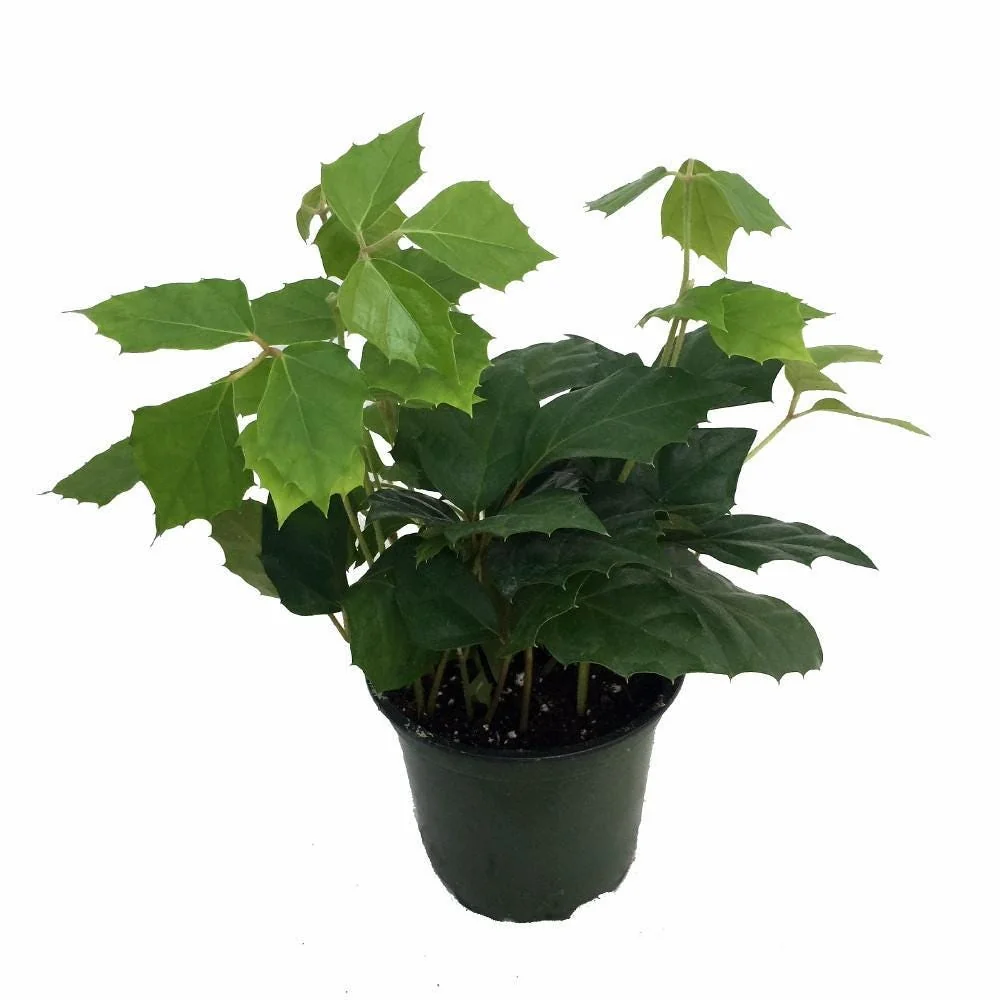
Grape Ivy Plant – Cissus rhombifolia – Live Houseplant – 4 Inch Pot
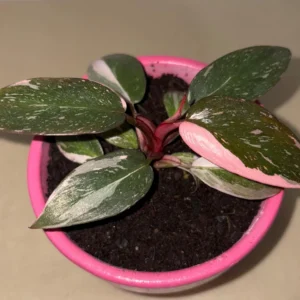
Bring home a beautiful grape ivy plant (Cissus rhombifolia), an ideal easy care houseplant for any indoor space. This live plant comes in a 4-inch pot, offering lush, vibrant foliage and an attractive trailing habit.
Original price was: $47.96.$23.98Current price is: $23.98.

With our Alive & Thrive Guarantee, we’ve got your back for the first 30 days! If you have any concerns about your plants, just reach out to us. Our team is here to help answer your questions and guide you in selecting the best plants for your garden, climate, and unique preferences. We're excited to help you create the garden of your dreams!
Estimated arrival
Apr 10
Apr 15 - Apr 17
Apr 20 - Apr 24
Product Details
-
USDA Hardiness Zone
Year-round indoors (USDA Zones 10-12 outdoors) -
Soil type
Well-draining potting mix -
Sunlight Exposure
Bright indirect light -
Expected Planting Period
Year-round indoors
Overview
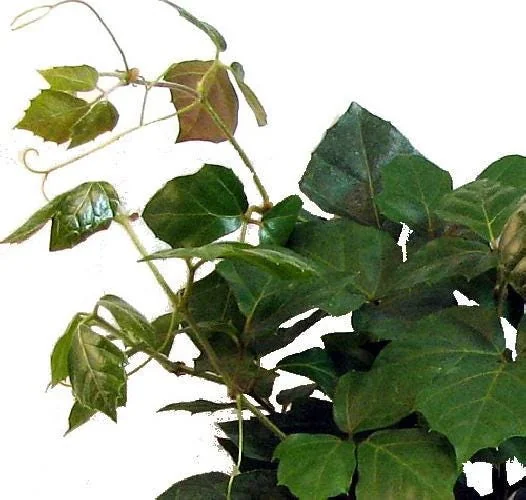
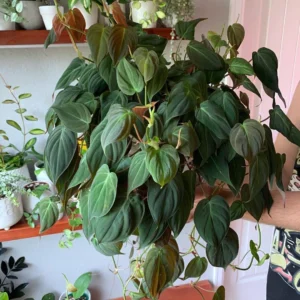
Introduce a touch of natural elegance to your home with the beautiful grape ivy plant (Cissus rhombifolia). This classic and resilient live houseplant is cherished for its attractive, deeply lobed, glossy green leaves that resemble grape leaves, hence its common name. The grape ivy plant is an excellent choice for both novice and experienced plant enthusiasts due to its forgiving nature and adaptability to various indoor conditions. Originating from the tropical regions of South America, Cissus rhombifolia is a vigorous climber or trailer, making it perfect for hanging baskets, shelves, or trained on a small trellis. Its lush foliage can quickly transform a dull corner into a vibrant green oasis. This particular specimen arrives as a healthy live plant in a convenient 4-inch nursery pot, ready to thrive in its new environment. The grape ivy indoor plant adds a sophisticated, verdant touch to any room, enhancing air quality and bringing a sense of calm to your living space.
Key Benefits
The grape ivy plant offers numerous advantages, making it a highly desirable addition to any indoor plant collection. From its aesthetic appeal to its ease of care, you’ll find many reasons to love this verdant beauty.
- Enhances Indoor Aesthetics: With its rich green, lobed leaves and graceful trailing habit, the grape ivy plant instantly elevates the visual appeal of any room. It’s perfect for creating a lush, jungle-like atmosphere or adding a touch of classic charm.
- Easy Care Houseplant: Known for its resilience, the grape ivy plant is incredibly low-maintenance, making it an ideal choice for busy individuals or those new to plant care. It tolerates a range of conditions and quickly recovers from minor neglect.
- Versatile Placement: This plant thrives in various settings, whether cascading from a hanging planter, adorning a bookshelf, or climbing a small support. Its adaptable growth habit allows for creative display options in your home.
- Air Purification Qualities: Like many houseplants, Cissus rhombifolia contributes to a healthier indoor environment by helping to filter airborne toxins and increasing humidity, promoting better air quality.
- Rapid Growth: The grape ivy plant is a relatively fast grower, meaning you’ll see noticeable progress and lush new foliage appearing regularly, providing continuous satisfaction for any plant parent.
- Drought Tolerant: While preferring consistent moisture, the grape ivy can withstand short periods of dryness, which is a beneficial trait for those who might occasionally forget to water.
- Pet-Friendly (Non-Toxic): Cissus rhombifolia is generally considered non-toxic to pets, making it a safer option for households with curious cats or dogs compared to many other common houseplants.
Plant Care & Growing Tips
Caring for your grape ivy plant is straightforward, and with a few simple guidelines, you can ensure it remains vibrant and healthy for years to come. Understanding its basic needs will help you cultivate a flourishing specimen. The cissus rhombifolia care routine is quite forgiving, making it a rewarding plant for beginners.
Sunlight Requirements: The grape ivy plant thrives in bright, indirect light. Place it near a window where it receives plenty of ambient light but is shielded from direct, intense sunlight, which can scorch its leaves. While it can acclimate to lower light conditions, growth may become leggy, and foliage less dense. An east-facing window is often ideal, providing gentle morning sun. If placed in a brighter spot, ensure it’s slightly recessed or filtered by a sheer curtain.
Watering Schedule and Soil Moisture: Water your grape ivy when the top inch or two of the soil feels dry to the touch. It prefers consistent moisture but does not like to sit in soggy soil, which can lead to root rot. Ensure the pot has drainage holes. During winter, when growth slows, reduce watering frequency. Always err on the side of underwatering rather than overwatering. The plant will typically show signs of thirst, such as slightly drooping leaves, before serious damage occurs.
Soil Type and Drainage: A well-draining potting mix is crucial for the health of your grape ivy plant. A standard houseplant potting mix amended with perlite or coarse sand to improve drainage works well. The soil should be airy and allow water to pass through freely. Good drainage prevents waterlogging and ensures healthy root development.
Temperature Range and USDA Hardiness Zone: As a tropical plant, grape ivy prefers average room temperatures between 60-75°F (15-24°C). Avoid exposing it to temperatures below 50°F (10°C) or sudden cold drafts. While primarily an indoor plant, if grown outdoors in suitable climates, it would thrive in USDA Zones 10-12, where temperatures rarely drop below freezing. However, it is predominantly cultivated as an indoor plant in most regions.
Fertilization Schedule and Type: Feed your grape ivy indoor plant every 2-4 weeks during its active growing season (spring and summer) with a balanced liquid houseplant fertilizer diluted to half strength. Reduce or cease fertilization during fall and winter when the plant’s growth naturally slows down. Over-fertilization can lead to salt buildup in the soil, which can harm the plant.
Common Problems and Solutions: Yellowing leaves can indicate overwatering or nutrient deficiency. Adjust watering habits and consider fertilizing. Brown, crispy leaf edges usually point to low humidity or underwatering. Increase humidity around the plant with a pebble tray or humidifier, and ensure consistent watering. Pests like spider mites or mealybugs can occasionally affect grape ivy. Inspect your plant regularly and treat any infestations promptly with insecticidal soap or neem oil.
Size & Details
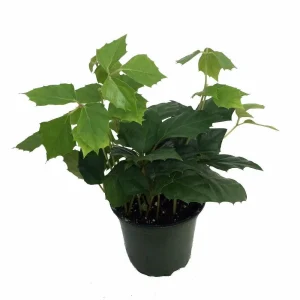
This offering is for one healthy grape ivy plant (Cissus rhombifolia) presented in a 4-inch nursery pot. The plant’s overall height, including the pot, typically ranges from 6 to 10 inches at the time of shipment, with vines that will quickly begin to trail. Grape ivy is a moderately fast-growing plant, capable of producing vines several feet long in ideal conditions. It can be easily trimmed to maintain a desired size and shape, encouraging bushier growth. The plant will arrive well-rooted in its plastic nursery container, ensuring a smooth transition to your home. With proper cissus rhombifolia care, you can expect this plant to mature into a magnificent specimen, providing abundant foliage and a vibrant presence for many years.
Frequently Asked Questions
- Q: How big does this plant get? A: The grape ivy plant in a 4-inch pot will typically have vines that can grow several feet long. With proper care and pruning, you can maintain it at a compact size or allow it to trail extensively, reaching lengths of 3-6 feet or more.
- Q: What size pot does it come in? A: This grape ivy plant is shipped in a standard 4-inch diameter nursery pot, providing a good starting point for its root system. You can choose to repot it into a slightly larger decorative pot upon arrival or allow it to grow for a while before transplanting.
- Q: Is this an indoor or outdoor plant? A: The grape ivy plant is primarily grown as an grape ivy indoor plant in most climates. It can be placed outdoors in shaded areas during warm summer months in USDA Zones 10-12, but it must be brought inside before temperatures drop.
- Q: How much sunlight does it need? A: This easy care houseplant prefers bright, indirect light. Avoid direct afternoon sun, which can scorch its leaves. A spot near an east-facing window or a few feet from a south or west-facing window with filtered light is ideal.
- Q: Is this plant easy to care for? A: Yes, the grape ivy plant is widely considered an easy care houseplant, making it suitable for beginners. It’s quite forgiving of minor neglect and can tolerate a range of indoor conditions. Its resilience makes cissus rhombifolia care straightforward.
- Q: What condition will it arrive in? A: Your live grape ivy plant will be carefully packaged and shipped in its nursery pot, with soil intact. We take great care to ensure it arrives healthy and ready to thrive in your home.
- Q: Is it pet-safe? A: The grape ivy plant (Cissus rhombifolia) is generally considered non-toxic to cats and dogs, according to most plant toxicity lists. However, it’s always wise to discourage pets from ingesting any houseplant material.
- Q: How often should I water my grape ivy? A: Water your grape ivy when the top 1-2 inches of soil feel dry to the touch. This typically translates to once a week, but it can vary depending on your home’s humidity and temperature. Always check the soil moisture before watering.
- Q: Does it need high humidity? A: While the grape ivy plant appreciates average to high humidity, it is quite adaptable and will tolerate typical household humidity levels. If your home is particularly dry, misting occasionally or placing it near a humidifier can be beneficial.
- Q: Can I propagate grape ivy? A: Yes, grape ivy is relatively easy to propagate from stem cuttings. Simply take a cutting with a few nodes, remove the lower leaves, and place it in water or moist potting mix. Roots should develop within a few weeks.
Related products


-5%


Original price was: $91.98.$87.38Current price is: $87.38.
-35%
Original price was: $37.24.$24.20Current price is: $24.20.
PLANTING & CARE

Growing Glencoe Raspberry: A Complete Guide for Gardeners
If you’re looking to add something unique to your garden, look no further than the
31
Mar
Mar

The Comprehensive Guide to Growing Bay Leaf Plants for a Flavorful Garden
Imagine stepping into your garden, greeted by the earthy aroma of fresh bay leaves, their
09
Feb
Feb

How to Make Comfrey Tea: The Ultimate Organic Plant Food
Growing an organic garden can be surprisingly expensive, especially when most store-bought fertilizers come in
02
Feb
Feb

True Comfrey: 7 Essential Tips Before You Plant This Herb
A staple in permaculture practices across the US, True Comfrey easily earns its reputation as
27
Jan
Jan

7 Heart-Shaped Plants for a Lasting Valentine’s Gift
If you’ve ever bought a bouquet of roses for Valentine’s Day, you know they are
26
Jan
Jan

Best Types of Ivy Plant for Houses: How to Choose the Perfect Ones for Your Home
Are you a garden lover looking to introduce some greenery into your home? Maybe you’ve
14
Nov
Nov

When to Harvest Garlic (Especially Fall-Planted Garlic)
TIMING IS EVERYTHING, they say – and for garlic, that truth hits with surprising accuracy.
13
Nov
Nov

11 of the Best Sweet Potato Varieties to Grow for Your Garden
If you’ve ever tried growing sweet potatoes, you know that picking the right variety can
12
Nov
Nov