Green Amaranth Seeds – Heirloom, Non-GMO, Edible Leaves, 30-40 Days
-50%

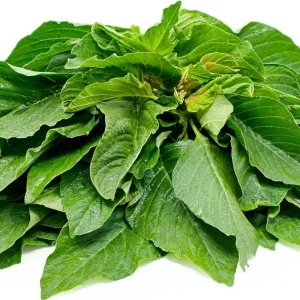
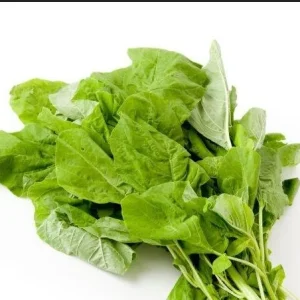

Green Amaranth Seeds – Heirloom, Non-GMO, Edible Leaves, 30-40 Days
Cultivate nutritious green amaranth seeds for delicious edible leaves and microgreens. These amaranth seeds non gmo are heirloom quality, producing tender, iron-rich greens in just 30-40 days. Ideal for stir-fries, soups, and salads.
From Original price was: $12.00.$6.00Current price is: $6.00.

With our Alive & Thrive Guarantee, we’ve got your back for the first 30 days! If you have any concerns about your plants, just reach out to us. Our team is here to help answer your questions and guide you in selecting the best plants for your garden, climate, and unique preferences. We're excited to help you create the garden of your dreams!
Estimated arrival
Apr 02
Apr 07 - Apr 09
Apr 12 - Apr 16


Product Details
-
USDA Hardiness Zone
unknown -
Soil type
Fertile, well-draining soil -
Sunlight Exposure
Full sun -
Expected Planting Period
Spring to summer after last frost
Overview
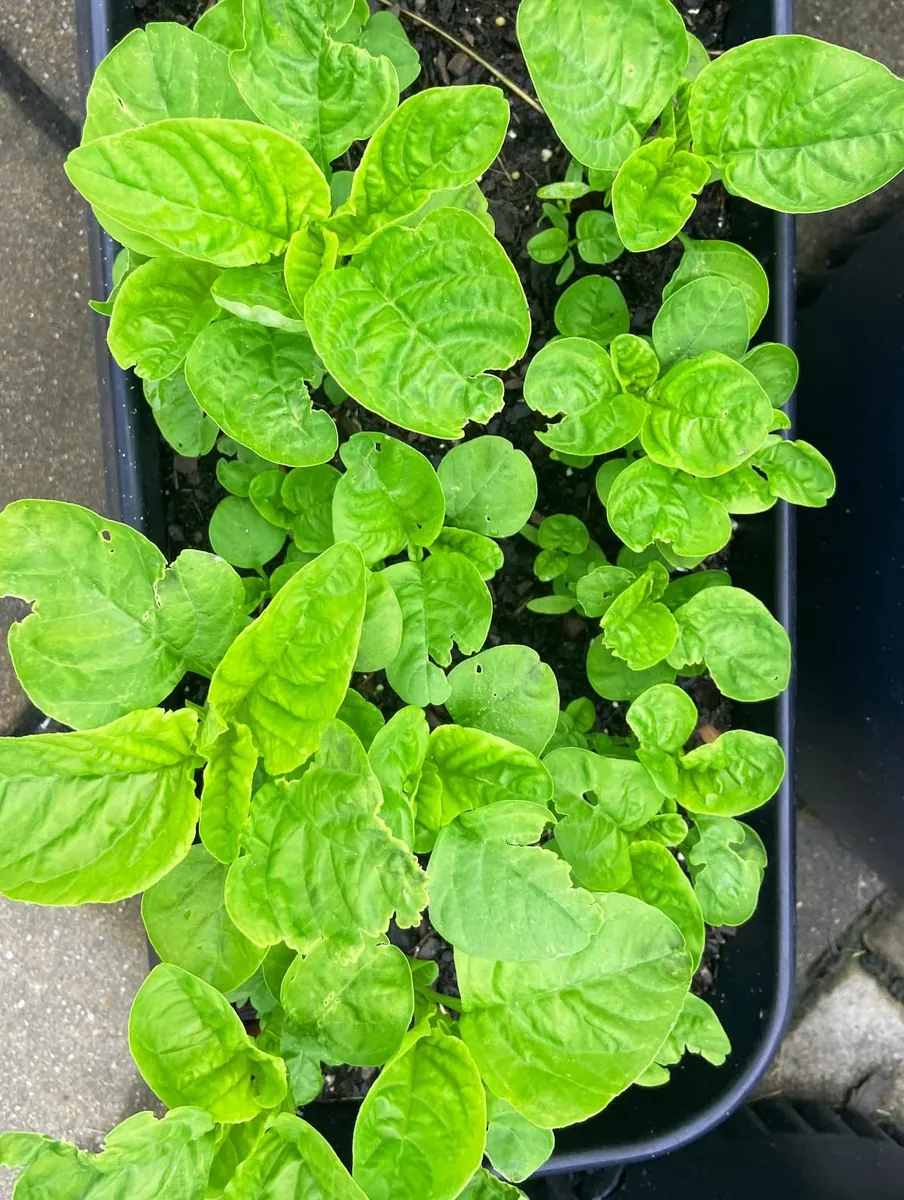
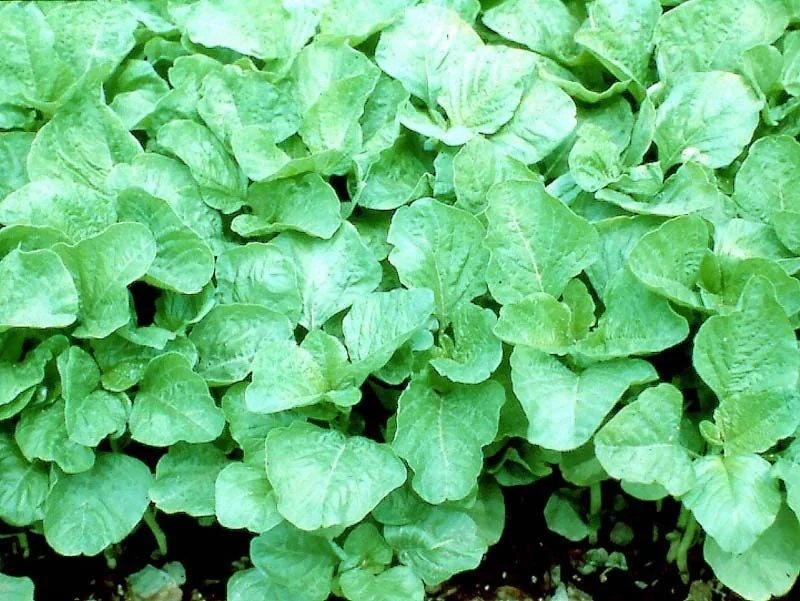
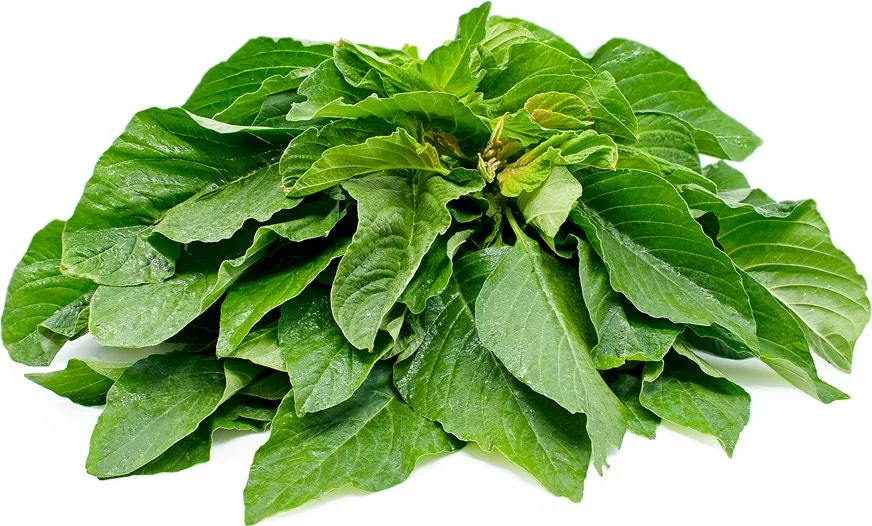
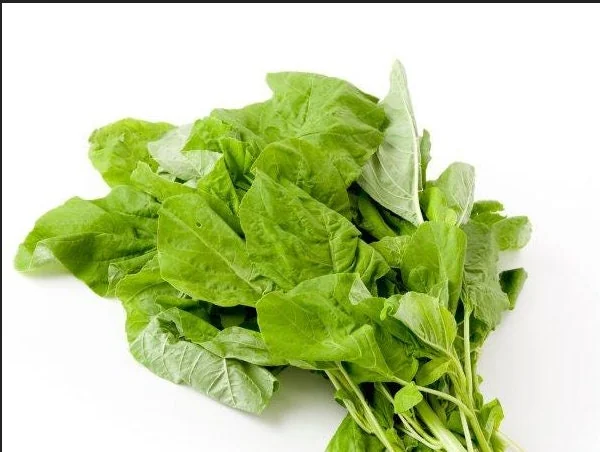
Discover the joy of growing your own nutrient-rich greens with our premium green amaranth seeds. This variety, also known as Chinese spinach, offers tender, light green leaves and stems that are packed with more iron and calcium than traditional Western spinach. Perfect for home gardeners, these heirloom, open-pollinated, and non-GMO seeds promise a bountiful harvest. Amaranthus mangostanus is an annual plant that thrives in warm climates, making it an excellent choice for summer gardens, capable of producing high yields quickly. Whether you’re looking to grow microgreens or full-sized edible leaves, these seeds provide a versatile and rewarding gardening experience for anyone interested in fresh, healthy produce.
Key Benefits
Cultivating heirloom amaranth seeds offers a multitude of advantages for both your garden and your diet. These seeds are celebrated for their ease of growth and exceptional nutritional value, making them a staple for healthy eating.
- Nutrient-Rich Greens: The leaves and stems of this green amaranth are exceptionally high in iron and calcium, surpassing many common greens. Incorporating them into your diet can boost essential mineral intake.
- Fast Growing: With a quick maturity period of just 30-40 days, you can enjoy fresh harvests frequently. This rapid growth makes it an ideal choice for continuous cropping throughout the growing season.
- Versatile Culinary Use: The tender leaves are perfect for a variety of dishes, including stir-fries, soups, and fresh salads. They can be prepared just like spinach, adding a unique flavor and texture to your meals.
- Heat and Drought Tolerant: This variety of green amaranth seeds is remarkably resilient, tolerating hot, dry, and moist climates. It thrives in warm temperatures (68-85°F), making it suitable for many different growing regions.
- Excellent for Microgreens: Beyond full-sized leaves, these seeds are also suitable for growing microgreens, providing a quick source of concentrated nutrients and fresh flavor.
- Non-GMO and Heirloom: Our amaranth seeds non gmo are open-pollinated and heirloom, ensuring genetic purity and the ability to save seeds for future plantings, promoting sustainable gardening practices.
- Easy to Grow: Even novice gardeners will find success with these easy-to-grow amaranth seeds. They require minimal fuss and respond well to basic care, making fresh greens accessible to everyone.
Plant Care & Growing Tips
To successfully grow amaranth from these green amaranth seeds, proper preparation and ongoing care are essential. Start by preparing fertile, well-drained soil in a warm, sunny location. Amaranth thrives in full sun, requiring at least 6-8 hours of direct sunlight per day for optimal growth and yield. Sow seeds in spring or summer after the last frost, when soil temperatures have warmed sufficiently. Seeds can be sown by broadcasting and then thinned as they grow to allow adequate spacing for mature plants. For best results, keep the soil consistently moist, especially during germination and early growth stages, but avoid waterlogging. These plants are annuals, completing their life cycle within one season.
Watering should be regular, particularly during dry spells, to encourage lush leaf production. However, be cautious not to overwater, as good drainage is crucial. When it comes to fertilization, it’s important to note that nitrogen fertilizer should be avoided, as it can cause the plant to accumulate excess nitrates, which is undesirable for edible greens. Instead, focus on enriching your soil with organic matter before planting. The plant will tolerate a range of soil types but prefers a moderately fertile, well-draining loam. This variety is known for its ability to withstand hot and dry conditions, making it a robust choice for summer gardens. Harvesting the leaves and stems when they are young ensures the best flavor and tenderness. Continue harvesting regularly to encourage new growth and extend your yield of delicious chinese spinach seeds produce.
Size & Details
Our green amaranth seeds are sold as packets containing a generous quantity of open-pollinated, heirloom, and non-GMO seeds, ensuring a successful planting experience. The Amaranthus mangostanus variety typically matures in a short period of 30-40 days from sowing to harvest, allowing for multiple crops within a single growing season. When mature, the plants produce round, tender, light green leaves and sturdy stems, ready for culinary use. These annual plants will reach a manageable height, suitable for most garden beds or larger containers. They are particularly well-suited for warm temperatures between 68-85°F, where they exhibit vigorous growth and high yields. The seeds are suitable for direct sowing outdoors after the last frost, and for continuous harvests, successive plantings can be made every few weeks.
Frequently Asked Questions
- Q: What is the best time to plant these green amaranth seeds? A: The best time to plant green amaranth seeds is in spring or summer after the last frost, once the soil has warmed up. They thrive in warm conditions, so ensure temperatures are consistently above 68°F for optimal growth.
- Q: How long does it take for green amaranth to mature? A: This variety of green amaranth has a quick growth cycle, maturing in approximately 30-40 days from sowing. This allows for frequent harvests of young, tender leaves throughout the growing season.
- Q: Can I grow amaranth in containers? A: Yes, you can successfully grow amaranth in containers. Choose a pot with good drainage and ensure it’s placed in a location that receives ample sunlight. Regular watering will be important for container-grown plants.
- Q: Is this amaranth suitable for microgreens? A: Absolutely! These heirloom amaranth seeds are excellent for growing microgreens. You can harvest them when they are very young, just a few inches tall, for a nutritious and flavorful addition to meals.
- Q: How much sunlight does green amaranth need? A: Green amaranth prefers a warm, sunny location. It requires at least 6-8 hours of direct sunlight per day to produce strong plants and abundant, healthy leaves.
- Q: What kind of soil is best for these seeds? A: Chinese spinach seeds thrive in fertile, well-drained soil. While adaptable, incorporating organic matter before planting will provide the best environment for robust growth. Avoid heavy, waterlogged soils.
- Q: Can I save seeds from these plants for next year? A: Yes, since these are open-pollinated, amaranth seeds non gmo, you can save seeds from your mature plants to sow in subsequent seasons. This is a great way to maintain your own seed supply and continue growing this beneficial plant.
- Q: How often should I water my amaranth plants? A: Keep the soil consistently moist, especially during germination and dry periods. However, ensure good drainage to prevent root rot. Watering frequency will depend on your climate and soil type.
- Q: What are the culinary uses for green amaranth? A: The tender leaves and stems of green amaranth can be used in a variety of dishes. They are delicious in stir-fries, soups, and can be prepared fresh in salads, much like traditional spinach.
- Q: Is green amaranth drought tolerant? A: Yes, this variety of amaranth is known for its tolerance to hot, dry, and moist climates, making it a resilient plant for various growing conditions, particularly in warmer regions.
| Seeds | 1 Oz, 1000+, 2000+, 5000+ |
|---|
Related products
-50%

Original price was: $15.00.$7.50Current price is: $7.50.
-48%
Original price was: $28.99.$14.99Current price is: $14.99.
-48%
Original price was: $28.99.$14.99Current price is: $14.99.
-50%
Original price was: $15.96.$7.98Current price is: $7.98.
-50%
Original price was: $15.96.$7.98Current price is: $7.98.
-50%

Original price was: $15.96.$7.98Current price is: $7.98.
-48%
Original price was: $28.99.$14.99Current price is: $14.99.
-50%
Original price was: $17.00.$8.50Current price is: $8.50.
PLANTING & CARE

Growing Glencoe Raspberry: A Complete Guide for Gardeners
If you’re looking to add something unique to your garden, look no further than the
31
Mar
Mar

The Comprehensive Guide to Growing Bay Leaf Plants for a Flavorful Garden
Imagine stepping into your garden, greeted by the earthy aroma of fresh bay leaves, their
09
Feb
Feb

How to Make Comfrey Tea: The Ultimate Organic Plant Food
Growing an organic garden can be surprisingly expensive, especially when most store-bought fertilizers come in
02
Feb
Feb

True Comfrey: 7 Essential Tips Before You Plant This Herb
A staple in permaculture practices across the US, True Comfrey easily earns its reputation as
27
Jan
Jan

7 Heart-Shaped Plants for a Lasting Valentine’s Gift
If you’ve ever bought a bouquet of roses for Valentine’s Day, you know they are
26
Jan
Jan

Best Types of Ivy Plant for Houses: How to Choose the Perfect Ones for Your Home
Are you a garden lover looking to introduce some greenery into your home? Maybe you’ve
14
Nov
Nov

When to Harvest Garlic (Especially Fall-Planted Garlic)
TIMING IS EVERYTHING, they say – and for garlic, that truth hits with surprising accuracy.
13
Nov
Nov

11 of the Best Sweet Potato Varieties to Grow for Your Garden
If you’ve ever tried growing sweet potatoes, you know that picking the right variety can
12
Nov
Nov