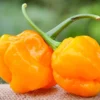
Grenada Seasoning Heirloom Pepper Seeds – 10 Premium Seed Packet – Caribbean Flavor
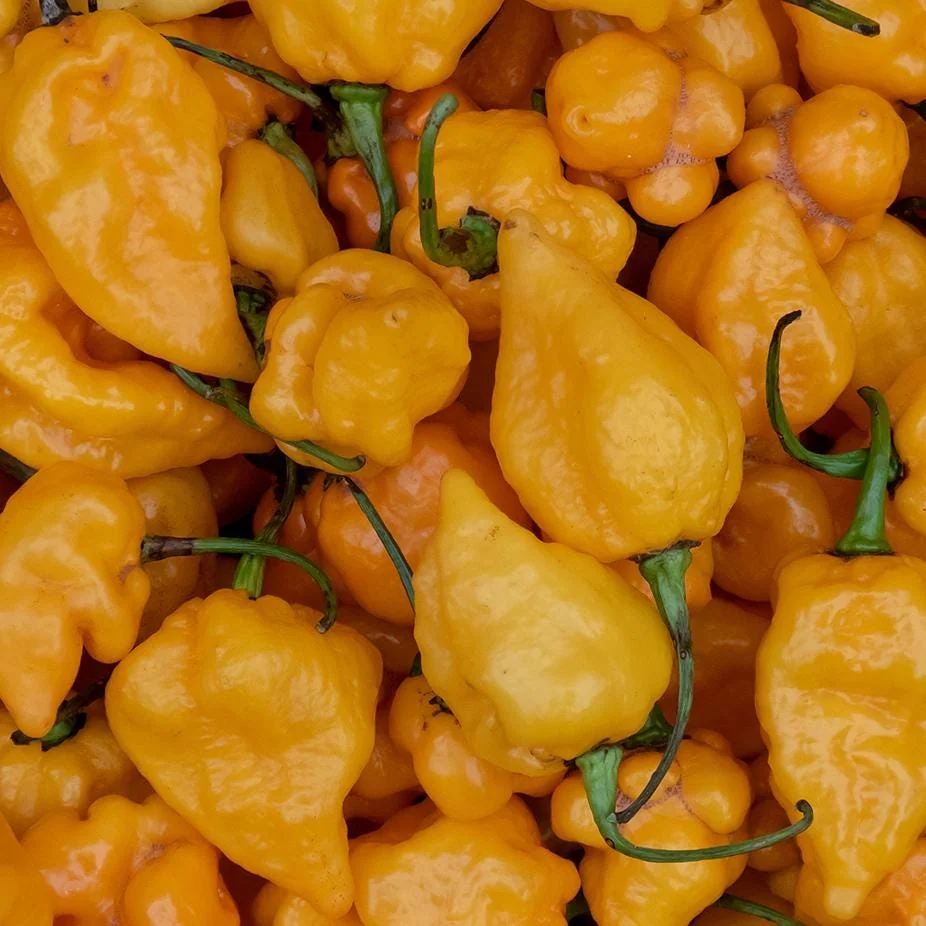
Grenada Seasoning Heirloom Pepper Seeds – 10 Premium Seed Packet – Caribbean Flavor
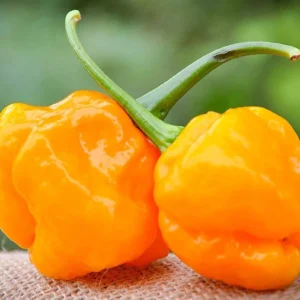
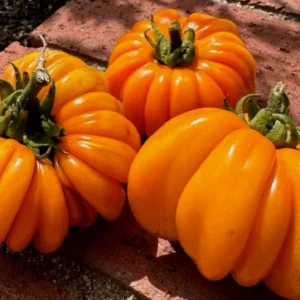
Cultivate your own flavorful peppers with these Grenada Seasoning Heirloom Pepper Seeds. Each packet contains 10 premium seeds, offering a delightful habanero taste with minimal heat. Perfect for adding authentic Caribbean notes to your dishes.
$7.98

With our Alive & Thrive Guarantee, we’ve got your back for the first 30 days! If you have any concerns about your plants, just reach out to us. Our team is here to help answer your questions and guide you in selecting the best plants for your garden, climate, and unique preferences. We're excited to help you create the garden of your dreams!
Estimated arrival
Mar 31
Apr 05 - Apr 07
Apr 10 - Apr 14

Product Details
-
USDA Hardiness Zone
USDA zones 9-11 (as annuals in other zones) -
Soil type
Well-draining, rich in organic matter -
Sunlight Exposure
Full sun (6-8 hours daily) -
Expected Planting Period
Spring to early summer (after last frost)
Overview
Embark on a culinary adventure with our premium Grenada Seasoning Heirloom Pepper Seeds. These highly sought-after seeds allow you to grow the famous Caribbean pepper known for its exceptional flavor profile. Unlike traditional habaneros, the Grenada Seasoning Heirloom Pepper Seeds deliver a rich, fruity taste with only a hint of heat, making them incredibly versatile for a wide range of dishes. Originating from the vibrant Caribbean islands, this heirloom variety is a must-have for any gardener looking to add exotic flavors to their home garden. Each packet contains 10 high-quality seeds, ensuring a good start to your pepper cultivation journey. Discover the joy of fresh, homegrown seasoning peppers that will elevate your cooking.
Cultivating Grenada Seasoning Heirloom Pepper Seeds connects you to a rich agricultural heritage. These open-pollinated seeds produce plants true to type, allowing you to save seeds for future seasons and preserve this fantastic variety. Whether you’re an experienced gardener or just starting, these seeds offer a rewarding growing experience, culminating in a harvest of delicious, aromatic peppers. Enjoy the authentic taste of the Caribbean right from your backyard, perfect for sauces, salsas, and various culinary creations.
Key Benefits
Growing Grenada Seasoning Heirloom Pepper Seeds offers numerous advantages for both your garden and your kitchen. These benefits make them a valuable addition to any home gardener’s collection:
- Exceptional Flavor Profile: Enjoy the unique taste of these peppers, which combine the complex fruity notes of a habanero with a significantly reduced heat level, making them enjoyable for a wider audience.
- Versatile Culinary Use: These peppers are perfect for creating authentic Caribbean sauces, adding depth to stir-fries, or infusing oils and vinegars. Their mild heat allows their full flavor to shine through.
- Heirloom Quality: As an heirloom variety, these Grenada Seasoning Heirloom Pepper Seeds ensure genetic stability and allow for seed saving, contributing to sustainable gardening practices and preserving biodiversity. This also means you can expect consistent quality and flavor year after year.
- Rewarding Growing Experience: Pepper plants are generally robust and rewarding to grow, offering a bountiful harvest with proper care. Watching them mature from seed to fruit is a satisfying process for any gardener.
- Freshness and Quality: Growing your own peppers guarantees the freshest possible ingredients, free from pesticides and picked at peak ripeness, ensuring superior taste compared to store-bought alternatives.
- Aromatic Garden Addition: The pepper plants themselves are attractive, with lush green foliage and vibrant fruits, adding an ornamental touch to your garden or patio.
- Supports Sustainable Living: By engaging in heirloom pepper growing, you actively participate in preserving unique plant varieties and promoting self-sufficiency in food production.
Plant Care & Growing Tips
To successfully grow your Grenada Seasoning Heirloom Pepper Seeds, proper care is essential. Begin by sowing your seeds indoors 8-10 weeks before the last expected frost date. Use a high-quality seed starting mix and maintain a consistent temperature of 75-85°F (24-29°C) for optimal germination. Lightly cover the seeds with about 1/4 inch of soil. Once seedlings emerge, provide ample light, either from a south-facing window or under grow lights, to prevent them from becoming leggy. Ensure the soil remains consistently moist but not waterlogged during the germination and seedling stages.
When transplanting outdoors, choose a location that receives at least 6-8 hours of full sunlight daily. Pepper plants thrive in well-draining soil that is rich in organic matter. Amend heavy clay soils with compost to improve drainage and fertility. Space plants 18-24 inches apart in rows that are 24-36 inches apart. Water regularly, especially during dry spells and when fruits are developing, aiming for deep watering that encourages strong root growth. Fertilize with a balanced fertilizer once flowers begin to appear and again when fruits start to set. Protect young plants from sudden temperature drops, as peppers are sensitive to cold. Regular monitoring for pests and diseases will help ensure a healthy crop. For successful heirloom pepper growing, consistent care and attention to detail are key.
Consider companion planting to deter pests and enhance growth. Plants like basil, carrots, and onions can be beneficial neighbors for your Caribbean pepper seeds. Keep an eye out for common pepper pests such as aphids and spider mites, and treat them with organic pest control methods if necessary. Harvesting typically begins 80-90 days after transplanting when the peppers reach their full size and desired color. Pick them regularly to encourage more fruit production. Learning about mild habanero seeds care will ensure a bountiful harvest.
Size & Details
Each packet contains 10 premium seeds of the Grenada Seasoning Heirloom Pepper. These seeds are carefully selected to ensure high germination rates for the current growing season. The plants typically grow to a height of 2-3 feet (60-90 cm) with a similar spread, forming bushy, productive specimens that can thrive in both garden beds and large containers. The peppers themselves are small, usually 1-2 inches (2.5-5 cm) long, with a vibrant green color that ripens to a bright red or orange, depending on maturity. They have a relatively fast growth rate, with fruits typically ready for harvest within 80-90 days after transplanting the seedlings outdoors. These are seasoning pepper seeds, designed for flavor rather than intense heat.
These heirloom seeds are perfect for gardeners who appreciate authentic flavors and wish to engage in sustainable gardening practices. The plants are robust and well-suited for various growing conditions, provided they receive adequate sunlight and water. Expect a continuous harvest throughout the growing season, providing you with a steady supply of these delicious seasoning pepper seeds. Ensure proper storage of any unused seeds in a cool, dry place to maintain viability for future planting.
Frequently Asked Questions
- Q: How big does the Grenada Seasoning Heirloom Pepper plant get? A: These pepper plants typically grow to a height of 2-3 feet (60-90 cm) with a similar spread, making them suitable for both garden beds and larger pots. They have a bushy growth habit.
- Q: Is this an indoor or outdoor plant? A: While these Grenada Seasoning Heirloom Pepper Seeds are best grown outdoors in full sun, they can also be grown indoors in a sunny location or under grow lights, provided they have enough space and light.
- Q: How much sunlight does it need? A: For optimal growth and fruit production, the Grenada Seasoning Heirloom Pepper plant requires at least 6-8 hours of direct sunlight per day. Full sun exposure is ideal.
- Q: Is this plant easy to care for? Is it good for beginners? A: Pepper plants, including this heirloom variety, are generally considered moderately easy to care for. With consistent watering, adequate sunlight, and rich soil, beginners can achieve success with heirloom pepper growing.
- Q: What condition will the seeds arrive in? A: The Grenada Seasoning Heirloom Pepper Seeds will arrive as a premium seed packet containing 10 viable seeds, ready for planting. They are carefully packaged to ensure their quality upon arrival.
- Q: Can I use Grenada Seasoning Peppers in cooking? A: Absolutely! These peppers are specifically known for their culinary versatility. They offer a mild habanero flavor with fruity notes and minimal heat, making them perfect for Caribbean sauces, salsas, and seasoning various dishes. They are excellent Caribbean pepper seeds for culinary enthusiasts.
- Q: How long until it produces fruit? A: Typically, the Grenada Seasoning Heirloom Pepper plants will start producing fruit approximately 80-90 days after you transplant the seedlings outdoors. Regular harvesting encourages more fruit production.
- Q: What is the best time to plant these seeds? A: The best time to start these mild habanero seeds indoors is 8-10 weeks before your region’s last expected frost date. Transplant outdoors once all danger of frost has passed.
- Q: Will it survive winter in my zone? A: Pepper plants are tender perennials, but are typically grown as annuals in most climates. They are not frost-tolerant. In USDA zones 9-11, they might survive winter if protected, but generally, they are replanted each spring.
- Q: What’s the minimum temperature these plants can tolerate? A: Pepper plants are sensitive to cold. They thrive in temperatures between 65-85°F (18-29°C) and can be damaged or killed by temperatures below 50°F (10°C).
Related products
-50%
Original price was: $39.96.$19.98Current price is: $19.98.
-50%
Original price was: $15.96.$7.98Current price is: $7.98.
-50%

Original price was: $39.96.$19.98Current price is: $19.98.
-48%
Original price was: $28.99.$14.99Current price is: $14.99.
-48%
Original price was: $28.99.$14.99Current price is: $14.99.
-50%

Original price was: $59.96.$29.98Current price is: $29.98.
-50%

Original price was: $15.00.$7.50Current price is: $7.50.
PLANTING & CARE

Growing Glencoe Raspberry: A Complete Guide for Gardeners
If you’re looking to add something unique to your garden, look no further than the
31
Mar
Mar

The Comprehensive Guide to Growing Bay Leaf Plants for a Flavorful Garden
Imagine stepping into your garden, greeted by the earthy aroma of fresh bay leaves, their
09
Feb
Feb

How to Make Comfrey Tea: The Ultimate Organic Plant Food
Growing an organic garden can be surprisingly expensive, especially when most store-bought fertilizers come in
02
Feb
Feb

True Comfrey: 7 Essential Tips Before You Plant This Herb
A staple in permaculture practices across the US, True Comfrey easily earns its reputation as
27
Jan
Jan

7 Heart-Shaped Plants for a Lasting Valentine’s Gift
If you’ve ever bought a bouquet of roses for Valentine’s Day, you know they are
26
Jan
Jan

Best Types of Ivy Plant for Houses: How to Choose the Perfect Ones for Your Home
Are you a garden lover looking to introduce some greenery into your home? Maybe you’ve
14
Nov
Nov

When to Harvest Garlic (Especially Fall-Planted Garlic)
TIMING IS EVERYTHING, they say – and for garlic, that truth hits with surprising accuracy.
13
Nov
Nov

11 of the Best Sweet Potato Varieties to Grow for Your Garden
If you’ve ever tried growing sweet potatoes, you know that picking the right variety can
12
Nov
Nov