Hardy Pecan Tree (Carya illinoinensis) Live Plant 3.5in Pot 10-16in Tall
-50%
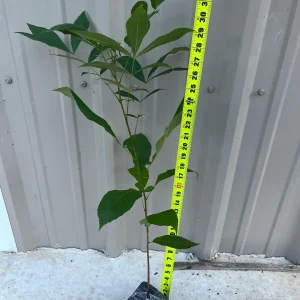
Hardy Pecan Tree (Carya illinoinensis) Live Plant 3.5in Pot 10-16in Tall
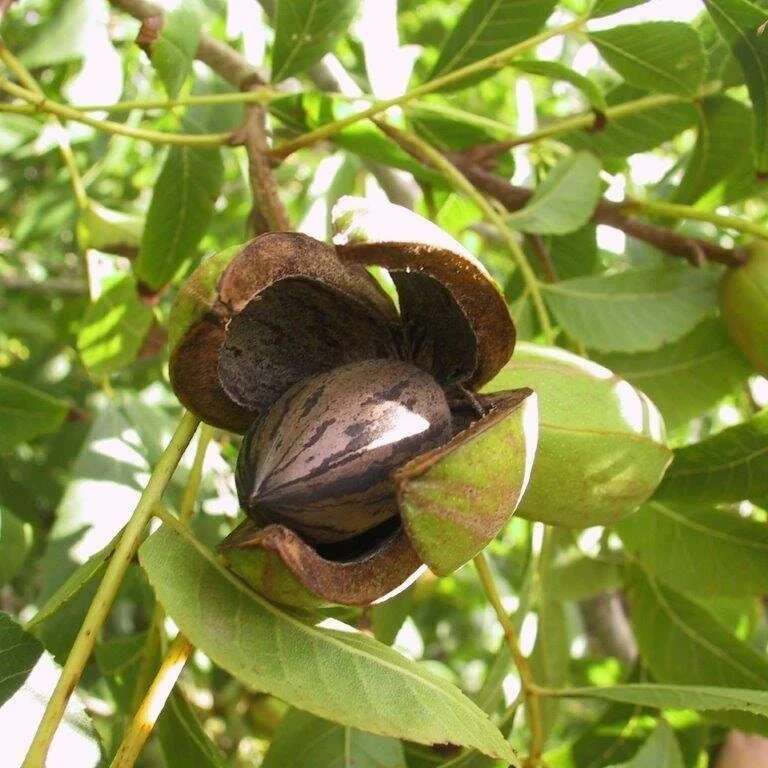
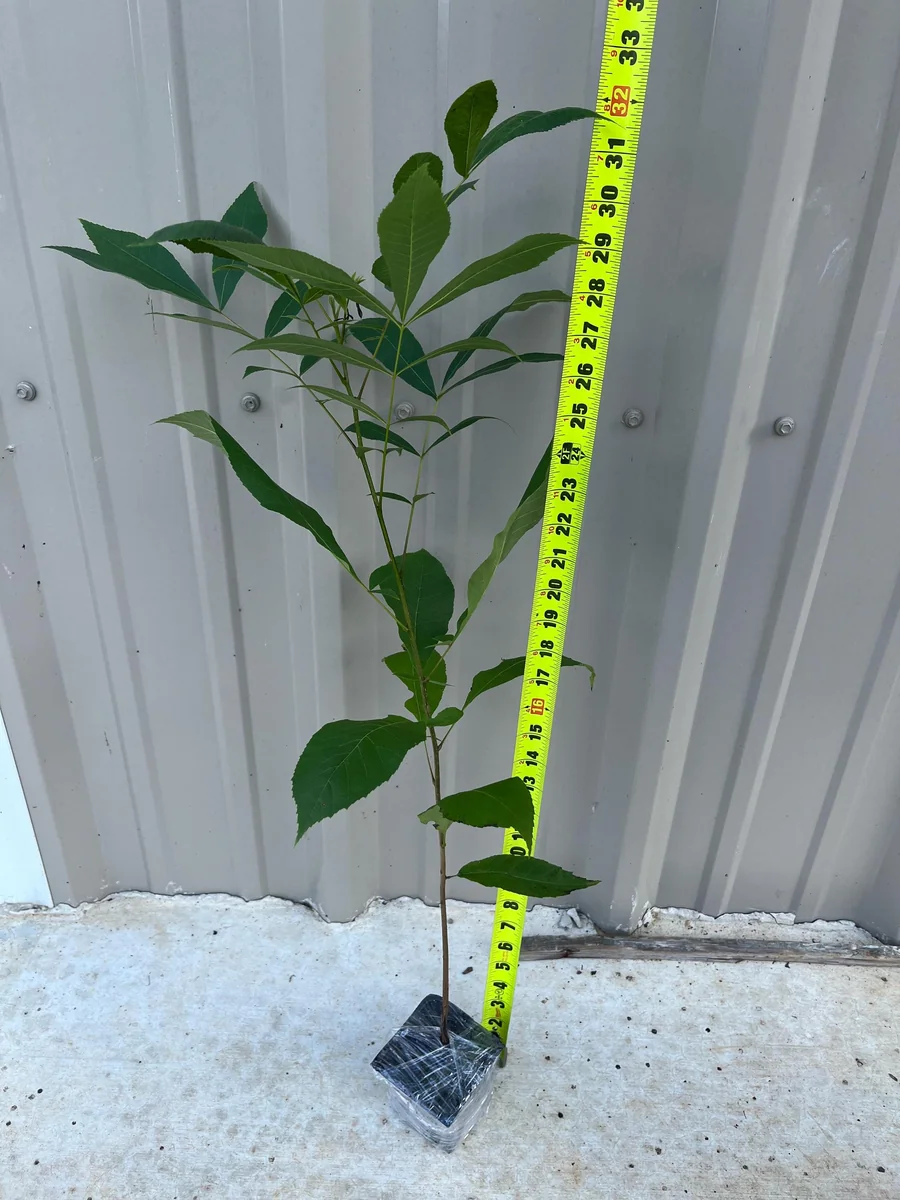
Cultivate your own delicious nuts with a hardy pecan tree. This pecan tree live plant (Carya illinoinensis) arrives in a 3.5-inch pot, standing 10-16 inches tall, ready to thrive and provide ample shade and edible nuts for years to come. Perfect for zones 5-9.
From Original price was: $143.20.$71.60Current price is: $71.60.

With our Alive & Thrive Guarantee, we’ve got your back for the first 30 days! If you have any concerns about your plants, just reach out to us. Our team is here to help answer your questions and guide you in selecting the best plants for your garden, climate, and unique preferences. We're excited to help you create the garden of your dreams!
Estimated arrival
Mar 22
Mar 27 - Mar 29
Apr 01 - Apr 05

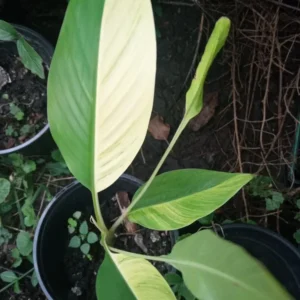
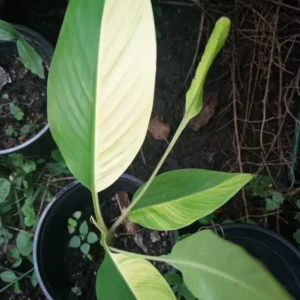
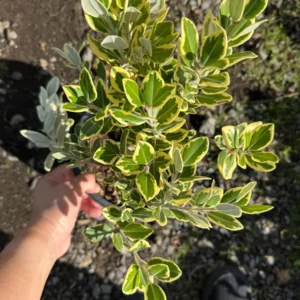
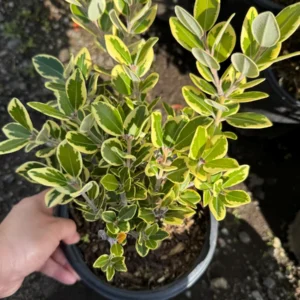
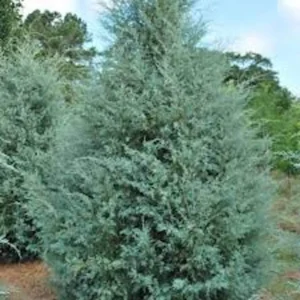
Product Details
-
USDA Hardiness Zone
5-9 -
Soil type
Well-draining loamy or sandy loam soil -
Sunlight Exposure
Full sun (6-8 hours direct light) -
Expected Planting Period
Late winter to early spring
Overview
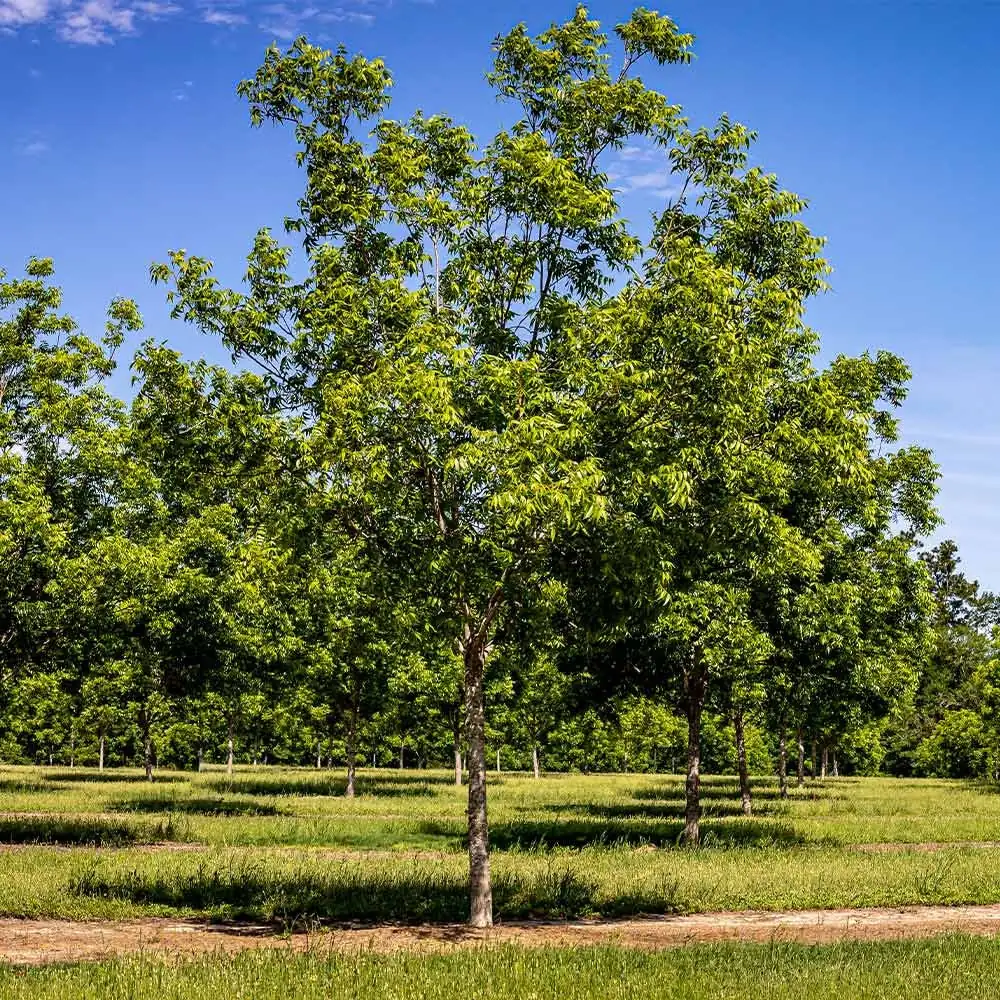
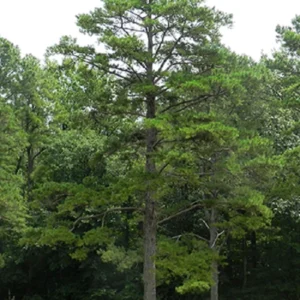
Experience the joy of growing your own nuts with this magnificent hardy pecan tree, scientifically known as Carya illinoinensis. This impressive pecan tree live plant is a true giant of the nut world, native to North America, and will become a standout feature in any landscape. Valued for both its delicious, edible nuts and its dense, shade-providing foliage, the pecan tree offers a unique combination of beauty and utility. These trees are renowned for their ability to reach significant heights, often towering around 70 to 100 feet, creating a majestic presence. Our young pecan tree comes carefully packaged in a 3.5-inch pot, with a height of 10-16 inches, ready to establish itself in your garden. The carya illinoinensis features a broad canopy of lush green leaves that provide essential shade during hot summer days, transforming into brilliant shades of yellow and orange in the fall for a spectacular display.
Beyond its aesthetic appeal, the hardy pecan tree is a valuable addition to ecosystems, supporting local wildlife and contributing to biodiversity. It’s a long-term investment that provides decades of enjoyment and a bountiful harvest. Whether you’re an experienced arborist or a budding gardener interested in growing pecan trees, this live plant offers an excellent opportunity to cultivate a piece of American natural heritage right in your backyard. Its robust nature makes it a reliable choice for many climates within its hardiness zones.
Key Benefits
Adding a pecan tree to your property offers a multitude of benefits, from ecological contributions to personal enjoyment and culinary rewards. This pecan tree live plant is more than just a decorative element; it’s a productive and enduring member of your landscape:
- Abundant Edible Nuts: The primary draw of the hardy pecan tree is its delicious, rich-flavored nuts. Enjoy fresh pecans straight from your garden, perfect for baking, snacking, or gifting.
- Exceptional Shade Provider: With its broad canopy and impressive mature size, this tree offers extensive shade, reducing cooling costs for your home and creating comfortable outdoor living spaces.
- Stunning Seasonal Color: In autumn, the foliage of the carya illinoinensis transforms into vibrant yellows and oranges, providing a breathtaking display that enhances your landscape’s beauty.
- Long-Term Investment: Pecan trees are long-lived, often producing nuts for many decades. Planting one is an investment that yields returns for generations, both in terms of harvest and property value.
- Wildlife Habitat: The tree provides food and shelter for various wildlife, contributing to the ecological health of your garden and surrounding environment.
- Durable & Adaptable: Known for its hardiness, the hardy pecan tree thrives in a range of conditions within its recommended zones, demonstrating resilience once established.
- Sustainable Food Source: Growing pecan trees allows you to cultivate a sustainable and renewable food source, reducing reliance on commercial products.
Plant Care & Growing Tips
Proper care is essential for a thriving hardy pecan tree. These trees are relatively low-maintenance once established, but providing the right conditions from the start will ensure robust growth and a strong harvest. Pecan trees thrive in full sun, requiring at least 6-8 hours of direct sunlight daily to produce abundant nuts. They prefer deep, well-draining soils, ideally loamy or sandy loams, and are often found along riverbanks in their native habitats, indicating a need for consistent moisture, especially when young. While they tolerate various soil types, good drainage is crucial to prevent root rot. Ensure your planting site is free of standing water.
Watering is particularly important during the first few years after planting. Deep watering once or twice a week, depending on rainfall and soil type, will encourage a strong root system. As the pecan tree live plant matures, it becomes more drought-tolerant, but supplemental watering during dry spells will benefit nut production. Fertilize your carya illinoinensis annually in early spring with a balanced fertilizer formulated for nut trees or a general-purpose slow-release fertilizer. Follow package directions for application rates based on the tree’s size. Pruning should focus on removing dead, diseased, or crossing branches, and shaping the tree for optimal airflow and light penetration. This typically occurs in late winter or early spring before new growth begins. Protect young trees from pests and diseases with appropriate treatments, and consider trunk guards to prevent rodent damage. Understanding the specifics of growing pecan trees will lead to a healthier, more productive plant.
Size & Details
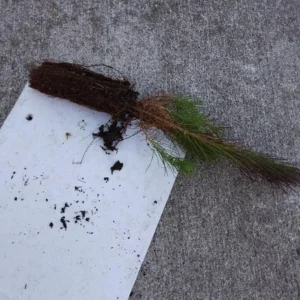
This hardy pecan tree is provided as a live plant, carefully cultivated and ready for transplanting into your garden. Each specimen arrives in a sturdy 3.5-inch nursery pot, ensuring its root system is well-protected during transit and prepared for its new home. The young tree stands between 10 to 16 inches in height, offering a manageable size for initial planting while allowing for significant growth potential. Pecan trees are known for their impressive mature dimensions; they typically grow to a height of 70-100 feet with a spread of 40-75 feet, forming a magnificent, wide canopy. The deep roots of the carya illinoinensis enable it to access ample moisture, contributing to its robust growth. Expect a moderate to fast growth rate, especially in ideal conditions. While nut production timing can vary, mature trees typically begin yielding nuts within 6-10 years, with full production after 15-20 years. This long-lived tree will provide decades of shade, beauty, and delicious pecans.
Frequently Asked Questions
- Q: How big does this hardy pecan tree get? A: A mature hardy pecan tree (Carya illinoinensis) can typically reach impressive heights of 70 to 100 feet with a spread of 40 to 75 feet, creating a vast, shady canopy.
- Q: What size pot does the pecan tree live plant come in? A: This pecan tree live plant is shipped in a 3.5-inch diameter nursery pot, and the plant itself stands approximately 10-16 inches tall.
- Q: Is this an indoor or outdoor plant? A: The hardy pecan tree is an outdoor tree, best suited for planting directly in the ground where it has ample space to grow and develop its extensive root system.
- Q: How much sunlight does a carya illinoinensis need? A: Pecan trees require full sun exposure, meaning at least 6-8 hours of direct sunlight per day, for optimal growth and nut production.
- Q: Is this plant easy to care for? A: Once established, growing pecan trees are relatively low-maintenance. They primarily need consistent watering during their younger years and annual fertilization.
- Q: What condition will the tree arrive in? A: Your hardy pecan tree will arrive as a live, healthy plant in its nursery pot, carefully packaged to ensure its safety during transit.
- Q: When is the best time to plant a pecan nut tree? A: The best time to plant a pecan tree is typically in late winter or early spring, before new growth begins, allowing the tree to establish its roots before the summer heat.
- Q: What USDA zones are suitable for growing pecan trees? A: Hardy Pecan trees thrive in USDA Hardiness Zones 5 through 9, making them suitable for a wide range of climates across the United States.
- Q: How long until this tree produces nuts? A: While it varies, a pecan nut tree typically begins producing nuts within 6-10 years after planting, with significant yields starting after 15-20 years.
| Hardy Pecan | 1, 2, 3, 4, 5 |
|---|
Related products
-20%
Original price was: $36.00.$28.80Current price is: $28.80.
-10%
Original price was: $80.99.$72.89Current price is: $72.89.

PLANTING & CARE

The Comprehensive Guide to Growing Bay Leaf Plants for a Flavorful Garden
Imagine stepping into your garden, greeted by the earthy aroma of fresh bay leaves, their
09
Feb
Feb

How to Make Comfrey Tea: The Ultimate Organic Plant Food
Growing an organic garden can be surprisingly expensive, especially when most store-bought fertilizers come in
02
Feb
Feb

True Comfrey: 7 Essential Tips Before You Plant This Herb
A staple in permaculture practices across the US, True Comfrey easily earns its reputation as
27
Jan
Jan

7 Heart-Shaped Plants for a Lasting Valentine’s Gift
If you’ve ever bought a bouquet of roses for Valentine’s Day, you know they are
26
Jan
Jan

Best Types of Ivy Plant for Houses: How to Choose the Perfect Ones for Your Home
Are you a garden lover looking to introduce some greenery into your home? Maybe you’ve
14
Nov
Nov

When to Harvest Garlic (Especially Fall-Planted Garlic)
TIMING IS EVERYTHING, they say – and for garlic, that truth hits with surprising accuracy.
13
Nov
Nov

11 of the Best Sweet Potato Varieties to Grow for Your Garden
If you’ve ever tried growing sweet potatoes, you know that picking the right variety can
12
Nov
Nov
Pruning Bougainvillea for Winter
Bougainvillea vines are known for their dazzling display of magenta, orange, and fuchsia bracts that
05
Nov
Nov