Haworthia cymbiformis var. obtusa Live Plant – 2 inch Pot – Indoor Succulent
-50%
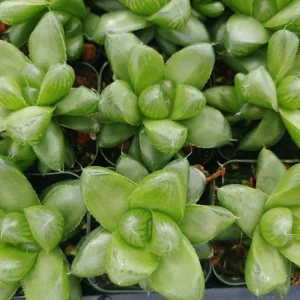
Haworthia cymbiformis var. obtusa Live Plant – 2 inch Pot – Indoor Succulent
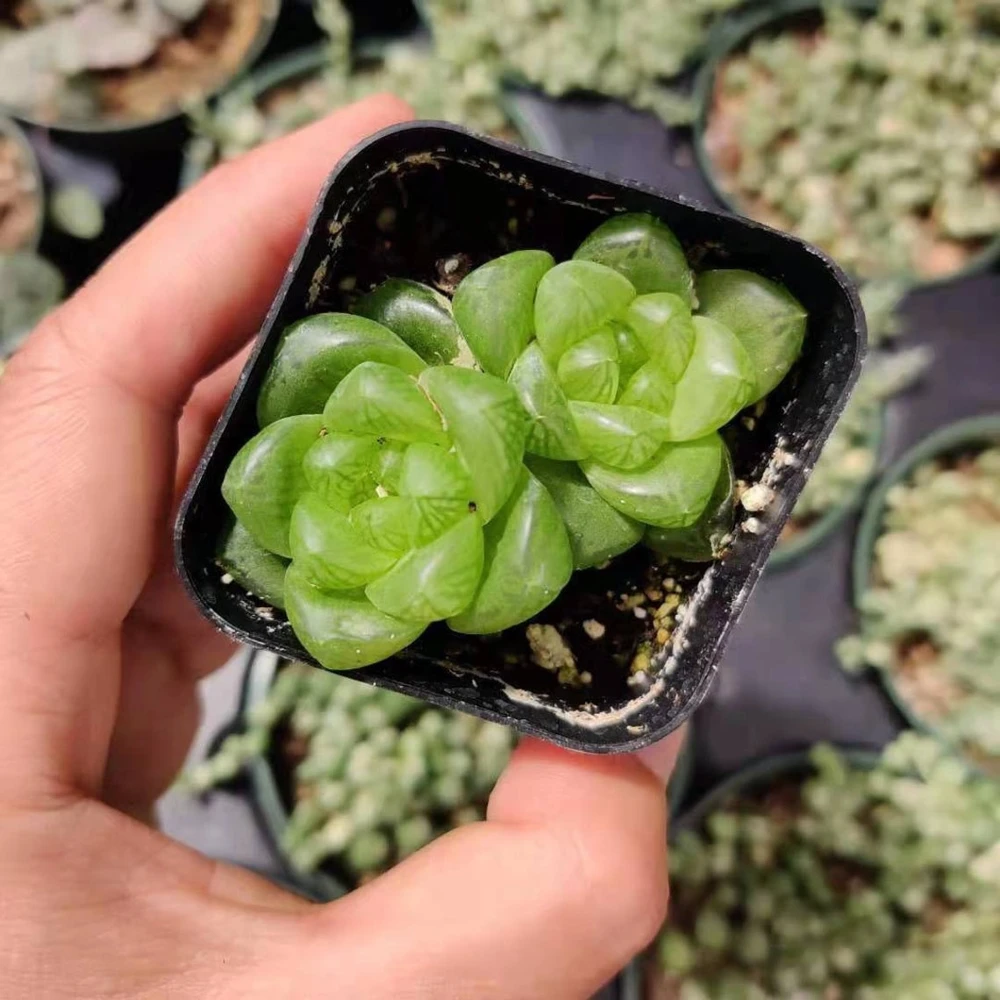
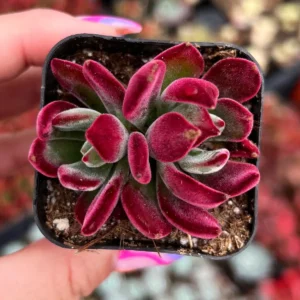
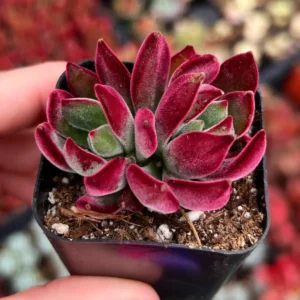
Bring home a beautiful Haworthia cymbiformis var. obtusa live plant, a delightful succulent perfect for any indoor setting. This compact 2-inch potted plant is known for its unique, translucent leaves and easy-care nature, making it an excellent choice for beginners and experienced plant enthusiasts alike.
Original price was: $32.00.$16.00Current price is: $16.00.

With our Alive & Thrive Guarantee, we’ve got your back for the first 30 days! If you have any concerns about your plants, just reach out to us. Our team is here to help answer your questions and guide you in selecting the best plants for your garden, climate, and unique preferences. We're excited to help you create the garden of your dreams!
Estimated arrival
Oct 14
Oct 19 - Oct 21
Oct 24 - Oct 28
Product Details
-
USDA Hardiness Zone
USDA zones 9-11 (outdoors) or year-round indoors -
Soil type
Fast-draining succulent/cactus mix -
Sunlight Exposure
Bright, indirect light -
Expected Planting Period
Year-round indoors
Overview
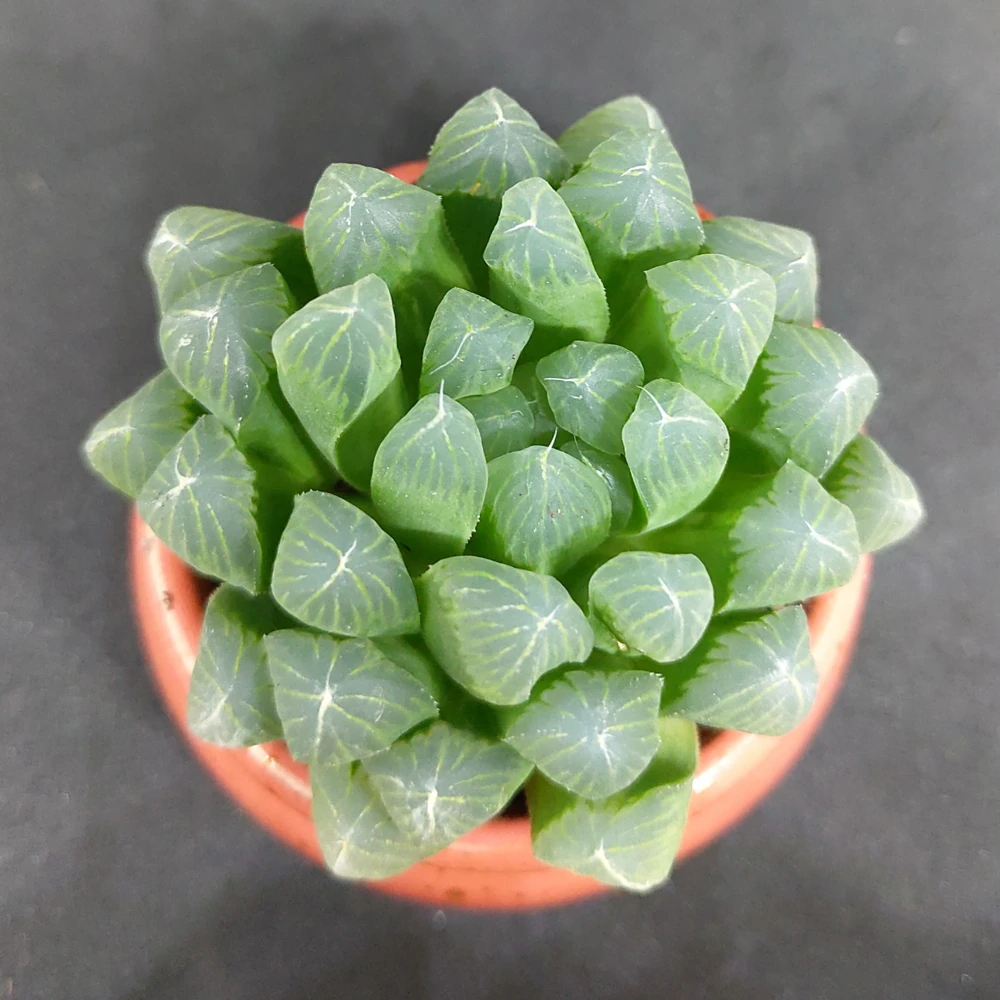
Introduce a touch of natural elegance to your home with the exquisite Haworthia cymbiformis var. obtusa live plant. This particular variety of Haworthia is cherished for its distinctive, plump, and often translucent leaves that form a beautiful rosette pattern. Originating from South Africa, this succulent is a fantastic choice for those seeking a low-maintenance yet visually appealing addition to their indoor plant collection. Its compact size, typically arriving in a 2-inch pot, makes it ideal for desks, windowsills, or terrariums. The Haworthia cymbiformis var. obtusa live plant is not just a decorative item; it’s a resilient and rewarding species that thrives with minimal attention, making it one of the most popular indoor succulent plants available today.
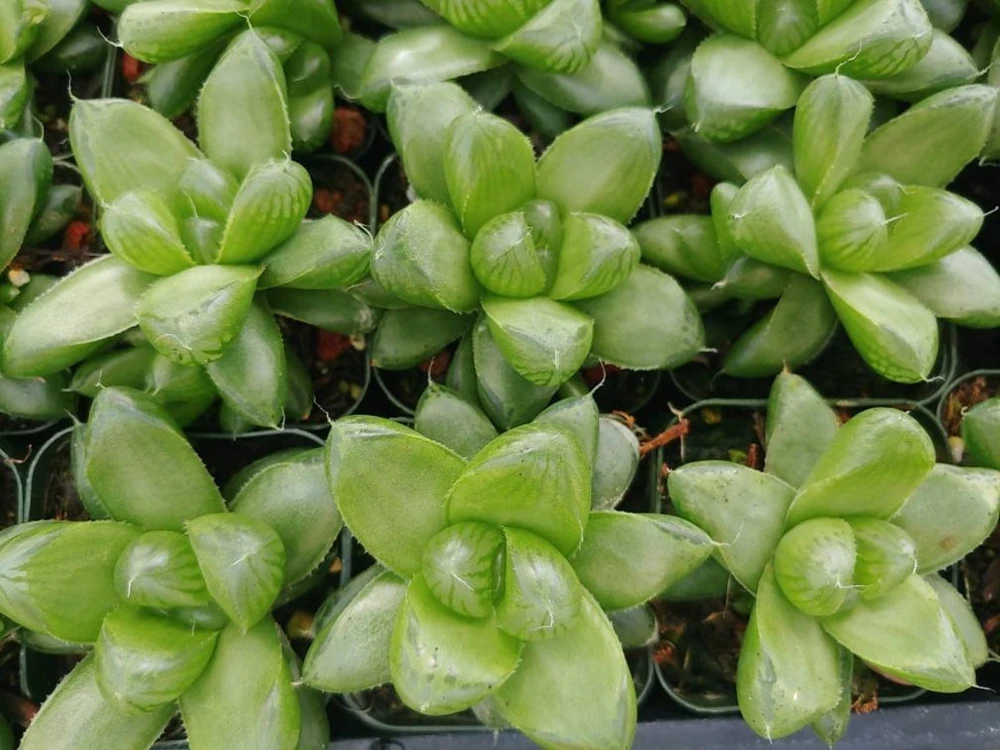
Known for its striking appearance and robust nature, the Haworthia cymbiformis var. obtusa is often referred to by its common name, “Cat’s Eye Haworthia,” due to the clear, eye-like windows at the tips of its leaves that allow light to penetrate and aid in photosynthesis. This unique feature adds to its charm and makes it a fascinating conversation piece. Whether you are expanding your collection of small house plants or just starting your green journey, this Haworthia offers an easy and beautiful entry point into the world of succulents.
Key Benefits
The Haworthia cymbiformis var. obtusa live plant offers numerous advantages, making it a beloved choice among plant enthusiasts. Its ease of care and unique aesthetics contribute to its widespread appeal, providing both beauty and convenience for any plant parent.
- Low Maintenance: This succulent is incredibly forgiving and requires minimal watering and attention, perfect for busy individuals or those new to plant care. Its resilience makes it an ideal small house plant that doesn’t demand constant oversight.
- Compact Size: Growing to a small, manageable size, the Haworthia cymbiformis var. obtusa fits perfectly in tight spaces, on office desks, bookshelves, or as part of a succulent arrangement. It’s a great option for adding greenery without taking up much room.
- Unique Appearance: With its striking rosette formation and translucent leaf tips, this plant offers a distinct visual appeal that stands out from other succulents. Each plant has a subtle variation, adding to its individual charm.
- Air Purifying Properties: Like many houseplants, the Haworthia cymbiformis var. obtusa live plant contributes to a healthier indoor environment by helping to purify the air, albeit on a smaller scale due to its size.
- Drought Tolerant: As a succulent, it stores water in its leaves, allowing it to withstand long periods without water, reducing the risk of overwatering—a common issue for new plant owners.
- Versatile Decor: Its elegant form and vibrant green hues make it a versatile decorative element that complements various interior design styles, from modern minimalist to rustic bohemian.
- Easy Propagation: Over time, this plant produces offsets that can be easily separated and grown into new plants, allowing you to expand your collection or share with friends. Understanding Haworthia cymbiformis care can lead to a thriving collection.
Plant Care & Growing Tips
Providing proper Haworthia cymbiformis care is straightforward, ensuring your Haworthia cymbiformis var. obtusa live plant thrives and maintains its beautiful appearance. These succulents are adapted to arid conditions, so replicating their natural environment is key to their success.
Sunlight Requirements: Place your Haworthia in bright, indirect light. While it tolerates some direct morning sun, prolonged exposure to intense afternoon sunlight can scorch its leaves. An east-facing window is often ideal, or a shaded spot outdoors in warmer climates. Sufficient light is crucial for maintaining its compact form and vibrant color. If the leaves start to stretch or become pale, it may need more light.
Watering Schedule & Soil Moisture: The most common mistake in succulent care is overwatering. Water infrequently, allowing the soil to dry out completely between waterings. In most indoor environments, this means watering once every 2-4 weeks, depending on humidity and temperature. During winter, watering should be reduced further. When you do water, do so thoroughly until water drains from the bottom of the pot. Always ensure the soil is dry to the touch before the next watering to prevent root rot.
Soil Type & Drainage: Use a fast-draining soil mix specifically formulated for succulents and cacti. A good mix typically consists of peat moss, perlite, and/or coarse sand, which provides excellent drainage and aeration. A well-draining terracotta pot is highly recommended, especially for indoor succulent plants, as it helps wick away excess moisture and promotes healthy root growth. Avoid standard potting soil, which retains too much water.
Temperature Range & USDA Hardiness Zone: Haworthias prefer temperatures between 65-80°F (18-27°C). They are not frost-tolerant and should be protected from freezing temperatures. If grown outdoors, they are generally suited for USDA zones 9-11. Indoors, they thrive in typical household temperatures. Avoid sudden temperature fluctuations.
Fertilization Schedule: Fertilize sparingly, if at all. During the growing season (spring and summer), you can apply a diluted balanced liquid houseplant fertilizer once a month. Use a formula specifically for succulents or at half strength to avoid over-fertilizing, which can harm the plant. No fertilization is needed during the dormant winter months.
Common Problems: Watch out for signs of overwatering, such as mushy or yellowing leaves. If this occurs, reduce watering frequency and check for root rot. Pests are generally not a major issue, but occasional mealybugs or spider mites can be treated with insecticidal soap. Proper Haworthia cymbiformis care helps prevent most issues.
Size & Details
This offering includes one live Haworthia cymbiformis var. obtusa live plant, carefully cultivated and shipped in a 2-inch nursery pot. The plant is compact, typically measuring approximately 2-3 inches in diameter, making it an ideal candidate for small spaces or as an accent in larger succulent arrangements. Its mature size will generally remain within a 4-6 inch diameter, growing slowly over time. The plant’s leaves are thick, succulent, and form a tight rosette, featuring the characteristic translucent tips that give this variety its unique appeal. Each plant is unique, and slight variations in color and shape may occur, reflecting the natural diversity of these beautiful Haworthia varieties.
Your plant will arrive healthy and ready to be placed in its new home. While it is shipped in its nursery pot, you may choose to repot it into a decorative container of your choice, ensuring the new pot also has drainage holes. This particular small house plant is a slow grower, meaning it will maintain its charming, compact size for an extended period, requiring infrequent repotting—typically only every 2-3 years, or when it outgrows its current container. This makes it a perfect long-term companion for any plant enthusiast.
Frequently Asked Questions
- Q: How big does this plant get? A: The Haworthia cymbiformis var. obtusa live plant typically grows to a diameter of 4-6 inches at maturity. It is a slow-growing succulent, making it an excellent choice for those looking for a plant that maintains a compact size.
- Q: What size pot does it come in? A: This Haworthia is shipped in a 2-inch nursery pot, providing a perfect starting size for your new indoor succulent. You can keep it in this pot for a while or transplant it into a slightly larger decorative pot with good drainage.
- Q: Is this an indoor or outdoor plant? A: This Haworthia is primarily an indoor plant, thriving in bright, indirect light. It can be grown outdoors in shaded areas in USDA zones 9-11, but must be protected from frost and intense direct sunlight.
- Q: How much sunlight does it need? A: The Haworthia cymbiformis var. obtusa live plant prefers bright, indirect light. Avoid prolonged exposure to harsh, direct sunlight, which can cause leaf burn. A spot near an east or north-facing window is often ideal.
- Q: Is this plant easy to care for? A: Yes, this is considered a very easy-care succulent, perfect for beginners. Its drought tolerance and minimal light requirements make Haworthia cymbiformis care relatively simple.
- Q: What condition will it arrive in? A: Your Haworthia cymbiformis var. obtusa live plant will arrive as one live, healthy plant in its 2-inch nursery pot, carefully packaged to ensure its safe journey. Some minor imperfections from shipping are normal.
- Q: How often should I water my Haworthia? A: Water infrequently, allowing the soil to dry out completely between waterings. This usually means every 2-4 weeks, depending on environmental factors. Overwatering is the biggest threat to this indoor succulent plant.
- Q: What kind of soil is best for Haworthia? A: A well-draining succulent or cactus potting mix is essential. This typically contains ingredients like perlite or coarse sand to ensure good drainage and prevent root rot.
- Q: Is this plant pet-safe? A: Haworthia species are generally considered non-toxic to pets, making the Haworthia cymbiformis var. obtusa live plant a safe choice for homes with cats and dogs. However, it’s always best to discourage pets from chewing on plants.
- Q: When is the best time to repot this plant? A: Repotting is generally needed every 2-3 years, or when the plant has significantly outgrown its current pot. The best time to repot is during the spring or early summer when the plant is actively growing.
Related products
-30%
Original price was: $79.98.$55.98Current price is: $55.98.
-30%
Original price was: $79.98.$55.98Current price is: $55.98.
-30%
Original price was: $47.98.$33.58Current price is: $33.58.
PLANTING & CARE
Lemon Tree Growing: Choose, Plant, and Harvest
Learn how to choose, plant, feed, and protect a lemon tree so it fits your
23
Sep
Sep
Dwarf Meyer Lemon Tree Australia: Climate Guide
Learn where dwarf Meyer lemon trees grow, how much cold they tolerate, and whether Australia,
Where to Buy a Dwarf Meyer Lemon Tree: Buyer’s Guide
Find the right dwarf Meyer lemon tree online or locally, compare starter sizes and costs,
Dwarf Meyer Lemon Tree for Sale: Buying Guide
Compare Meyer lemon tree sizes, prices, shipping limits, indoor growing and California options before you
Dwarf Meyer Lemon Tree Guide: Size, Care and Fruit
META: Learn how large a dwarf Meyer lemon tree grows, where it thrives, and how
How to Prune a Dwarf Meyer Lemon Tree
Learn when and how to prune a dwarf Meyer lemon tree, including tools, shaping cuts,
Can You Grow a Dwarf Meyer Lemon Tree in a Pot?
META: Learn how to grow a dwarf Meyer lemon tree in a pot, including container
When Do Dwarf Meyer Lemon Trees Bloom and Fruit?
META: Dwarf Meyer lemon trees usually bloom from winter through spring and may flower again