Haworthia Marumiana var. Batesiana Bayer Live Plant – 2 inch or 4 inch Pot – Indoor Succulent
-30%
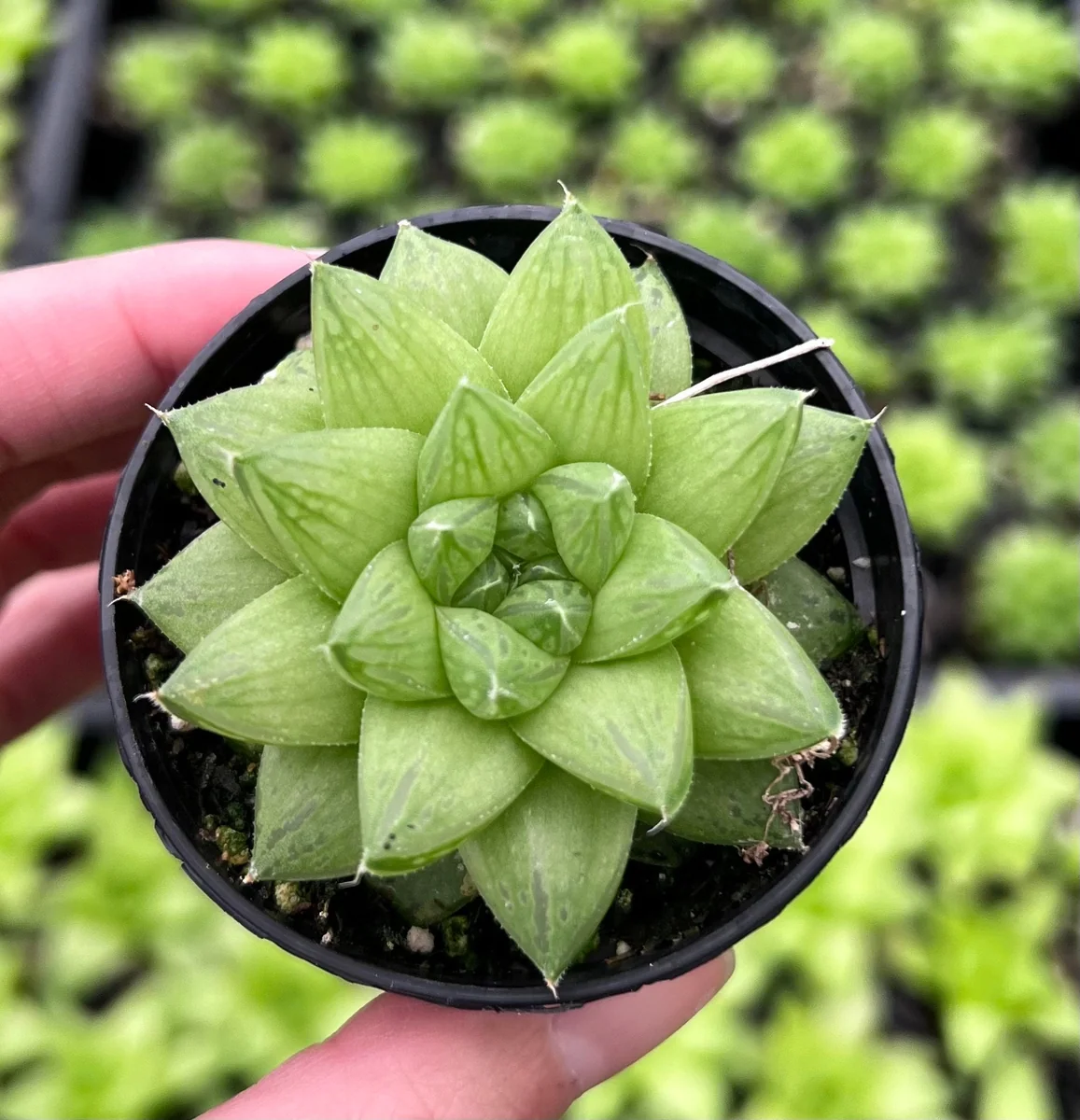
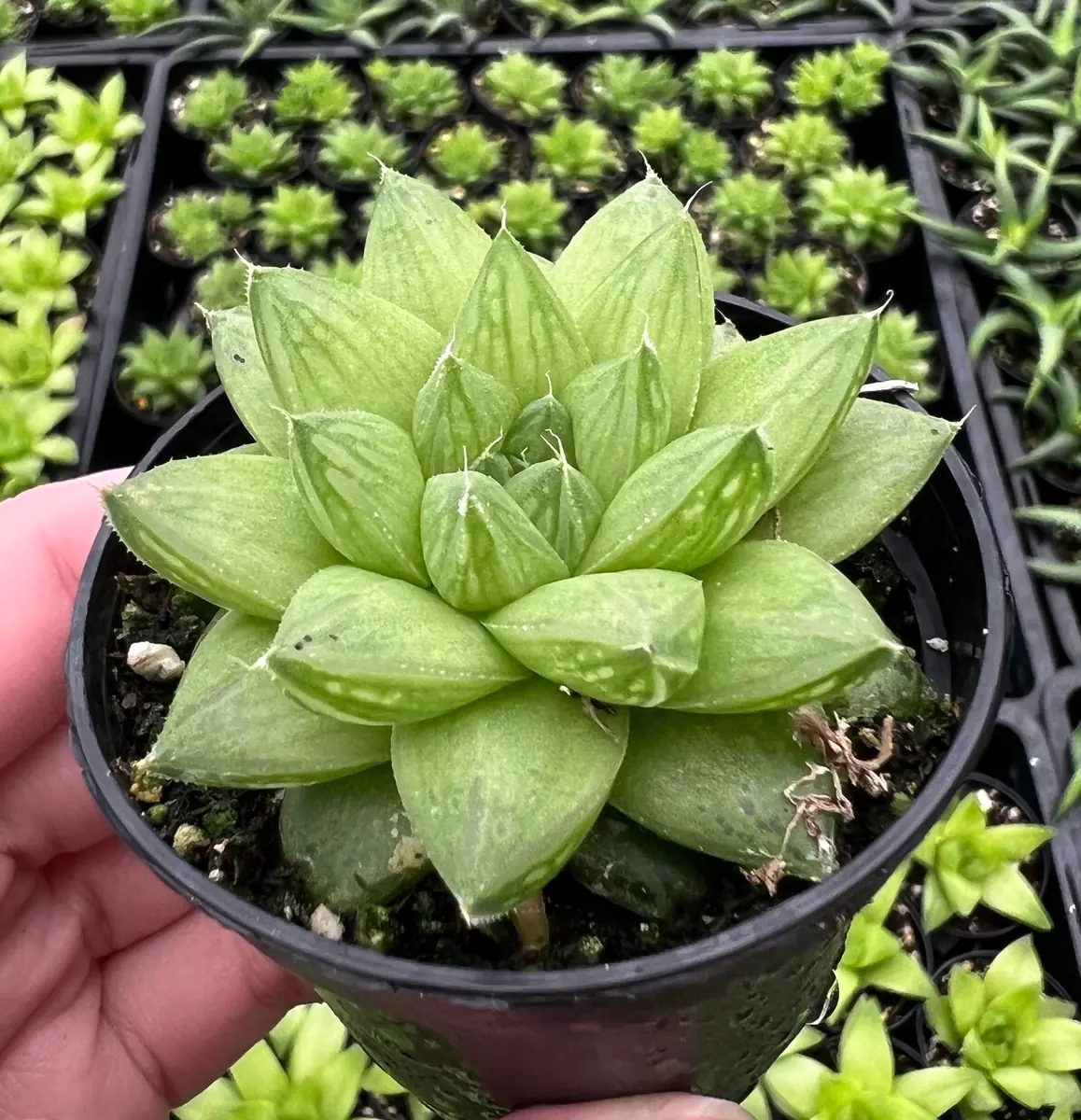
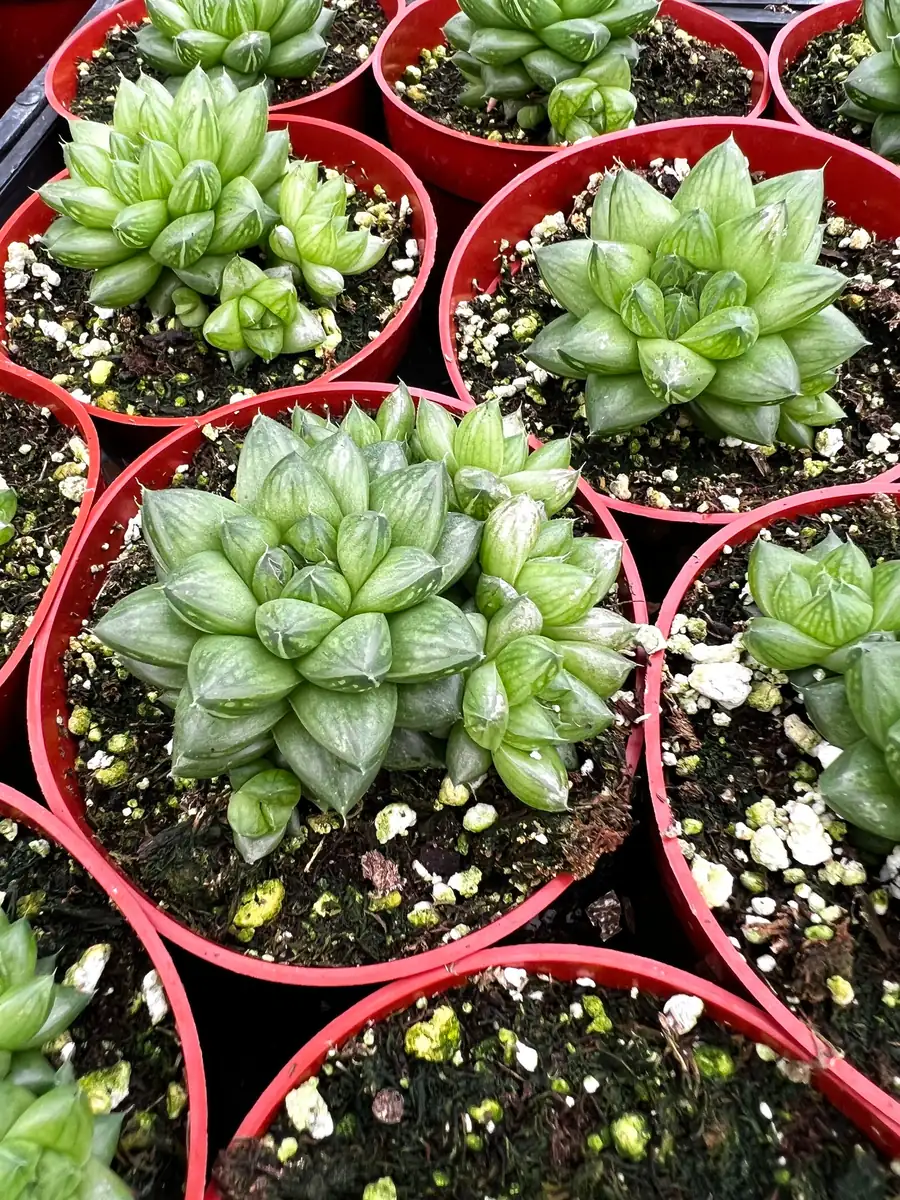
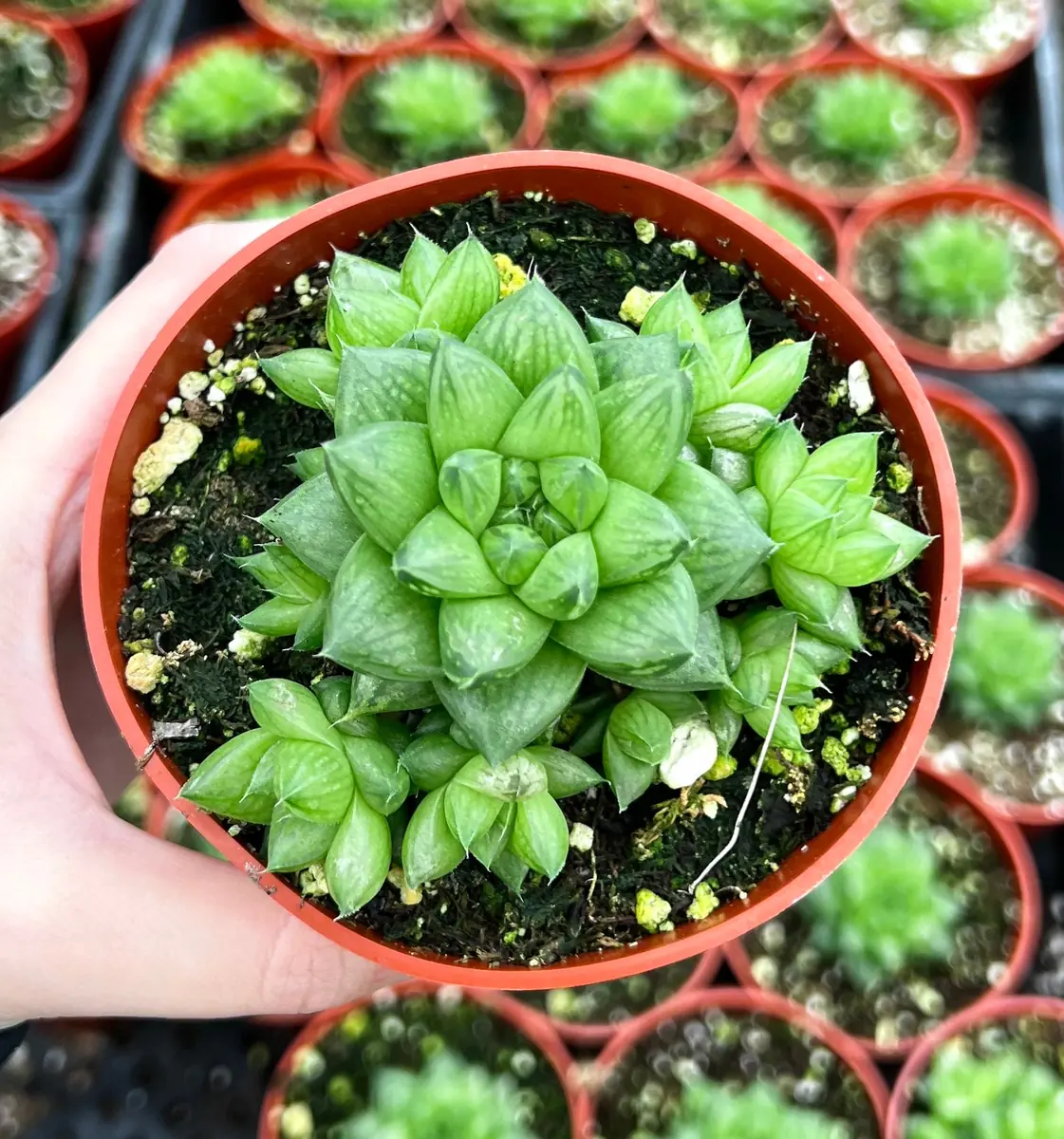
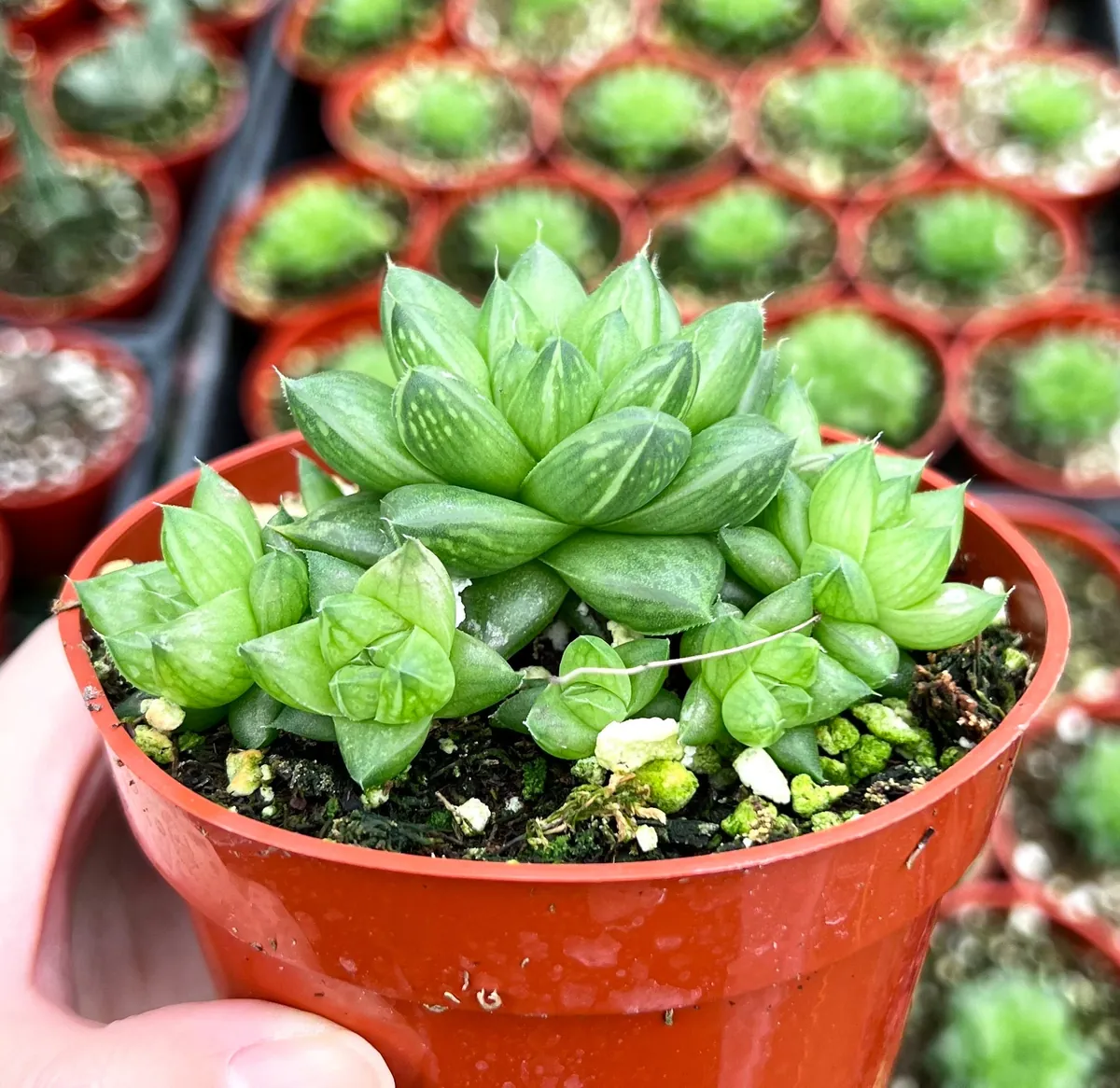
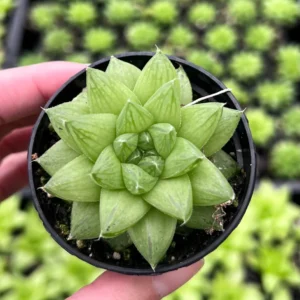
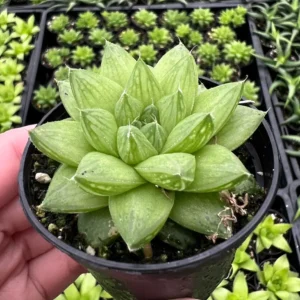
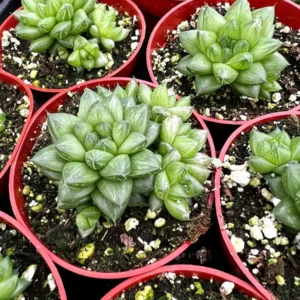
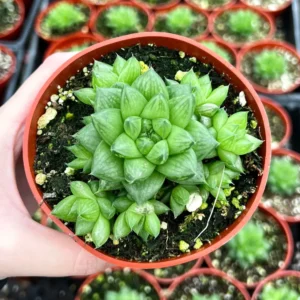
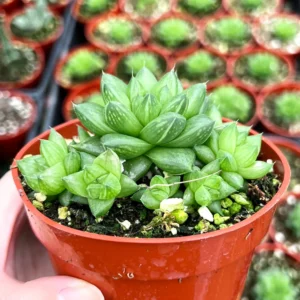
Haworthia Marumiana var. Batesiana Bayer Live Plant – 2 inch or 4 inch Pot – Indoor Succulent
Bring home the unique Haworthia Marumiana var. Batesiana Bayer, an attractive and easy-to-care-for indoor Haworthia plant. This compact succulent is perfect for desks, shelves, or windowsills, thriving with minimal effort and adding a touch of natural beauty to any indoor space.
From Original price was: $27.96.$19.56Current price is: $19.56.

With our Alive & Thrive Guarantee, we’ve got your back for the first 30 days! If you have any concerns about your plants, just reach out to us. Our team is here to help answer your questions and guide you in selecting the best plants for your garden, climate, and unique preferences. We're excited to help you create the garden of your dreams!
Estimated arrival
Apr 03
Apr 08 - Apr 10
Apr 13 - Apr 17
Product Details
-
USDA Hardiness Zone
USDA zones 9–11 (indoors elsewhere) -
Soil type
Well-draining succulent/cactus potting mix -
Sunlight Exposure
Bright indirect light -
Expected Planting Period
Year-round indoors
Overview
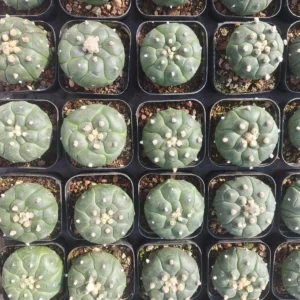
Introduce a fascinating addition to your plant collection with the Haworthia Marumiana var. Batesiana Bayer live plant. This striking succulent is renowned for its distinctive, architectural foliage, featuring plump, triangular leaves arranged in a tight rosette. Each leaf boasts intricate patterns and translucent tips, giving it a jewel-like appearance that captures attention. As an indoor Haworthia plant, it’s an excellent choice for plant enthusiasts of all skill levels, from beginners to experienced collectors. Its compact growth habit makes it ideal for small spaces, urban dwellings, or as part of a larger succulent display. Native to South Africa, this variety of Haworthia is celebrated for its resilience and low-maintenance needs, making it a perfect pet-friendly houseplant option. You will receive a healthy, established plant, ready to thrive in its new home.
The Haworthia genus is part of the Asphodelaceae family, closely related to Aloe and Gasteria. The specific ‘Batesiana’ variety is particularly prized for its unique leaf structure and often exhibits a darker green coloration with prominent texture. This succulent Haworthia is not just a plant; it’s a living sculpture that adds a sophisticated touch to any interior decor. Its slow growth rate means it won’t outgrow its spot quickly, providing long-lasting beauty with minimal fuss. Whether you’re looking to start a succulent garden or simply add a unique specimen to your collection, this Haworthia is an outstanding choice that promises aesthetic appeal and ease of care.
Key Benefits
The Haworthia Marumiana var. Batesiana Bayer offers numerous advantages, making it a highly desirable houseplant. Its appealing characteristics contribute to both its ornamental value and its suitability for diverse living environments.
- Low Maintenance: This easy care succulent is incredibly forgiving, requiring infrequent watering and minimal attention, making it perfect for busy individuals or those new to plant care. Its robust nature means less worry about common plant ailments.
- Unique Aesthetic Appeal: With its intricate rosette form and translucent leaf tips, the Haworthia Marumiana var. Batesiana Bayer provides a unique visual texture. It serves as a natural conversation starter and a beautiful focal point on any desk, shelf, or windowsill.
- Compact Size: Growing to a small, manageable size, this plant is ideal for apartments, offices, or any space where room is limited. It fits perfectly into small pots and can be easily moved or arranged as part of a succulent collection.
- Air Purification: Like many houseplants, Haworthias contribute to improved indoor air quality by absorbing toxins and releasing oxygen, helping to create a healthier and more refreshing living environment.
- Drought Tolerant: As a succulent, it naturally stores water in its leaves, allowing it to withstand periods of drought. This resilience ensures it remains vibrant even if you occasionally forget to water it.
- Versatile Decor: Its distinctive appearance complements a wide range of interior design styles, from modern minimalist to rustic. It can be showcased individually or integrated into mixed succulent arrangements.
- Pet-Friendly: Unlike some common houseplants, Haworthia species are generally considered non-toxic to pets, offering peace of mind for pet owners who want to enjoy greenery indoors.
Plant Care & Growing Tips
Caring for your Haworthia Marumiana var. Batesiana Bayer is straightforward, ensuring a beautiful and thriving plant with minimal effort. Understanding its basic needs will help you maintain its unique beauty.
Sunlight Requirements: This indoor Haworthia plant thrives in bright, indirect light. A north or east-facing window is often ideal, providing sufficient light without the harshness of direct afternoon sun, which can scorch its leaves. If placed in a south or west-facing window, ensure it’s set back a few feet or filtered by a sheer curtain. While it tolerates lower light conditions, consistent bright indirect light will encourage more vibrant coloration and compact growth. Rotate the plant periodically to ensure even light exposure on all sides.
Watering Schedule and Soil Moisture: The key to successful Haworthia care is proper watering. Allow the soil to dry out completely between waterings. When you do water, do so thoroughly until water drains from the bottom of the pot. During the growing season (spring and summer), this might be every 2-4 weeks, but in the dormant winter months, watering can be reduced to once a month or even less. Overwatering is the most common cause of problems, leading to root rot. If you’re unsure, it’s always better to underwater than overwater. The succulent leaves of the Haworthia Batesiana care for themselves by storing water.
Soil Type and Drainage Requirements: Use a well-draining potting mix specifically formulated for succulents and cacti. A good mix typically contains perlite or pumice to enhance drainage and aeration. Avoid heavy, moisture-retentive soils. A pot with drainage holes is absolutely essential to prevent water from sitting around the roots. Unglazed terracotta pots are an excellent choice as they allow for better air circulation and help excess moisture evaporate.
Temperature Range and USDA Hardiness Zone: Haworthias prefer average room temperatures, generally between 65-80°F (18-27°C). They are not frost-tolerant and should be protected from temperatures below 40°F (4°C). If you live in a warm climate (USDA zones 9-11), it can be grown outdoors in a protected, shaded area, but it is primarily enjoyed as an indoor specimen. Avoid sudden temperature fluctuations.
Fertilization Schedule and Type: Fertilize sparingly, if at all. During the growing season (spring and summer), you can feed your easy care succulent with a diluted, balanced liquid fertilizer (e.g., 10-10-10) at half strength, once every 2-3 months. Do not fertilize during the fall and winter months when the plant is dormant. Over-fertilization can lead to leggy growth and chemical burn.
Common Problems and Solutions: The most common issue is root rot from overwatering. If leaves become mushy or discolored at the base, reduce watering immediately and check the roots. Pests like mealybugs can occasionally appear; treat with rubbing alcohol on a cotton swab or insecticidal soap. Leggy growth indicates insufficient light, so move your plant to a brighter spot.
Size & Details
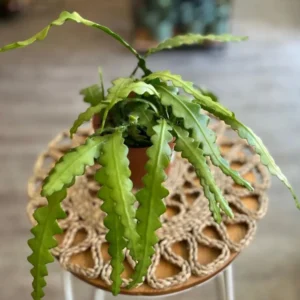
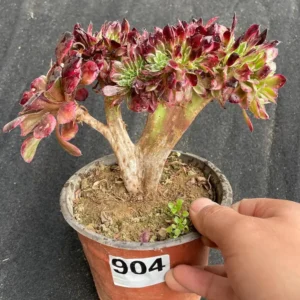
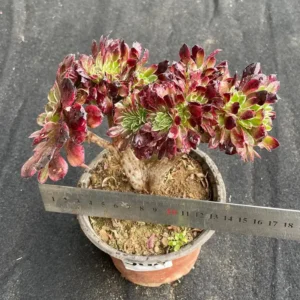
This offering includes a vibrant Haworthia Marumiana var. Batesiana Bayer live plant, available in either a 2 inch or 4 inch nursery pot, depending on your selection. The plant will be similar in size and appearance to the plant pictured, showcasing healthy foliage and a well-established root system. Haworthias are slow-growing succulents, typically reaching a mature size of about 3-6 inches in diameter and 3-4 inches in height. The exact dimensions will vary slightly based on the specific plant you receive and its maturity. These plants are shipped with their pots, ensuring minimal disturbance to the root system and a smooth transition to your home environment. The compact nature of this succulent Haworthia makes it a perfect desk plant or a charming addition to a windowsill collection, providing long-lasting beauty without requiring significant space.
The growth rate is generally slow, so you won’t need to repot frequently. Expect the plant to gradually fill its pot over several years before needing an upgrade to a slightly larger container. Its robust nature and attractive form ensure it remains a focal point in your collection for a long time. With proper Haworthia Batesiana care, this plant will thrive and potentially produce offsets (pups) around its base, which can be propagated to create new plants.
Frequently Asked Questions
- Q: How big does this plant get? A: The Haworthia Marumiana var. Batesiana Bayer is a compact succulent, typically reaching about 3-6 inches in diameter and 3-4 inches in height when mature. Its small size makes it an ideal plant for limited spaces like desks or shelves.
- Q: What size pot does it come in? A: This indoor Haworthia plant is available in either a 2 inch or 4 inch nursery pot, depending on your selection. Both sizes are perfect for immediate display or for transplanting into your preferred decorative container.
- Q: Is this an indoor or outdoor plant? A: While it can tolerate outdoor conditions in very warm, dry climates (USDA zones 9-11) with protection from direct sun, the Haworthia Marumiana var. Batesiana Bayer is primarily cultivated and thrives as an indoor houseplant. It prefers stable indoor temperatures.
- Q: How much sunlight does it need? A: This succulent requires bright, indirect light. Avoid harsh, direct afternoon sun, which can scorch its leaves. An east or north-facing window is often ideal, or a spot a few feet back from a south or west-facing window.
- Q: Is this plant easy to care for? A: Yes, the Haworthia Marumiana var. Batesiana Bayer is considered an easy care succulent, making it an excellent choice for beginners and busy plant owners. Its primary needs are well-draining soil and infrequent watering.
- Q: Is it good for beginners? A: Absolutely! Its resilience and minimal care requirements make it one of the best choices for beginners looking to start their succulent collection or add greenery to their home without much fuss.
- Q: What condition will it arrive in? A: Your Haworthia Marumiana var. Batesiana Bayer will arrive as a healthy, established live plant, shipped with its nursery pot to minimize stress and ensure it’s ready to thrive in your home.
- Q: Is it shipped in soil? A: Yes, the plant will be shipped securely in its current nursery pot with its soil, ensuring its roots are protected and hydrated during transit. This also makes for an easier transition upon arrival.
- Q: Is this plant pet-safe? A: Haworthia species are generally considered non-toxic to cats and dogs, making this a great choice for households with pets. However, it’s always best to discourage pets from consuming any houseplants.
- Q: What’s the minimum temperature it can tolerate? A: This succulent is not cold-hardy. It should be protected from temperatures below 40°F (4°C) to prevent damage or death. It thrives best in typical indoor room temperatures.
| Size | 2" Pot, 4" Pot |
|---|
Related products
-30%
Original price was: $79.98.$55.98Current price is: $55.98.
-30%
Original price was: $79.98.$55.98Current price is: $55.98.
-30%
Original price was: $79.98.$55.98Current price is: $55.98.
-30%
Original price was: $47.98.$33.58Current price is: $33.58.
-30%
Original price was: $79.98.$55.98Current price is: $55.98.
PLANTING & CARE
Growing Glencoe Raspberry: A Complete Guide for Gardeners
If you’re looking to add something unique to your garden, look no further than the
31
Mar
Mar

The Comprehensive Guide to Growing Bay Leaf Plants for a Flavorful Garden
Imagine stepping into your garden, greeted by the earthy aroma of fresh bay leaves, their
09
Feb
Feb

How to Make Comfrey Tea: The Ultimate Organic Plant Food
Growing an organic garden can be surprisingly expensive, especially when most store-bought fertilizers come in
02
Feb
Feb

True Comfrey: 7 Essential Tips Before You Plant This Herb
A staple in permaculture practices across the US, True Comfrey easily earns its reputation as
27
Jan
Jan

7 Heart-Shaped Plants for a Lasting Valentine’s Gift
If you’ve ever bought a bouquet of roses for Valentine’s Day, you know they are
26
Jan
Jan

Best Types of Ivy Plant for Houses: How to Choose the Perfect Ones for Your Home
Are you a garden lover looking to introduce some greenery into your home? Maybe you’ve
14
Nov
Nov

When to Harvest Garlic (Especially Fall-Planted Garlic)
TIMING IS EVERYTHING, they say – and for garlic, that truth hits with surprising accuracy.
13
Nov
Nov

11 of the Best Sweet Potato Varieties to Grow for Your Garden
If you’ve ever tried growing sweet potatoes, you know that picking the right variety can
12
Nov
Nov