Himalayan Blue Poppy Flower Seeds – Perennial, Outdoor, Full Sun
-50%
Himalayan Blue Poppy Flower Seeds – Perennial, Outdoor, Full Sun
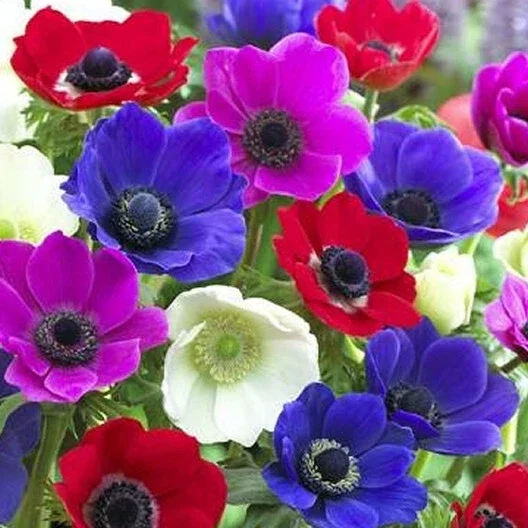
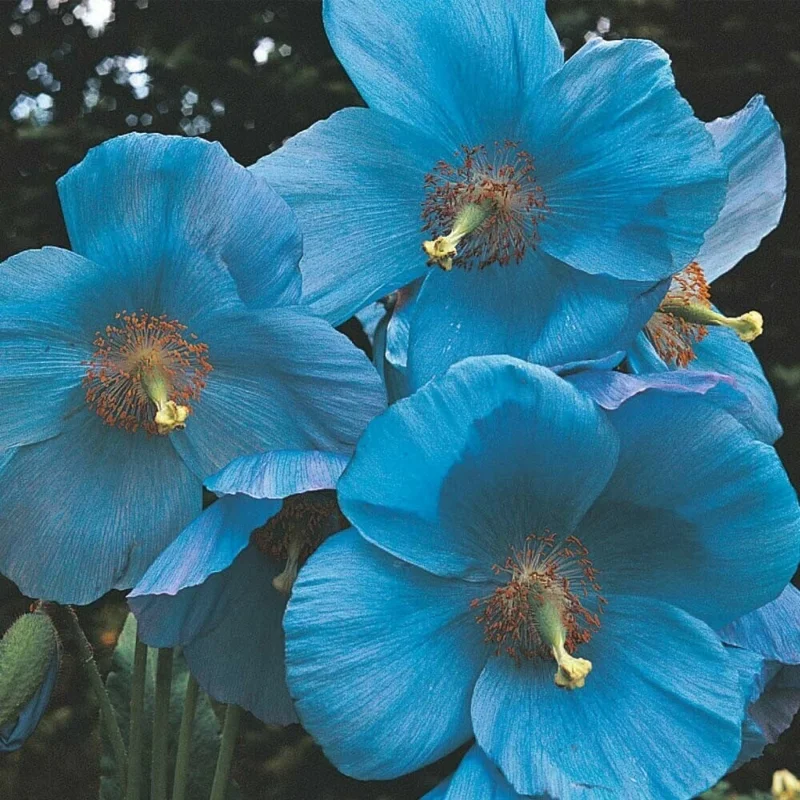
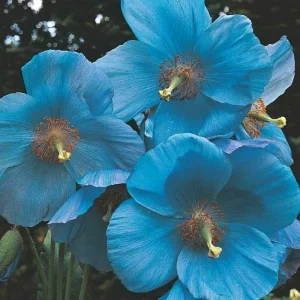
Cultivate stunning blue blooms with these Himalayan blue poppy seeds. Ideal for outdoor gardens, these perennial flower seeds promise vibrant, unique flowers. Enjoy the ethereal beauty of Tibetan poppy seeds that thrive in full sun conditions.
Original price was: $8.52.$4.26Current price is: $4.26.

With our Alive & Thrive Guarantee, we’ve got your back for the first 30 days! If you have any concerns about your plants, just reach out to us. Our team is here to help answer your questions and guide you in selecting the best plants for your garden, climate, and unique preferences. We're excited to help you create the garden of your dreams!
Estimated arrival
Apr 06
Apr 11 - Apr 13
Apr 16 - Apr 20


Product Details
-
USDA Hardiness Zone
USDA zones 3-7 -
Soil type
Rich, well-draining, slightly acidic soil -
Sunlight Exposure
Partial sun -
Expected Planting Period
Early spring or late fall
Overview
Embark on a captivating gardening journey with our premium Himalayan blue poppy seeds. These rare and exquisite seeds, scientifically known as Meconopsis betonicifolia, are renowned for producing some of the most breathtaking true blue flowers in the plant kingdom. Originating from the high altitudes of the Himalayas and Tibet, the Himalayan blue poppy seeds offer a unique opportunity to bring a touch of alpine splendor to your own garden. Unlike common poppies, these perennial beauties feature delicate, cup-shaped petals in an intense, ethereal blue hue, making them a focal point in any landscape. If you’re looking to grow blue poppy flowers that truly stand out, these seeds are an excellent choice for both experienced gardeners and those seeking a rewarding challenge.
Our selection of Himalayan blue poppy seeds is carefully sourced to ensure high germination rates and robust plant growth. Each seed holds the promise of a magnificent bloom, transforming your garden into a serene haven. The allure of the Tibetan poppy seeds lies not only in their striking color but also in their graceful form and ability to thrive in specific cool, moist environments. These are not just any perennial flower seeds; they are a horticultural treasure, perfect for creating a truly memorable garden display. Prepare to be enchanted by the unparalleled beauty these outdoor poppy seeds will bring.
Key Benefits
Growing Himalayan blue poppy seeds offers a multitude of benefits, from enhancing your garden’s aesthetic appeal to providing a sense of accomplishment in cultivating a rare species. These unique flowers are sure to be a conversation starter and a source of continuous delight.
- Stunning Blue Blooms: Experience the rare and vibrant true blue color of the Himalayan poppy, a hue seldom found in other garden flowers. These magnificent blossoms add an unparalleled visual appeal to any garden setting, making your efforts to grow blue poppy truly worthwhile.
- Perennial Growth: Enjoy the beauty of these poppies year after year. As perennial flower seeds, once established, they will return each spring, providing continuous enjoyment without the need for annual replanting.
- Unique Garden Specimen: Stand out from the crowd by cultivating a plant that is both exotic and highly sought after. The distinctive nature of these Tibetan poppy seeds ensures your garden will possess a unique charm.
- Attracts Pollinators: The vibrant flowers can attract beneficial pollinators like bees to your garden, contributing to a healthy ecosystem and supporting local wildlife.
- Long Blooming Season: With proper care, these poppies can offer a prolonged blooming period, extending the enjoyment of their exquisite flowers throughout the spring and into early summer.
- Adds Texture and Form: Beyond color, the delicate petals and graceful stems of the Himalayan blue poppy add interesting texture and form to your garden beds, complementing other foliage and flowers.
- Sense of Achievement: Successfully growing these somewhat challenging yet rewarding outdoor poppy seeds provides a great sense of accomplishment for any gardener.
Plant Care & Growing Tips
Cultivating Himalayan blue poppy seeds requires attention to specific environmental conditions to ensure their success. These plants thrive in cool, moist, and partially shaded environments, mimicking their natural alpine habitat. When you grow blue poppy, providing the right conditions from the start is crucial. Start seeds indoors 8-10 weeks before the last frost, or sow directly outdoors in early spring or late fall. Ensure the soil remains consistently moist but not waterlogged during germination, which can take several weeks. A light covering of vermiculite can help retain moisture and provide optimal conditions for these delicate Tibetan poppy seeds.
For sunlight, Himalayan blue poppy seeds prefer partial shade, especially in warmer climates. Morning sun followed by afternoon shade is ideal, as intense afternoon sun can scorch their delicate foliage. The soil should be rich in organic matter, well-draining, and slightly acidic (pH 6.0-7.0). Amend heavy clay soils with compost and grit to improve drainage. These perennial flower seeds require consistent moisture, particularly during dry spells, so regular watering is essential. However, avoid overwatering, which can lead to root rot. Mulching around the plants can help retain soil moisture and keep roots cool. The ideal USDA hardiness zones for these outdoor poppy seeds are typically 3-7, though success can be achieved in other zones with careful site selection and microclimate management. Fertilize sparingly with a balanced liquid fertilizer during the growing season.
Size & Details
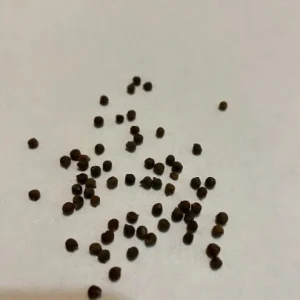
Our Himalayan blue poppy seeds are provided in packets containing various quantities, allowing you to choose the perfect amount for your garden project. Each seed is small, reflecting the delicate nature of the plant it will become. Once mature, these stunning poppies typically grow to a height of 2 to 3 feet (60-90 cm) and spread about 1 to 1.5 feet (30-45 cm) wide, forming attractive clumps of foliage and flowers. They are perennial, meaning they will return for multiple growing seasons, establishing themselves over time.
The plants produce their iconic blue flowers in late spring to early summer, providing a spectacular display during this period. These seeds are provided as raw, untreated seeds, ready for your preferred planting method. While growth rates can vary depending on conditions, expect to see foliage emerge within a few weeks of successful germination, with flowering typically occurring in the second year after planting from Himalayan blue poppy seeds. They are known for their strong, upright flowering stems that hold the cup-shaped blooms aloft.
Frequently Asked Questions
- Q: How big do Himalayan Blue Poppies get? A: Once mature, these plants typically reach a height of 2 to 3 feet (60-90 cm) and spread about 1 to 1.5 feet (30-45 cm) wide. Their size can vary slightly depending on growing conditions and climate.
- Q: Is this an indoor or outdoor plant? A: Himalayan Blue Poppies are primarily outdoor plants, thriving in garden beds where they can receive appropriate light and moisture. While they can be started indoors, they are not typically grown as houseplants.
- Q: How much sunlight does it need? A: These poppies prefer partial shade, especially in regions with hot summers. Morning sun and afternoon shade are ideal to protect their delicate blooms and foliage from scorching.
- Q: Is this plant easy to care for? A: Himalayan Blue Poppies are considered moderately challenging to grow, requiring specific conditions like cool temperatures, consistent moisture, and rich, well-draining soil. They are best suited for gardeners willing to provide attentive care.
- Q: What condition will the Himalayan blue poppy seeds arrive in? A: The seeds will arrive in a sealed packet, ensuring their freshness and viability. They are provided as raw, untreated seeds, ready for planting.
- Q: How long until it blooms? A: While foliage may appear in the first year, Himalayan Blue Poppies typically bloom in their second year after planting from perennial flower seeds. Patience is key for these magnificent flowers.
- Q: Will it survive winter in my zone? A: These poppies are hardy perennials, generally thriving in USDA Zones 3-7. They require a period of cold dormancy to establish and return each year.
- Q: Can I really grow blue poppy flowers from these seeds? A: Yes, these are genuine Himalayan blue poppy seeds (Meconopsis betonicifolia) and with the right care and conditions, you can successfully cultivate these beautiful blue flowers in your garden.
- Q: What is the best time to plant these outdoor poppy seeds? A: The best times to sow these seeds are in early spring after the last frost or in late fall for germination the following spring. Cold stratification can also improve germination rates.
- Q: Are these Tibetan poppy seeds? A: Yes, Himalayan Blue Poppies are often referred to as Tibetan Poppies due to their native habitat in the Himalayan ranges, which include parts of Tibet.
Related products
-50%
Original price was: $23.96.$11.98Current price is: $11.98.
-50%
Original price was: $21.56.$10.78Current price is: $10.78.
-50%

Original price was: $23.96.$11.98Current price is: $11.98.
-15%
From Original price was: $28.00.$23.80Current price is: $23.80.
-15%
From Original price was: $16.00.$13.60Current price is: $13.60.
-50%

Original price was: $23.96.$11.98Current price is: $11.98.
-50%
Original price was: $95.96.$47.98Current price is: $47.98.
-50%
Original price was: $7.98.$3.98Current price is: $3.98.
PLANTING & CARE
Growing Glencoe Raspberry: A Complete Guide for Gardeners
If you’re looking to add something unique to your garden, look no further than the
31
Mar
Mar

The Comprehensive Guide to Growing Bay Leaf Plants for a Flavorful Garden
Imagine stepping into your garden, greeted by the earthy aroma of fresh bay leaves, their
09
Feb
Feb

How to Make Comfrey Tea: The Ultimate Organic Plant Food
Growing an organic garden can be surprisingly expensive, especially when most store-bought fertilizers come in
02
Feb
Feb

True Comfrey: 7 Essential Tips Before You Plant This Herb
A staple in permaculture practices across the US, True Comfrey easily earns its reputation as
27
Jan
Jan

7 Heart-Shaped Plants for a Lasting Valentine’s Gift
If you’ve ever bought a bouquet of roses for Valentine’s Day, you know they are
26
Jan
Jan

Best Types of Ivy Plant for Houses: How to Choose the Perfect Ones for Your Home
Are you a garden lover looking to introduce some greenery into your home? Maybe you’ve
14
Nov
Nov

When to Harvest Garlic (Especially Fall-Planted Garlic)
TIMING IS EVERYTHING, they say – and for garlic, that truth hits with surprising accuracy.
13
Nov
Nov

11 of the Best Sweet Potato Varieties to Grow for Your Garden
If you’ve ever tried growing sweet potatoes, you know that picking the right variety can
12
Nov
Nov