Himalayan Blue Poppy Seeds – Meconopsis Perennial Flower – 200 Seeds – Indoor & Outdoor
-50%
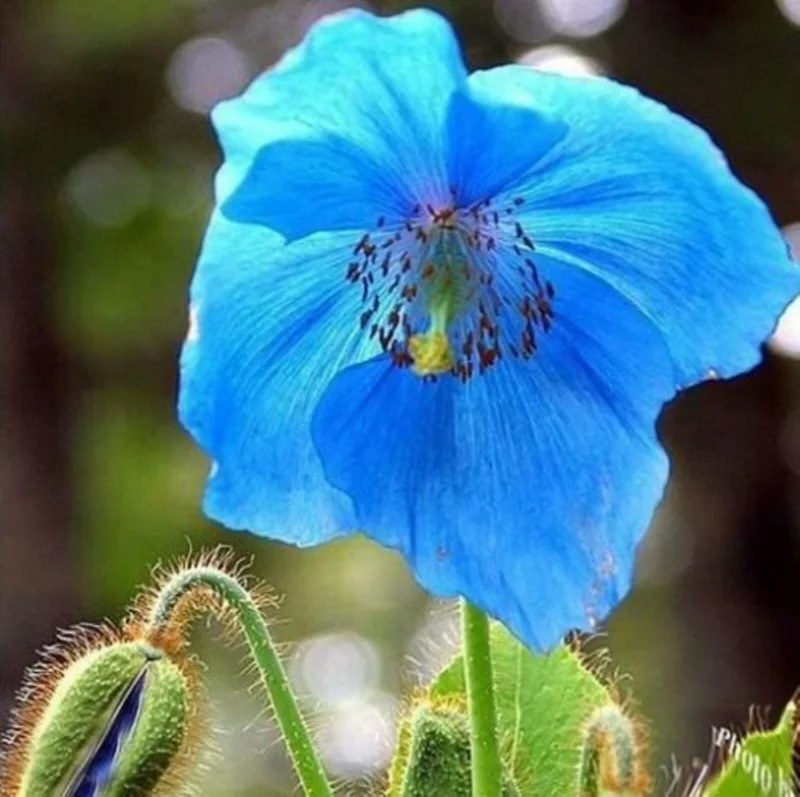
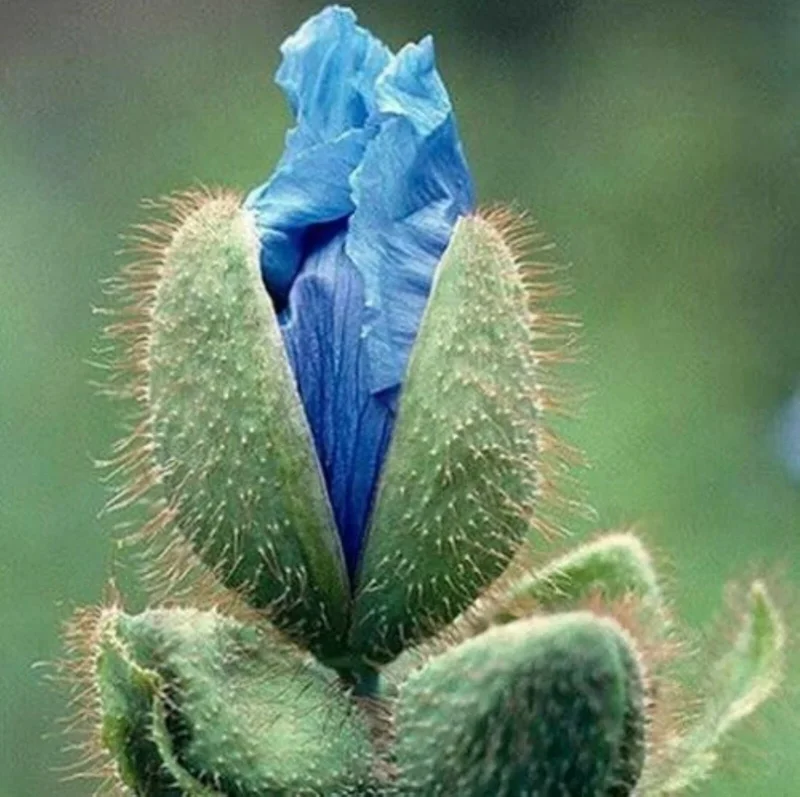
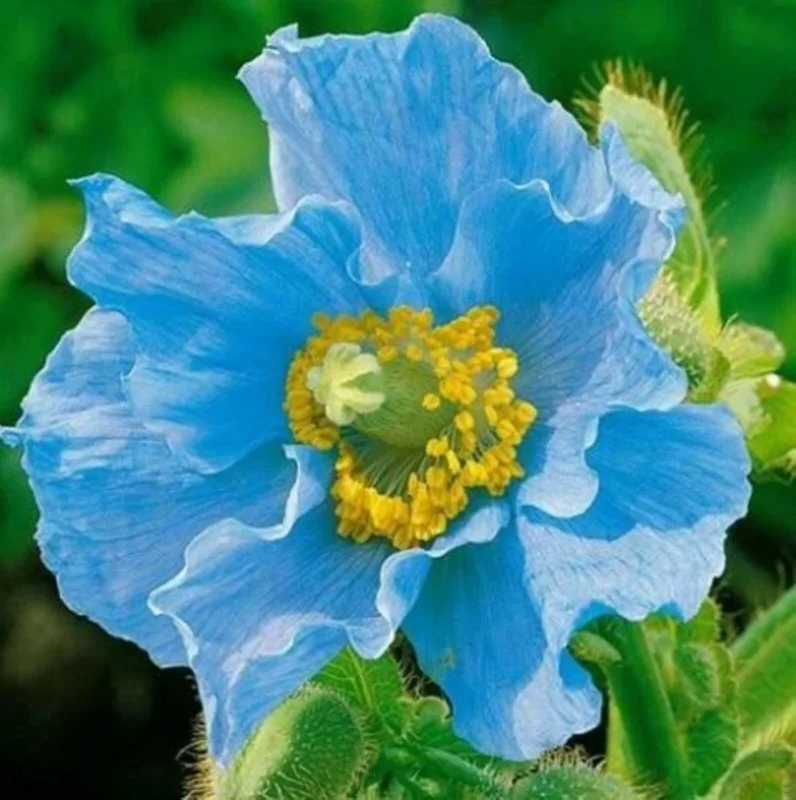
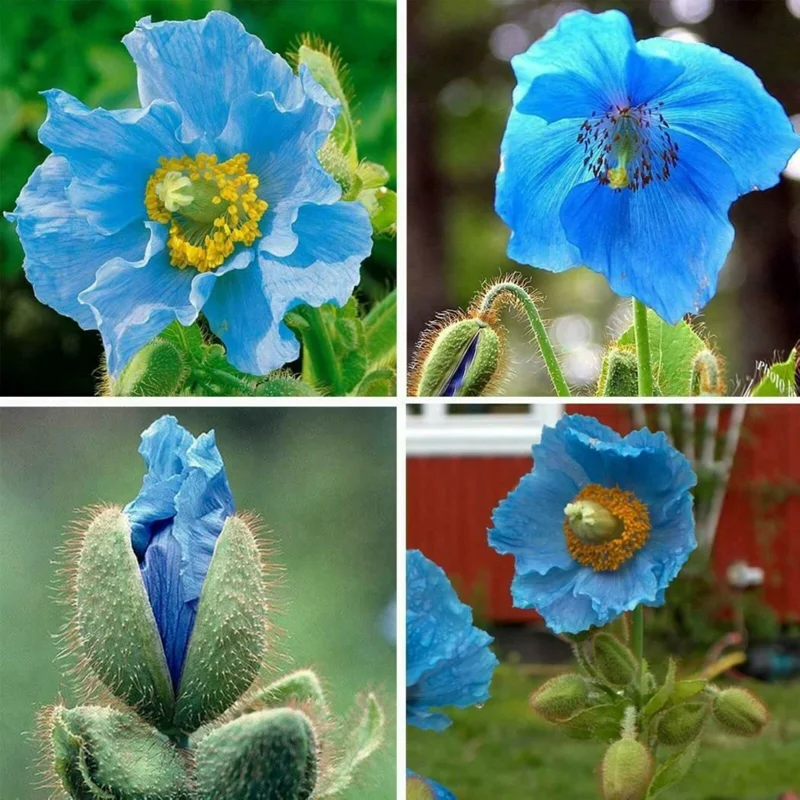
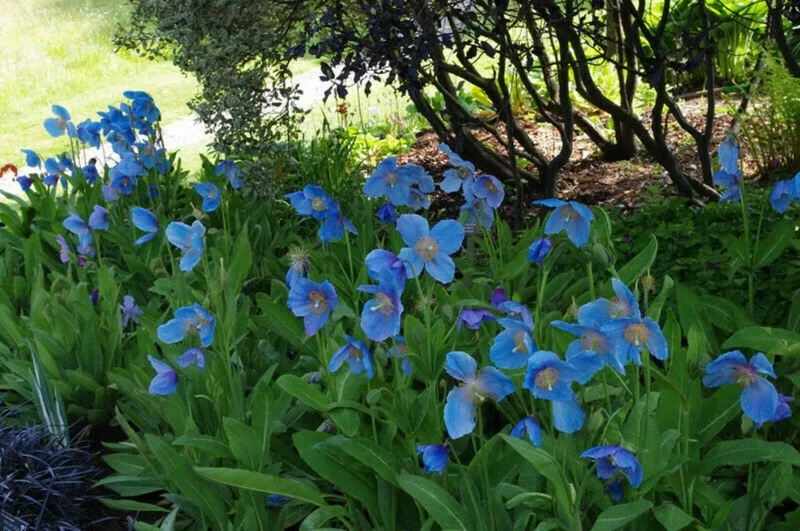
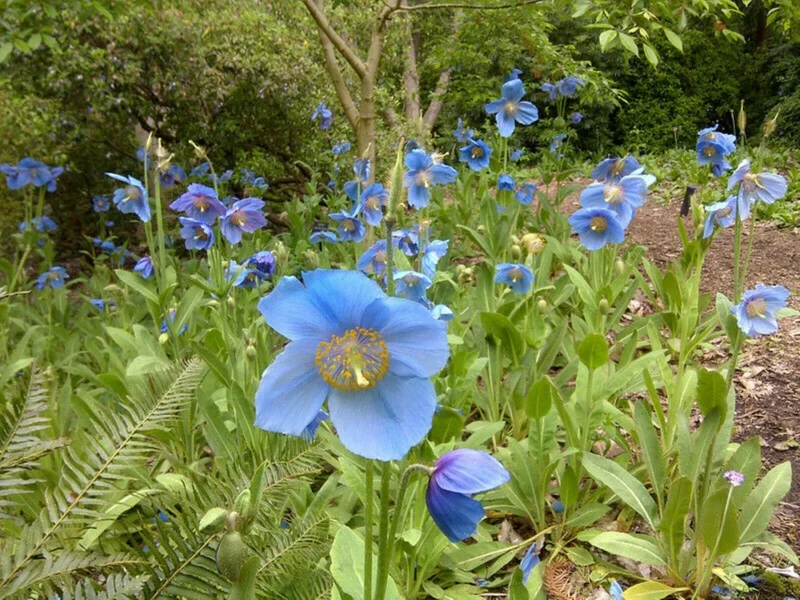
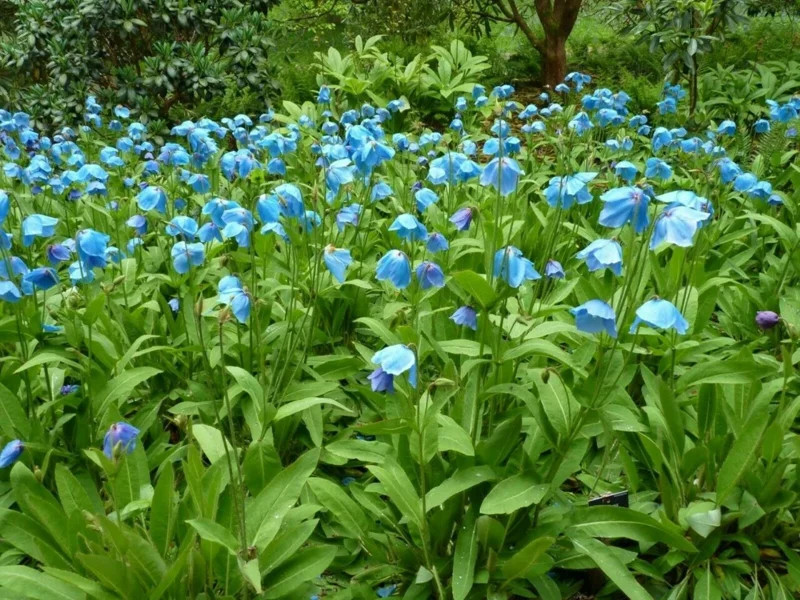
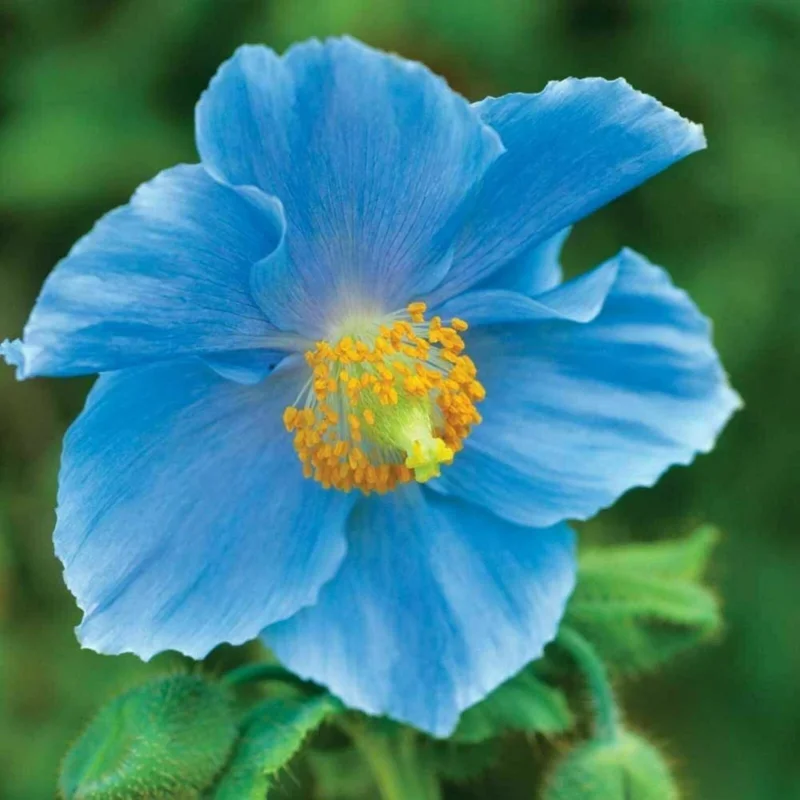
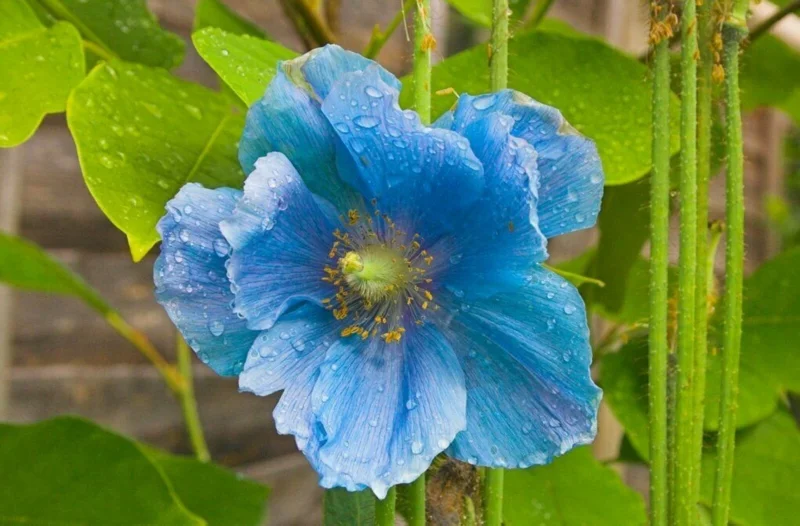


Himalayan Blue Poppy Seeds – Meconopsis Perennial Flower – 200 Seeds – Indoor & Outdoor
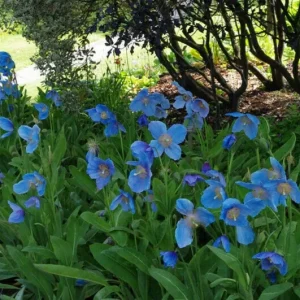
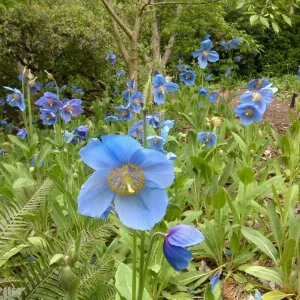
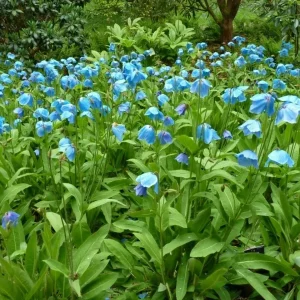
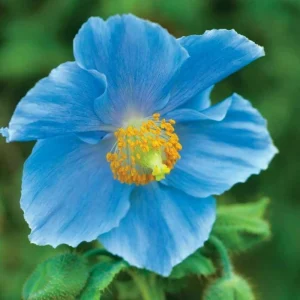
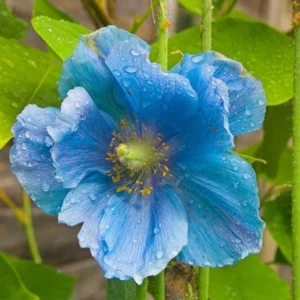
Discover the magic of the Himalayan Blue Poppy seeds (Meconopsis). These perennial flower seeds produce breathtaking blue blossoms, perfect for adding a unique touch to your indoor or outdoor garden. Enjoy the beauty of these captivating flowers with relatively easy cultivation.
Original price was: $18.76.$9.38Current price is: $9.38.

With our Alive & Thrive Guarantee, we’ve got your back for the first 30 days! If you have any concerns about your plants, just reach out to us. Our team is here to help answer your questions and guide you in selecting the best plants for your garden, climate, and unique preferences. We're excited to help you create the garden of your dreams!
Estimated arrival
Apr 05
Apr 10 - Apr 12
Apr 15 - Apr 19


Product Details
-
USDA Hardiness Zone
USDA zones 5-8 -
Soil type
Rich, organic, well-draining, slightly acidic soil (Peat-based) -
Sunlight Exposure
Medium Sun / Partial Shade -
Expected Planting Period
Spring to early summer
Overview
Introduce an ethereal touch to your garden with these exquisite Himalayan Blue Poppy seeds. Known scientifically as Meconopsis, these captivating perennial flower seeds promise to transform your outdoor spaces with their stunning, vibrant blue hues. Originating from the high altitudes of the Himalayas, this plant is celebrated for its delicate yet striking appearance, making it a highly sought-after specimen for gardeners and plant enthusiasts alike. Each packet contains 200 seeds, offering ample opportunity to cultivate a beautiful patch of these unique flowers. Whether you’re an experienced gardener or just starting, growing blue poppies from seed can be a rewarding experience.
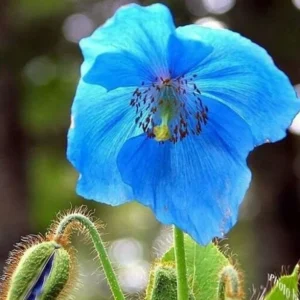
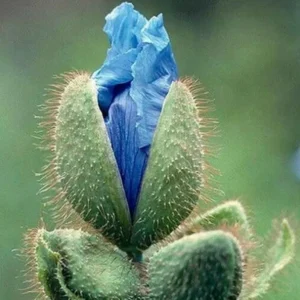
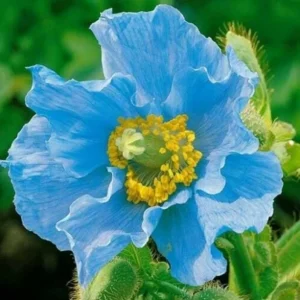
The Himalayan Blue Poppy seeds are ideal for creating a tranquil and visually impressive garden display. These plants thrive in specific conditions, rewarding careful cultivators with their iconic, saucer-shaped blue flowers. Adding these Meconopsis perennial beauties to your landscape provides an unparalleled aesthetic that complements various garden designs, from cottage gardens to more formal settings. Embrace the challenge and joy of nurturing these remarkable plants from tiny seeds into magnificent blooms.
Key Benefits
Cultivating Himalayan Blue Poppy seeds offers numerous benefits, enriching your garden and providing a unique horticultural experience. These stunning flowers are more than just a pretty face; they are a statement piece for any garden.
- Exceptional Aesthetic Appeal: The most striking benefit is their vivid, true-blue coloration, which is rare in the plant kingdom. These blue poppy flowers create a dramatic focal point and draw the eye in any garden setting.
- Unique Garden Specimen: Unlike common garden varieties, the Meconopsis perennial stands out, offering a conversation starter and a truly distinctive addition to your plant collection.
- Perennial Growth: As a perennial, once established, these plants return year after year, providing continuous beauty without the need for annual replanting of the perennial flower seeds.
- Attracts Pollinators: The vibrant blooms of the blue poppy flower can attract beneficial pollinators like bees, contributing to the health and biodiversity of your garden ecosystem.
- Rewarding Cultivation: While they require specific conditions, successfully growing blue poppies from seed provides immense satisfaction and a deeper connection to your gardening efforts.
- Versatile Placement: Suitable for both indoor cultivation (with proper care) and outdoor garden beds, offering flexibility in where you can enjoy their beauty.
- Garden Value: Enhances the perceived value and sophistication of your garden landscape due to its rarity and exquisite beauty.
Plant Care & Growing Tips
To successfully grow Himalayan Blue Poppy seeds, understanding their specific care requirements is crucial. These plants, while beautiful, thrive under particular conditions that mimic their native Himalayan environment. When growing blue poppies, attention to detail in their environment will yield the best results.
Sunlight requirements: Meconopsis perennial prefers partial shade to medium sun. In hotter climates, morning sun with afternoon shade is ideal to protect the delicate foliage and flowers from intense heat. Aim for 4-6 hours of indirect sunlight daily. Avoid full, scorching afternoon sun, which can quickly wilt the plants. For indoor cultivation, place them near a north or east-facing window, or use grow lights to provide consistent, gentle illumination.
Watering schedule and soil moisture preferences: These plants demand consistently moist, but not waterlogged, soil. Water regularly, especially during dry spells, ensuring the soil never completely dries out. Good drainage is paramount to prevent root rot. Check the top inch of soil; if it feels dry, it’s time to water. Reduce watering in cooler months when the plant’s growth slows.
Soil type and drainage requirements: The ideal soil for Himalayan Blue Poppy seeds is rich in organic matter, slightly acidic (Soil pH: Neutral to slightly acidic), and exceptionally well-draining. A mix of peat, compost, and grit or perlite works well. Peat-based soil is particularly suitable. Ensure adequate drainage to prevent water accumulation, which can be detrimental to the roots of these perennial flower seeds.
Temperature range and USDA hardiness zone: These plants prefer cool, temperate climates. They are generally hardy in USDA zones 5-8. They do not tolerate hot, humid summers well. Optimal growing temperatures range from 50-70°F (10-21°C). Protect them from extreme heat and provide adequate air circulation. For indoor plants, maintain a cool room temperature and avoid placing them near heat sources.
Fertilization schedule and type: Feed lightly with a balanced liquid fertilizer diluted to half strength every 4-6 weeks during the growing season (spring and early summer). Avoid over-fertilizing, which can promote lush foliage at the expense of flowers. A slow-release granular fertilizer can also be incorporated into the soil at planting time. Properly nourishing your blue poppy flower will encourage robust growth and vibrant blooms.
Common problems and solutions: Watch out for slugs and snails, which are particularly fond of young poppy foliage. Use organic baits or barriers to deter them. Fungal issues like powdery mildew can occur in humid conditions; ensure good air circulation and avoid overhead watering. Yellowing leaves can indicate overwatering or nutrient deficiency. Adjust watering practices and consider a soil test if necessary. Growing blue poppies successfully means being vigilant about their health.
Size & Details
These Himalayan Blue Poppy seeds are supplied as 200 seeds per packet, offering a generous quantity for planting. Once germinated and established, the Meconopsis perennial typically grows to a height of 18-36 inches (45-90 cm) and spreads about 12-18 inches (30-45 cm) wide. The growth habit is described as seeding, meaning they propagate readily from seed once established. The flowers themselves are sizable, often reaching 3-4 inches in diameter, showcasing their intense blue color. The life cycle of the plant is perennial, ensuring it returns each year with proper care.
Planting time is generally recommended for spring or early summer, with an expected planting time of approximately 4 weeks for initial establishment. These perennial flower seeds are suitable for both indoor and outdoor environments, making them a versatile choice for various garden settings. With their moderate climate preference and need for medium sun, they are a beautiful addition to any home garden looking for that rare blue poppy flower.
Frequently Asked Questions
- Q: How big does the Himalayan Blue Poppy plant get? A: Once mature, the Himalayan Blue Poppy typically reaches a height of 18-36 inches (45-90 cm) with a spread of 12-18 inches (30-45 cm). Its impressive size makes it a striking feature in any garden.
- Q: Is this an indoor or outdoor plant? A: These Himalayan Blue Poppy seeds are suitable for both indoor and outdoor cultivation. They thrive outdoors in temperate climates and can be grown indoors with proper light and humidity control.
- Q: How much sunlight does the Meconopsis perennial need? A: The Meconopsis perennial prefers partial shade to medium sun. It performs best with morning sun and protection from intense afternoon heat, requiring about 4-6 hours of indirect sunlight daily.
- Q: Is this plant easy to care for? A: While not considered difficult, growing blue poppies does require specific conditions, particularly consistent moisture, excellent drainage, and protection from extreme heat. It’s an easy cultivation if these needs are met.
- Q: What condition will the Himalayan Blue Poppy seeds arrive in? A: You will receive 200 seeds in a packet, ready for planting. They are new, unused, and undamaged, ensuring optimal germination potential for your perennial flower seeds.
- Q: How long until the blue poppy flower blooms? A: Bloom time for the blue poppy flower can vary, but generally, it takes one to two years for plants grown from seed to reach flowering maturity. Patience is key for these exquisite blooms.
- Q: What is the best time to plant these perennial flower seeds? A: The ideal planting time for Himalayan Blue Poppy seeds is typically in early spring or late autumn. This allows them to establish strong root systems before the heat of summer or the cold of winter.
- Q: Will it survive winter in my zone? A: These plants are hardy in USDA Zones 5-8. In colder zones, they may require winter protection, while in warmer zones, they might struggle with prolonged heat and humidity.
- Q: What type of soil is best for growing blue poppies? A: Growing blue poppies requires a rich, organic, and well-draining soil, ideally slightly acidic. A peat-based mix or soil amended with compost and grit is highly recommended.
- Q: Are these seeds suitable for beginner gardeners? A: While they have specific requirements, beginner gardeners can successfully grow them by following detailed care instructions. The reward of seeing a blue poppy flower bloom is well worth the effort.
Related products
-50%
From Original price was: $55.60.$27.80Current price is: $27.80.
-50%
Original price was: $21.56.$10.78Current price is: $10.78.
-50%
Original price was: $23.96.$11.98Current price is: $11.98.
-50%
Original price was: $23.96.$11.98Current price is: $11.98.
-50%
Original price was: $95.96.$47.98Current price is: $47.98.
-50%
Original price was: $23.96.$11.98Current price is: $11.98.
-15%
From Original price was: $28.00.$23.80Current price is: $23.80.
-50%


Original price was: $19.16.$9.58Current price is: $9.58.
PLANTING & CARE
Growing Glencoe Raspberry: A Complete Guide for Gardeners
If you’re looking to add something unique to your garden, look no further than the
31
Mar
Mar

The Comprehensive Guide to Growing Bay Leaf Plants for a Flavorful Garden
Imagine stepping into your garden, greeted by the earthy aroma of fresh bay leaves, their
09
Feb
Feb

How to Make Comfrey Tea: The Ultimate Organic Plant Food
Growing an organic garden can be surprisingly expensive, especially when most store-bought fertilizers come in
02
Feb
Feb

True Comfrey: 7 Essential Tips Before You Plant This Herb
A staple in permaculture practices across the US, True Comfrey easily earns its reputation as
27
Jan
Jan

7 Heart-Shaped Plants for a Lasting Valentine’s Gift
If you’ve ever bought a bouquet of roses for Valentine’s Day, you know they are
26
Jan
Jan

Best Types of Ivy Plant for Houses: How to Choose the Perfect Ones for Your Home
Are you a garden lover looking to introduce some greenery into your home? Maybe you’ve
14
Nov
Nov

When to Harvest Garlic (Especially Fall-Planted Garlic)
TIMING IS EVERYTHING, they say – and for garlic, that truth hits with surprising accuracy.
13
Nov
Nov

11 of the Best Sweet Potato Varieties to Grow for Your Garden
If you’ve ever tried growing sweet potatoes, you know that picking the right variety can
12
Nov
Nov