Honeycrisp Apple Tree Live Plant – 3 ft Tall – Outdoor Fruit Tree
-50%

Honeycrisp Apple Tree Live Plant – 3 ft Tall – Outdoor Fruit Tree
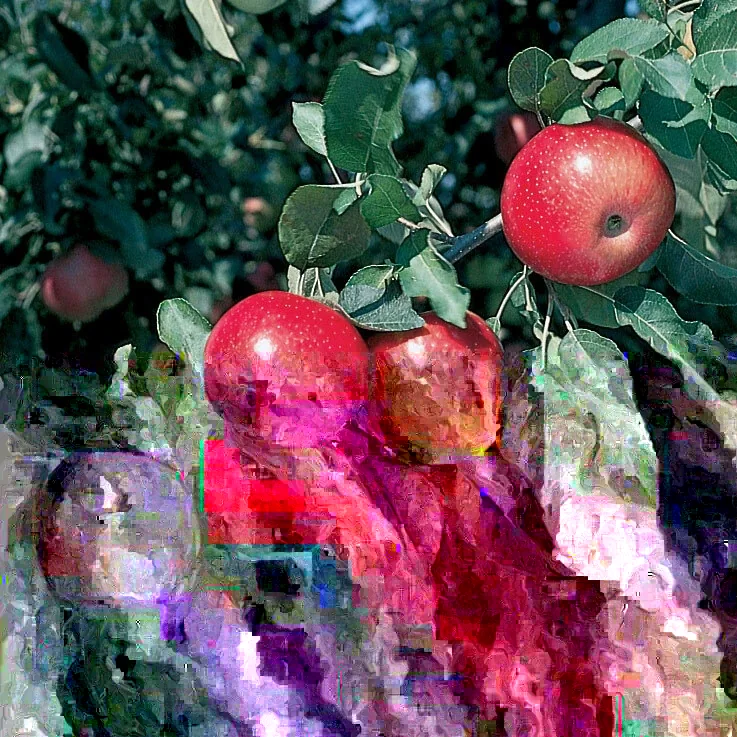
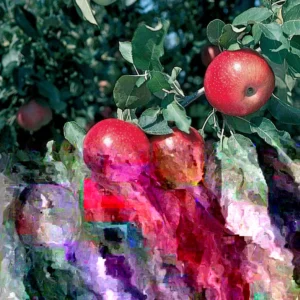
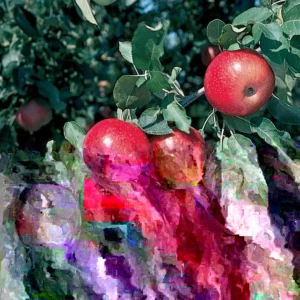
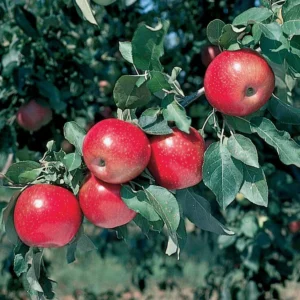
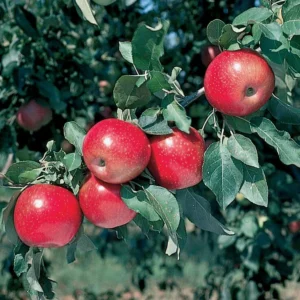
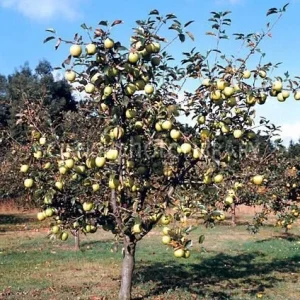
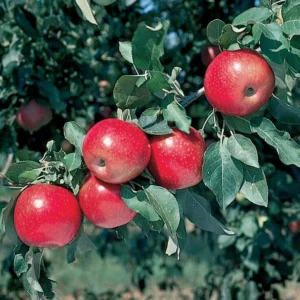
Bring the joy of fresh, homegrown apples to your garden with this Honeycrisp Apple Tree. This 3 ft tall live apple plant is known for its exceptionally crisp and sweet fruit, perfect for eating fresh or baking. A robust choice for any outdoor orchard.
Original price was: $141.98.$70.99Current price is: $70.99.

With our Alive & Thrive Guarantee, we’ve got your back for the first 30 days! If you have any concerns about your plants, just reach out to us. Our team is here to help answer your questions and guide you in selecting the best plants for your garden, climate, and unique preferences. We're excited to help you create the garden of your dreams!
Estimated arrival
Mar 31
Apr 05 - Apr 07
Apr 10 - Apr 14
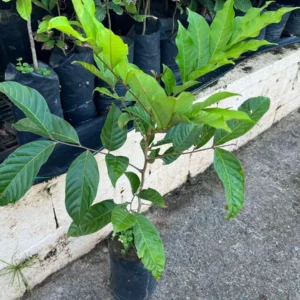
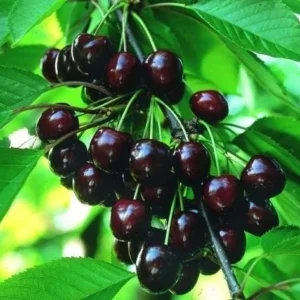
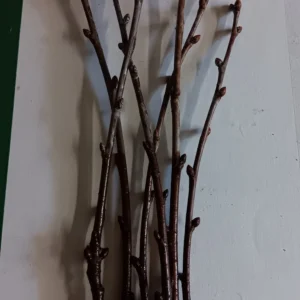
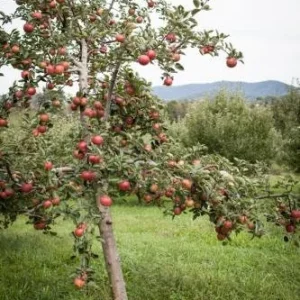
Product Details
-
USDA Hardiness Zone
USDA Zones 3-8 -
Soil type
Well-draining, loamy soil -
Sunlight Exposure
Full sun -
Expected Planting Period
Early spring or late fall
Overview
Cultivate your own orchard with a vibrant Honeycrisp Apple Tree. Renowned for its distinctive sweet and tart flavor, and incredibly crisp texture, the Honeycrisp apple is a favorite among fruit enthusiasts. This offering is for a live apple plant, approximately 3 ft tall, ready to be planted in your garden. Belonging to the Malus domestica genus, the Honeycrisp variety was developed in Minnesota and is highly valued for its cold hardiness and excellent storage qualities. Growing your own Honeycrisp Apple Tree allows you to enjoy fresh, delicious fruit straight from the branch, ensuring peak flavor and quality.
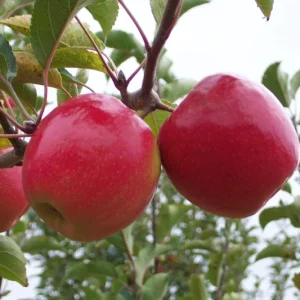
Our live apple plant arrives rooted and prepared for successful transplanting. This particular variety is known for producing medium to large sized fruit with a beautiful red blush over a yellow-green background. It’s an excellent choice for both experienced gardeners and those new to fruit tree cultivation, offering a rewarding harvest and an attractive addition to any landscape.
Key Benefits
Adding a Honeycrisp Apple Tree to your garden offers numerous advantages, from delicious fruit to aesthetic appeal. Here are some of the key benefits you can expect from this exceptional fruit tree:
- Exceptional Fruit Quality: Enjoy the iconic crisp texture and perfectly balanced sweet-tart flavor of Honeycrisp apples, ideal for fresh eating, baking, and cider.
- Homegrown Freshness: Harvest apples at their peak ripeness directly from your own tree, providing superior taste and nutritional value compared to store-bought alternatives.
- Cold Hardiness: The Honeycrisp Apple Tree is known for its resilience in colder climates, making it a reliable choice for many regions, especially those with significant winter chill.
- Attractive Landscape Feature: Beyond its fruit, this tree provides beautiful spring blossoms and lush green foliage throughout the growing season, enhancing your garden’s visual appeal.
- Rewarding Gardening Experience: Experience the satisfaction of nurturing a fruit tree from a young plant to a productive bearer of delicious apples, a truly fulfilling gardening endeavor.
- Dwarf Apple Tree Potential: While this tree is 3 ft tall, many Honeycrisp varieties can be maintained as a dwarf apple tree with proper pruning, fitting into smaller gardens or even large containers.
- Versatile Culinary Use: The apples are versatile for various culinary applications, from fresh snacks and salads to pies, sauces, and juice, making it a kitchen staple.
Plant Care & Growing Tips
To ensure your Honeycrisp Apple Tree thrives and produces abundant fruit, proper care is essential. Apple trees, including Malus domestica, generally require consistent attention to watering, sunlight, and soil conditions.
Sunlight Requirements: Apple trees need at least 6-8 hours of direct sunlight per day to produce the best fruit. Choose a location in your garden that receives full sun exposure. While partial shade may be tolerated, it can reduce fruit production and quality. Ensure no taller trees or structures will eventually shade your growing Honeycrisp Apple Tree.
Watering Schedule & Soil Moisture: Young apple trees require regular watering, especially during dry periods. Water deeply once or twice a week, ensuring the soil is moist but not waterlogged. As the tree matures, it becomes more drought-tolerant, but consistent moisture during fruit development is crucial. Avoid overhead watering to prevent fungal diseases. The best way to grow Honeycrisp apple trees is with consistent, deep watering.
Soil Type & Drainage: Honeycrisp Apple Tree prefers well-draining, loamy soil with a pH between 6.0 and 7.0. If your soil is heavy clay, amend it with organic matter like compost to improve drainage. Good drainage is vital to prevent root rot. Before planting, consider a soil test to determine specific nutrient needs.
Temperature Range & USDA Hardiness Zone: This variety is cold-hardy, typically thriving in USDA Zones 3-8. It requires a certain number of chill hours (temperatures below 45°F/7°C) during winter for proper fruit set in spring. Protect young trees from extreme winter winds. To understand specific apple tree care, consult your local extension office for zone-specific advice.
Fertilization Schedule: Fertilize your apple tree in early spring before new growth begins. Use a balanced slow-release fertilizer or one specifically formulated for fruit trees. Follow package instructions for application rates, as over-fertilization can harm the tree. Avoid fertilizing late in the season, which can promote tender new growth vulnerable to winter damage.
Common Problems: Watch out for common apple tree issues like apple scab, powdery mildew, and codling moths. Pruning for good air circulation and practicing good sanitation can help prevent many problems. Consult local resources for integrated pest management strategies.
Size & Details
This offering is for one Honeycrisp Apple Tree, a rooted live plant that stands approximately 3 ft tall at the time of shipment. This size makes it manageable for planting and allows for healthy establishment. Apple trees typically have a moderate growth rate, and with proper care, your tree will continue to grow and develop into a productive fruit bearer. The exact spread and mature height will depend on pruning practices and whether it is allowed to grow as a standard or a dwarf apple tree.
The tree is shipped as a bare root plant or in a small nursery pot, ensuring its roots are protected during transit. Expect the tree to begin producing fruit within 3-5 years after planting, with yields increasing as it matures. The apples typically ripen in late summer to early fall, depending on your specific climate and growing conditions. This is an excellent specimen for those looking to grow Honeycrisp apple and enjoy its unique qualities.
Frequently Asked Questions
- Q: How big does this plant get? A: This Honeycrisp Apple Tree is approximately 3 ft tall upon arrival. With proper care and pruning, it can grow to a mature height of 10-15 feet as a semi-dwarf, or larger if allowed to grow as a standard tree. You can also prune it to maintain a more compact, dwarf apple tree size.
- Q: Is this an indoor or outdoor plant? A: The Honeycrisp Apple Tree is an outdoor plant, specifically a fruit-bearing tree that requires direct sunlight and seasonal changes to thrive and produce fruit.
- Q: How much sunlight does it need? A: This apple tree requires at least 6-8 hours of direct sunlight per day to ensure optimal growth and fruit production.
- Q: Is this plant easy to care for? A: Apple trees require consistent care, including proper watering, fertilization, and pruning. While not difficult for an enthusiastic gardener, it does require more attention than some low-maintenance plants. Following our apple tree care guide will set you up for success.
- Q: What condition will it arrive in? A: Your Honeycrisp Apple Tree will arrive as a rooted live plant, either bare root or in a nursery pot, carefully packaged to ensure its health during transit.
- Q: When is the best time to plant this tree? A: The best time to plant apple trees is typically in early spring or late fall when the tree is dormant. This allows the root system to establish before extreme temperatures.
- Q: Will it survive winter in my zone? A: The Honeycrisp Apple Tree is cold-hardy and suitable for USDA Zones 3-8. It requires sufficient chill hours during winter for proper fruit development.
- Q: What is the scientific name for Honeycrisp apple? A: The scientific name for the Honeycrisp apple is Malus domestica ‘Honeycrisp’.
- Q: How do I ensure my tree produces fruit? A: To encourage fruit production, ensure your tree receives adequate sunlight, water, and nutrients. Apple trees often benefit from cross-pollination, so having another apple variety nearby can increase yields.
- Q: Can I grow Honeycrisp apples in a container? A: While possible, a 3 ft tall tree will eventually need a very large container (25-gallon or more) as it grows. For container growing, consider a true dwarf rootstock if you want to grow Honeycrisp apple in pots long-term.
Related products
-50%
Original price was: $181.98.$90.99Current price is: $90.99.
-50%
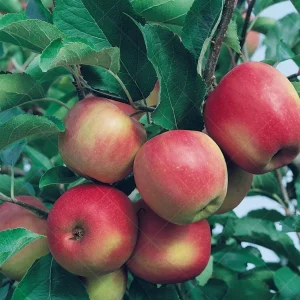
From Original price was: $159.92.$79.96Current price is: $79.96.
-50%
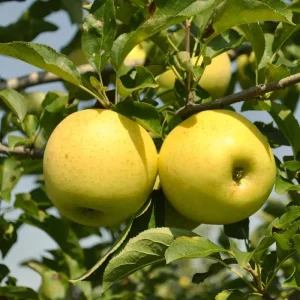
From Original price was: $143.92.$71.96Current price is: $71.96.
-20%
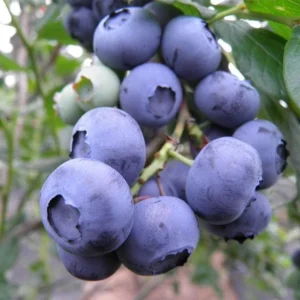
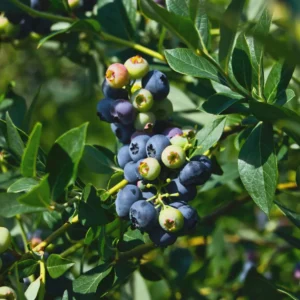
Original price was: $60.00.$48.00Current price is: $48.00.
-50%
Original price was: $355.96.$177.98Current price is: $177.98.
PLANTING & CARE
Growing Glencoe Raspberry: A Complete Guide for Gardeners
If you’re looking to add something unique to your garden, look no further than the
31
Mar
Mar

The Comprehensive Guide to Growing Bay Leaf Plants for a Flavorful Garden
Imagine stepping into your garden, greeted by the earthy aroma of fresh bay leaves, their
09
Feb
Feb

How to Make Comfrey Tea: The Ultimate Organic Plant Food
Growing an organic garden can be surprisingly expensive, especially when most store-bought fertilizers come in
02
Feb
Feb

True Comfrey: 7 Essential Tips Before You Plant This Herb
A staple in permaculture practices across the US, True Comfrey easily earns its reputation as
27
Jan
Jan

7 Heart-Shaped Plants for a Lasting Valentine’s Gift
If you’ve ever bought a bouquet of roses for Valentine’s Day, you know they are
26
Jan
Jan

Best Types of Ivy Plant for Houses: How to Choose the Perfect Ones for Your Home
Are you a garden lover looking to introduce some greenery into your home? Maybe you’ve
14
Nov
Nov

When to Harvest Garlic (Especially Fall-Planted Garlic)
TIMING IS EVERYTHING, they say – and for garlic, that truth hits with surprising accuracy.
13
Nov
Nov

11 of the Best Sweet Potato Varieties to Grow for Your Garden
If you’ve ever tried growing sweet potatoes, you know that picking the right variety can
12
Nov
Nov