Hosta Seeds – 160+ Perennial Outdoor Shade Ornamental Garden Plant Seeds
-50%






Hosta Seeds – 160+ Perennial Outdoor Shade Ornamental Garden Plant Seeds
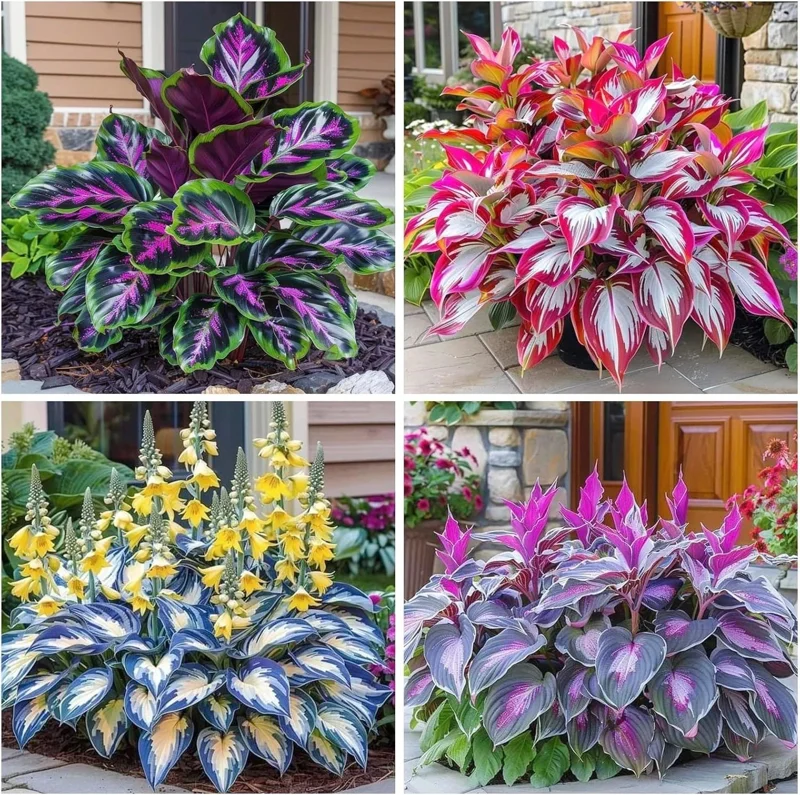
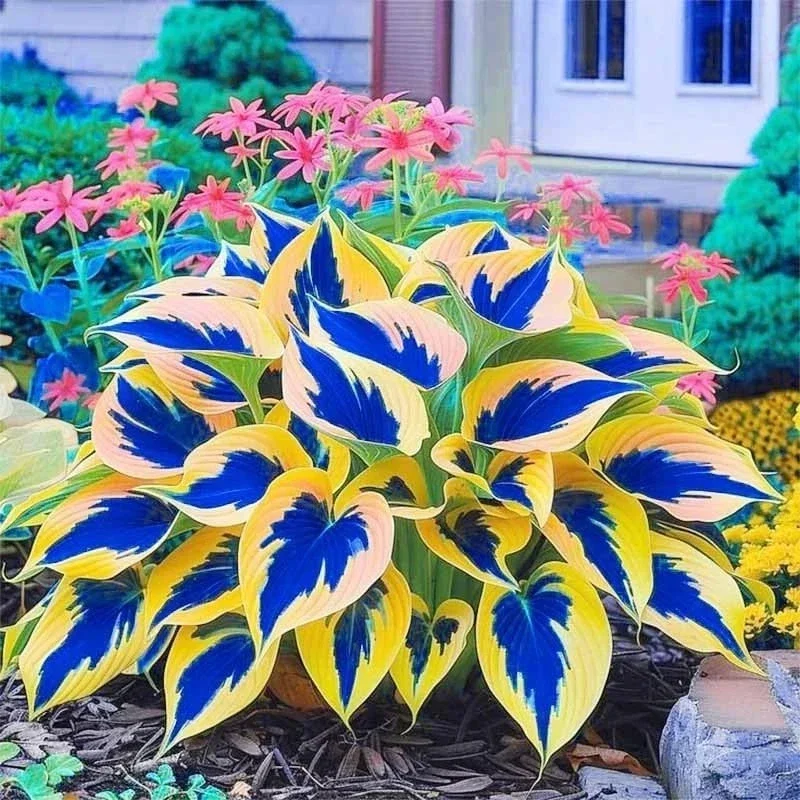
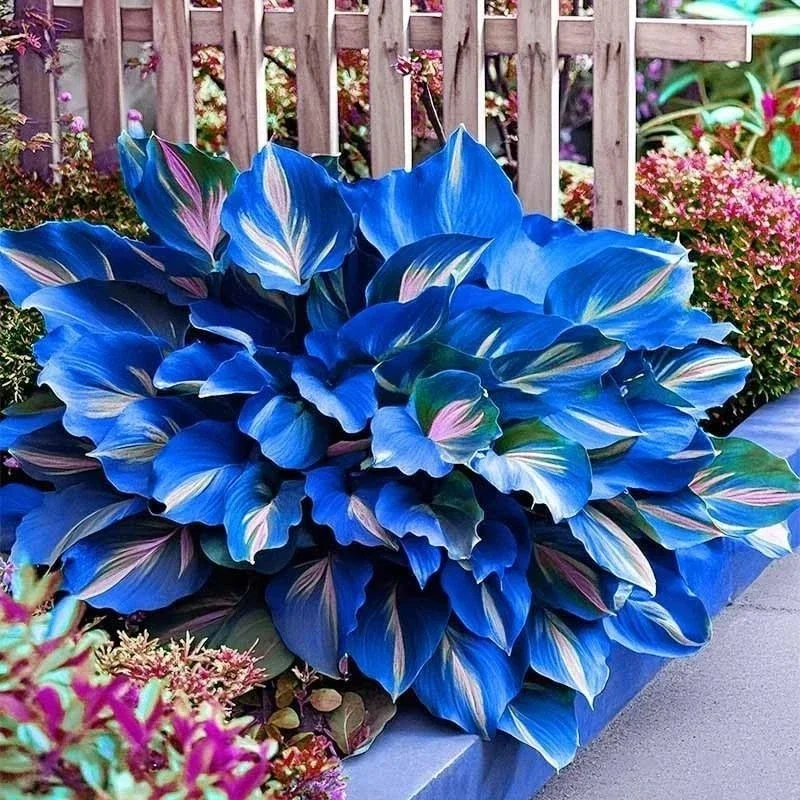
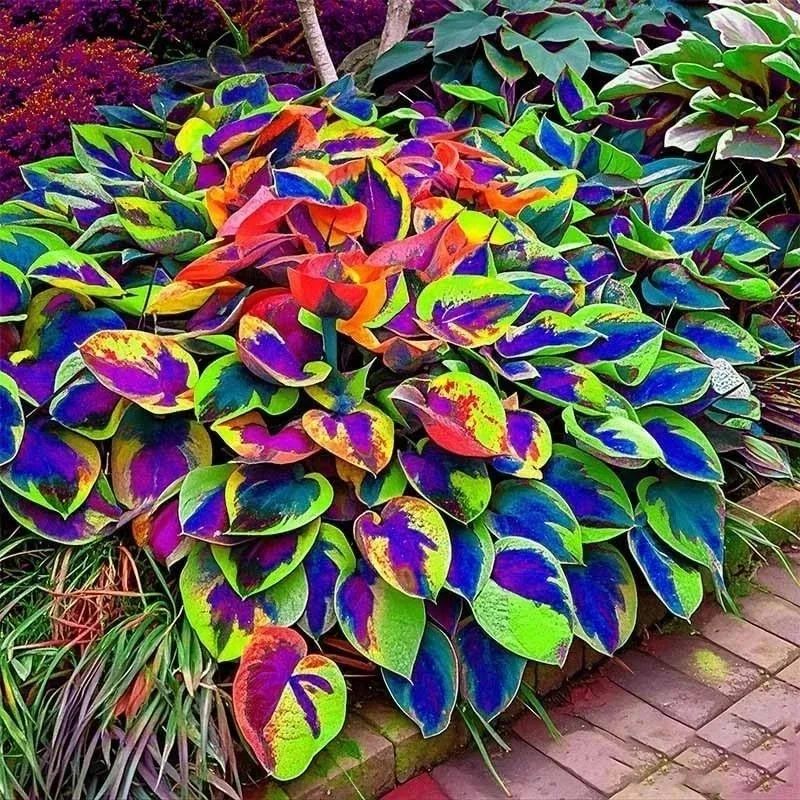
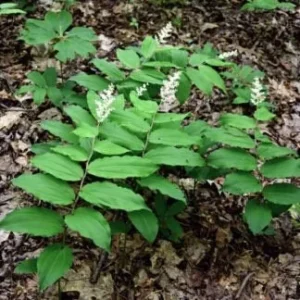
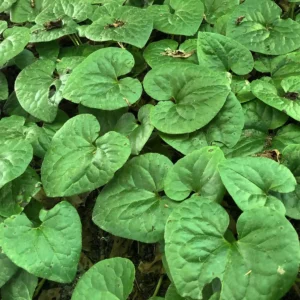
Discover the beauty of hostas with over 160+ hosta seeds. Ideal for creating lush outdoor shade gardens, these perennial hosta seeds develop into stunning ornamental plants with vibrant foliage. Perfect for adding texture and color to shaded areas, they are renowned for their easy cultivation and hardy nature.
Original price was: $22.76.$11.38Current price is: $11.38.

With our Alive & Thrive Guarantee, we’ve got your back for the first 30 days! If you have any concerns about your plants, just reach out to us. Our team is here to help answer your questions and guide you in selecting the best plants for your garden, climate, and unique preferences. We're excited to help you create the garden of your dreams!
Estimated arrival
Apr 03
Apr 08 - Apr 10
Apr 13 - Apr 17


Product Details
-
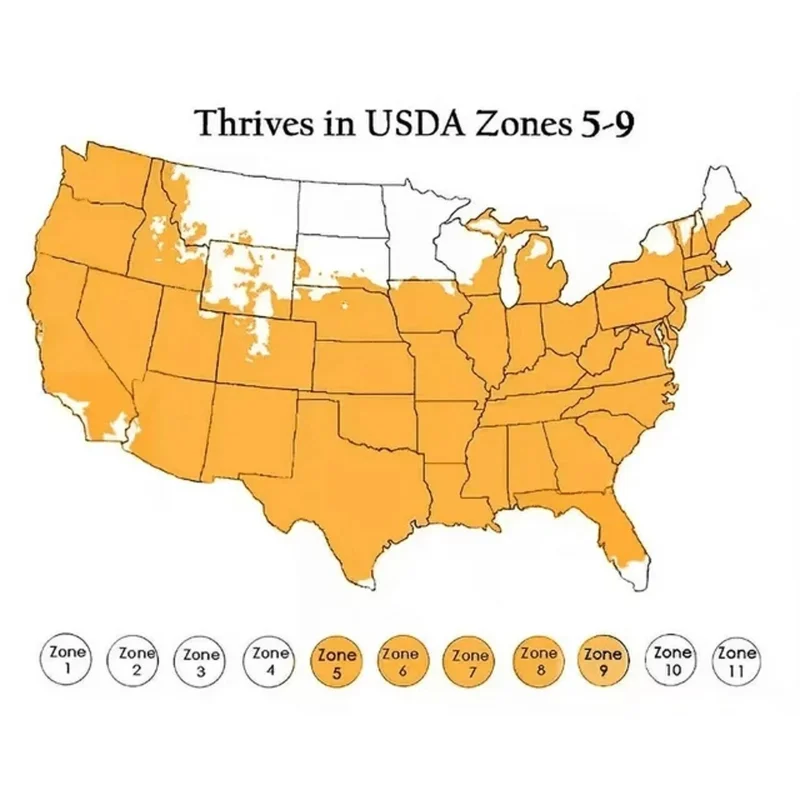
USDA Hardiness Zone
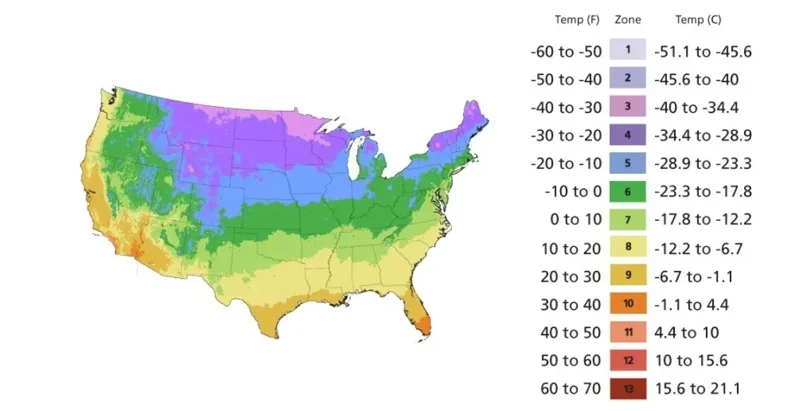
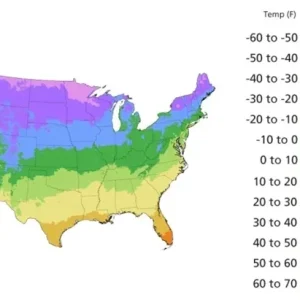
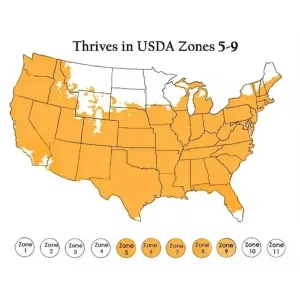
USDA Zones 3-9 -
Soil type
Rich, well-draining loam -
Sunlight Exposure
Partial to Full Shade -
Expected Planting Period
Late winter to early spring
Overview
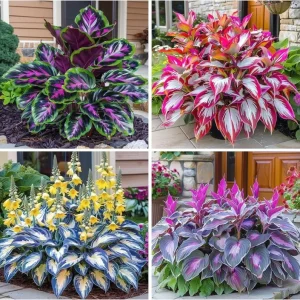
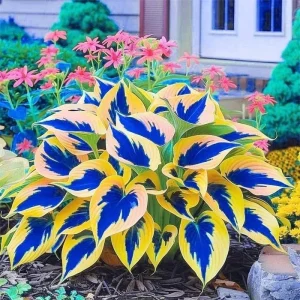
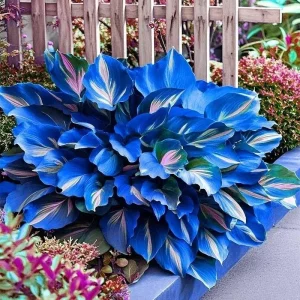
Transform your outdoor spaces into a serene haven with our premium collection of hosta seeds. Each packet contains over 160 high-quality seeds, offering a bountiful start to cultivating these beloved shade-loving perennials. Hostas, scientifically known as Hosta spp., are renowned for their striking foliage, which comes in an incredible array of colors, textures, and sizes. From deep greens and blues to variegated patterns of cream and gold, hostas provide unparalleled ornamental value to any garden. These hardy plants thrive in shaded environments, making them an excellent choice for areas where other plants struggle. Growing hosta seeds is a rewarding experience, allowing you to witness the full life cycle of these magnificent plants from germination to maturity.
Our perennial hosta seeds are sourced to ensure robust growth and vibrant displays. They are perfect for gardeners looking to establish a long-lasting, low-maintenance landscape feature. Whether you’re designing a woodland garden, enhancing a shaded border, or simply adding a touch of elegance around trees and shrubs, hostas are a versatile and captivating choice. Their clumping growth habit ensures a neat and tidy appearance, while their resilience makes them a favorite among both novice and experienced gardeners. Prepare to be enchanted by the diverse forms and enduring charm that hostas bring to your outdoor living spaces.
Key Benefits
Cultivating hostas from seed offers numerous advantages, enriching your garden with their unique characteristics and requiring minimal effort for maximum impact. These plants are a cornerstone for any shade garden plants enthusiast.
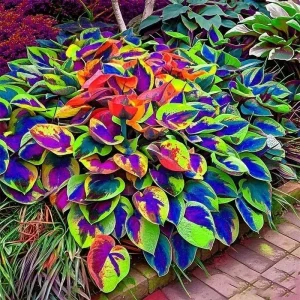
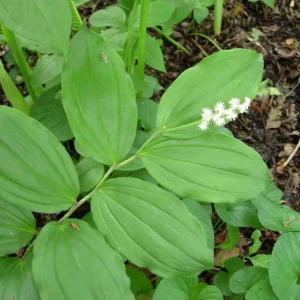
- Exceptional Ornamental Value: Hostas are primarily grown for their magnificent foliage, which can range from large, heart-shaped leaves to narrow, lance-like forms. The leaves display an impressive spectrum of colors, including various shades of green, blue, yellow, and striking variegations, creating dynamic visual interest in shaded areas.
- Thrives in Shade: Unlike many flowering plants, hostas are perfectly adapted to low-light conditions. They flourish in partial to full shade, making them essential for brightening up dimly lit garden corners, under trees, or along north-facing walls where other plants might fail.
- Perennial Longevity: As perennials, hostas return year after year, growing larger and more impressive with each season. Once established, they provide a reliable source of beauty without the need for annual replanting, offering a sustainable and enduring landscape solution.
- Low Maintenance: These hardy plants are remarkably easy to care for. They require consistent moisture but are generally pest-resistant and disease-free. Their robust nature makes them suitable for gardeners seeking beautiful results with minimal fuss, making them ideal ornamental hosta varieties.
- Versatile Landscaping Use: Hostas are incredibly versatile and can be used in various garden settings. They excel as groundcovers, border plants, accent plants, or even in containers. Their diverse sizes and forms allow for creative arrangements, complementing both formal and informal garden designs.
- Attractive to Pollinators: While celebrated for their leaves, many hosta varieties also produce delicate, bell-shaped flowers on tall scapes in summer. These blooms, often in shades of lavender or white, attract hummingbirds and other beneficial pollinators to your garden.
- Soil Improvement: The dense foliage of hostas helps to suppress weeds, while their extensive root systems can improve soil structure over time, contributing to a healthier garden ecosystem.
Plant Care & Growing Tips
Successfully growing hostas from seed requires understanding their specific needs, particularly concerning light, water, and soil. Hostas are generally easy to care for, but providing optimal conditions will ensure their lush growth and vibrant foliage. These perennial hosta seeds will develop into robust plants with proper attention.
Sunlight Requirements: Hostas are quintessential shade garden plants. They prefer partial to full shade, meaning they thrive with about 3-4 hours of morning sun and protection from intense afternoon rays. Too much direct sun can scorch their leaves, especially lighter-colored or variegated varieties, leading to browning or fading. In very deep shade, however, growth might be less vigorous, and flowering may be reduced. Aim for a location that receives dappled sunlight throughout the day or morning sun followed by afternoon shade.
Watering Schedule and Soil Moisture Preferences: Consistent moisture is crucial for hostas. They prefer evenly moist soil but do not tolerate waterlogging, which can lead to root rot. Water deeply once or twice a week, especially during dry spells or hot weather. The soil should feel moist to the touch but not soggy. Reduce watering in cooler months as the plants enter dormancy. Proper drainage is key; ensure your planting site or containers allow excess water to escape efficiently.
Soil Type and Drainage Requirements: Hostas thrive in rich, well-draining soil with a neutral pH (around 6.5-7.0). Amend heavy clay soils with organic matter like compost, peat moss, or well-rotted manure to improve drainage and fertility. For sandy soils, adding organic matter will help retain moisture and nutrients. A good loam soil is ideal. When planting hosta seeds, a high-quality seed-starting mix is recommended for germination, later transplanting into garden soil or a suitable potting mix for containers.
Temperature Range and USDA Hardiness Zone: Hostas are hardy perennials, typically thriving in USDA Zones 3-9. They are tolerant of a wide range of temperatures, but extreme heat combined with direct sun can be detrimental. They require a period of cold dormancy to perform their best. In colder zones, ensure adequate mulching for winter protection. In warmer zones, providing consistent shade and moisture is even more critical.
Fertilization Schedule and Type: Fertilize hostas in early spring as new growth emerges. A balanced granular fertilizer (e.g., 10-10-10) or a slow-release fertilizer designed for perennials is suitable. Alternatively, an organic approach using compost or well-rotted manure can provide a steady supply of nutrients. Avoid over-fertilizing, which can lead to leggy growth and reduced vigor. Reapply fertilizer mid-season if plants appear to need a boost, following product instructions carefully.
Common Problems and Solutions: Slugs and snails are common pests for hostas, as they enjoy chewing holes in the leaves. Organic solutions include hand-picking, using beer traps, or applying diatomaceous earth. Chemical baits can also be used following label instructions. Crown rot can occur in overly wet conditions; ensure good drainage to prevent this. Foliar nematodes can cause streaking or discoloration; remove and destroy affected leaves to prevent spread. Deer and rabbits may also browse hosta leaves; repellents or physical barriers may be necessary.
Size & Details
This product includes over 160+ hosta seeds, providing a generous quantity for planting a significant area or experimenting with various growing conditions. When mature, hostas exhibit a wide range of sizes, from miniature varieties just a few inches tall to giants reaching over 3 feet in height and spread. The specific size of the mature plant will depend on the particular hosta variety that emerges from these mixed seeds, as well as growing conditions. Typically, these ornamental hosta plants will form dense, clumping mounds of foliage, with a moderate growth rate, reaching their mature size within 3-5 years.
The seeds are typically shipped in a protective packet, designed to maintain viability. Expect germination to occur within several weeks to a few months after planting, depending on stratification and growing conditions. While most hostas are known for their beautiful foliage, some varieties will produce attractive purple or white flowers on tall stalks during the spring or summer months, adding another layer of interest to your garden. These shade garden plants are a fantastic investment for long-term garden beauty.
Frequently Asked Questions
- Q: How big do hosta plants get from these seeds? A: The mature size of hosta plants grown from these hosta seeds can vary significantly, ranging from small varieties under a foot tall and wide to large specimens reaching over 3 feet in height and spread. The exact size will depend on the specific genetics of each seed and the growing conditions you provide.
- Q: Are these hosta seeds suitable for indoor or outdoor planting? A: These perennial hosta seeds are primarily intended for outdoor planting in garden beds or containers. While you can start them indoors to get a head start, hostas are outdoor plants that require a period of dormancy during winter to thrive long-term.
- Q: How much sunlight do hostas need? A: Hostas are classic shade garden plants. They prefer partial to full shade, ideally receiving 3-4 hours of morning sun and protection from harsh afternoon sun. Too much direct sunlight can scorch their leaves, especially for lighter-colored varieties.
- Q: Is it difficult to grow hostas from seed? A: Growing hostas from seed is generally considered easy, though it requires patience as germination can be slow and sometimes irregular. Proper stratification (a cold period) is often needed to break dormancy and encourage germination for these hosta seeds.
- Q: When is the best time to plant hosta seeds? A: The best time to plant hosta seeds is typically in late winter or early spring after they have undergone a stratification period. This allows the seedlings to establish themselves before the heat of summer.
- Q: What condition will the hosta seeds arrive in? A: Your hosta seeds will arrive in a sealed packet, ensuring their freshness and viability for planting. They are carefully packaged to protect them during transit.
- Q: Will these hostas attract pollinators? A: While primarily grown for their foliage, many hosta varieties produce delicate flowers on tall stalks that can attract hummingbirds and other beneficial pollinators to your garden, enhancing its biodiversity.
- Q: What kind of soil is best for growing hostas? A: Hostas thrive in rich, well-draining soil with a neutral pH. Amending your garden beds with organic matter like compost will significantly improve soil structure and fertility, which is crucial for healthy shade garden plants.
- Q: Are hostas considered ornamental plants? A: Yes, hostas are highly valued as ornamental hosta plants due to their diverse and attractive foliage, which comes in various colors, shapes, and textures, providing significant visual appeal in garden landscapes.
- Q: Can I grow hostas in containers? A: Absolutely! Hostas are excellent choices for containers, especially smaller varieties. Ensure the container has good drainage and use a high-quality potting mix. Container-grown hostas may require more frequent watering than those in the ground.
Related products
-20%

Original price was: $33.98.$27.18Current price is: $27.18.
-20%


Original price was: $16.00.$12.80Current price is: $12.80.
-20%

Original price was: $22.00.$17.60Current price is: $17.60.
-20%


Original price was: $29.98.$23.98Current price is: $23.98.
-20%
Original price was: $15.00.$12.00Current price is: $12.00.
-20%
Original price was: $37.98.$30.38Current price is: $30.38.
-20%
Original price was: $92.00.$73.60Current price is: $73.60.
PLANTING & CARE

Growing Glencoe Raspberry: A Complete Guide for Gardeners
If you’re looking to add something unique to your garden, look no further than the
31
Mar
Mar

The Comprehensive Guide to Growing Bay Leaf Plants for a Flavorful Garden
Imagine stepping into your garden, greeted by the earthy aroma of fresh bay leaves, their
09
Feb
Feb

How to Make Comfrey Tea: The Ultimate Organic Plant Food
Growing an organic garden can be surprisingly expensive, especially when most store-bought fertilizers come in
02
Feb
Feb

True Comfrey: 7 Essential Tips Before You Plant This Herb
A staple in permaculture practices across the US, True Comfrey easily earns its reputation as
27
Jan
Jan

7 Heart-Shaped Plants for a Lasting Valentine’s Gift
If you’ve ever bought a bouquet of roses for Valentine’s Day, you know they are
26
Jan
Jan

Best Types of Ivy Plant for Houses: How to Choose the Perfect Ones for Your Home
Are you a garden lover looking to introduce some greenery into your home? Maybe you’ve
14
Nov
Nov

When to Harvest Garlic (Especially Fall-Planted Garlic)
TIMING IS EVERYTHING, they say – and for garlic, that truth hits with surprising accuracy.
13
Nov
Nov

11 of the Best Sweet Potato Varieties to Grow for Your Garden
If you’ve ever tried growing sweet potatoes, you know that picking the right variety can
12
Nov
Nov