Hydnophytum papuanum Ant Plant – Live Houseplant – 4 Inch Pot
-50%
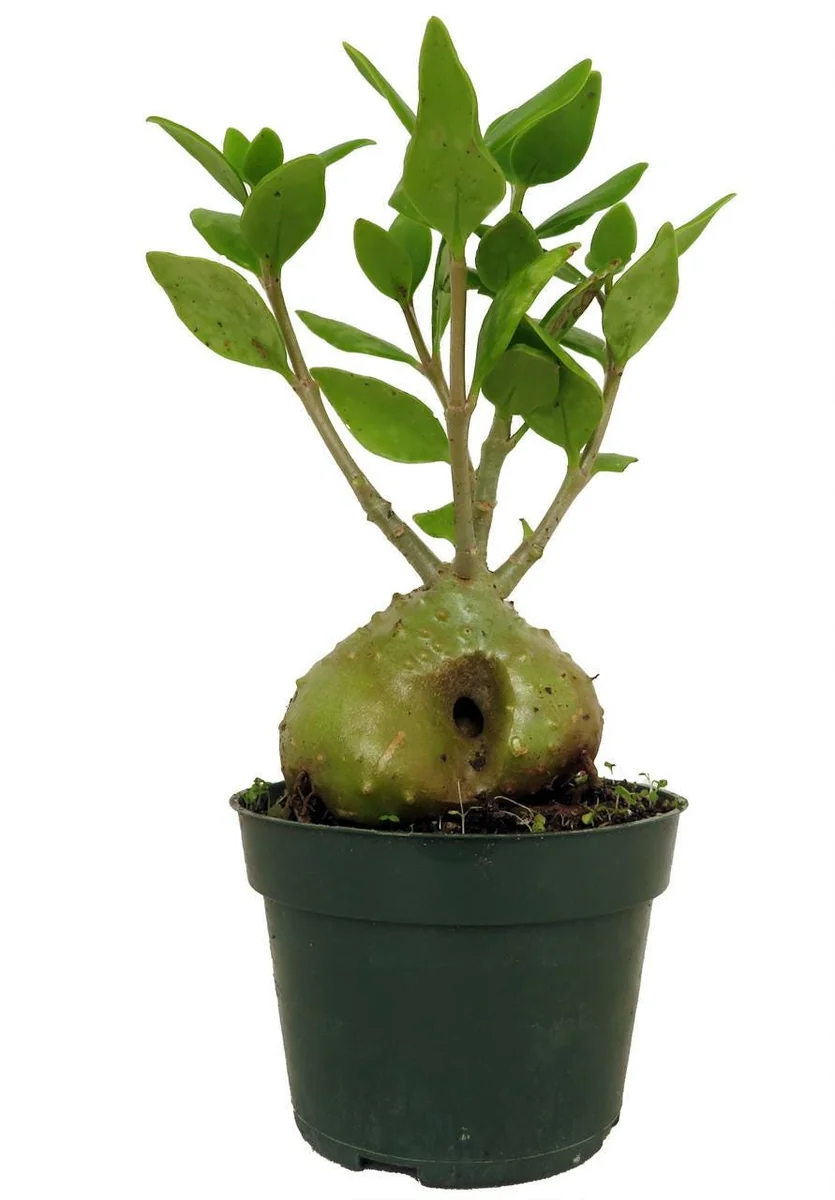
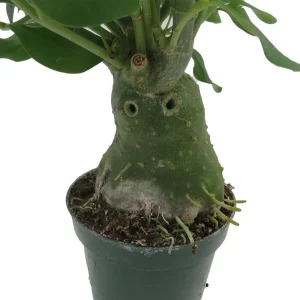
Hydnophytum papuanum Ant Plant – Live Houseplant – 4 Inch Pot
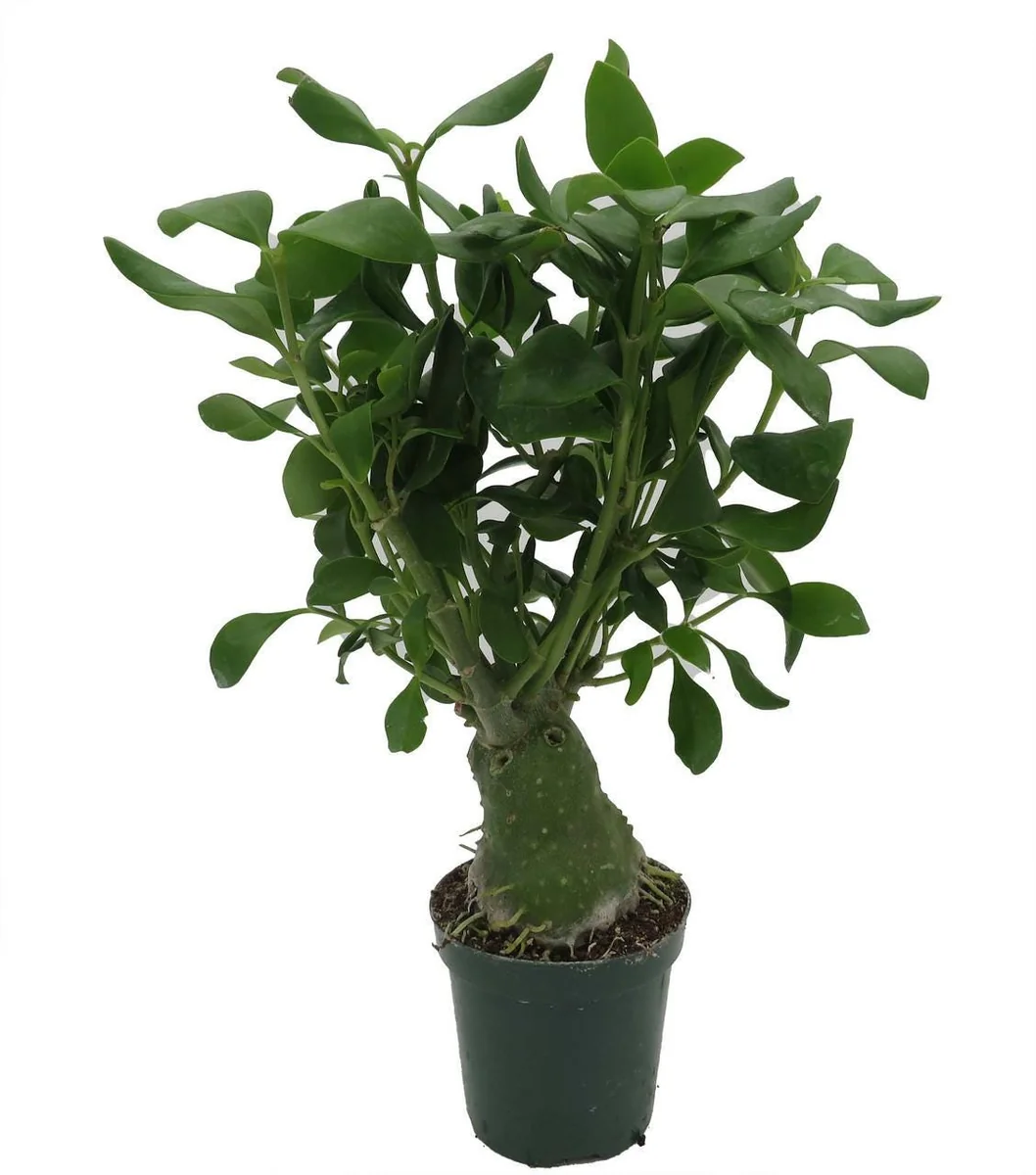
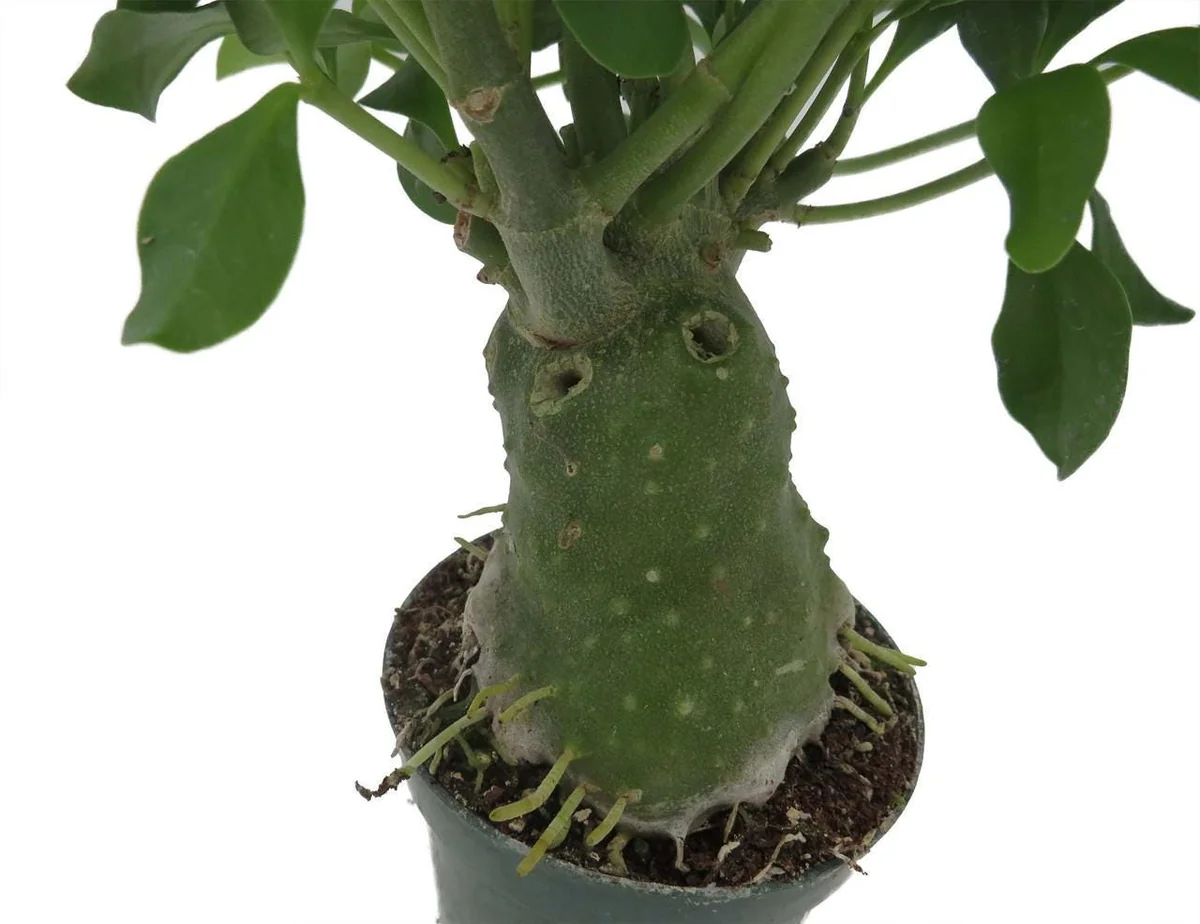
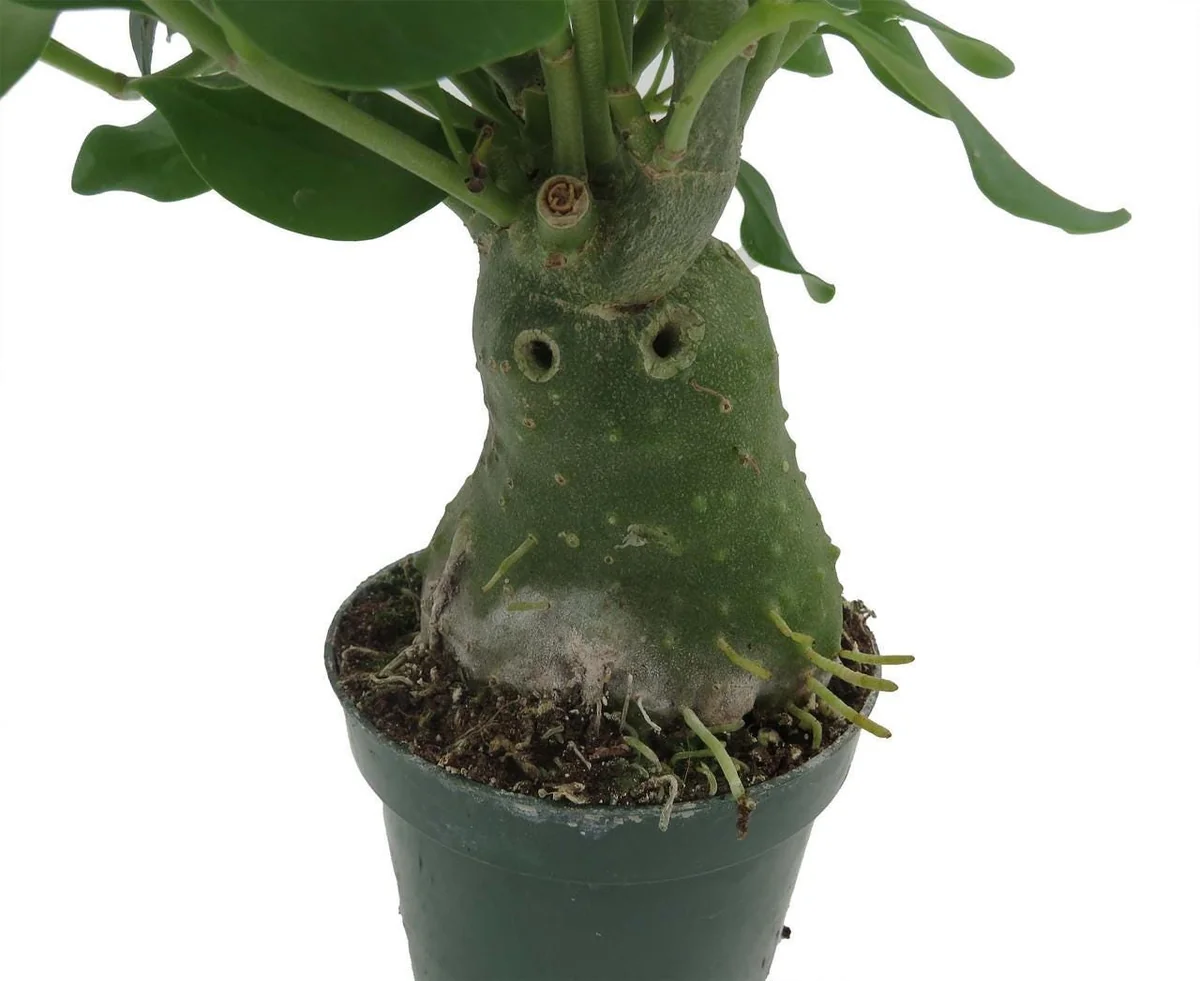
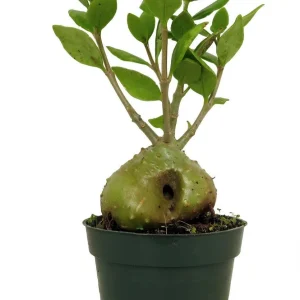
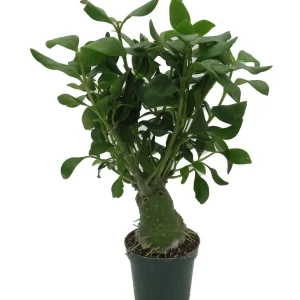
Bring home a captivating Hydnophytum papuanum ant plant, a unique myrmecophyte known for its swollen caudex and intriguing form. This Hydnophytum houseplant is an excellent conversation starter and perfect for plant collectors seeking something extraordinary. Easy to care for and shipped in a 4 inch pot.
Original price was: $63.96.$31.98Current price is: $31.98.

With our Alive & Thrive Guarantee, we’ve got your back for the first 30 days! If you have any concerns about your plants, just reach out to us. Our team is here to help answer your questions and guide you in selecting the best plants for your garden, climate, and unique preferences. We're excited to help you create the garden of your dreams!
Estimated arrival
Apr 13
Apr 18 - Apr 20
Apr 23 - Apr 27


Product Details
-
USDA Hardiness Zone
USDA zones 10-12 (as an outdoor plant in tropical climates, otherwise indoor) -
Soil type
Well-draining succulent or orchid mix -
Sunlight Exposure
Bright indirect light -
Expected Planting Period
Year-round indoors
Overview
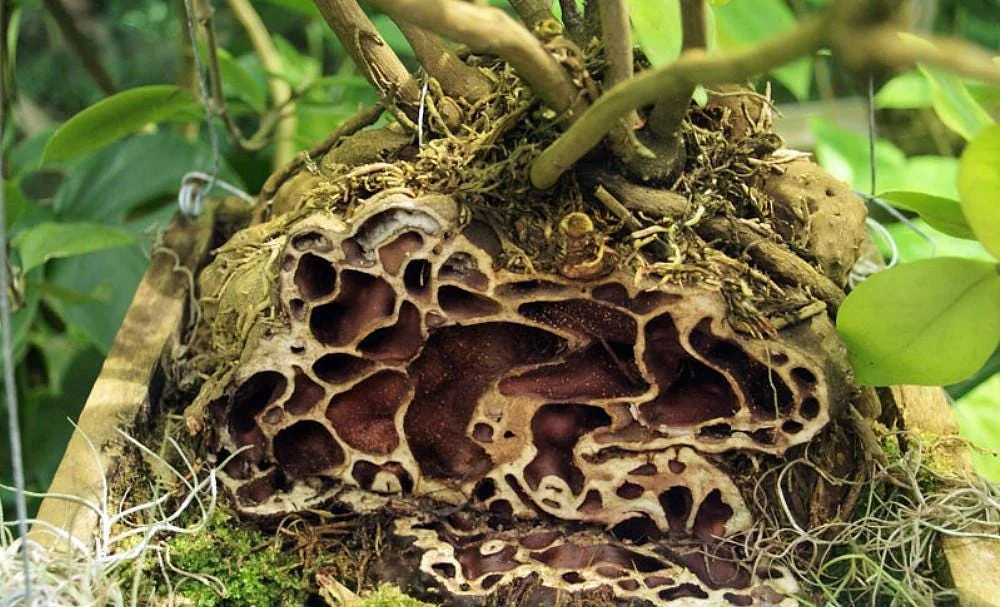
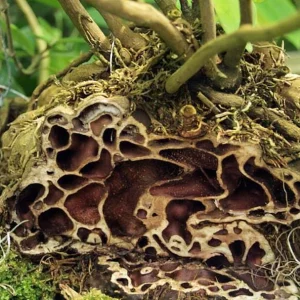
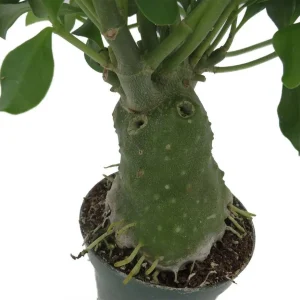
The Hydnophytum papuanum ant plant is a truly fascinating live plant, renowned for its unique appearance and symbiotic relationship with ants in its native habitat. This particular species, Hydnophytum papuanum, originates from Southeast Asia and the Pacific region, including parts of northern Australia. The name ‘Hydnophytum’ itself, derived from Ancient Greek words for ‘tuber’ and ‘plant,’ perfectly describes its most striking feature: a swollen, succulent stem known as a caudex. These epiphytic myrmecophytes naturally grow on tree branches and trunks, developing hollow, smooth-walled tunnels within their caudex. While these tunnels provide shelter for ant colonies in the wild, offering protection from elements and predators, you can easily grow this plant indoors without the need for ants. Its distinctive form makes it a captivating addition to any indoor plant collection, offering a piece of the rainforest’s intricate ecosystem right in your home. This unique indoor plant thrives in typical household conditions, making it an accessible choice for both novice and experienced plant enthusiasts.
As a myrmecophyte plant, the Hydnophytum papuanum showcases an incredible adaptation. In nature, the ants living within its caudex contribute nutrients to the plant by leaving waste in the tunnels, which are then absorbed by special glands. This allows the plant to gather nutrients from a much larger area than its roots alone could cover. However, when cultivated as a houseplant, the Hydnophytum papuanum ant plant is perfectly content and healthy without an ant colony. Its sculptural form and unusual growth habit make it a living piece of art, adding a touch of the exotic to your living space. Discover the allure of this botanical marvel and enjoy its striking presence.
Key Benefits
The Hydnophytum papuanum ant plant offers numerous benefits beyond its captivating appearance, making it a wonderful addition to any home or office environment. This particular Hydnophytum houseplant stands out among other indoor plants due to its unique characteristics.
- Exceptional Decorative Appeal: With its distinctive swollen caudex and intricate structure, the Hydnophytum papuanum ant plant serves as a natural sculpture, adding an exotic and artistic touch to any room. Its unusual form is a guaranteed conversation starter.
- Low Maintenance & Easy Care: Despite its exotic origins, this plant is surprisingly easy to care for, making it suitable for busy individuals or those new to unique houseplants. It doesn’t demand constant attention.
- Fascinating Biological Curiosity: As a myrmecophyte plant, it offers a glimpse into the incredible world of symbiotic relationships found in nature, even when grown without ants. It’s a living science lesson!
- Compact Size for Any Space: The Hydnophytum papuanum typically remains a manageable size, making it ideal for desks, shelves, windowsills, or terrariums where space might be limited.
- Unique Conversation Starter: Its unusual appearance and interesting backstory about ant symbiosis make it a fantastic topic for discussion among guests and fellow plant lovers.
- Drought Tolerant: Thanks to its succulent caudex, this plant can store water, allowing it to tolerate periods of dryness better than many other houseplants, reducing the frequency of watering.
- Air Purifying Qualities: Like many houseplants, it contributes to a healthier indoor environment by helping to filter airborne toxins and improve air quality.
Plant Care & Growing Tips
Caring for your Hydnophytum papuanum ant plant is relatively straightforward, allowing you to enjoy this unique indoor plant with minimal fuss. Understanding its natural epiphytic habitat provides clues for optimal care. For sunlight, this plant thrives in bright, indirect light. Avoid direct, intense sunlight, especially during the hottest parts of the day, as it can scorch the leaves and caudex. An east-facing window is often ideal, or a few feet back from a south or west-facing window. If natural light is insufficient, a grow light can supplement its needs, ensuring a healthy growth rate for your Hydnophytum houseplant.
When it comes to watering, the key is moderation and ensuring excellent drainage. Allow the top inch or two of the soil to dry out completely between waterings. Overwatering is the most common cause of problems for this plant, leading to root and caudex rot. During the growing season (spring and summer), you might water more frequently, reducing the frequency in fall and winter when the plant’s growth slows. Use a well-draining potting mix specifically formulated for succulents or epiphytes. A mix containing orchid bark, perlite, and a small amount of peat or coco coir will provide the necessary aeration and drainage. The ideal temperature range for your Hydnophytum papuanum ant plant is between 65-85°F (18-29°C), and it prefers moderate to high humidity, though it adapts well to average household humidity. Fertilize sparingly during the growing season with a balanced liquid fertilizer diluted to half strength, once every 4-6 weeks. This supports the plant’s overall health and encourages the development of its unique caudex.
As a myrmecophyte plant, its care requirements are similar to other epiphytic succulents. Ensure good air circulation to prevent fungal issues, especially if humidity is high. Repotting should only be done when the plant has significantly outgrown its container, typically every 2-3 years. When repotting, be careful not to bury the caudex too deeply, as it is prone to rot if kept too moist. Keep an eye out for common houseplant pests like mealybugs or spider mites, though they are not frequently an issue for this robust plant. Promptly address any pest sightings with appropriate organic insecticides or horticultural oil. By following these guidelines, your Hydnophytum papuanum ant plant will flourish, providing years of intriguing beauty.
Size & Details
This offering is for one live Hydnophytum papuanum ant plant, meticulously grown and ready for its new home. Each plant is shipped in a 4 inch pot, providing a stable and established root system to ensure a smooth transition to your environment. The exact height and width of individual plants may vary slightly, but they are typically compact, making them perfect for display on windowsills, desks, or in terrariums. The distinctive swollen caudex, which is the hallmark of this unique indoor plant, will already be well-formed, showcasing its intriguing structure. These plants have a moderate growth rate, gradually increasing the size of their caudex over time, offering a continuous point of interest as they mature.
Your Hydnophytum papuanum ant plant will arrive carefully packaged to minimize stress during transit. It is a live plant, accustomed to indoor conditions, and will be shipped in its nursery pot with appropriate growing medium. While measurements are approximate, we ensure each plant meets our quality standards. Expect a robust specimen ready to continue its growth under your care. This myrmecophyte plant is a long-lived addition to any collection, providing years of aesthetic pleasure and botanical intrigue.
Frequently Asked Questions
- Q: How big does this plant get? A: The Hydnophytum papuanum ant plant typically remains a compact size, with its caudex slowly growing over time. It can reach a diameter of several inches, and the foliage usually extends a few inches above that, making it ideal for small spaces.
- Q: What size pot does it come in? A: This Hydnophytum papuanum ant plant is shipped in a standard 4 inch pot, providing ample space for its current growth and allowing it to establish itself further before needing a larger container.
- Q: Is this an indoor or outdoor plant? A: While native to tropical regions, the Hydnophytum papuanum ant plant is primarily grown as an indoor houseplant in most climates due to its sensitivity to cold. It thrives in controlled indoor environments.
- Q: How much sunlight does it need? A: This unique indoor plant prefers bright, indirect light. Avoid direct, harsh sunlight which can burn its leaves and caudex. A spot near an east-facing window or a shaded south/west window is ideal.
- Q: Is this plant easy to care for? A: Yes, the Hydnophytum papuanum ant plant is considered relatively easy to care for, especially for those familiar with succulents. Its main requirements are bright, indirect light and careful watering to avoid overwatering.
- Q: What condition will it arrive in? A: Your plant will arrive as a healthy, live specimen in its nursery pot, carefully packed to minimize stress during shipping. We take great care to ensure it reaches you in excellent condition.
- Q: Does this plant come with ants? A: No, the Hydnophytum papuanum ant plant is cultivated for indoor enjoyment and does not come with ants. It thrives perfectly well without a symbiotic ant colony when grown as a houseplant.
- Q: How often should I water my Hydnophytum houseplant? A: Water thoroughly when the top 1-2 inches of soil are dry. Reduce watering frequency in cooler months. Always ensure good drainage to prevent rot, which is crucial for this myrmecophyte plant.
- Q: What kind of soil is best for this ant plant care? A: A well-draining potting mix is essential. A mix designed for orchids or succulents, containing components like bark, perlite, and a small amount of coco coir, works best for optimal ant plant care.
- Q: Is this plant pet-safe? A: While not typically listed as highly toxic, it’s always best to keep all houseplants out of reach of pets to prevent any potential irritation or upset stomachs from ingestion.
Related products
-35%
Original price was: $29.80.$19.36Current price is: $19.36.
-25%
Original price was: $20.90.$15.68Current price is: $15.68.
-50%
Original price was: $39.98.$19.98Current price is: $19.98.
-25%
Original price was: $23.00.$17.24Current price is: $17.24.
-5%
Original price was: $91.98.$87.38Current price is: $87.38.
-25%
Original price was: $23.80.$17.84Current price is: $17.84.
PLANTING & CARE
Growing Glencoe Raspberry: A Complete Guide for Gardeners
If you’re looking to add something unique to your garden, look no further than the
31
Mar
Mar

The Comprehensive Guide to Growing Bay Leaf Plants for a Flavorful Garden
Imagine stepping into your garden, greeted by the earthy aroma of fresh bay leaves, their
09
Feb
Feb

How to Make Comfrey Tea: The Ultimate Organic Plant Food
Growing an organic garden can be surprisingly expensive, especially when most store-bought fertilizers come in
02
Feb
Feb

True Comfrey: 7 Essential Tips Before You Plant This Herb
A staple in permaculture practices across the US, True Comfrey easily earns its reputation as
27
Jan
Jan

7 Heart-Shaped Plants for a Lasting Valentine’s Gift
If you’ve ever bought a bouquet of roses for Valentine’s Day, you know they are
26
Jan
Jan

Best Types of Ivy Plant for Houses: How to Choose the Perfect Ones for Your Home
Are you a garden lover looking to introduce some greenery into your home? Maybe you’ve
14
Nov
Nov

When to Harvest Garlic (Especially Fall-Planted Garlic)
TIMING IS EVERYTHING, they say – and for garlic, that truth hits with surprising accuracy.
13
Nov
Nov

11 of the Best Sweet Potato Varieties to Grow for Your Garden
If you’ve ever tried growing sweet potatoes, you know that picking the right variety can
12
Nov
Nov