Insulin Plant Live Cuttings – Costus Igneus – 7 Cuttings – Grow Your Own

Insulin Plant Live Cuttings – Costus Igneus – 7 Cuttings – Grow Your Own
Start your own insulin plant garden with these 7 live Costus igneus plant cuttings. Perfect for beginners, these cuttings are ready for planting and offer a unique addition to your herbal collection.
$0.00

With our Alive & Thrive Guarantee, we’ve got your back for the first 30 days! If you have any concerns about your plants, just reach out to us. Our team is here to help answer your questions and guide you in selecting the best plants for your garden, climate, and unique preferences. We're excited to help you create the garden of your dreams!
Estimated arrival
Apr 13
Apr 18 - Apr 20
Apr 23 - Apr 27
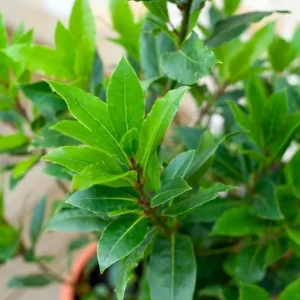
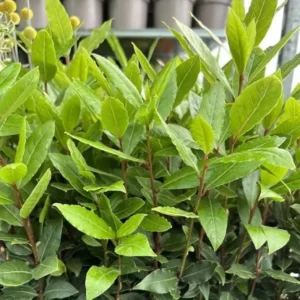
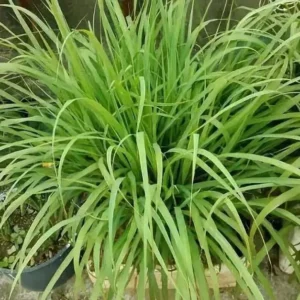
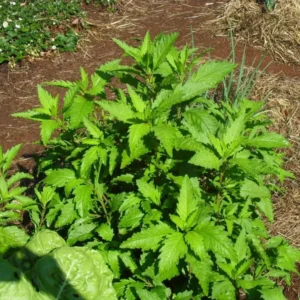
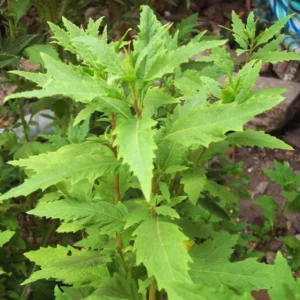
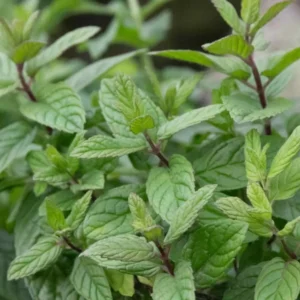
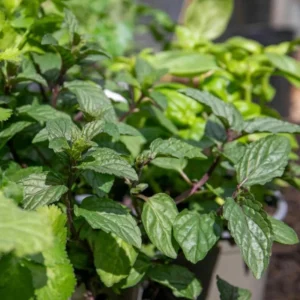
Product Details
-
USDA Hardiness Zone
USDA zones 9-11 (outdoors), suitable for all zones indoors -
Soil type
Well-draining potting mix -
Sunlight Exposure
Bright indirect light -
Expected Planting Period
Year-round indoors, spring to early summer outdoors
Overview
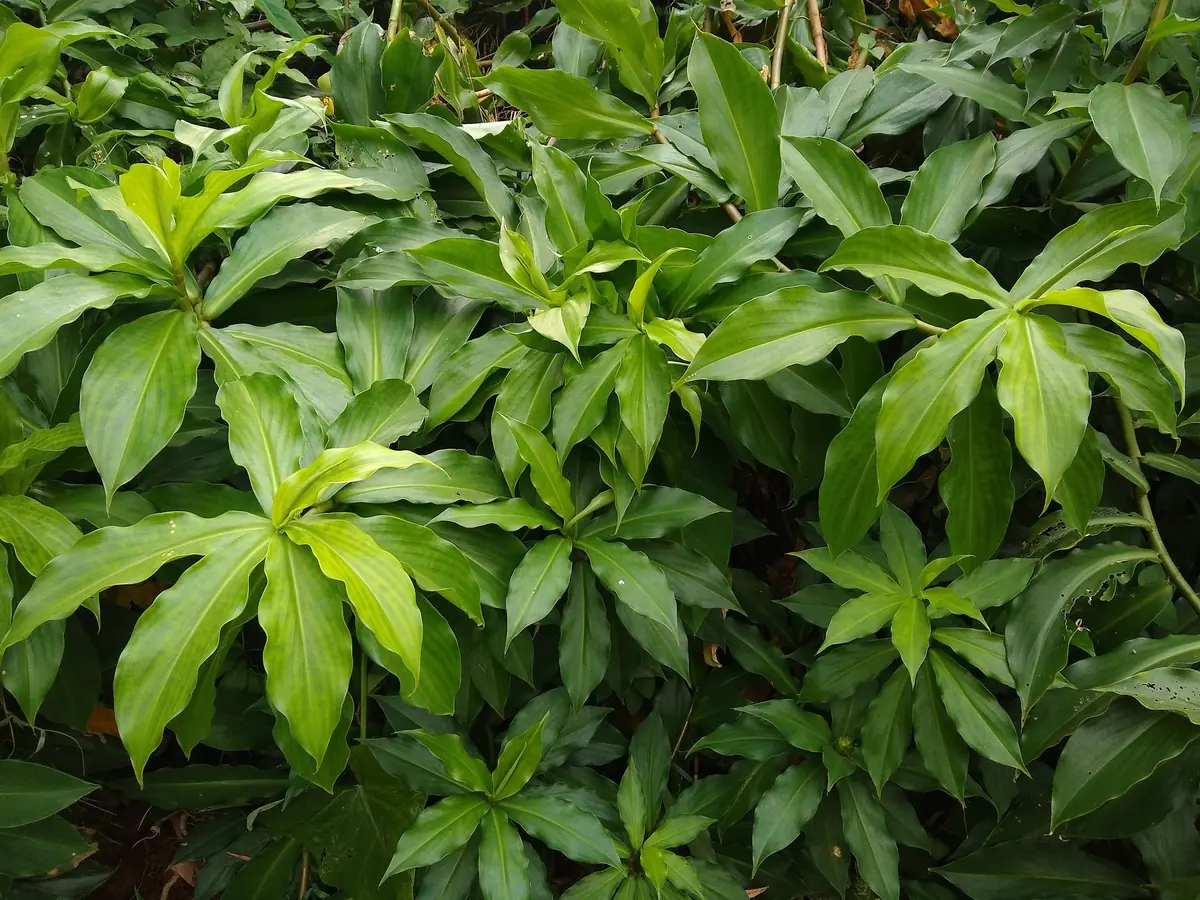
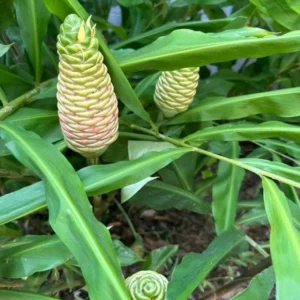
Embark on your gardening journey with these high-quality insulin plant cuttings. You will receive 7 vigorous cuttings of Costus igneus plant, also widely known as the Insulin Plant or Spiral Flag. This remarkable perennial herb is celebrated for its unique foliage and potential health benefits, making it a popular choice for home gardeners interested in herbal remedies. Originating from tropical regions, the insulin plant is relatively easy to cultivate, thriving in warm, humid environments. These cuttings provide a straightforward way to propagate this fascinating plant, allowing you to establish your own supply of its distinctive leaves. Whether you’re a seasoned gardener or just starting out, growing the Costus igneus plant from cuttings is a rewarding experience that connects you with nature’s botanical wonders.
The insulin plant is characterized by its spiraling stems and vibrant green leaves, which can add an exotic touch to any garden or indoor space. Its rapid growth makes it an exciting project for those who enjoy watching plants develop. Each of the 7 cuttings is carefully selected to ensure viability, providing you with a strong foundation for a thriving plant. Discover the joy of cultivating this interesting herb and learning how to grow insulin plant successfully in your own backyard or patio.
Key Benefits
Cultivating the insulin plant offers a range of benefits, from its aesthetic appeal to its potential wellness contributions. This robust plant is a fantastic addition to any home garden, providing both beauty and utility.
- Easy Propagation: These 7 cuttings make it simple to start your own insulin plant collection. They are chosen for their readiness to root, ensuring a higher success rate for beginners and experienced gardeners alike.
- Unique Foliage: The distinctive spiraling stems and lush green leaves of the Costus igneus plant create an eye-catching display, adding a tropical flair to your garden or indoor plant arrangement.
- Herbal Interest: The diabetes plant is a subject of much interest in traditional and modern herbal practices. Growing it allows you to explore its properties firsthand and integrate it into your natural living routine.
- Adaptable Growth: While preferring warm climates, the insulin plant can be grown in various settings, including containers, making it suitable for patios, balconies, or even indoors in colder regions.
- Fast Growing: Experience the satisfaction of watching your cuttings quickly establish themselves and grow into mature plants. This rapid growth cycle makes it an engaging plant to cultivate.
- Educational Value: Learning how to grow insulin plant provides valuable insights into plant propagation and care, enhancing your gardening knowledge and skills.
- Natural Connection: Engage with nature by cultivating a plant known for its unique characteristics and potential health-supporting qualities, fostering a deeper connection to the botanical world.
Plant Care & Growing Tips
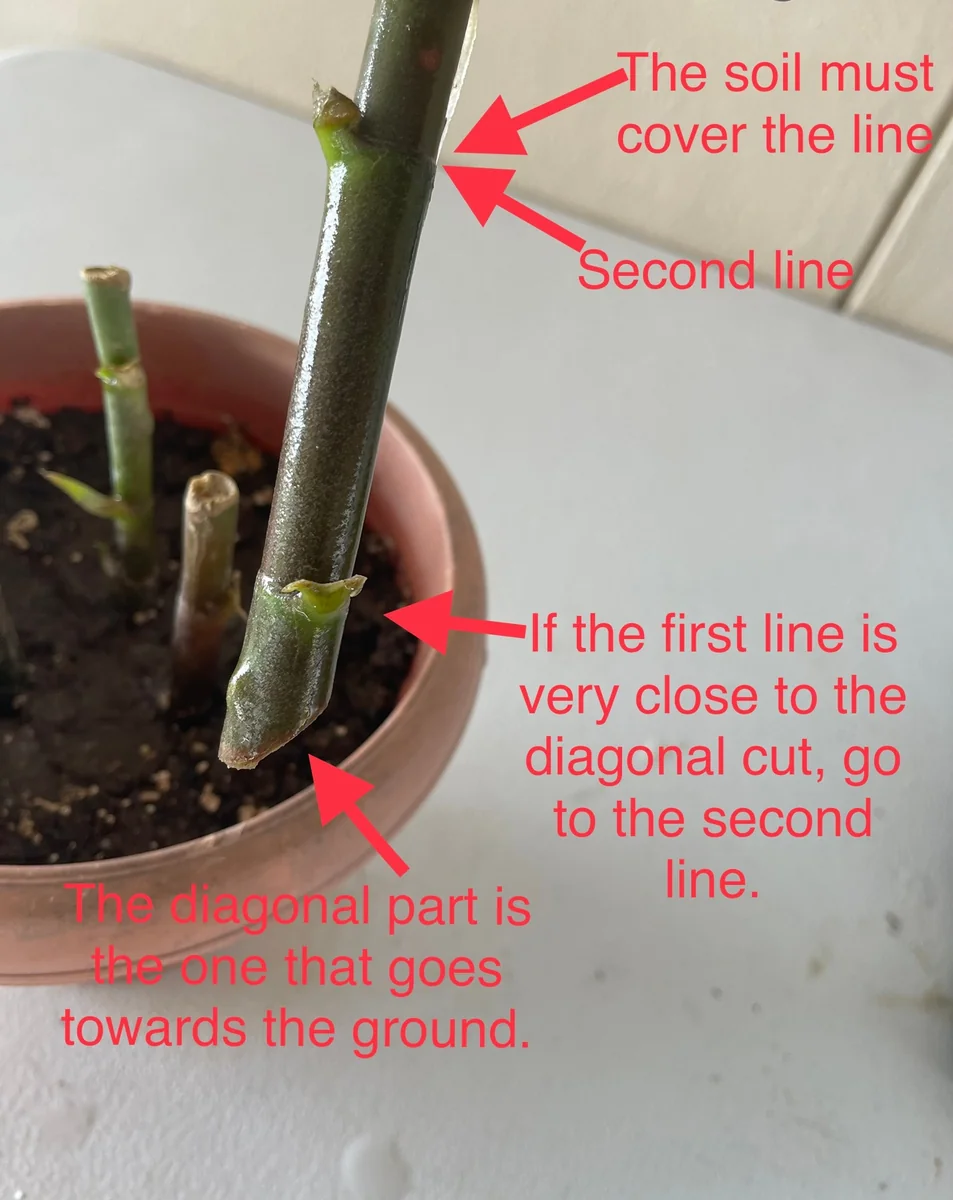
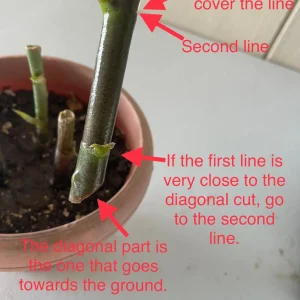
Successfully growing your insulin plant cuttings requires attention to a few key environmental factors. Upon receiving your 7 cuttings, the bottom part will typically have a diagonal cut, which is a common practice to increase rooting surface area. To plant, simply stick the cuttings in a vertical position, ensuring one or two inches are buried under the dirt. This initial depth helps stabilize the cutting and encourages root development from the nodes.
For optimal growth, always keep the soil well-moist, but avoid waterlogging, as this can lead to rot. A bright but indirect sunlight exposure is ideal; never place the cuttings under direct, harsh sunlight, which can scorch the delicate new growth. Consistent moisture and filtered light are crucial during the rooting phase. It may take about two months or even longer to notice a new rhizome emerging from the nodule buried under the soil. During this period, it’s common for the cutting to turn brown; this is often a natural part of the process as the plant sacrifices older tissue to put energy into new root development. For enhanced rooting, many gardeners recommend using a rooting hormone or ‘root powder.’ To apply, dip the diagonally cut end of the cutting into the powder before planting it directly into the soil.
Once established, the Costus igneus plant thrives in well-draining, fertile soil. A potting mix enriched with organic matter works well for container growing. Maintain a consistent watering schedule, allowing the top inch of soil to dry slightly between waterings. The plant prefers warm temperatures, ideally between 65-85°F (18-29°C), and appreciates high humidity. Fertilize every 2-4 weeks during the growing season with a balanced liquid fertilizer. Protect your insulin plant from frost if you live in a colder climate by bringing it indoors or providing adequate winter protection. Understanding how to grow insulin plant effectively will lead to a lush and healthy specimen.
Size & Details
This offering includes 7 insulin plant cuttings, each carefully prepared for propagation. The cuttings are typically between 4-6 inches in length, providing ample material for successful rooting. Once established, the Costus igneus plant can grow to an average height of 2-3 feet in a single growing season, developing into a bushy, upright specimen. The plant’s growth rate is considered moderate to fast under ideal conditions, allowing you to quickly enjoy a mature plant. These cuttings are shipped bare, ready for immediate planting upon arrival. With proper care, you can expect new rhizomes and foliage to emerge within 2-3 months, leading to a robust plant that will continue to grow and produce for years to come. The mature insulin plant will develop a spread of approximately 1-2 feet, making it suitable for small garden beds or medium-sized containers.
Frequently Asked Questions
- Q: How big do these insulin plant cuttings get once grown? A: Once rooted and established, your insulin plant can typically grow to a height of 2-3 feet tall and spread about 1-2 feet wide, forming a beautiful, lush bush. The size can vary based on growing conditions and container size.
- Q: Is this an indoor or outdoor plant? A: The Costus igneus plant can be grown both indoors and outdoors. In USDA zones 9-11, it can thrive outdoors year-round. In colder climates, it’s best grown in a pot and brought indoors during winter, making it a versatile option.
- Q: How much sunlight does the insulin plant need? A: Your insulin plant prefers bright, indirect sunlight. Avoid direct, harsh afternoon sun, especially in hot climates, as it can scorch the leaves. A location with morning sun and afternoon shade is often ideal.
- Q: Is this plant easy to care for? Is it good for beginners interested in growing the diabetes plant? A: Yes, the insulin plant is relatively easy to care for, making it an excellent choice for beginners. Its resilience and straightforward propagation from cuttings contribute to its beginner-friendly nature, especially when following basic care guidelines.
- Q: What condition will the insulin plant cuttings arrive in? A: Your order will arrive as 7 fresh, live cuttings, typically without roots or soil, carefully packaged to ensure their health during transit. They will be ready for immediate planting upon unboxing.
- Q: How long until the cuttings root and start growing? A: With proper care, you can expect to see signs of rooting and new growth within 2-3 months. Patience is key, as root development happens beneath the soil surface before visible changes appear above ground.
- Q: What’s the best soil type for these Costus igneus plant cuttings? A: A well-draining potting mix rich in organic matter is ideal for rooting and growing your insulin plant. Good drainage is crucial to prevent root rot, so consider adding perlite or sand to your mix.
- Q: Can I use the leaves from this plant? A: While the insulin plant benefits are widely discussed, it’s essential to consult with a healthcare professional before using any plant for medicinal purposes. We provide the plant for ornamental and gardening purposes.
- Q: Will the cuttings survive winter in my zone? A: If you live in USDA zones 9-11, the insulin plant can generally survive outdoors year-round. In colder zones, it must be protected from frost; either bring potted plants indoors or grow them as annuals.
- Q: What is the minimum temperature the insulin plant can tolerate? A: The insulin plant is sensitive to cold and prefers temperatures above 50°F (10°C). Prolonged exposure to temperatures below this can damage or kill the plant.
Related products
-10%
Original price was: $75.00.$67.50Current price is: $67.50.
-20%
Original price was: $35.00.$28.00Current price is: $28.00.
-30%
Original price was: $59.98.$41.98Current price is: $41.98.
-67%

Original price was: $75.72.$25.24Current price is: $25.24.
-50%
Original price was: $59.96.$29.98Current price is: $29.98.
-50%
Original price was: $15.96.$7.98Current price is: $7.98.
-50%
Original price was: $47.96.$23.98Current price is: $23.98.
-67%
From Original price was: $35.22.$11.74Current price is: $11.74.
PLANTING & CARE
Growing Glencoe Raspberry: A Complete Guide for Gardeners
If you’re looking to add something unique to your garden, look no further than the
31
Mar
Mar

The Comprehensive Guide to Growing Bay Leaf Plants for a Flavorful Garden
Imagine stepping into your garden, greeted by the earthy aroma of fresh bay leaves, their
09
Feb
Feb

How to Make Comfrey Tea: The Ultimate Organic Plant Food
Growing an organic garden can be surprisingly expensive, especially when most store-bought fertilizers come in
02
Feb
Feb

True Comfrey: 7 Essential Tips Before You Plant This Herb
A staple in permaculture practices across the US, True Comfrey easily earns its reputation as
27
Jan
Jan

7 Heart-Shaped Plants for a Lasting Valentine’s Gift
If you’ve ever bought a bouquet of roses for Valentine’s Day, you know they are
26
Jan
Jan

Best Types of Ivy Plant for Houses: How to Choose the Perfect Ones for Your Home
Are you a garden lover looking to introduce some greenery into your home? Maybe you’ve
14
Nov
Nov

When to Harvest Garlic (Especially Fall-Planted Garlic)
TIMING IS EVERYTHING, they say – and for garlic, that truth hits with surprising accuracy.
13
Nov
Nov

11 of the Best Sweet Potato Varieties to Grow for Your Garden
If you’ve ever tried growing sweet potatoes, you know that picking the right variety can
12
Nov
Nov