Jaboticaba Brazilian Grape Seedling Live Plant – 3-5” Tall – 2.5” Pot
-50%

Jaboticaba Brazilian Grape Seedling Live Plant – 3-5” Tall – 2.5” Pot
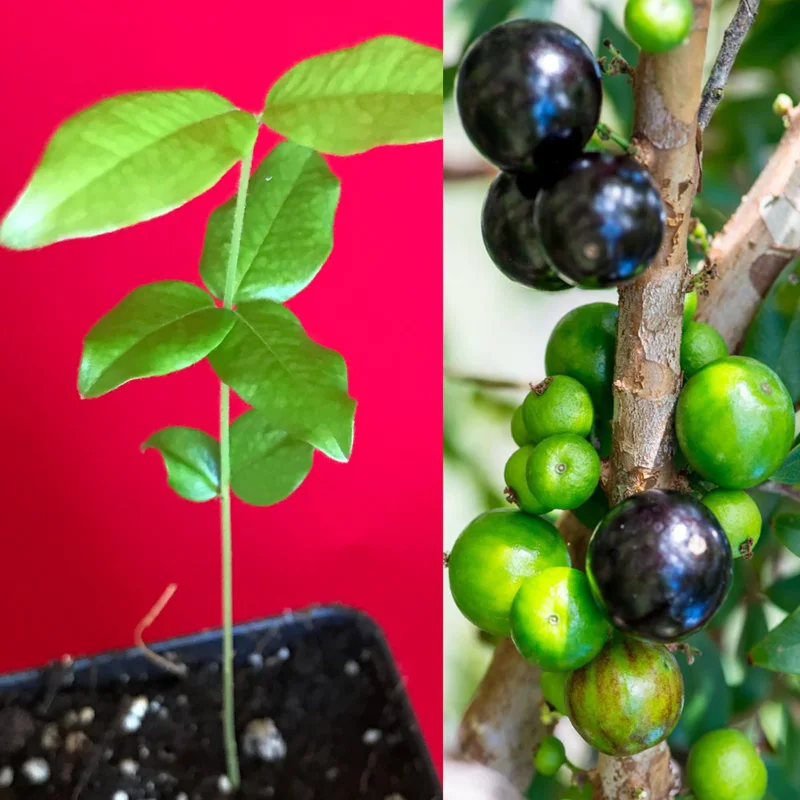
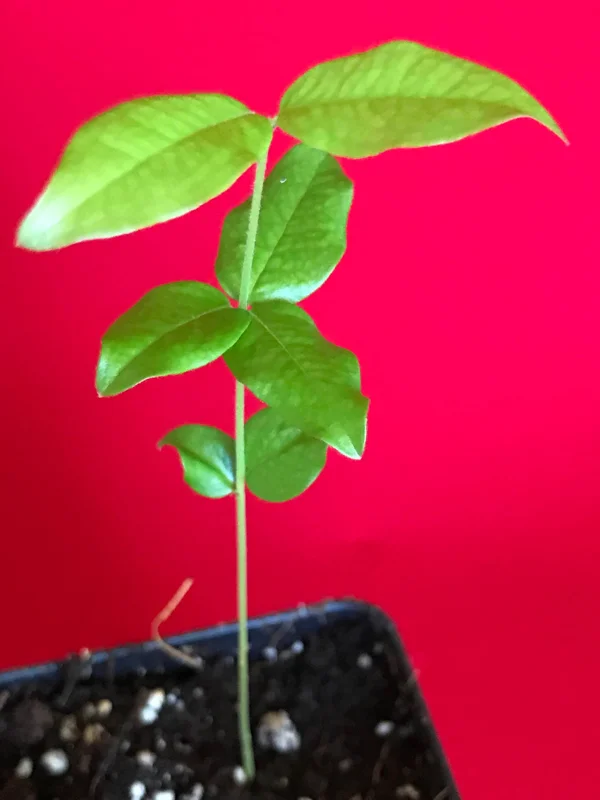
Cultivate your own exotic fruit with this jaboticaba live plant. This 3-5” tall jaboticaba fruit tree comes in a 2.5” pot, ready to grow its unique trunk-borne fruits. Ideal for tropical and subtropical climates.
Original price was: $42.06.$21.03Current price is: $21.03.

With our Alive & Thrive Guarantee, we’ve got your back for the first 30 days! If you have any concerns about your plants, just reach out to us. Our team is here to help answer your questions and guide you in selecting the best plants for your garden, climate, and unique preferences. We're excited to help you create the garden of your dreams!
Estimated arrival
Mar 31
Apr 05 - Apr 07
Apr 10 - Apr 14
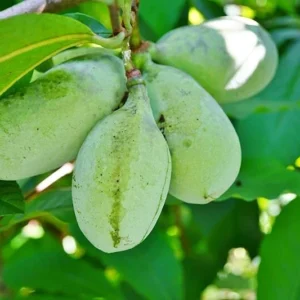
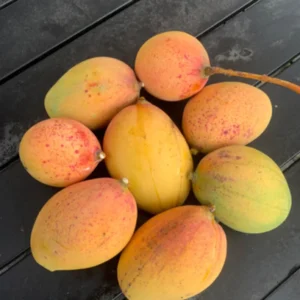
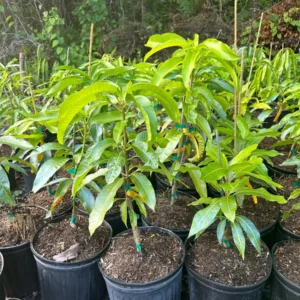
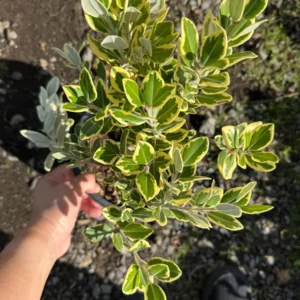

Product Details
-
USDA Hardiness Zone
USDA zones 9-11 (for mature trees), protect seedlings below 40°F -
Soil type
Well-draining, slightly acidic soil -
Sunlight Exposure
Full sun to partial shade -
Expected Planting Period
Spring to early summer (outdoors), year-round (indoors in containers)
Overview
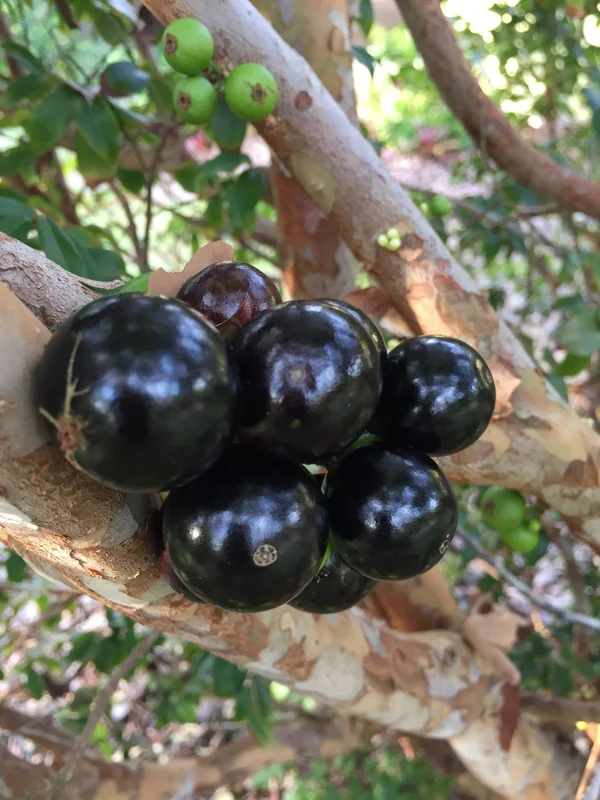
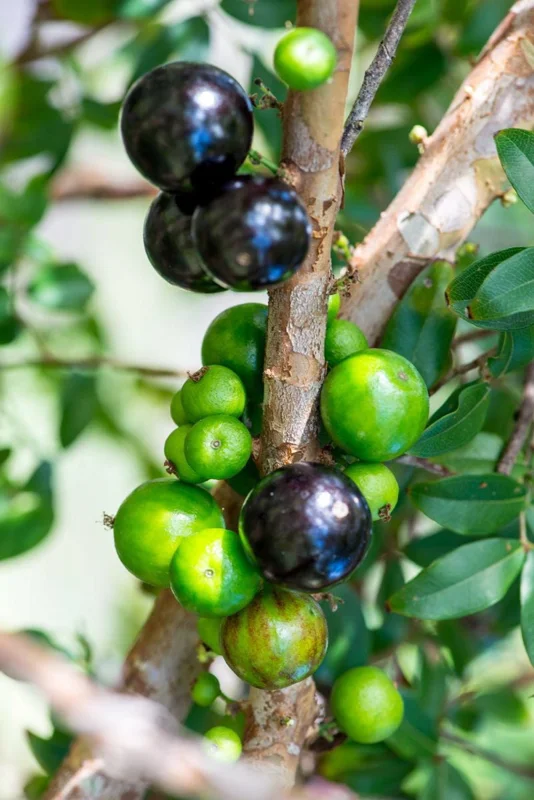
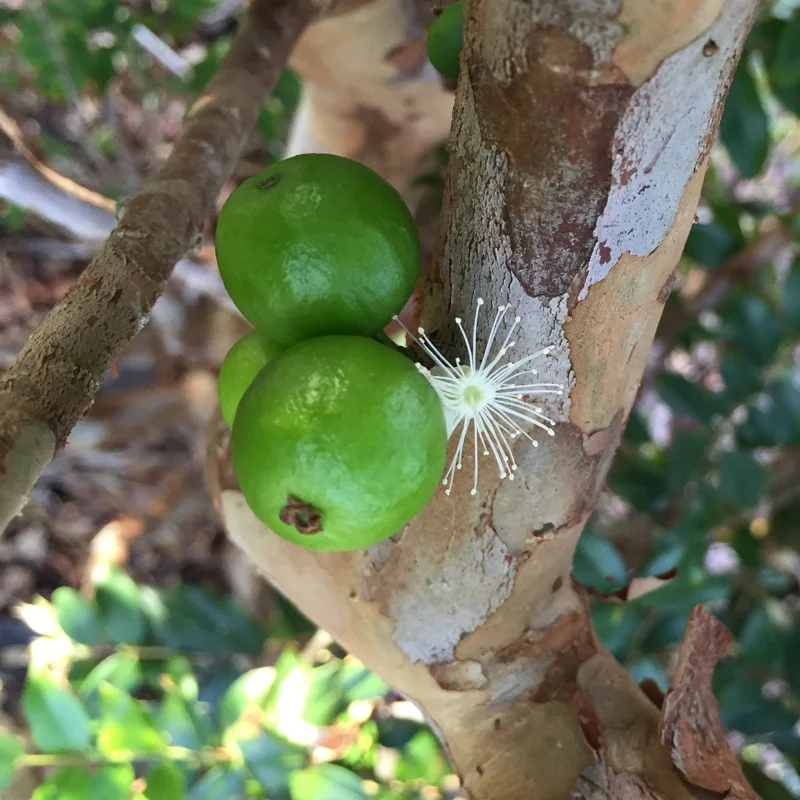
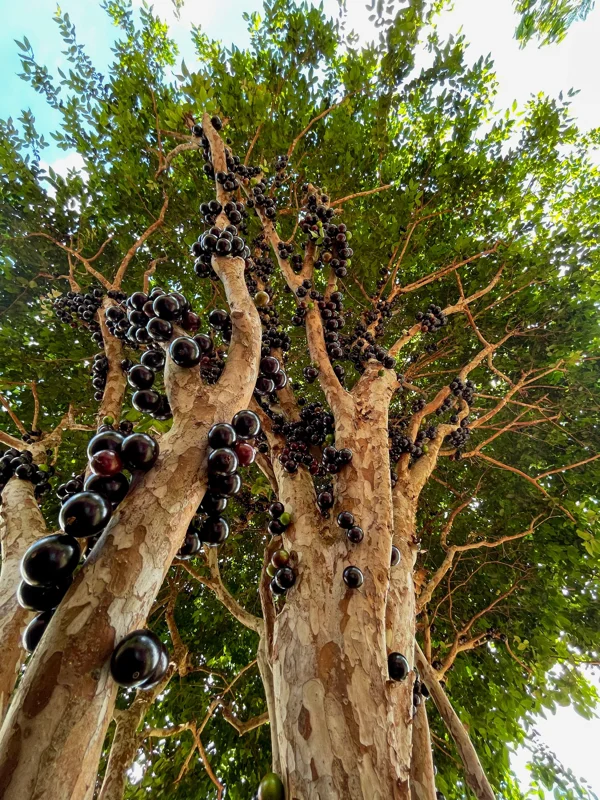
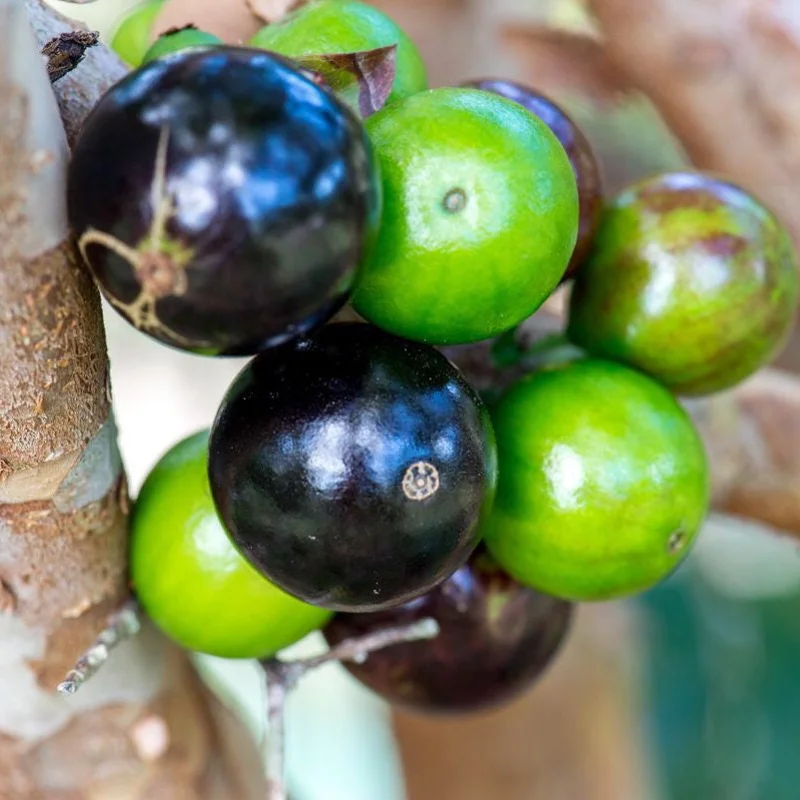
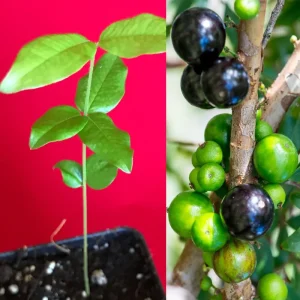
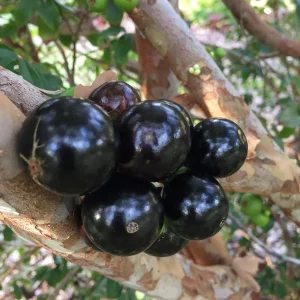
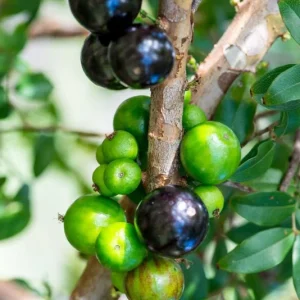
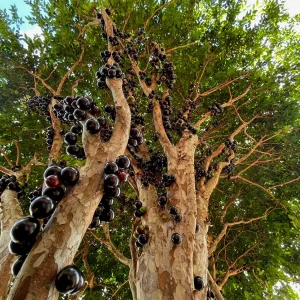
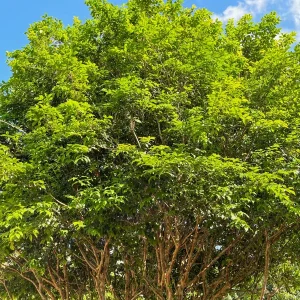
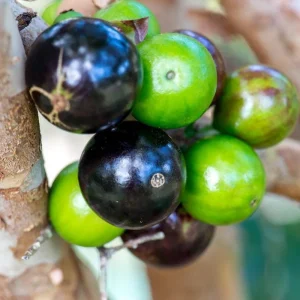
Introduce an exotic flair to your garden or landscape with the unique jaboticaba live plant. This rare and fascinating tropical fruit tree, also known as Plinia cauliflora Sabara or Brazilian grape plant, is renowned for its distinctive growth habit: its flowers and fruits emerge directly from the trunk and woody branches. Originating from southeastern Brazil and surrounding regions, the jaboticaba is a slow-growing, evergreen tree that provides both ornamental beauty and delicious, grape-like fruit. Our offering is a healthy 3-5” tall seedling, potted in a 2.5” square container, ready to establish itself in your care. Experience the joy of growing your own fresh, sweet to sub-acid fruit right from your backyard.
The jaboticaba live plant is a truly captivating specimen, perfect for those looking to add something extraordinary to their plant collection. Its striking appearance, with berries adorning its bark, makes it a conversation starter and a focal point in any setting. Despite its tropical origins, mature jaboticaba trees can tolerate brief periods of frost, making them surprisingly resilient in certain climates. This seedling offers an exciting opportunity to nurture a long-lived and productive fruit tree that will reward you with its unique harvest for years to come.
Key Benefits
The jaboticaba live plant offers a multitude of benefits, from its ornamental appeal to its delicious fruit production. Growing your own jaboticaba fruit tree provides a sustainable source of fresh, healthy produce and an intriguing landscape feature.
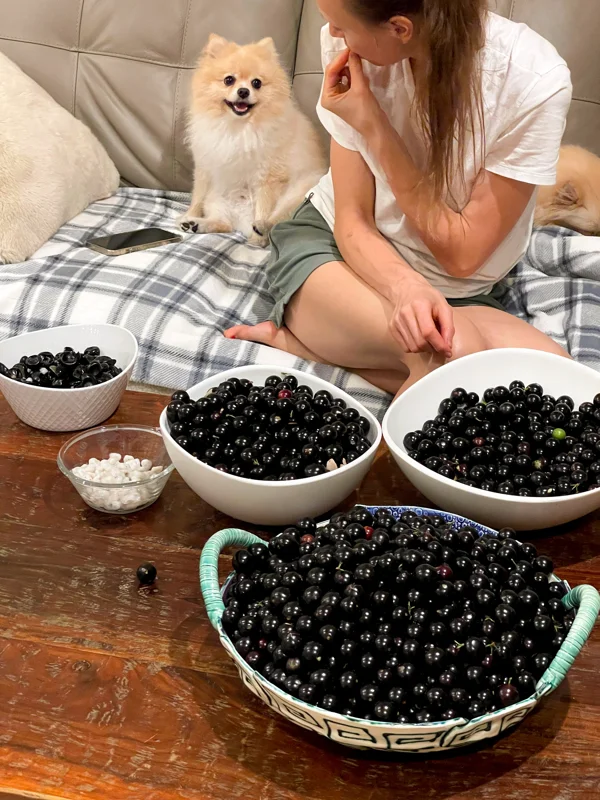
- Unique Fruit Production: Enjoy the novelty of harvesting sweet, grape-like fruits directly from the trunk and branches of your tree, a phenomenon known as cauliflory. The taste ranges from sweet to sub-acid, perfect for fresh eating, jams, or juices.
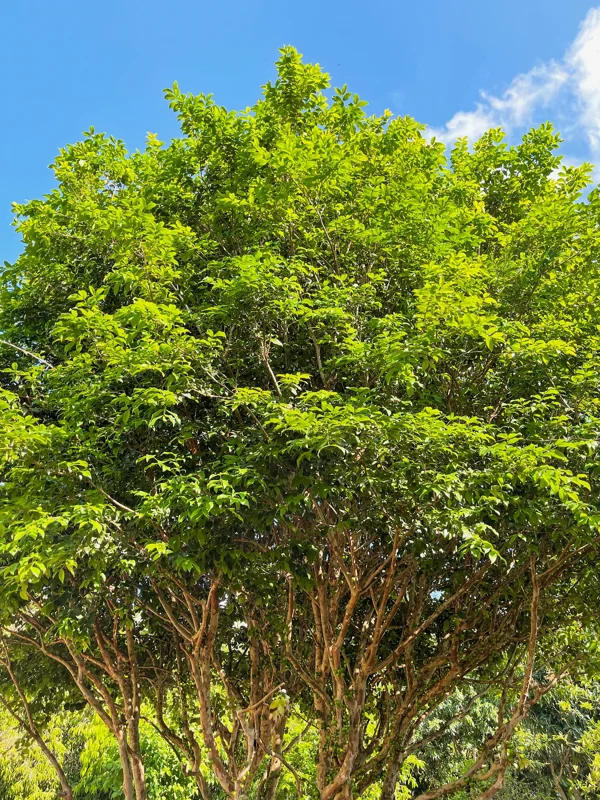
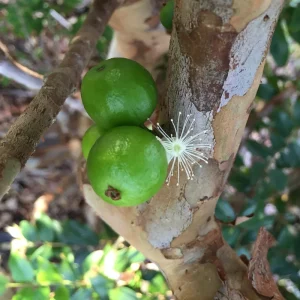
- Ornamental Value: With its profuse branching, dense rounded crown, and thin, flaking bark, the jaboticaba makes an attractive landscape plant. Its glossy dark green leaves and small yellow-white flowers add to its year-round appeal.
- Tropical Resiliency: Mature Plinia cauliflora Sabara specimens can tolerate brief periods of frost, making them suitable for cultivation in a wider range of climates than many other tropical fruit trees.
- Slow and Steady Growth: While slow-growing, this tree develops into a robust and long-lived specimen, providing years of enjoyment and fruit. Its manageable size in shallow soils makes it suitable for various garden spaces.
- Organic Growth: This jaboticaba live plant is grown organically, ensuring you receive a healthy and natural start to your home orchard.
- Freshness and Quality: Grow your own fresh fruit, free from pesticides and chemicals, ensuring the highest quality and taste right from your garden.
- Engaging Horticultural Project: Nurturing a brazilian grape plant from a seedling is a rewarding experience, connecting you with nature and the fascinating world of tropical horticulture.
Plant Care & Growing Tips
Caring for your jaboticaba live plant requires attention to its specific needs, especially during its seedling stage, to ensure healthy growth and eventual fruit production. Jaboticabas thrive in full sun to partial shade, ideally receiving at least 6 hours of direct sunlight per day once established. However, young seedlings will benefit from some protection from intense afternoon sun. Ensure the soil remains consistently moist but not waterlogged. They prefer well-draining, slightly acidic soil, rich in organic matter. Avoid allowing the soil to dry out completely between waterings, especially in hot weather.
The ideal temperature range for jabuticaba care is between 60°F and 90°F (15°C to 32°C). While mature trees can tolerate brief dips into the upper 20s°F, young seedlings are more sensitive to cold and should be protected if temperatures fall below 40°F. USDA hardiness zones for mature plants are typically 9-11. Fertilize your brazilian grape plant with a balanced, slow-release fertilizer formulated for fruit trees, applied every 2-3 months during the growing season. Ensure proper drainage to prevent root rot, and consider mulching to retain soil moisture and regulate temperature. Protect young plants from strong winds which can dry them out.
Patience is key with a jaboticaba fruit tree, as they are slow growers. Providing optimal conditions will encourage faster establishment and earlier fruiting. While grown from seed, these trees are not identical to the parent, offering a unique genetic variation. Regular pruning can help shape the tree and encourage branching. Monitor for common pests and diseases, although jaboticabas are generally quite resilient. With consistent care, your Plinia cauliflora Sabara will flourish and eventually provide its unique harvest.
Size & Details
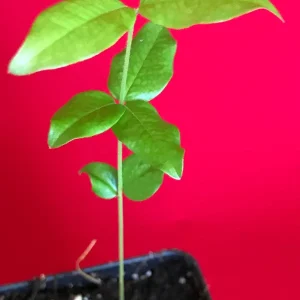
This offering is for one healthy jaboticaba live plant seedling, measuring approximately 3-5 inches tall from the top of the soil, not including the pot height. It is carefully rooted and shipped in a 2.5-inch square nursery pot, providing a stable environment for its initial growth. Jaboticaba trees are known for their slow growth rate, especially when young, but they are long-lived and can eventually reach heights of 15 feet in shallow soils or up to 12-45 feet in ideal conditions in Brazil, depending on the species. The plant will arrive in a form suitable for transplanting into a larger container or directly into your garden, depending on your climate and growing conditions.
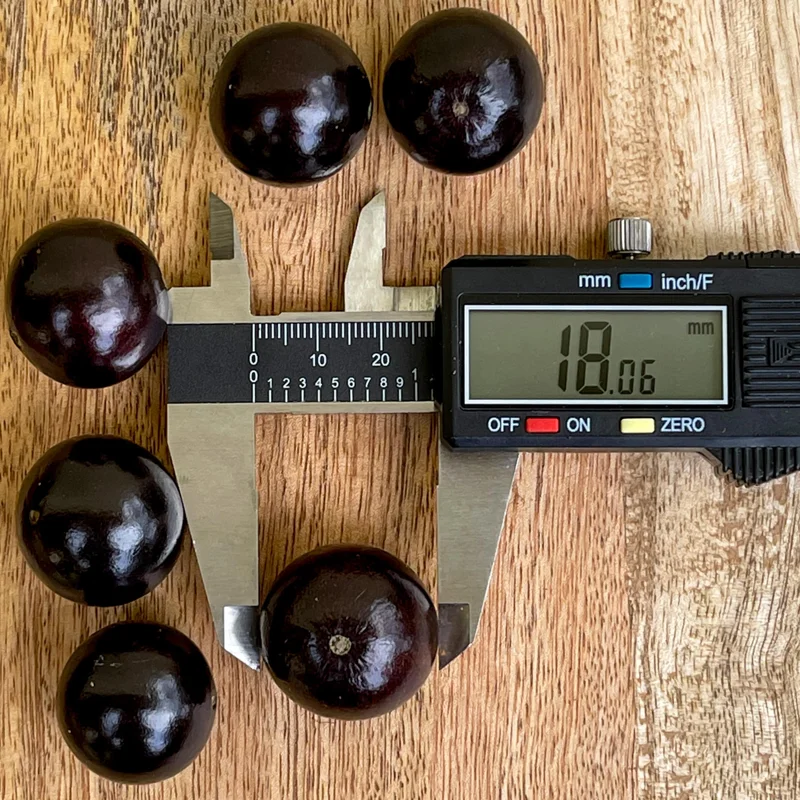
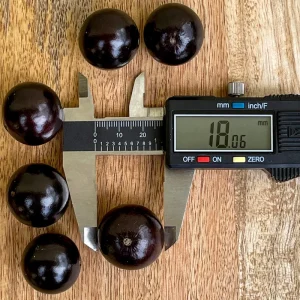
Expect your jaboticaba fruit tree to develop into a profusely branched specimen with a dense, rounded crown. The evergreen leaves are lanceolate to elliptic, 1-4 inches long, and possess a glossy dark green, leathery texture. While fruiting can take several years from seed, the journey of nurturing this unique plant is highly rewarding. The fruits, typically an inch in diameter, have a grapelike appearance with gelatinous white to pink flesh and contain 1-4 large seeds. This seedling provides an excellent foundation for growing a productive and beautiful brazilian grape plant.
Frequently Asked Questions
- Q: How big does this Jaboticaba plant get? A: This jaboticaba live plant seedling is 3-5 inches tall. Mature trees can reach 15 feet in cultivation in some areas, and much taller in their native habitat, though they are slow growers.
- Q: What size pot does it come in? A: The jaboticaba fruit tree seedling is shipped in a 2.5-inch square nursery pot, ready for transplanting.
- Q: Is this an indoor or outdoor plant? A: While young seedlings can be grown indoors in bright light, the jaboticaba live plant is primarily an outdoor tropical fruit tree. It can be grown in containers and brought indoors in colder climates.
- Q: How much sunlight does it need? A: Once established, a Plinia cauliflora Sabara prefers full sun (6+ hours daily) but young seedlings benefit from partial shade to protect them from intense direct sun.
- Q: Is this plant easy to care for? A: Jaboticabas require consistent moisture and well-draining soil. Jabuticaba care is generally moderate; they are slow-growing but quite resilient once established.
- Q: What condition will it arrive in? A: Your brazilian grape plant will arrive as a healthy, rooted seedling in its nursery pot, carefully packaged to ensure its safe transit.
- Q: How long until it blooms and fruits? A: Jaboticaba trees grown from seed can take several years, typically 5-10, to begin flowering and fruiting. Patience is key for this rewarding fruit tree.
- Q: When is the best time to plant? A: For outdoor planting, spring or early summer is ideal, after all danger of frost has passed. For indoor container growing, it can be planted year-round.
- Q: Will it survive winter in my zone? A: Mature jaboticaba trees can tolerate brief periods of frost into the upper 20s°F (USDA zones 9-11). Young seedlings are more sensitive and require protection below 40°F.
- Q: What kind of soil does it prefer? A: This jaboticaba live plant thrives in well-draining, slightly acidic soil that is rich in organic matter.
Related products


PLANTING & CARE

Growing Glencoe Raspberry: A Complete Guide for Gardeners
If you’re looking to add something unique to your garden, look no further than the
31
Mar
Mar

The Comprehensive Guide to Growing Bay Leaf Plants for a Flavorful Garden
Imagine stepping into your garden, greeted by the earthy aroma of fresh bay leaves, their
09
Feb
Feb

How to Make Comfrey Tea: The Ultimate Organic Plant Food
Growing an organic garden can be surprisingly expensive, especially when most store-bought fertilizers come in
02
Feb
Feb

True Comfrey: 7 Essential Tips Before You Plant This Herb
A staple in permaculture practices across the US, True Comfrey easily earns its reputation as
27
Jan
Jan

7 Heart-Shaped Plants for a Lasting Valentine’s Gift
If you’ve ever bought a bouquet of roses for Valentine’s Day, you know they are
26
Jan
Jan

Best Types of Ivy Plant for Houses: How to Choose the Perfect Ones for Your Home
Are you a garden lover looking to introduce some greenery into your home? Maybe you’ve
14
Nov
Nov

When to Harvest Garlic (Especially Fall-Planted Garlic)
TIMING IS EVERYTHING, they say – and for garlic, that truth hits with surprising accuracy.
13
Nov
Nov

11 of the Best Sweet Potato Varieties to Grow for Your Garden
If you’ve ever tried growing sweet potatoes, you know that picking the right variety can
12
Nov
Nov