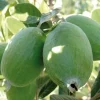
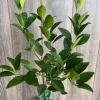
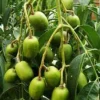
June Plum Dwarf Live Plant – Ambarella Fruit Tree – 3 Gallon Pot – Outdoor
-40%
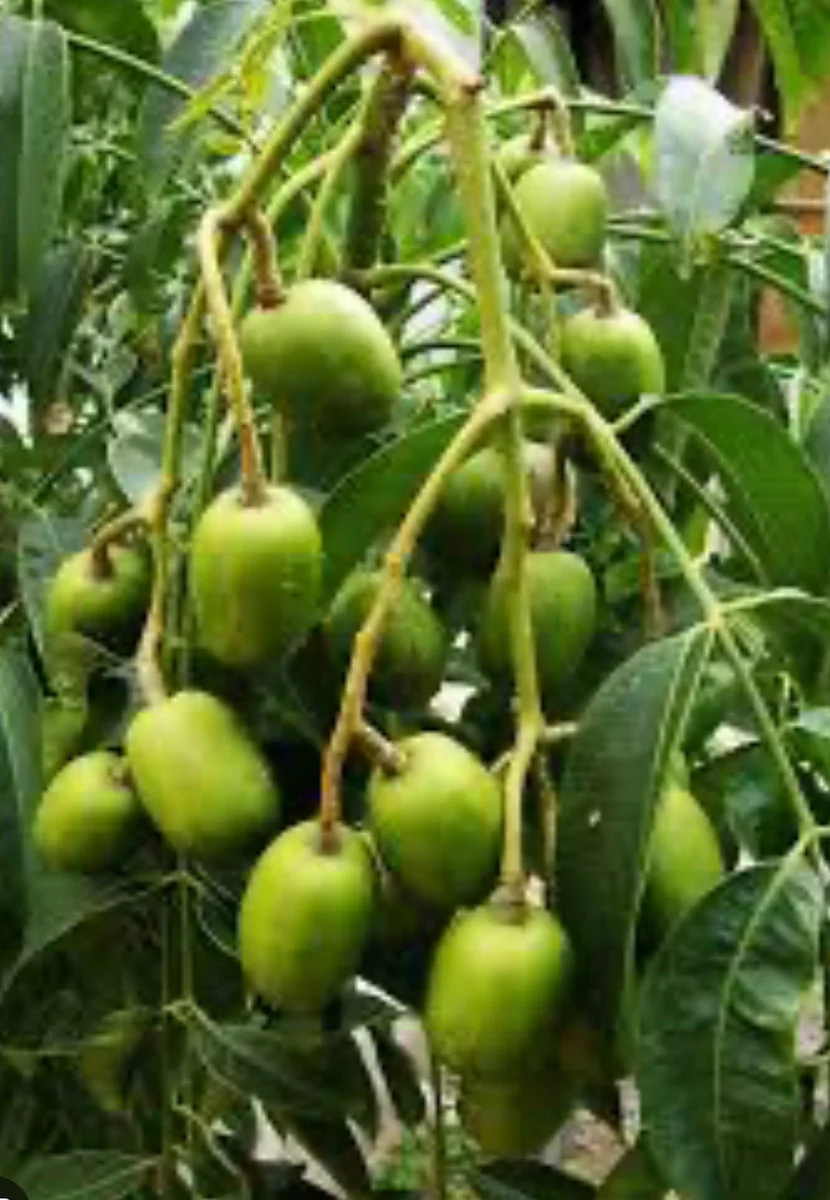
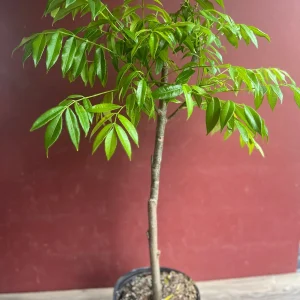
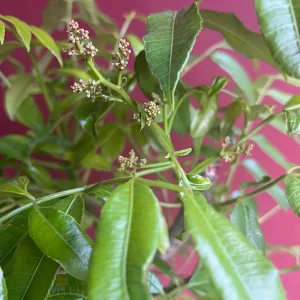
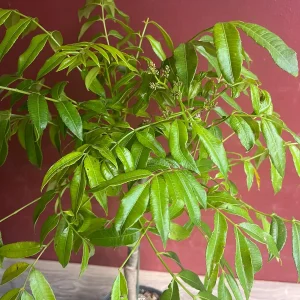
June Plum Dwarf Live Plant – Ambarella Fruit Tree – 3 Gallon Pot – Outdoor
Cultivate your own delicious June Plum live plant, also known as Ambarella or Jewel Plum. This fast-growing tropical fruit tree is a heavy producer of unique, apple-pineapple-mango flavored fruit. Ships in a 3-gallon pot, ideal for container growing.
Original price was: $233.62.$140.18Current price is: $140.18.

With our Alive & Thrive Guarantee, we’ve got your back for the first 30 days! If you have any concerns about your plants, just reach out to us. Our team is here to help answer your questions and guide you in selecting the best plants for your garden, climate, and unique preferences. We're excited to help you create the garden of your dreams!
Estimated arrival
Apr 13
Apr 18 - Apr 20
Apr 23 - Apr 27
Product Details
-
USDA Hardiness Zone
USDA Zones 10-11 (Outdoor), All Zones (Container) -
Soil type
Well-draining soil -
Sunlight Exposure
Full sun, Part shade for young plants -
Expected Planting Period
Year-round in tropical climates; Spring to early summer for container growing elsewhere
Overview
Bring the taste of the tropics to your home with a June Plum live plant. Also widely recognized as Ambarella, Jewel Plum, or Kedondong, this beautiful and vigorous fruit tree is celebrated for its lush foliage and abundant harvest of unique, oval-shaped fruits. Native to Polynesia and other warm regions, the June Plum thrives in subtropical and tropical climates, making it an excellent choice for gardeners in warmer USDA zones or those who wish to grow it in containers in cooler areas. The fruit offers a delightful flavor profile, reminiscent of a crisp apple with subtle notes of pineapple and mango, making it a versatile ingredient for both sweet and savory dishes. This fast-growing tree quickly establishes itself, promising a rewarding and bountiful yield.
Our Ambarella fruit tree is a robust specimen, carefully grown to ensure a healthy start in your garden or patio. It adapts well to various soil conditions, provided there’s adequate drainage, and its relatively compact size, especially when grown as a dwarf variety or in a pot, makes it suitable for smaller spaces. Enjoy the journey of nurturing this exotic plant, from its vibrant green leaves to its dangling clusters of fruit, which transform from firm, green treasures to golden-yellow delights as they ripen. Whether you’re an experienced horticulturist or a budding plant enthusiast, the June Plum offers a fascinating and delicious addition to your edible landscape.
Key Benefits
The June Plum live plant offers a multitude of benefits, from its delicious fruit to its ornamental appeal. Growing this tropical gem provides a unique gardening experience and a continuous supply of fresh, exotic produce.
- Abundant Fruit Production: Mature June Plum trees are exceptionally heavy producers, yielding numerous long-stalked oval fruits that hang in attractive bunches.
- Unique Flavor Profile: Enjoy fruit with a crisp texture similar to an apple and a refreshing blend of apple, pineapple, and mango flavors, perfect for fresh eating or culinary creations.
- Versatile Culinary Uses: The fruit can be eaten fresh, juiced, made into sauces, jellies, pickles, relishes, or used to flavor soups and stews, offering incredible culinary flexibility.
- Fast Growing: This tropical fruit tree exhibits a rapid growth rate, allowing you to enjoy harvests sooner.
- Container Friendly: The dwarf June Plum variety, or standard plants managed in containers, allows cultivation even in cooler climates where it can be moved indoors during winter.
- Self-Fertile: The tree is self-fertile, meaning a single plant can produce fruit without the need for a second pollinator, simplifying cultivation.
- Attractive Foliage: Beyond its fruit, the June Plum is a visually appealing tree with lush green leaves, adding a tropical aesthetic to your garden or patio.
Plant Care & Growing Tips
Caring for your June Plum live plant is relatively straightforward, especially if you can provide it with the warm, humid conditions it prefers. This tropical fruit tree thrives in environments that mimic its native Polynesian home. Providing the right balance of sunlight, water, and soil will ensure a healthy and productive plant. The June Plum is known for its resilience and adaptability, making it a rewarding choice for both seasoned gardeners and those new to growing tropical fruits.
Sunlight Requirements
For optimal growth and fruit production, your Ambarella fruit tree requires full sun, meaning at least 6-8 hours of direct sunlight per day. While young trees will benefit from some light shade, especially during the hottest parts of the day, mature plants prefer abundant sunshine. If growing in a container, position it in the sunniest spot on your patio or garden. In regions with intense, scorching summer sun, some afternoon shade can prevent leaf scorch, especially for younger plants.
Watering & Soil
The June Plum prefers consistently moist, but not waterlogged, soil. Water deeply when the top inch or two of soil feels dry to the touch. Ensure excellent drainage, as this tree is susceptible to root rot in standing water. It grows well in a variety of well-draining soils, but a rich, loamy soil amended with organic matter will provide the best environment. For container-grown plants, use a high-quality potting mix designed for tropical fruits or general outdoor plants, ensuring the pot has ample drainage holes. Regular watering is crucial during dry spells and fruit development.
Temperature & Hardiness
Being a tropical plant, the June Plum thrives in warm weather and is sensitive to cold. It is best suited for USDA Zones 10-11 for outdoor planting year-round. In cooler climates, it must be grown in a container and brought indoors when temperatures drop below 40-45°F (4-7°C). While it can tolerate cool winter temperatures, it will not survive freezing conditions. Protect your plant from harsh winds, which can damage its leaves and branches, especially when young.
Fertilization
Feed your tropical fruit tree with a balanced slow-release fertilizer or a liquid fertilizer formulated for fruit trees during its active growing season, typically from spring through fall. Follow the product instructions for application rates. Reduce or stop fertilization during its dormant period in winter. Regular feeding supports vigorous growth and a healthy fruit set for your June Plum live plant.
Size & Details
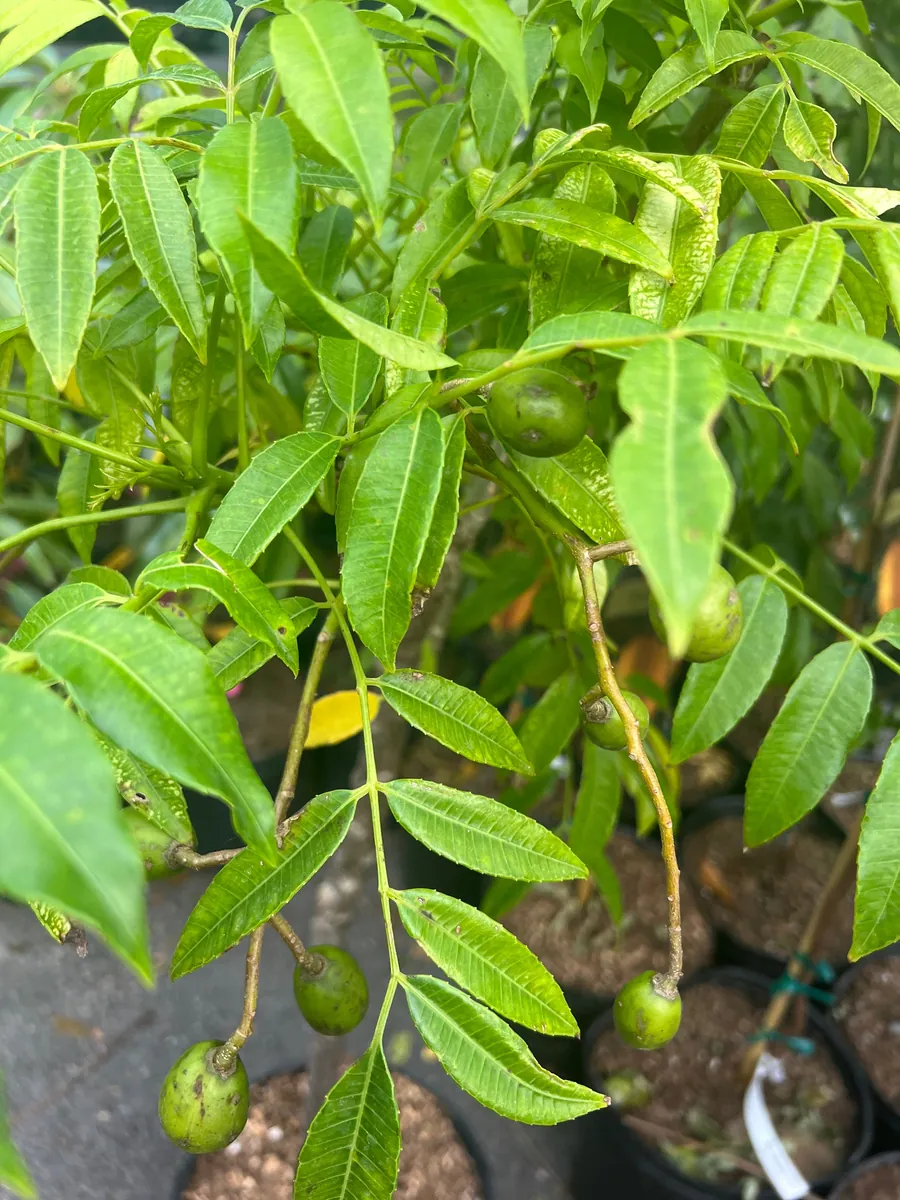
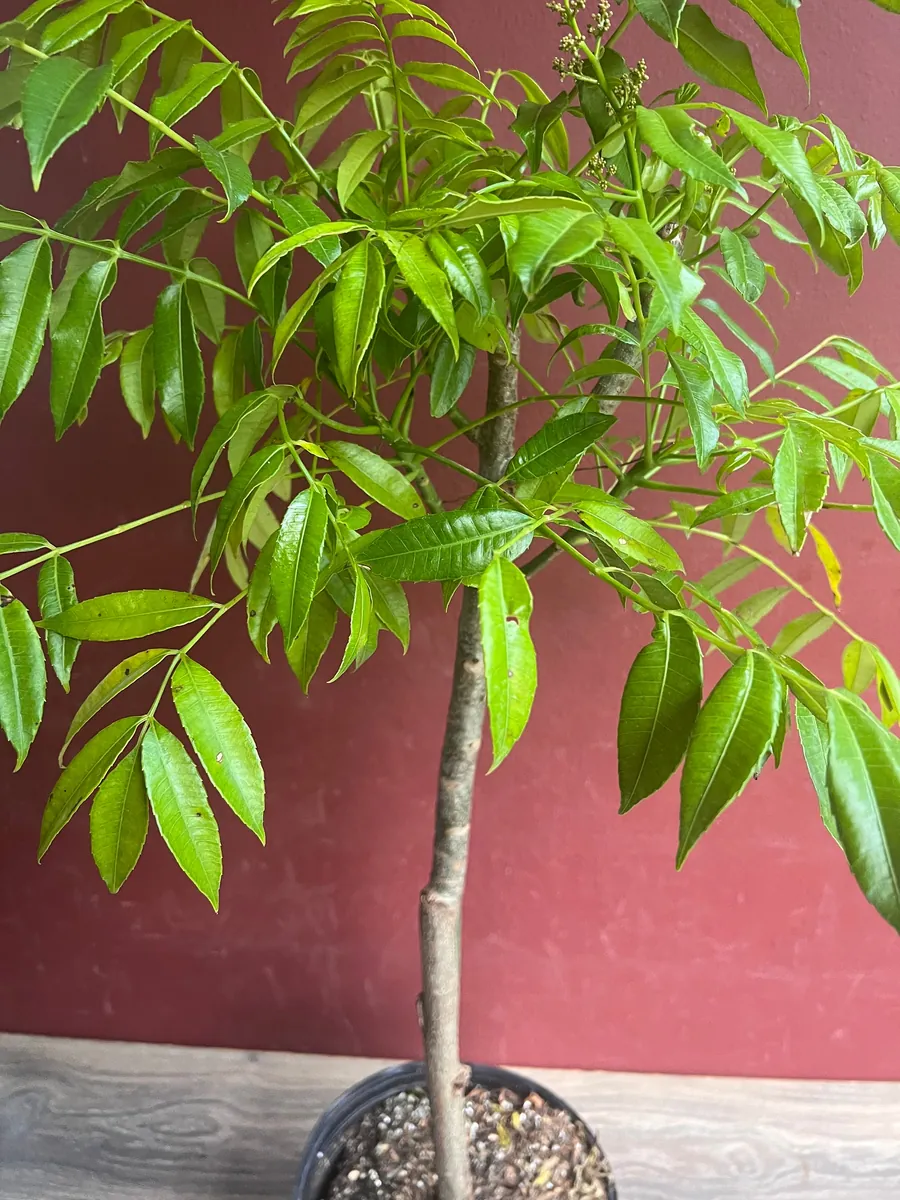
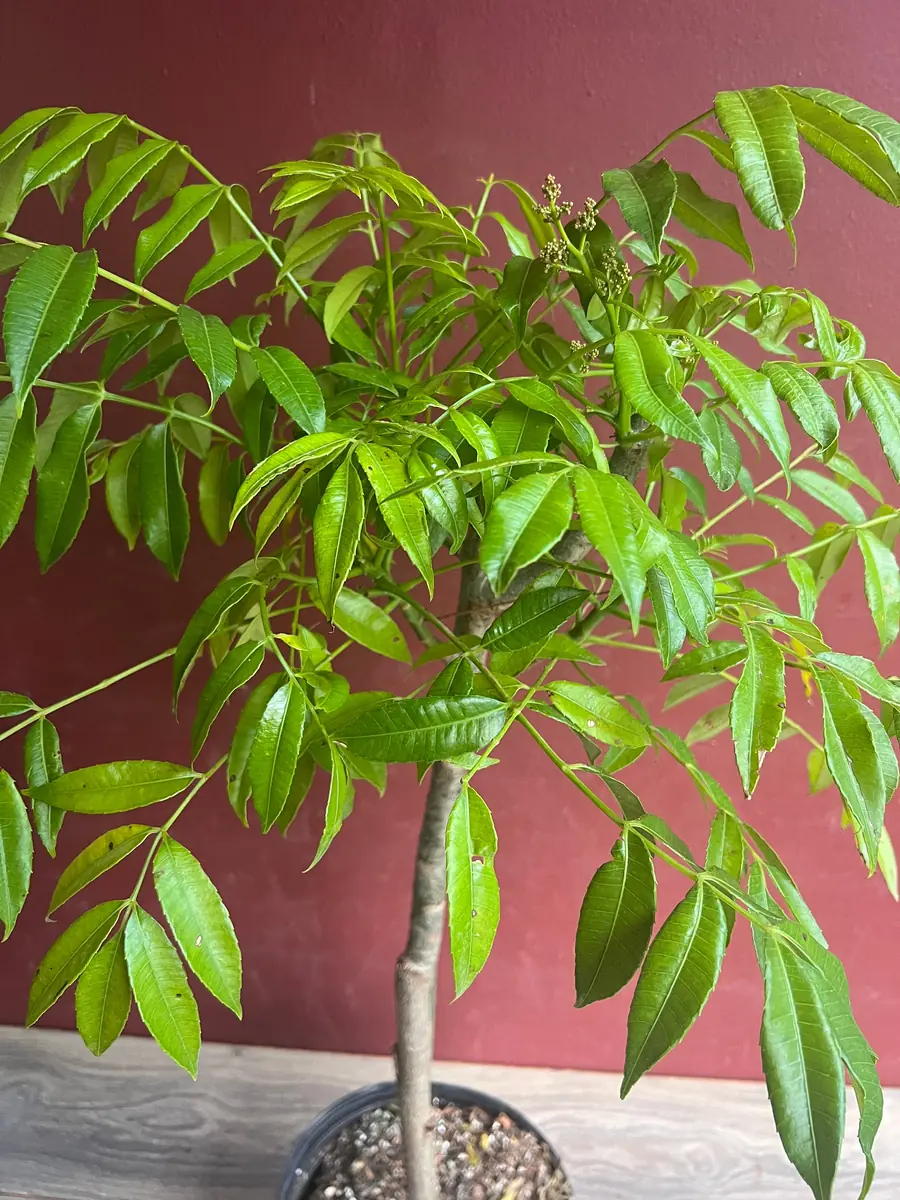
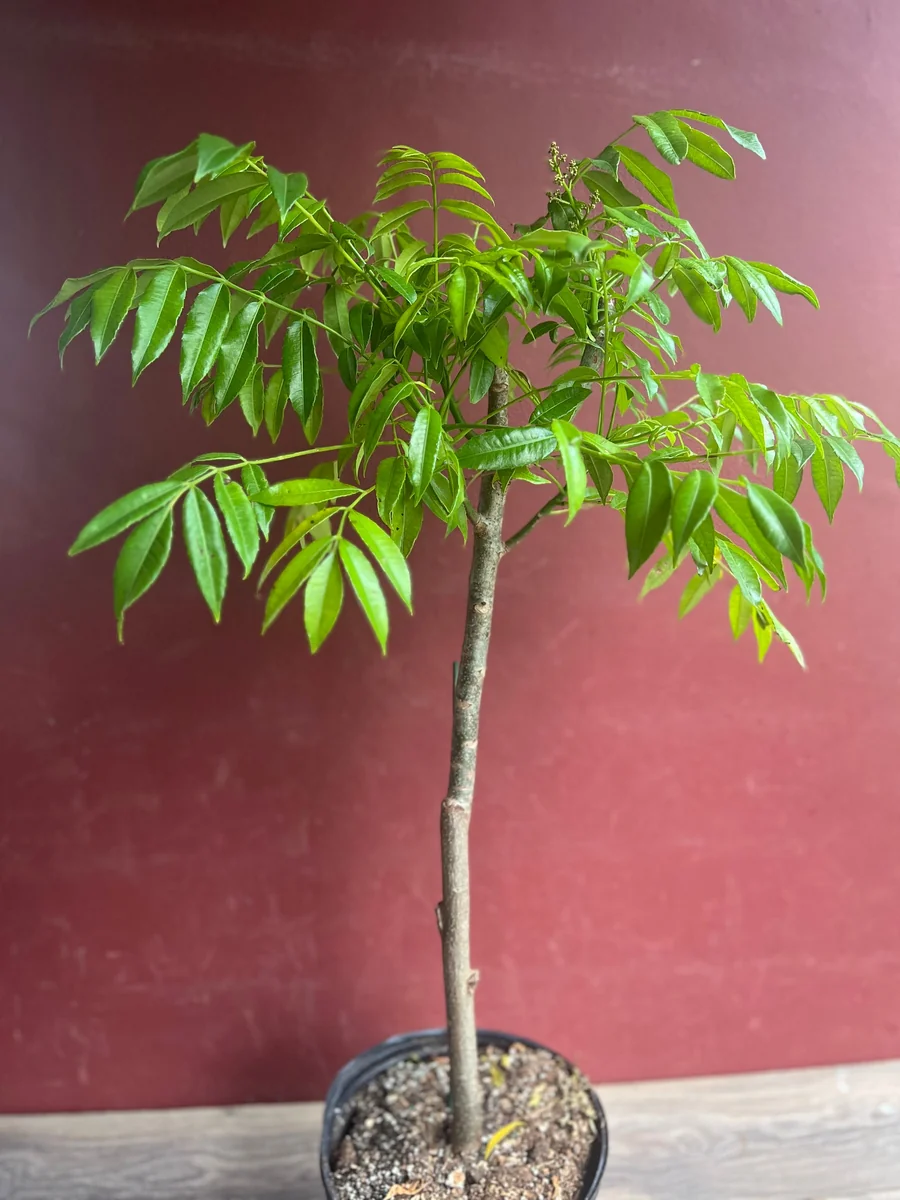
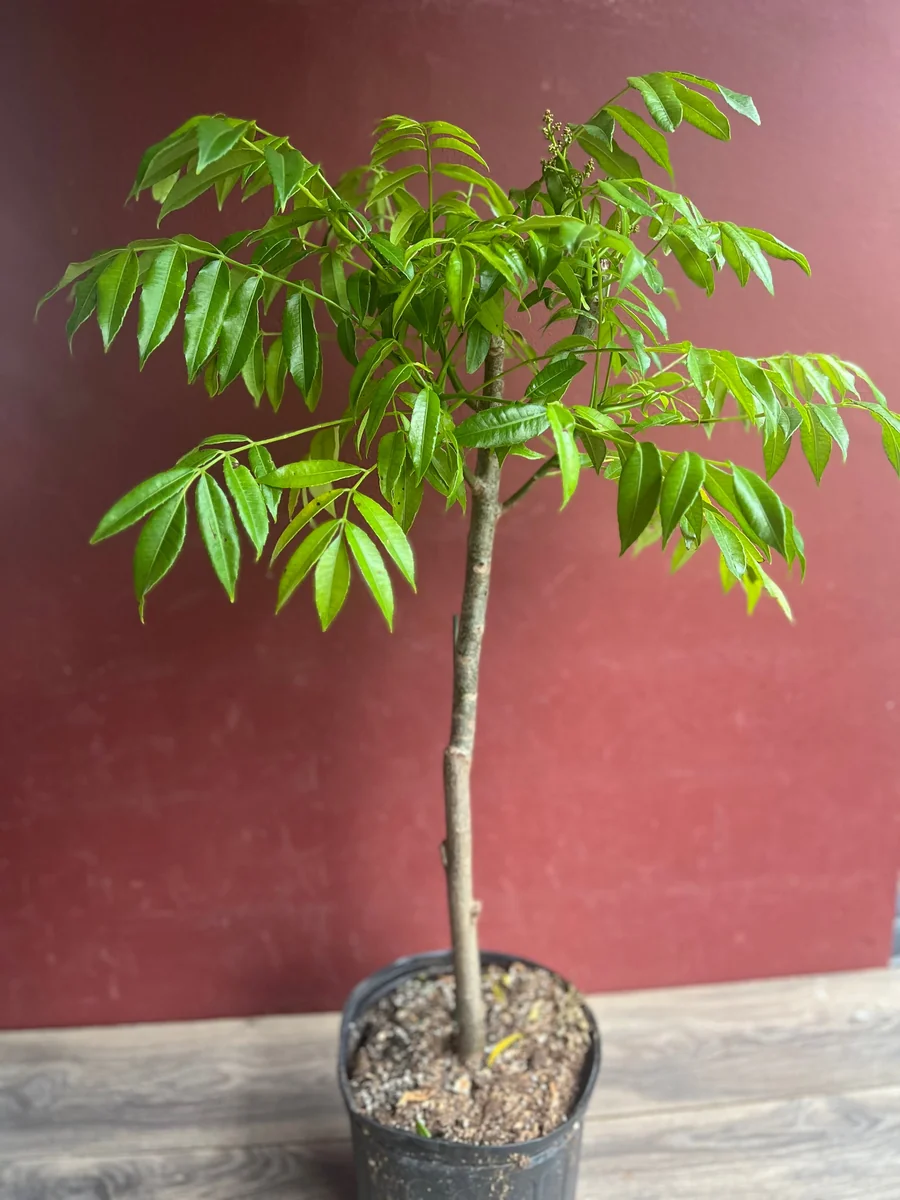
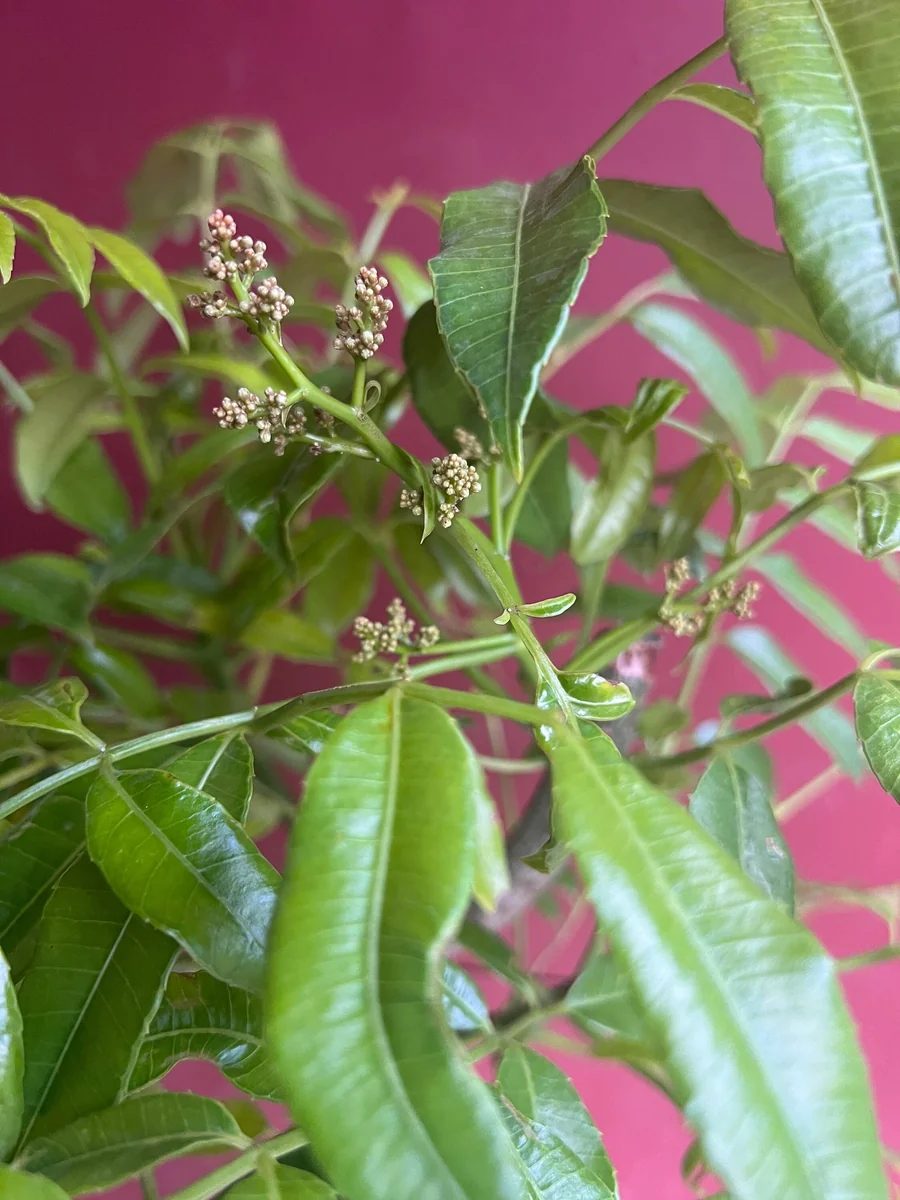
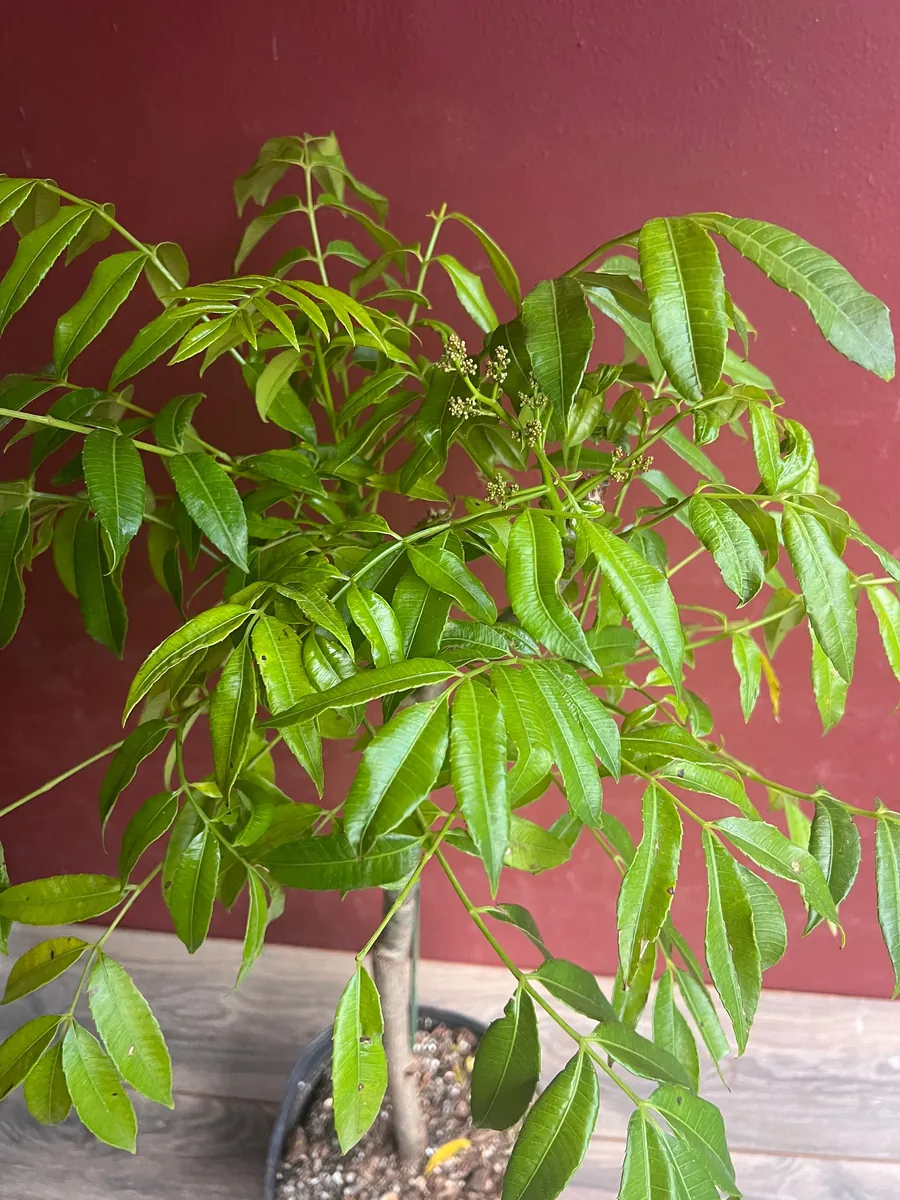
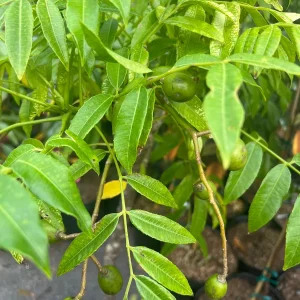
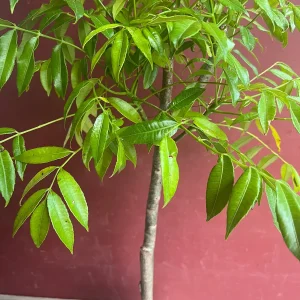
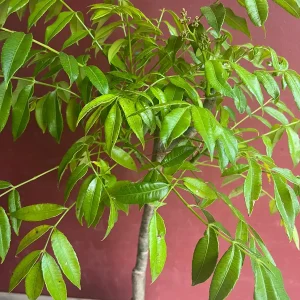
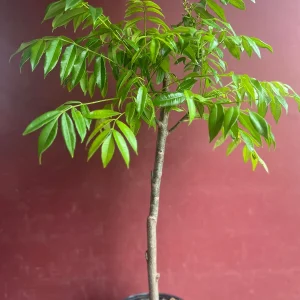
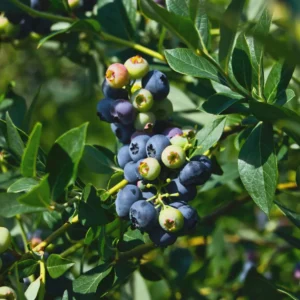
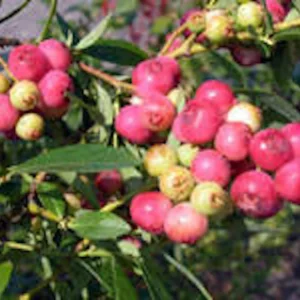
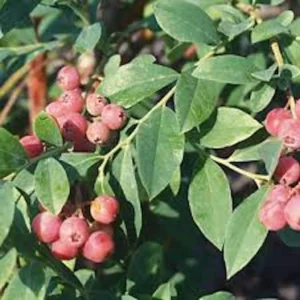
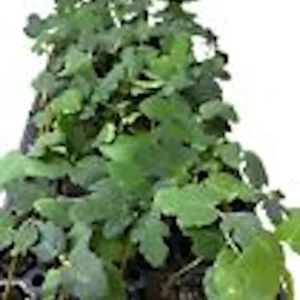
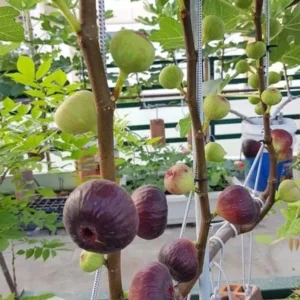
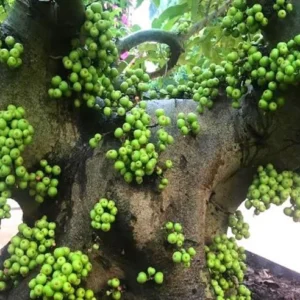
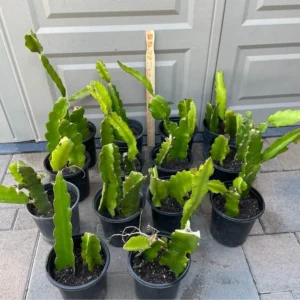
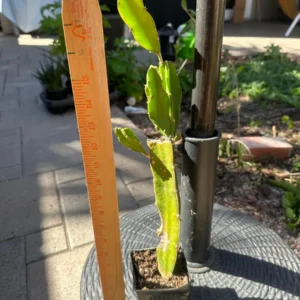
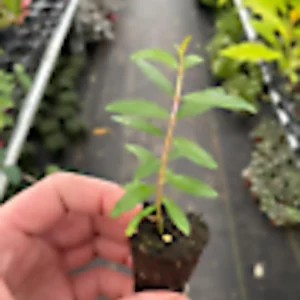
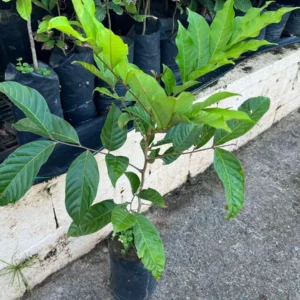
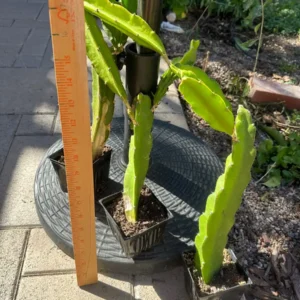
This offering is for one June Plum live plant, shipped in a 3-gallon nursery pot. The plant will be similar in size and appearance to those pictured, ready to be transplanted into a larger container or directly into your garden if your climate permits. June Plum trees are known for their fast growth rate, quickly establishing themselves in suitable conditions. When mature, these trees can reach heights of 15-30 feet in optimal outdoor conditions, though they can be maintained at a smaller, more manageable size through pruning, especially when grown in containers as a dwarf June Plum. Expect your plant to begin producing fruit within a few years under proper care, offering a delightful and continuous harvest season. The long-stalked fruits typically dangle in bunches, making them easy to spot and pick.
Frequently Asked Questions
- Q: How big does this June Plum live plant get? A: In ideal outdoor conditions, a mature June Plum tree can reach 15-30 feet tall. However, when grown in a 3-gallon pot and maintained with pruning, it can be kept at a much more manageable size, making it suitable for patios or smaller gardens.
- Q: Is this an indoor or outdoor plant? A: The June Plum is a tropical plant best suited for outdoor growing in USDA Zones 10-11 year-round. In cooler climates, it should be grown in a container and moved indoors during cold winter months to protect it from freezing temperatures.
- Q: How much sunlight does my Ambarella fruit tree need? A: Your Ambarella fruit tree requires full sun, meaning at least 6-8 hours of direct sunlight daily, for optimal growth and fruit production. Young plants can benefit from light afternoon shade in very hot climates.
- Q: Is this plant easy to care for? A: Yes, the June Plum live plant is considered relatively easy to care for, especially if you can provide it with warm temperatures, consistent moisture, and well-draining soil. It’s a great choice for those looking to grow a rewarding tropical fruit tree.
- Q: What condition will the plant arrive in? A: Your June Plum plant will arrive in a 3-gallon pot, similar to the pictures, healthy and ready for transplanting. We take great care in packaging to ensure it arrives safely.
- Q: How long until it produces fruit? A: With proper care, your June Plum tree typically starts producing fruit within a few years of planting. Its fast growth rate means you won’t have to wait too long for your first harvest.
- Q: Can I grow a dwarf June Plum in a container? A: Absolutely! The June Plum adapts very well to container growing, making it an excellent option for gardeners in non-tropical climates. Growing it in a container can also help manage its size.
- Q: What are the main uses for June Plum fruit? A: The fruit from your tropical fruit tree is incredibly versatile. It can be eaten fresh, juiced, or used in a variety of culinary applications like sauces, jellies, pickles, and even to flavor soups and stews.
- Q: What kind of soil does June Plum prefer? A: The June Plum thrives in well-draining soil. While adaptable to various soil types, a rich, loamy soil amended with organic matter will promote the best growth and fruit yield.
- Q: Will my June Plum survive winter in my zone? A: If you are in USDA Zones 10-11, your June Plum can typically survive winter outdoors. In colder zones, it is crucial to bring your container-grown June Plum live plant indoors before temperatures drop below freezing.
Related products
-20%
Original price was: $34.00.$27.20Current price is: $27.20.
-10%
Original price was: $89.99.$80.99Current price is: $80.99.
-20%
Original price was: $32.00.$25.60Current price is: $25.60.
-20%
Original price was: $80.00.$64.00Current price is: $64.00.
-10%
Original price was: $158.00.$142.20Current price is: $142.20.
-20%
Original price was: $34.00.$27.20Current price is: $27.20.
PLANTING & CARE

Growing Glencoe Raspberry: A Complete Guide for Gardeners
If you’re looking to add something unique to your garden, look no further than the
31
Mar
Mar

The Comprehensive Guide to Growing Bay Leaf Plants for a Flavorful Garden
Imagine stepping into your garden, greeted by the earthy aroma of fresh bay leaves, their
09
Feb
Feb

How to Make Comfrey Tea: The Ultimate Organic Plant Food
Growing an organic garden can be surprisingly expensive, especially when most store-bought fertilizers come in
02
Feb
Feb

True Comfrey: 7 Essential Tips Before You Plant This Herb
A staple in permaculture practices across the US, True Comfrey easily earns its reputation as
27
Jan
Jan

7 Heart-Shaped Plants for a Lasting Valentine’s Gift
If you’ve ever bought a bouquet of roses for Valentine’s Day, you know they are
26
Jan
Jan

Best Types of Ivy Plant for Houses: How to Choose the Perfect Ones for Your Home
Are you a garden lover looking to introduce some greenery into your home? Maybe you’ve
14
Nov
Nov

When to Harvest Garlic (Especially Fall-Planted Garlic)
TIMING IS EVERYTHING, they say – and for garlic, that truth hits with surprising accuracy.
13
Nov
Nov

11 of the Best Sweet Potato Varieties to Grow for Your Garden
If you’ve ever tried growing sweet potatoes, you know that picking the right variety can
12
Nov
Nov