Kalanchoe Pinnata Live Plant – 4 to 6 Inch Height – Indoor Outdoor Succulent
Kalanchoe Pinnata Live Plant – 4 to 6 Inch Height – Indoor Outdoor Succulent
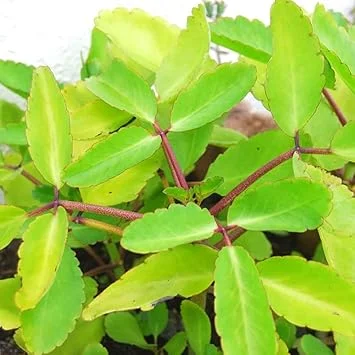
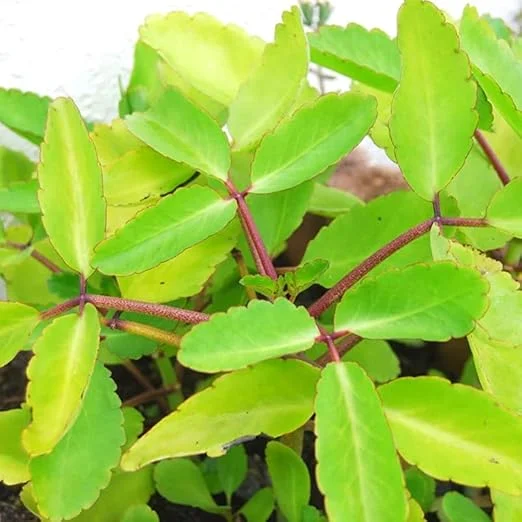
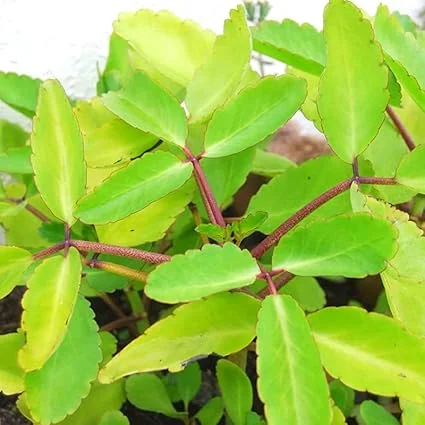
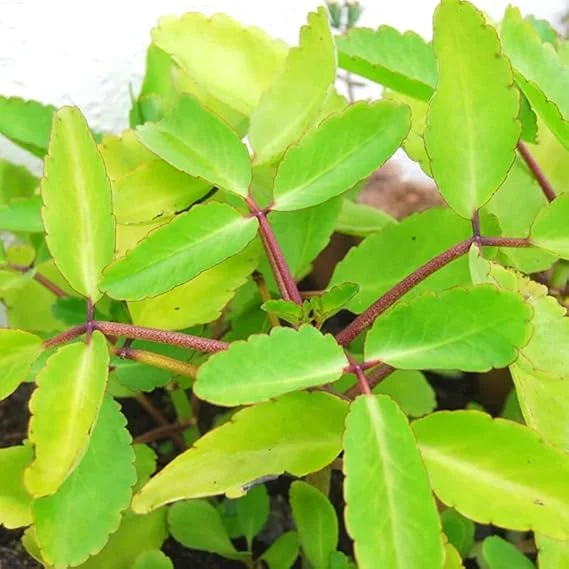
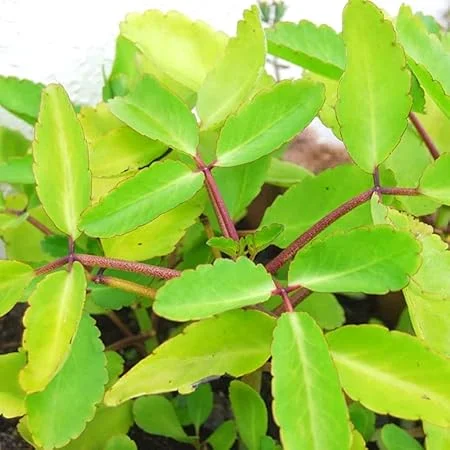
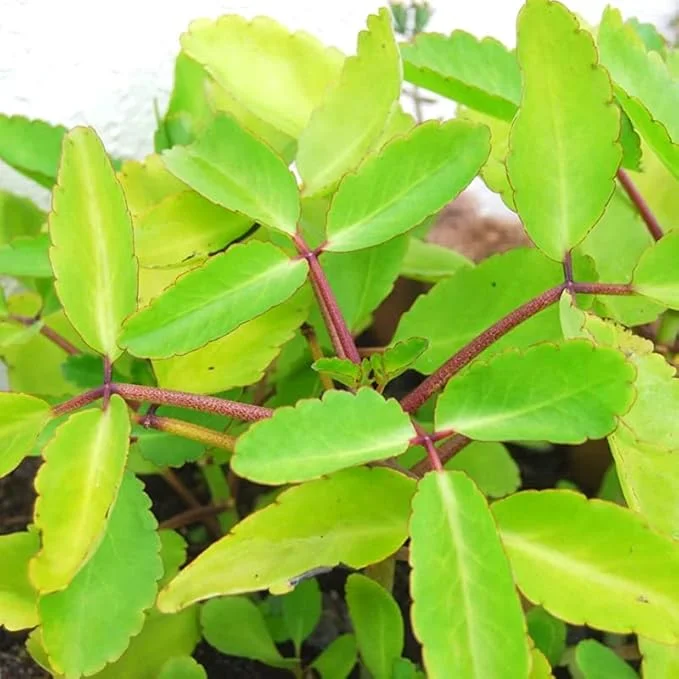
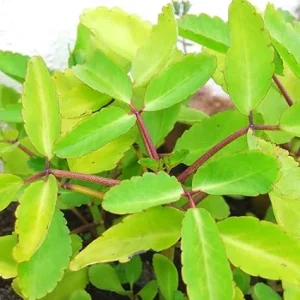
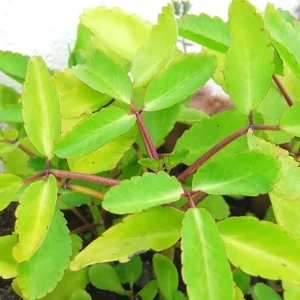
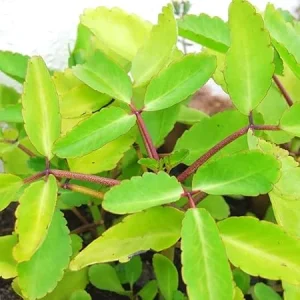
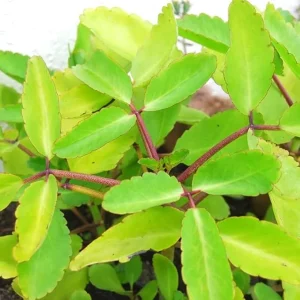
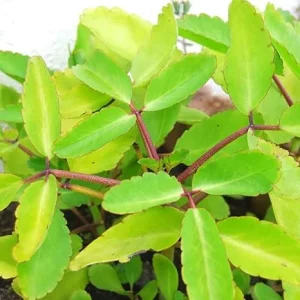
Bring home a beautiful kalanchoe pinnata live plant, a resilient and charming succulent measuring 4 to 6 inches in height. Ideal for both indoor and outdoor environments, this rooted plant is known for its unique foliage and ease of care. Enhance your space with this versatile and striking succulent.
$43.98

With our Alive & Thrive Guarantee, we’ve got your back for the first 30 days! If you have any concerns about your plants, just reach out to us. Our team is here to help answer your questions and guide you in selecting the best plants for your garden, climate, and unique preferences. We're excited to help you create the garden of your dreams!
Estimated arrival
Mar 30
Apr 04 - Apr 06
Apr 09 - Apr 13

Product Details
-
USDA Hardiness Zone
9-11 -
Soil type
Well-draining succulent or cactus mix -
Sunlight Exposure
Full to partial sunlight -
Expected Planting Period
Year-round indoors, spring to early summer outdoors (in zones 9-11)
Overview
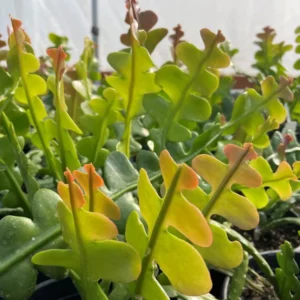
Introduce a touch of natural wonder to your home or garden with the exquisite kalanchoe pinnata live plant. This rooted specimen, standing at a convenient 4 to 6 inches in height, is a versatile succulent that thrives in both indoor and outdoor settings. Also commonly known as the ‘Miracle Leaf’ or ‘Air Plant’, Kalanchoe pinnata is celebrated for its distinctive, fleshy leaves that can sprout new plantlets from their margins, making it a fascinating addition to any plant collection. Its robust nature and unique propagation method make it a captivating choice for both novice and experienced plant enthusiasts. This particular kalanchoe pinnata live plant offers an immediate impact with its established root system, ensuring a smooth transition to its new home.
The kalanchoe pinnata live plant is a member of the Crassulaceae family, native to Madagascar, and has naturalized in many tropical and subtropical regions. Its resilience and adaptability make it a popular choice for various climates and growing conditions. Whether you’re looking to add greenery to your living room, adorn a sunny patio, or create a unique succulent arrangement, this plant is an excellent candidate. Its strong growth habit and minimal care requirements ensure it will flourish with proper attention, bringing lasting beauty to your environment.
Key Benefits
The kalanchoe pinnata live plant offers a multitude of benefits, making it a highly desirable addition to any plant lover’s collection. Its unique characteristics contribute to both aesthetic appeal and ease of maintenance.
- Unique Foliage and Propagation: The most striking feature of the kalanchoe pinnata live plant is its ability to produce tiny plantlets along the edges of its leaves. These plantlets can easily drop off and root, creating new plants, which is why it’s often called the ‘Miracle Leaf’. This natural propagation is a constant source of fascination and allows for easy expansion of your plant collection.
- Low Maintenance: This succulent is remarkably forgiving, making it an excellent choice for busy individuals or those new to plant care. It requires infrequent watering and can tolerate a range of conditions, simplifying its upkeep.
- Versatile Placement: Suitable for both indoor and outdoor environments, the kalanchoe pinnata live plant can adapt to various light conditions and temperatures within its hardiness zones. This flexibility allows you to enjoy its beauty in numerous settings, from sunny windowsills to garden beds.
- Drought Tolerant: As a succulent, Kalanchoe pinnata stores water in its leaves, making it highly drought-tolerant. This feature means it can withstand periods of neglect without wilting, reducing the worry of underwatering.
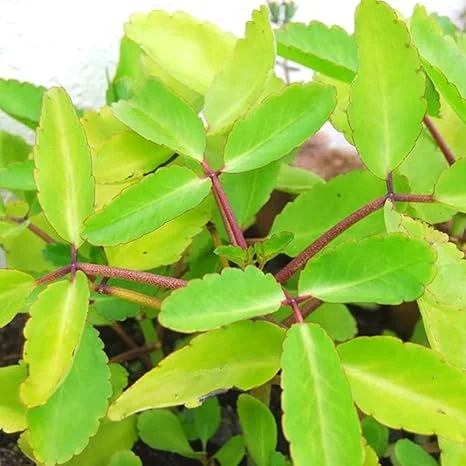
- Attractive Appearance: With its thick, green, and often reddish-tinged leaves, the kalanchoe pinnata live plant adds a distinctive texture and color to any plant arrangement. Its structural form provides an interesting focal point.
- Air Purifying Qualities: Like many plants, Kalanchoe pinnata contributes to a healthier indoor environment by absorbing airborne toxins and releasing oxygen. This makes it a beneficial addition to your home or office.
- Robust and Resilient: Known for its hardiness, this plant can recover from various stresses, making it a long-lasting and reliable plant companion. Understanding outdoor kalanchoe care is simplified by its natural resilience.
Plant Care & Growing Tips
Caring for your kalanchoe pinnata live plant is straightforward, allowing even beginners to enjoy its beauty and unique characteristics. Proper light, water, and soil are key to its thriving.
Sunlight Requirements: The kalanchoe pinnata live plant thrives in full to partial sunlight. When grown indoors, place it in a bright spot near a south or west-facing window where it can receive several hours of direct sunlight daily. If direct sunlight is too intense, especially in warmer climates, provide some afternoon shade to prevent leaf scorch. For outdoor cultivation, ensure it gets at least 6 hours of direct sun, with some protection from the harshest midday rays. Adequate light is crucial for vibrant foliage and compact growth.
Watering Schedule and Soil Moisture: As a succulent, Kalanchoe pinnata stores water in its leaves and is highly susceptible to overwatering. Water thoroughly when the soil is completely dry to the touch. Allow excess water to drain away completely, and never let the plant sit in standing water. During winter months or periods of dormancy, reduce watering frequency significantly. The best way to determine when to water is to check the soil moisture with your finger or a moisture meter. This approach is fundamental to effective kalanchoe pinnata care.
Soil Type and Drainage: A well-draining succulent or cactus mix is essential for the health of your kalanchoe pinnata live plant. This type of soil prevents waterlogging, which can lead to root rot. You can create your own mix by combining potting soil with perlite, coarse sand, or pumice in equal parts. Ensure that the pot has drainage holes to facilitate proper water runoff. Good drainage is paramount for preventing fungal issues and promoting healthy root development.
Temperature Range and USDA Hardiness Zone: Kalanchoe pinnata prefers warm temperatures, ideally between 65-80°F (18-27°C). It is sensitive to frost and should be protected from temperatures below 40°F (4°C). The USDA Hardiness Zones for kalanchoe pinnata live plant are generally 9-11, indicating it can be grown outdoors year-round in these warmer regions. In colder zones, it should be brought indoors before the first frost or treated as an annual. For an indoor kalanchoe plant, maintain consistent room temperatures away from cold drafts.
Fertilization Schedule: Fertilize sparingly during the growing season (spring and summer) with a balanced liquid fertilizer diluted to half strength. Avoid fertilizing in fall and winter when the plant’s growth slows down. Over-fertilization can lead to leggy growth and nutrient burn, so less is often more with succulents. A slow-release granular fertilizer formulated for succulents can also be an effective choice.
Common Problems and Solutions: Watch out for signs of overwatering, such as yellowing leaves or a mushy stem; reduce watering immediately if these occur. Pests like mealybugs or aphids can occasionally affect Kalanchoe pinnata. Treat infestations with insecticidal soap or neem oil, ensuring thorough coverage of both the top and underside of leaves. Providing good air circulation and appropriate light levels will help prevent most issues and simplify kalanchoe pinnata care.
Size & Details
This offering is for one kalanchoe pinnata live plant, which arrives rooted and ready for planting. The plant measures approximately 4 to 6 inches in height, providing a substantial specimen to begin with. While its mature size can reach 12 to 24 inches tall, this young plant allows you to enjoy its growth journey. It is typically shipped in a small nursery pot, ensuring its roots are protected during transit and minimizing transplant shock.
The growth rate of Kalanchoe pinnata is moderate, allowing it to reach its mature height within a few years under optimal conditions. Its broad, succulent leaves can span several inches, contributing to its overall robust appearance. This plant is an excellent choice for container gardening, rock gardens, or as a unique houseplant. Its established root system means it will quickly adapt to its new environment, whether as an indoor kalanchoe plant or outdoors in suitable climates.
Frequently Asked Questions
- Q: How big does this kalanchoe pinnata live plant get? A: This plant is currently 4 to 6 inches tall. With proper care, it can reach a mature height of 12 to 24 inches, developing a more robust and bushier form over time.
- Q: Is this an indoor or outdoor plant? A: The kalanchoe pinnata live plant is highly versatile and can thrive both indoors and outdoors. For outdoor growth, it prefers USDA Zones 9-11. In colder climates, it’s best grown as an indoor plant or brought inside during winter.
- Q: How much sunlight does it need? A: This plant requires full to partial sunlight. Indoors, place it in a bright window where it receives several hours of direct light. Outdoors, it appreciates morning sun and some afternoon shade, especially in very hot climates.
- Q: Is this plant easy to care for? A: Yes, the kalanchoe pinnata live plant is considered low-maintenance and easy to care for, making it suitable for beginners. Its drought tolerance and adaptability contribute to its hardiness.
- Q: What condition will it arrive in? A: Your kalanchoe pinnata live plant will arrive as a live, rooted plant, typically in a nursery pot. It will be carefully packaged to ensure its safety and health during transit, ready for planting upon arrival.
- Q: When is the best time to plant? A: For indoor planting, you can plant your kalanchoe pinnata live plant any time of year. For outdoor planting in suitable zones, spring or early summer is ideal, allowing the plant to establish before extreme temperatures.
- Q: What’s the minimum temperature this plant can tolerate? A: The kalanchoe pinnata live plant prefers temperatures above 40°F (4°C). It is not frost-tolerant, so in regions with colder winters, it must be protected or moved indoors.
- Q: What kind of soil does this plant need? A: It requires well-draining soil, such as a succulent or cactus mix. This prevents water from sitting around the roots, which can lead to root rot.
- Q: Can I propagate more plants from this one? A: Absolutely! Kalanchoe pinnata is famous for its ‘miracle leaf’ propagation, where new plantlets form on the leaf margins. These can be easily detached and planted to grow new plants. This is a key aspect of outdoor kalanchoe care and indoor enjoyment.
- Q: Is it pet-safe? A: Kalanchoe pinnata is considered toxic to pets if ingested. It’s best to keep this plant out of reach of curious cats, dogs, and other animals.
Related products
-30%
Original price was: $79.98.$55.98Current price is: $55.98.
-30%
Original price was: $79.98.$55.98Current price is: $55.98.
-30%
Original price was: $79.98.$55.98Current price is: $55.98.
-40%
Original price was: $19.60.$11.76Current price is: $11.76.
-97%
Original price was: $316.80.$9.92Current price is: $9.92.
-30%
Original price was: $49.98.$34.98Current price is: $34.98.
PLANTING & CARE

The Comprehensive Guide to Growing Bay Leaf Plants for a Flavorful Garden
Imagine stepping into your garden, greeted by the earthy aroma of fresh bay leaves, their
09
Feb
Feb

How to Make Comfrey Tea: The Ultimate Organic Plant Food
Growing an organic garden can be surprisingly expensive, especially when most store-bought fertilizers come in
02
Feb
Feb

True Comfrey: 7 Essential Tips Before You Plant This Herb
A staple in permaculture practices across the US, True Comfrey easily earns its reputation as
27
Jan
Jan

7 Heart-Shaped Plants for a Lasting Valentine’s Gift
If you’ve ever bought a bouquet of roses for Valentine’s Day, you know they are
26
Jan
Jan

Best Types of Ivy Plant for Houses: How to Choose the Perfect Ones for Your Home
Are you a garden lover looking to introduce some greenery into your home? Maybe you’ve
14
Nov
Nov

When to Harvest Garlic (Especially Fall-Planted Garlic)
TIMING IS EVERYTHING, they say – and for garlic, that truth hits with surprising accuracy.
13
Nov
Nov

11 of the Best Sweet Potato Varieties to Grow for Your Garden
If you’ve ever tried growing sweet potatoes, you know that picking the right variety can
12
Nov
Nov
Pruning Bougainvillea for Winter
Bougainvillea vines are known for their dazzling display of magenta, orange, and fuchsia bracts that
05
Nov
Nov