Langsat Fruit Tree Live Plant – Lansium Parasiticum Seedling, 3-6 inch, 2.5 inch Pot
-50%
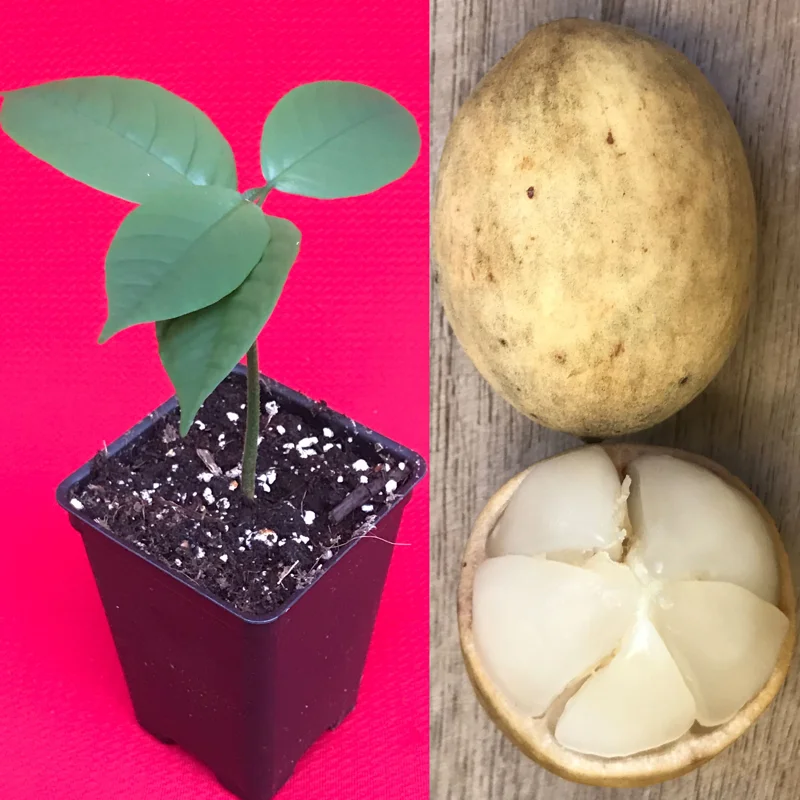
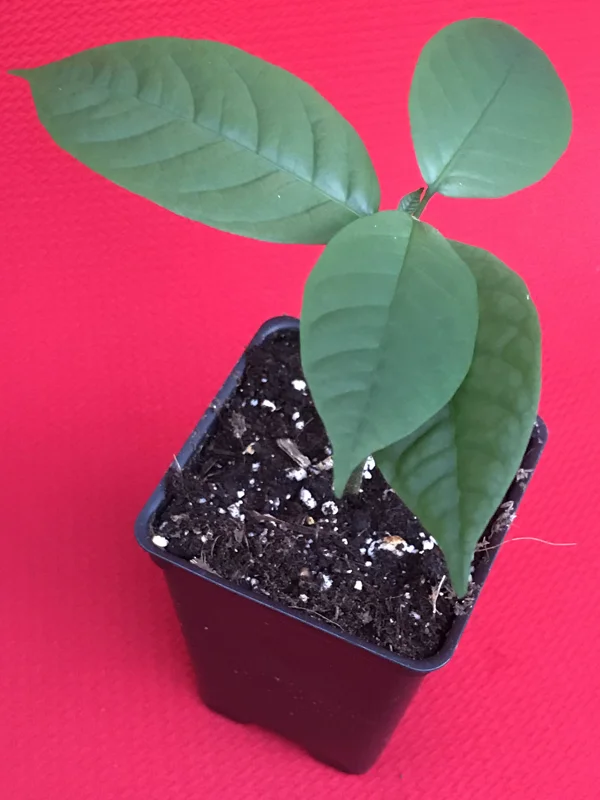
Langsat Fruit Tree Live Plant – Lansium Parasiticum Seedling, 3-6 inch, 2.5 inch Pot
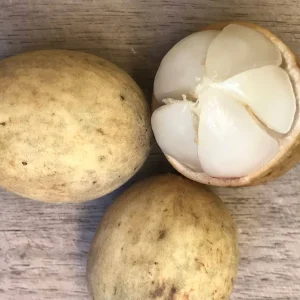
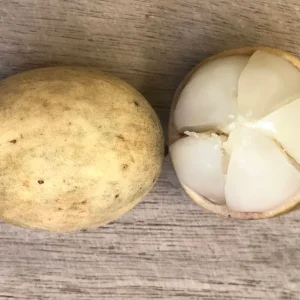
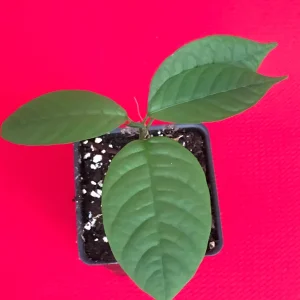
Cultivate your own exotic fruit with this langsat fruit tree live plant. Also known as Lanzones or Duku, this Lansium parasiticum care is for a healthy 3-6 inch seedling in a 2.5-inch pot, ready to grow into a productive tropical fruit tree. Enjoy the unique sweet and sour flavor of fresh Langsat fruit.
Original price was: $81.58.$40.79Current price is: $40.79.

With our Alive & Thrive Guarantee, we’ve got your back for the first 30 days! If you have any concerns about your plants, just reach out to us. Our team is here to help answer your questions and guide you in selecting the best plants for your garden, climate, and unique preferences. We're excited to help you create the garden of your dreams!
Estimated arrival
Mar 23
Mar 28 - Mar 30
Apr 02 - Apr 06
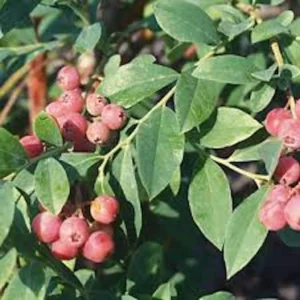
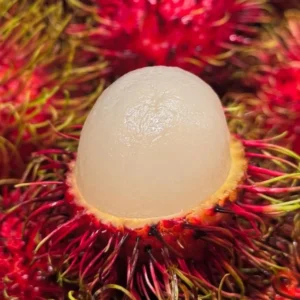
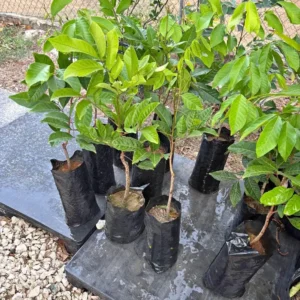
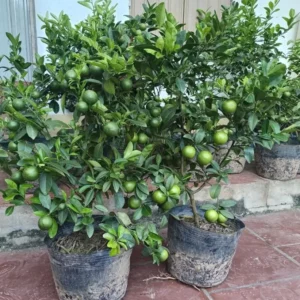
Product Details
-
USDA Hardiness Zone
USDA Zone 11 -
Soil type
Well-draining, rich in organic matter -
Sunlight Exposure
Full sun/Light shade (full shade for young plants) -
Expected Planting Period
Year-round in tropical climates, spring/summer in subtropical regions
Overview
Introduce an exotic delight to your garden with the langsat fruit tree live plant. This tropical species, scientifically known as Lansium parasiticum, is also commonly referred to as Lanzones or Duku. Originating from Southeast Asia, this plant is cherished for its delicious, grape-like fruit. You are receiving a healthy 3-6 inch seedling, carefully cultivated in a 2.5-inch square pot, ready to establish itself in your tropical or subtropical environment. The langsat fruit tree live plant promises to be a rewarding addition for fruit enthusiasts and those looking to add a touch of the tropics to their landscape.
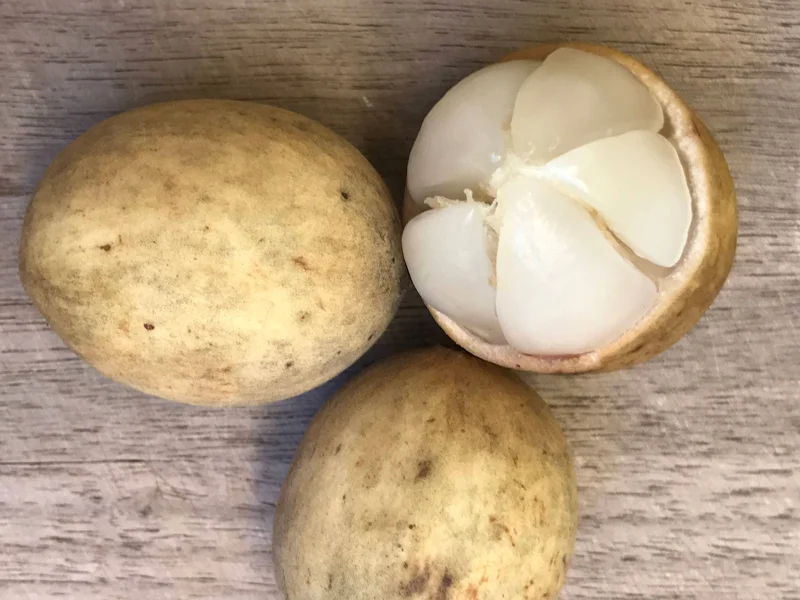
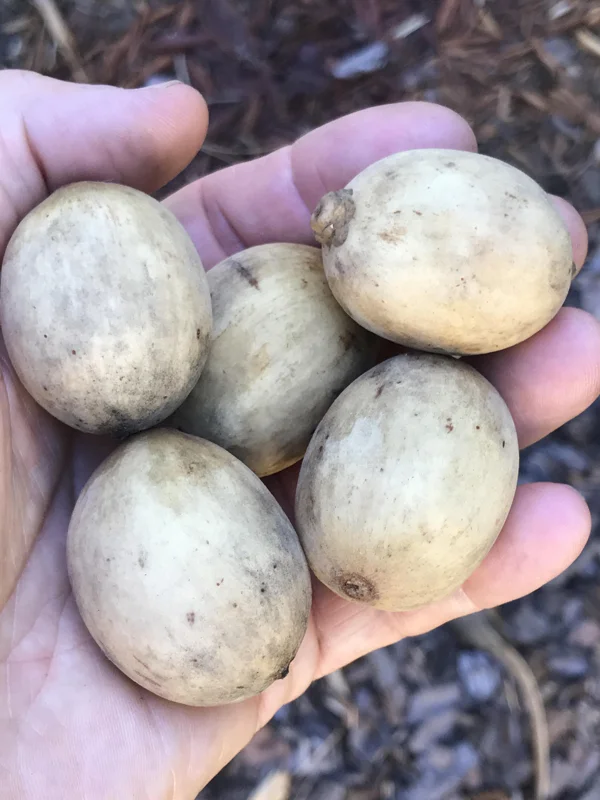
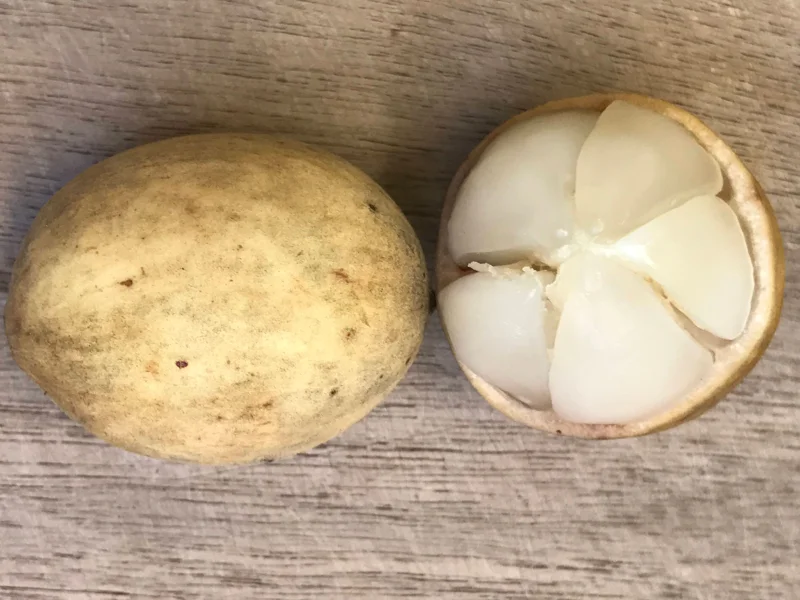
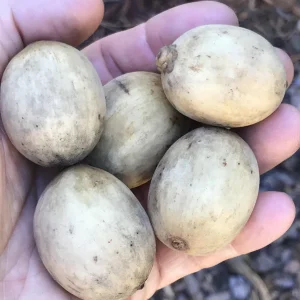
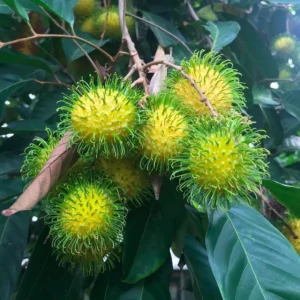
The Langsat tree is a member of the Mahogany family and produces clusters of small, round to oval fruits. These fruits are covered in a thin, slightly fuzzy yellow skin, which, when peeled, reveals a translucent, sweet, and sour flesh. The taste is often compared to a delightful blend of grape and grapefruit, making it a unique culinary experience. With proper lansium parasiticum care, your seedling will mature into a robust tree, potentially reaching heights of 20-50 feet, providing abundant harvests of this sought-after tropical fruit.
Key Benefits
Growing your own langsat fruit tree live plant offers a multitude of benefits, from the joy of fresh fruit to the aesthetic appeal of a tropical specimen in your garden. This plant is a unique and valuable addition for any fruit lover or tropical plant collector.
- Exotic Fruit Production: Enjoy the unique and delicious flavor of fresh Langsat fruit, a rare treat that is difficult to find outside of tropical regions. The sweet and sour taste is highly prized.
- Beautiful Evergreen Foliage: The tree boasts lush, evergreen foliage, providing year-round greenery and a tropical ambiance to your outdoor space. It offers visual appeal even when not fruiting.
- Shade Provider: As the tree matures, it can grow quite large, offering excellent shade, which is particularly beneficial in hot climates. This makes it a functional and beautiful landscape tree.
- Unique Culinary Ingredient: The fruit can be enjoyed fresh, or used in various culinary applications, adding an exotic twist to desserts, drinks, and other dishes.
- Rewarding Growing Experience: Cultivating your own tropical fruit tree from a seedling is a deeply satisfying experience, connecting you with nature and providing fresh, organic produce.
- Potential for Organic Growth: This particular langsat fruit tree live plant is grown organically, ensuring you receive a healthy start to your own organic fruit production.
Plant Care & Growing Tips
Proper lansium parasiticum care is essential for the successful growth and fruiting of your langsat fruit tree live plant. This ultra-tropical plant thrives in specific conditions, requiring attention to its environment, especially during its early years. The Langsat tree is best suited for USDA Zone 11, indicating its need for warm, frost-free conditions. It will not tolerate long dry seasons and requires a consistently humid atmosphere to flourish. Early protection from harsh elements like cold, strong winds, and direct scorching sun is crucial for young seedlings.
For sunlight, the Langsat prefers full sun to light shade. However, young plants should be protected from intense, direct sunlight, especially after shipping. Place your newly arrived seedling in a spot with good light but full shade for its first two weeks to help it adjust. Gradually acclimate it to more sunlight if you plan to plant it outdoors. The ideal temperature range for small plants is 70-80°F (21-27°C), as temperatures below 60°F (15°C) can cause damage. The soil should be well-draining, rich in organic matter, and kept consistently moist but not waterlogged. Regular watering is necessary, especially during dry spells, to maintain the high humidity it craves. Fertilize with a balanced, slow-release fertilizer suited for tropical fruit trees once the plant is established and actively growing. Monitoring for common tropical pests and diseases is also part of effective lansium parasiticum care.
When considering growing langsat from seedling, remember that trees grown from seeds may not be identical to the parent tree. This is a common characteristic of many fruit trees. Ensure you provide protection from cold and dry winds, particularly during cooler periods. Once established, the tree will need consistent moisture and a humid environment to thrive and produce its delicious duku fruit tree bounty. Avoid transplanting or fertilizing immediately after arrival; allow the plant a week or two to settle into its new environment.
Size & Details
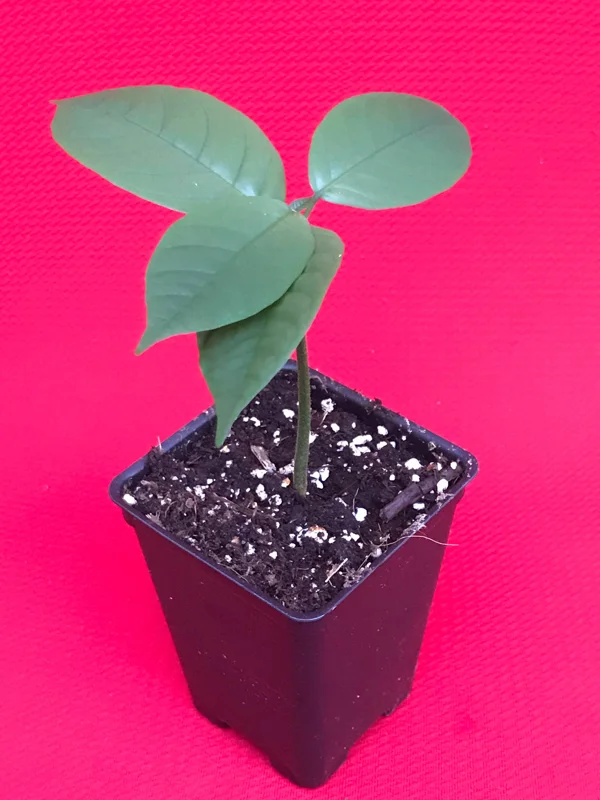
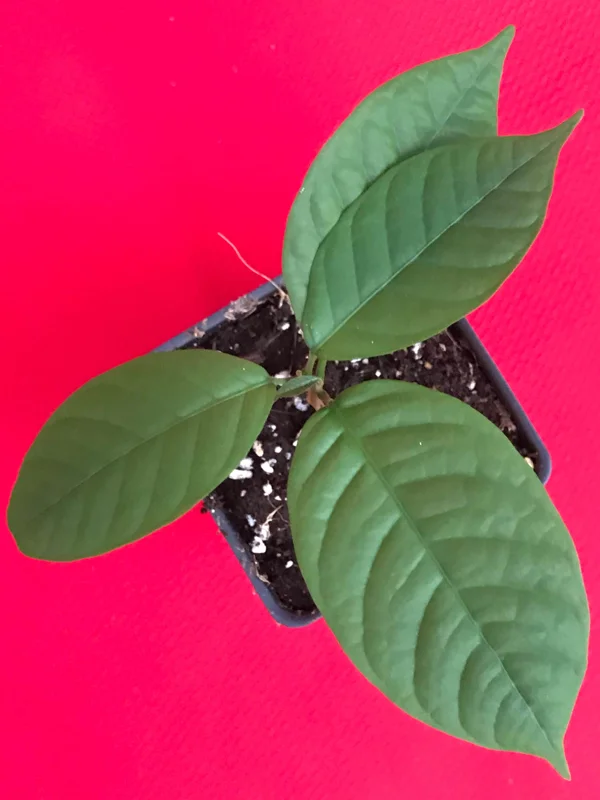
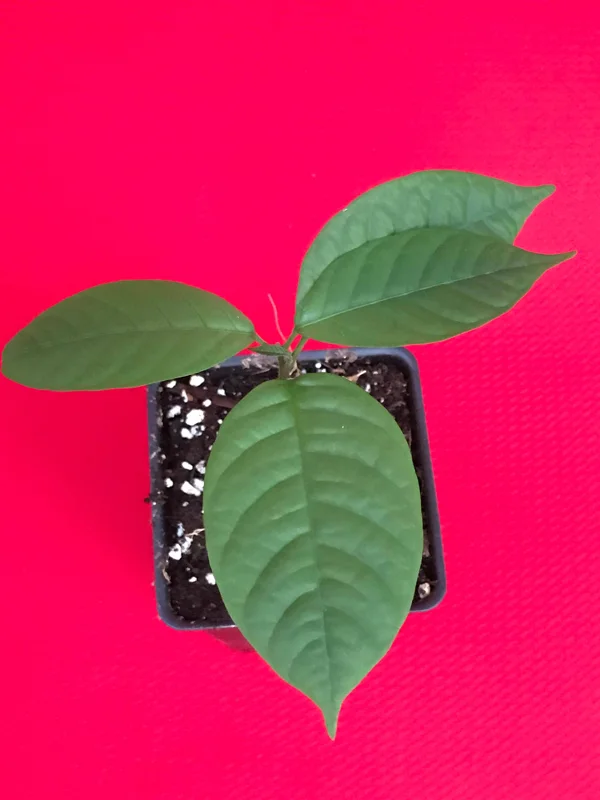
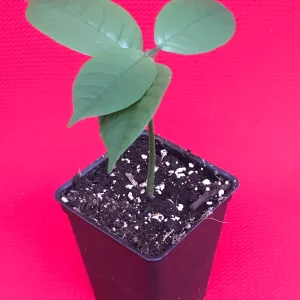
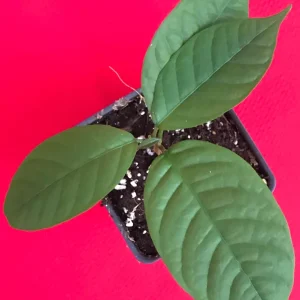
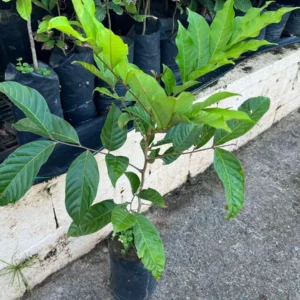
This offering is for one langsat fruit tree live plant, a healthy seedling of Lansium parasiticum, ready for planting. The plant stands approximately 3–6 inches tall, with this measurement excluding the height of the pot. It is provided in a 2.5-inch square nursery pot, offering a sturdy base for its initial growth. The Langsat tree is an evergreen species with a potential mature height of 20-50 feet, making it a significant addition to a tropical landscape. It is organically grown in Florida, ensuring a strong and healthy start for your tropical fruit cultivation efforts. This plant is a seedling and will require several years to reach maturity and begin fruiting, offering a long-term gardening project and the eventual reward of fresh lanzones tropical plant fruits.
Frequently Asked Questions
- Q: How big does this plant get? A: This particular offering is a 3-6 inch langsat fruit tree live plant seedling. When mature, a Langsat tree can reach an impressive height of 20-50 feet, becoming a substantial landscape tree.
- Q: What size pot does it come in? A: The seedling is shipped in a 2.5-inch square nursery pot, providing adequate space for its initial growth and establishment before transplanting.
- Q: Is this an indoor or outdoor plant? A: The Langsat is an ultra-tropical plant best suited for outdoor growth in USDA Zone 11. In colder climates, it can be grown in a large pot and brought indoors during cooler months, though fruit production may be limited.
- Q: How much sunlight does it need? A: Mature Langsat trees prefer full sun to light shade. However, young seedlings, like this one, require protection from direct, intense sunlight for the first few weeks, preferring full shade initially to acclimate.
- Q: Is this plant easy to care for? A: While not extremely difficult, lansium parasiticum care requires attention to its tropical needs, particularly consistent moisture, high humidity, and protection from cold. It’s best for gardeners familiar with tropical plants.
- Q: What condition will it arrive in? A: Your langsat fruit tree live plant seedling will arrive in its original 2.5-inch pot, carefully packaged. It is normal for plants to show some stress after shipping; allow it a few weeks to recover in a suitable environment.
- Q: Can I use the fruit in cooking? A: Yes, the Langsat fruit is highly edible and known for its sweet and sour taste. It can be enjoyed fresh, or incorporated into various desserts, juices, and other culinary creations.
- Q: How long until it blooms and fruits? A: As this is a seedling, it will take several years for the lanzones tropical plant to mature, bloom, and begin producing fruit. Patience and consistent care are key to reaching this stage.
- Q: Will it survive winter in my zone? A: The Langsat is an ultra-tropical tree, hardy only to USDA Zone 11. It will not tolerate temperatures below 60°F (15°C) for extended periods, so if you live in a colder zone, winter protection is essential.
- Q: What is the best way of growing langsat from seedling? A: When growing langsat from seedling, ensure it has consistent moisture, high humidity, and protection from cold and strong sun initially. Gradually acclimate it to its permanent location, providing well-draining, rich soil.
Related products
-10%
Original price was: $28.99.$26.09Current price is: $26.09.
-20%
Original price was: $32.00.$25.60Current price is: $25.60.
-20%
Original price was: $31.98.$25.58Current price is: $25.58.
-10%
Original price was: $48.99.$44.09Current price is: $44.09.
-20%
Original price was: $36.00.$28.80Current price is: $28.80.
-20%
Original price was: $32.00.$25.60Current price is: $25.60.
PLANTING & CARE

The Comprehensive Guide to Growing Bay Leaf Plants for a Flavorful Garden
Imagine stepping into your garden, greeted by the earthy aroma of fresh bay leaves, their
09
Feb
Feb

How to Make Comfrey Tea: The Ultimate Organic Plant Food
Growing an organic garden can be surprisingly expensive, especially when most store-bought fertilizers come in
02
Feb
Feb

True Comfrey: 7 Essential Tips Before You Plant This Herb
A staple in permaculture practices across the US, True Comfrey easily earns its reputation as
27
Jan
Jan

7 Heart-Shaped Plants for a Lasting Valentine’s Gift
If you’ve ever bought a bouquet of roses for Valentine’s Day, you know they are
26
Jan
Jan

Best Types of Ivy Plant for Houses: How to Choose the Perfect Ones for Your Home
Are you a garden lover looking to introduce some greenery into your home? Maybe you’ve
14
Nov
Nov

When to Harvest Garlic (Especially Fall-Planted Garlic)
TIMING IS EVERYTHING, they say – and for garlic, that truth hits with surprising accuracy.
13
Nov
Nov

11 of the Best Sweet Potato Varieties to Grow for Your Garden
If you’ve ever tried growing sweet potatoes, you know that picking the right variety can
12
Nov
Nov
Pruning Bougainvillea for Winter
Bougainvillea vines are known for their dazzling display of magenta, orange, and fuchsia bracts that
05
Nov
Nov