Lantana Ham & Eggs Live Plant Set – 3 Pack, 4-6″ Tall, Bare Root, Outdoor Perennial
-50%
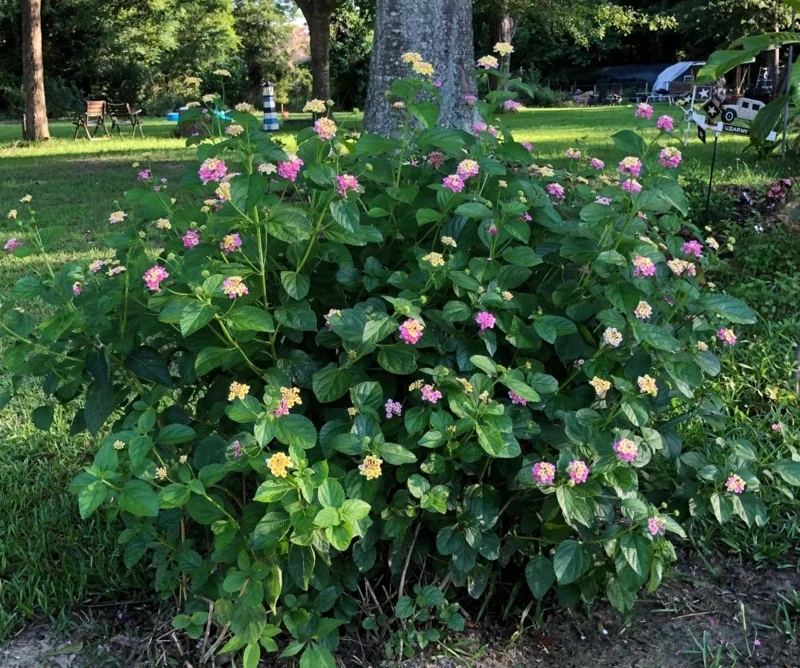
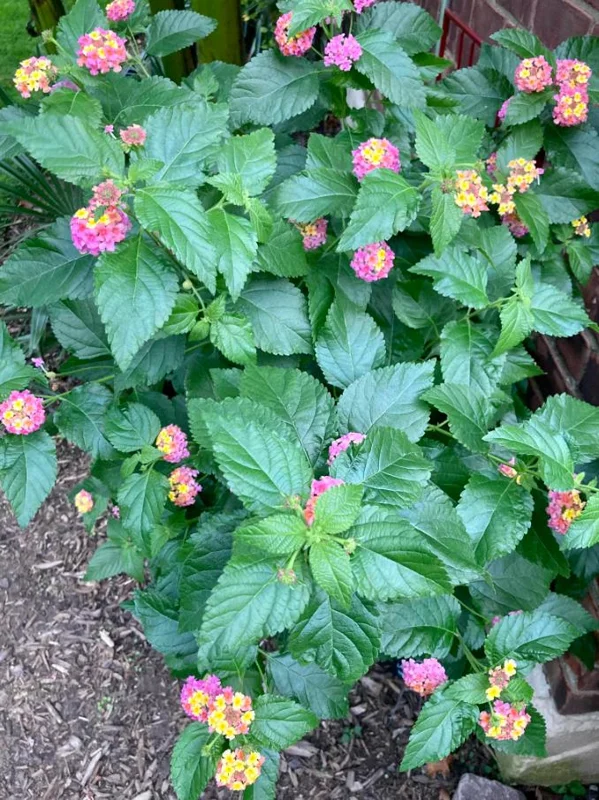
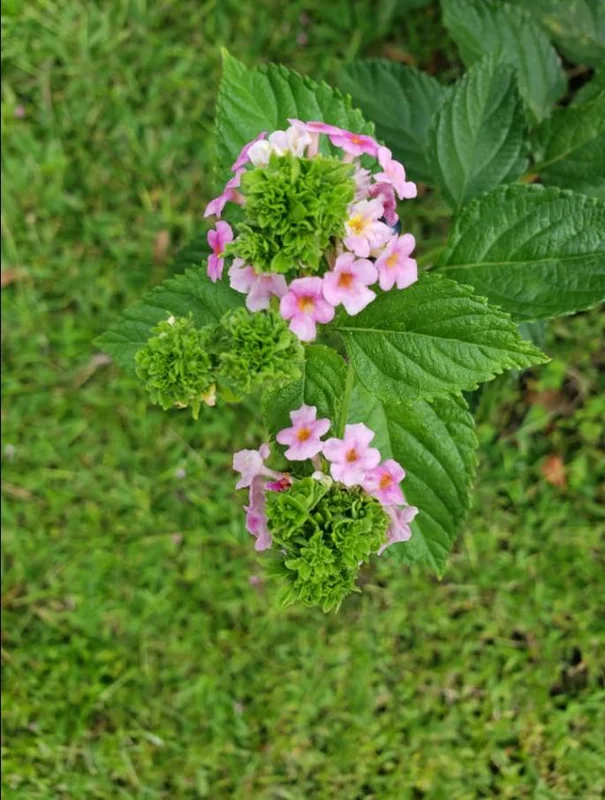
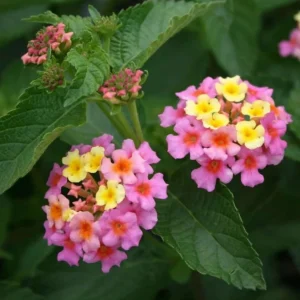
Lantana Ham & Eggs Live Plant Set – 3 Pack, 4-6″ Tall, Bare Root, Outdoor Perennial
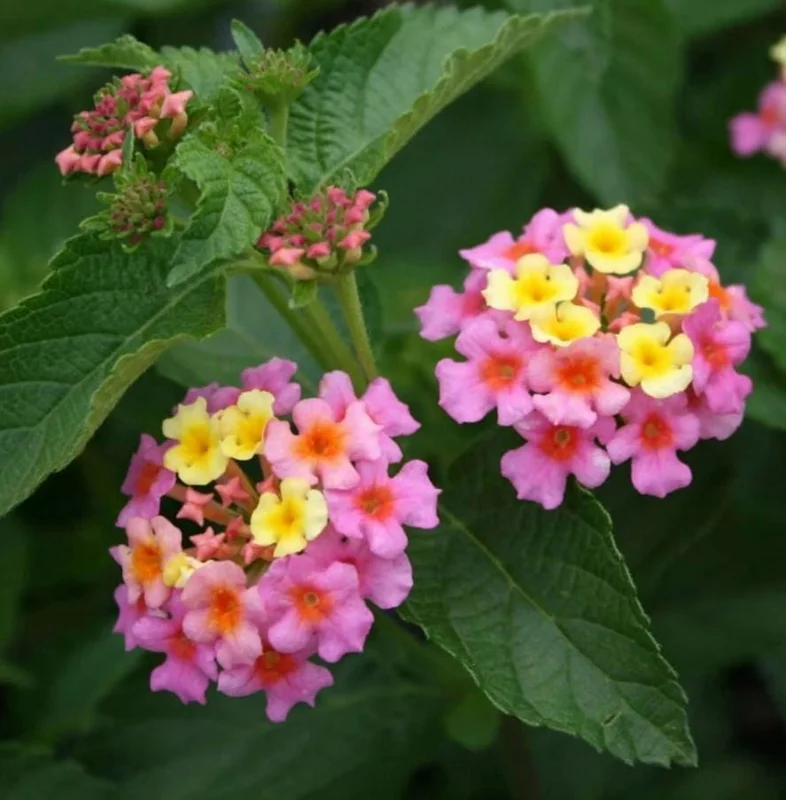
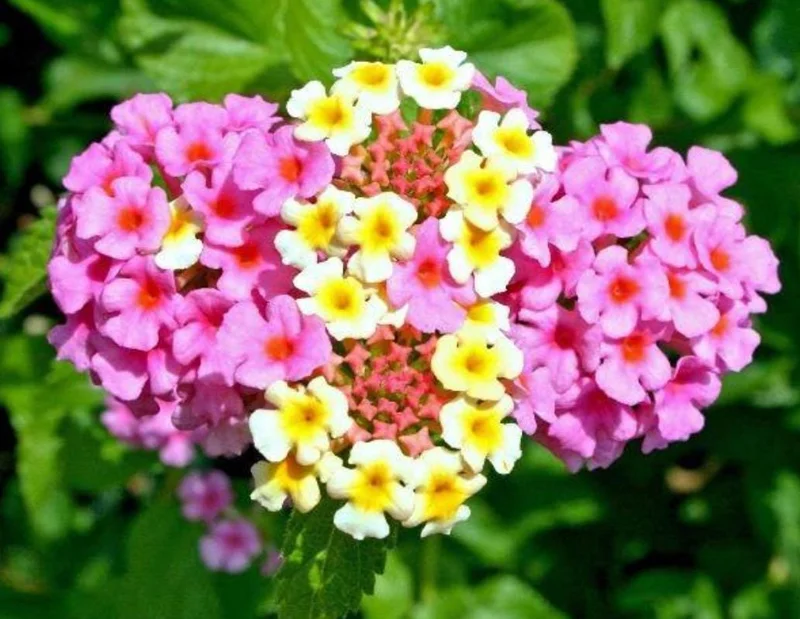
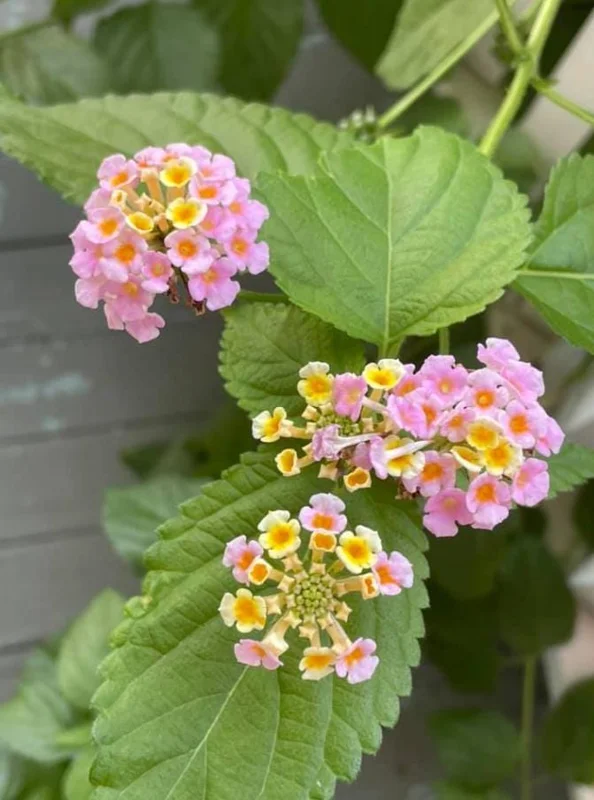
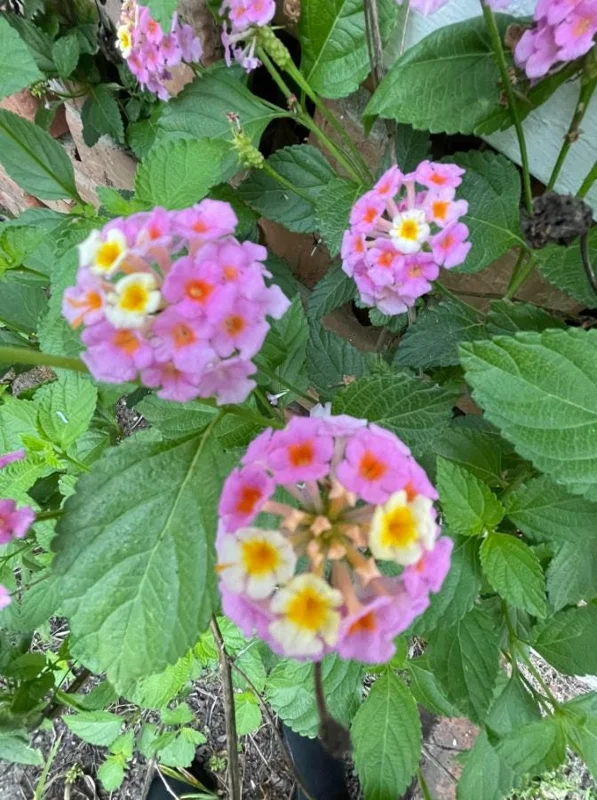
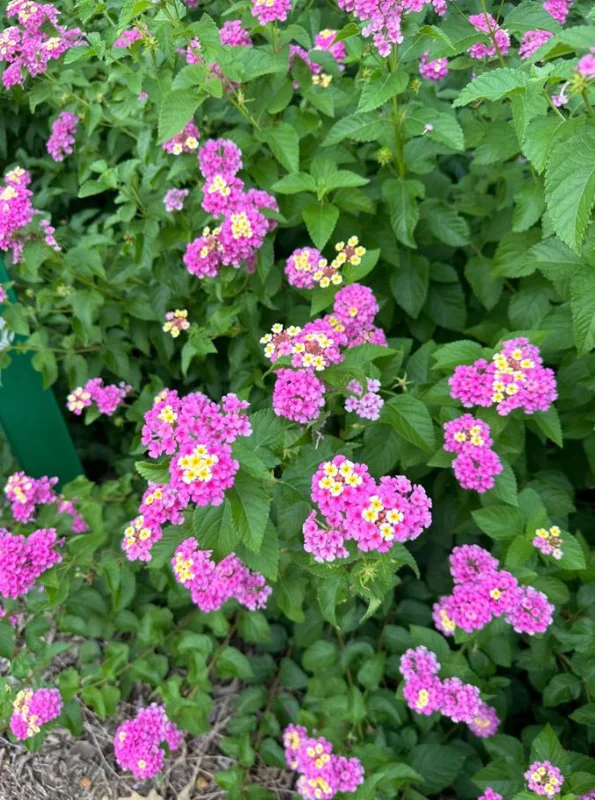
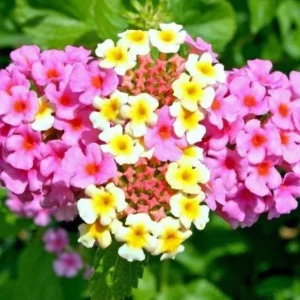
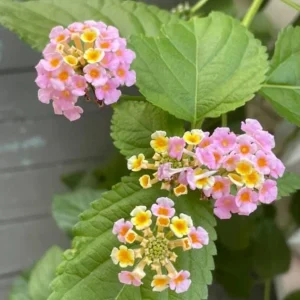
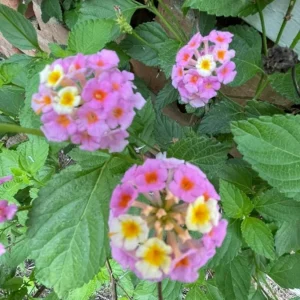
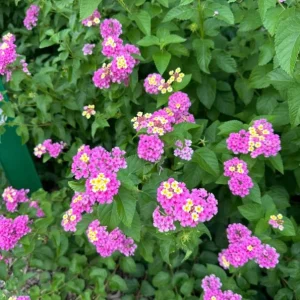
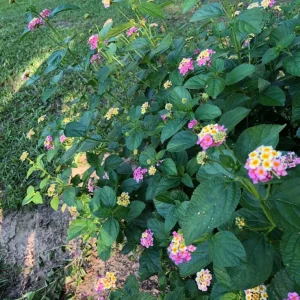
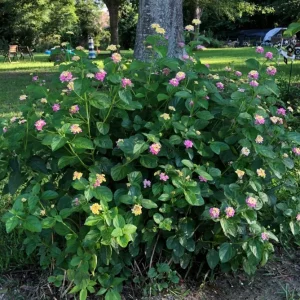
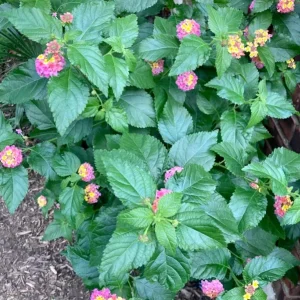
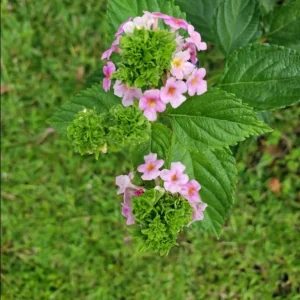
Add a burst of color to your garden with this Lantana Ham and Eggs live plant set. This 3-pack of 4-6 inch tall starter plants features cheerful pink and yellow blooms, perfect for attracting butterflies and hummingbirds. Ideal for containers, hanging baskets, or garden beds, these pollinator friendly lantana thrive in full sun and are known for their drought tolerance.
Original price was: $30.78.$15.39Current price is: $15.39.

With our Alive & Thrive Guarantee, we’ve got your back for the first 30 days! If you have any concerns about your plants, just reach out to us. Our team is here to help answer your questions and guide you in selecting the best plants for your garden, climate, and unique preferences. We're excited to help you create the garden of your dreams!
Estimated arrival
Apr 08
Apr 13 - Apr 15
Apr 18 - Apr 22

Product Details
-
USDA Hardiness Zone
7–11 -
Soil type
Well-draining soil -
Sunlight Exposure
Full sun -
Expected Planting Period
Spring to early summer
Overview
Transform your outdoor space with the stunning Lantana Ham and Eggs live plant. This vibrant perennial is celebrated for its continuous display of cheerful pink and yellow flower clusters, blooming profusely from spring until the first frost. Each set includes three healthy starter plants, approximately 4–6 inches tall, ready to be established in your garden or containers. Known for its drought tolerance and heat resistance, this lantana variety is not only beautiful but also incredibly resilient. It serves as an excellent magnet for local pollinators, including butterflies, bees, and hummingbirds, adding a dynamic and ecological element to any landscape. Whether you’re looking to fill a garden bed or brighten a patio, the Lantana Ham and Eggs live plant offers a low-maintenance solution for long-lasting color and life.
The ‘Ham and Eggs’ cultivar of Lantana camara is a testament to nature’s artistry, combining delicate pinks with sunny yellows in its intricate flower heads. This particular variety is chosen for its compact growth habit, making it versatile for various gardening applications. Its ability to thrive in challenging conditions makes it a favorite among gardeners seeking both beauty and durability. Prepare to enjoy a continuous spectacle of color and activity as these plants mature, providing endless enjoyment throughout the growing season.
Key Benefits
The Lantana Ham and Eggs live plant offers numerous advantages, making it a highly desirable addition to any garden or outdoor living area. Its robust nature and aesthetic appeal contribute significantly to a vibrant and thriving environment.
- Continuous Blooming: Enjoy a prolific display of pink and yellow flowers from spring through fall, ensuring your garden remains colorful for an extended period. This continuous bloom cycle is one of the most attractive features of the Lantana Ham and Eggs live plant.
- Pollinator Magnet: Attracts a wide array of beneficial insects and birds, including butterflies, bees, and hummingbirds, enhancing biodiversity and supporting local ecosystems. It’s truly a pollinator friendly lantana.
- Drought-Tolerant & Heat-Resistant: Once established, these plants require minimal watering and can withstand hot, dry conditions, making them perfect for xeriscaping or low-maintenance gardens. This makes drought tolerant lantana an excellent choice for many climates.
- Versatile Use: Ideal for a variety of settings, including garden beds, borders, containers, hanging baskets, and patio accents, providing flexibility in design.
- Low Maintenance: Requires minimal care beyond basic watering and occasional pruning, allowing gardeners to enjoy its beauty without extensive effort. Understanding Ham and Eggs lantana care is simple.
- Compact Growth Habit: Its manageable size makes it suitable for smaller spaces, urban gardens, and even balconies, delivering significant visual impact without overcrowding.
- Vibrant Color Palette: The unique combination of pink and yellow flowers creates a striking visual appeal that complements various garden styles and color schemes, making the pink and yellow lantana a standout.
Plant Care & Growing Tips
Proper care ensures your Lantana Ham and Eggs live plant thrives and produces abundant blooms. These plants are relatively low-maintenance, but understanding their specific needs will lead to the best results. For optimal flowering, Lantana ‘Ham and Eggs’ requires full sun exposure, meaning at least 6-8 hours of direct sunlight daily. In hotter climates, some afternoon shade can be beneficial to prevent scorching, but too little sun will reduce flower production. The ideal temperature range for growth is between 65°F and 90°F. These plants are hardy in USDA Zones 7–11, meaning they can survive winters in these regions, returning year after year.
When it comes to watering, drought tolerant lantana prefers moderate moisture. Allow the top inch or two of soil to dry out completely between waterings to prevent root rot. Overwatering is a common mistake. For soil, a well-draining mix is crucial, whether planting in containers or garden beds. A standard potting mix amended with perlite or sand works well for containers, while garden beds should have good drainage to prevent waterlogging. While not heavy feeders, a light application of balanced liquid fertilizer during the active growing season (spring and summer) can encourage more vigorous growth and blooming. Pruning can be done lightly to maintain shape and encourage new blooms, especially after a flush of flowers. Regularly inspect your Lantana Ham and Eggs live plant for common pests like whiteflies or spider mites, though they are generally quite resistant.
Size & Details
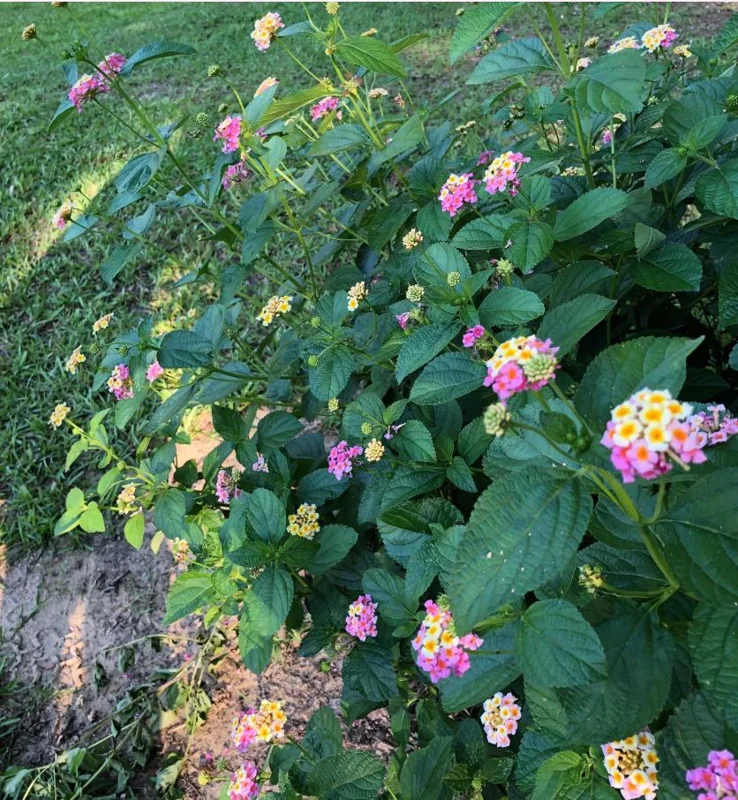
This offering includes a set of three healthy Lantana Ham and Eggs live plant starter plants. Each plant measures approximately 4–6 inches tall at the time of shipment. They are shipped bare root, with their roots carefully wrapped in a moist medium to ensure hydration during transit, meaning they are ready for immediate planting upon arrival. These are young starter plants, not yet mature flowering specimens; flowering will commence as the plants establish and grow, typically within the first growing season under ideal conditions. The compact growth habit of this variety means it will form a dense, mounding plant, generally reaching about 1-3 feet in height and spread at maturity. Expect continuous blooms from late spring through fall. The mature plants will provide a vibrant display of pink and yellow lantana, attracting pollinators to your garden.
Frequently Asked Questions
- Q: How big does this Lantana Ham and Eggs live plant get? A: At maturity, the ‘Ham and Eggs’ lantana typically grows to about 1-3 feet tall and spreads 1-3 feet wide, forming a compact, mounding shrub. The plants you receive will be starter plants, approximately 4-6 inches tall.
- Q: Is this an indoor or outdoor plant? A: This drought tolerant lantana is best grown outdoors. It thrives in full sun and is commonly used in garden beds, containers, and hanging baskets in USDA Zones 7-11. In colder zones, it can be grown as an annual or brought indoors for winter.
- Q: How much sunlight does it need? A: For the best blooms and healthiest growth, the Lantana Ham and Eggs live plant requires full sun, meaning at least 6-8 hours of direct sunlight per day. Less sun may result in fewer flowers.
- Q: Is this plant easy to care for? A: Yes, lantana is considered a low-maintenance plant. It’s known for its resilience, drought tolerance, and heat resistance, making Ham and Eggs lantana care relatively easy for gardeners of all experience levels.
- Q: What condition will it arrive in? A: Your Lantana Ham and Eggs live plant will arrive as bare root starter plants, carefully packaged with their roots wrapped in a moist medium to ensure they are healthy and ready for planting. Photos on the product page show the potential of mature plants.
- Q: How long until it blooms? A: As these are starter plants, flowering will begin once they establish in their new environment and grow. Under good growing conditions and sufficient sunlight, you can expect blooms during their first growing season, from late spring through fall.
- Q: Will it survive winter in my zone? A: This pollinator friendly lantana is hardy in USDA Zones 7-11. In these zones, it will typically return year after year. In colder zones, it can be grown as an annual or overwintered indoors.
- Q: Is lantana pet-safe? A: No, lantana can be mildly toxic if ingested by pets or children. It is recommended for ornamental purposes only and should be placed where curious pets and children cannot easily reach it.
- Q: What kind of soil does it prefer? A: The pink and yellow lantana thrives in well-draining soil. For containers, use a good quality potting mix with added perlite or sand. For garden beds, ensure the soil drains well to prevent waterlogging.
- Q: How often should I water my lantana? A: Water moderately, allowing the top layer of soil to dry out completely between waterings. Once established, this drought tolerant lantana will be quite forgiving if you miss a watering.
Related products
-30%
Original price was: $63.98.$44.78Current price is: $44.78.
-30%
Original price was: $65.98.$46.18Current price is: $46.18.
-30%
Original price was: $63.98.$44.78Current price is: $44.78.
-20%
Original price was: $31.98.$25.58Current price is: $25.58.
-10%
Original price was: $11.99.$10.79Current price is: $10.79.
-67%
Original price was: $66.72.$22.24Current price is: $22.24.
PLANTING & CARE

Growing Glencoe Raspberry: A Complete Guide for Gardeners
If you’re looking to add something unique to your garden, look no further than the
31
Mar
Mar

The Comprehensive Guide to Growing Bay Leaf Plants for a Flavorful Garden
Imagine stepping into your garden, greeted by the earthy aroma of fresh bay leaves, their
09
Feb
Feb

How to Make Comfrey Tea: The Ultimate Organic Plant Food
Growing an organic garden can be surprisingly expensive, especially when most store-bought fertilizers come in
02
Feb
Feb

True Comfrey: 7 Essential Tips Before You Plant This Herb
A staple in permaculture practices across the US, True Comfrey easily earns its reputation as
27
Jan
Jan

7 Heart-Shaped Plants for a Lasting Valentine’s Gift
If you’ve ever bought a bouquet of roses for Valentine’s Day, you know they are
26
Jan
Jan

Best Types of Ivy Plant for Houses: How to Choose the Perfect Ones for Your Home
Are you a garden lover looking to introduce some greenery into your home? Maybe you’ve
14
Nov
Nov

When to Harvest Garlic (Especially Fall-Planted Garlic)
TIMING IS EVERYTHING, they say – and for garlic, that truth hits with surprising accuracy.
13
Nov
Nov

11 of the Best Sweet Potato Varieties to Grow for Your Garden
If you’ve ever tried growing sweet potatoes, you know that picking the right variety can
12
Nov
Nov