Lantana Live Plant – White Flowers, 4 Inch Pot, Perennial Outdoor
Lantana Live Plant – White Flowers, 4 Inch Pot, Perennial Outdoor
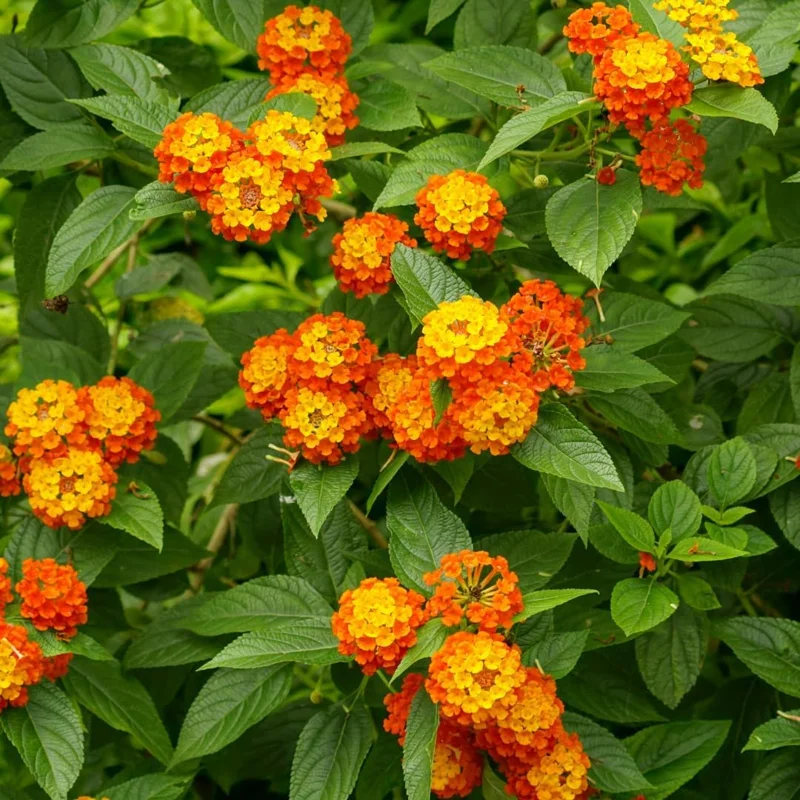
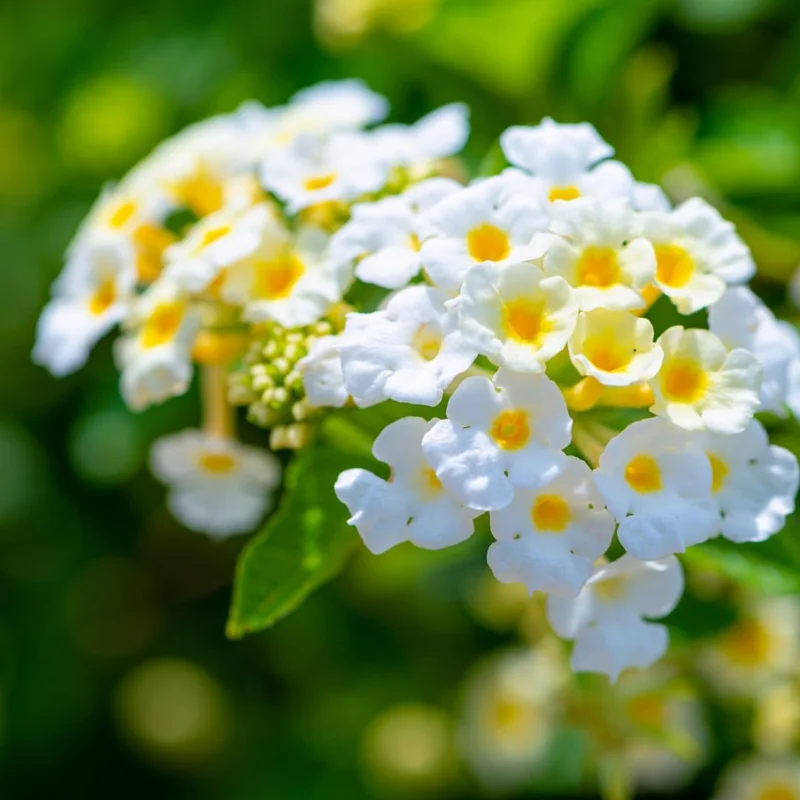
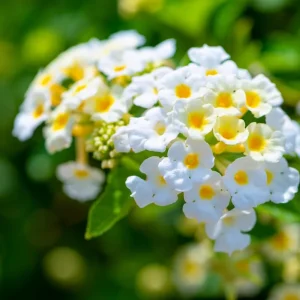
Add elegance to your outdoor space with this beautiful white lantana live plant. Arriving in a 4-inch pot, this perennial lantana care is easy and provides continuous white blooms. Ideal for full sun, it’s a perfect low maintenance flowering plant for garden beds and borders, attracting butterflies and hummingbirds.
$41.78

With our Alive & Thrive Guarantee, we’ve got your back for the first 30 days! If you have any concerns about your plants, just reach out to us. Our team is here to help answer your questions and guide you in selecting the best plants for your garden, climate, and unique preferences. We're excited to help you create the garden of your dreams!
Estimated arrival
Mar 31
Apr 05 - Apr 07
Apr 10 - Apr 14
Product Details
-
USDA Hardiness Zone
8-11 -
Soil type
Well-draining soil -
Sunlight Exposure
Full sun -
Expected Planting Period
Spring to early summer
Overview
Introduce a touch of enduring beauty to your garden with our exquisite white lantana live plant. This vibrant perennial is a popular choice for gardeners seeking continuous color and a resilient, easy-to-grow specimen. Known for its clusters of small, tubular flowers, lantana creates a stunning visual impact, especially when planted in groups or along borders. Originating from tropical regions, Lantana camara, as it’s scientifically known, has adapted beautifully to various climates, becoming a staple in many American gardens. This particular offering features charming white flowers, providing a crisp and clean aesthetic that complements any landscape design. Arriving in a convenient 4-inch pot, your new lantana is ready to be transplanted and begin its journey of growth and bloom in your outdoor oasis.
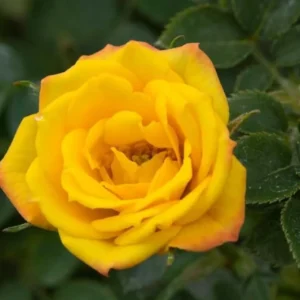
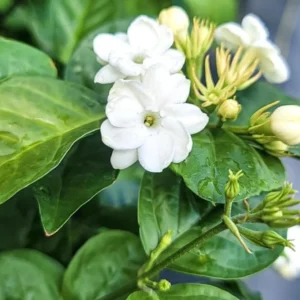
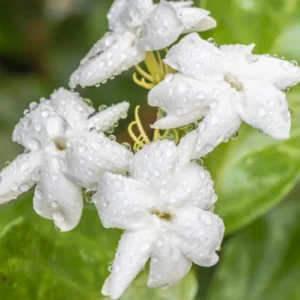
The white lantana live plant is celebrated not only for its prolific flowering but also for its hardiness and adaptability. It’s an excellent choice for gardeners of all skill levels, from beginners to seasoned enthusiasts. Its robust nature means it can withstand varying conditions once established, making it a reliable performer throughout the growing season. The delicate white blooms, often tinged with subtle yellow centers, create a captivating display that brightens up patios, balconies, and garden beds alike. Get ready to enjoy a season full of color and life with this charming addition to your plant collection.
Key Benefits
Our white lantana live plant offers a multitude of advantages for any garden setting, making it a highly desirable choice for both its aesthetic appeal and practical benefits. Its inherent qualities contribute to a vibrant and thriving outdoor space. The ease of perennial lantana care further enhances its appeal, allowing you more time to enjoy its beauty.
- Continuous Flowering: Enjoy a prolonged blooming season from spring through fall, providing consistent color and interest in your garden. The abundant white flowers ensure your outdoor space remains lively and attractive for months.
- Attracts Pollinators: The sweet nectar of lantana flowers is a magnet for butterflies, hummingbirds, and bees, helping to support local ecosystems and bringing dynamic life to your garden. It’s an excellent choice if you’re looking for a lantana for pollinators.
- Low Maintenance: This plant is incredibly forgiving and requires minimal attention once established. It tolerates drought, heat, and a variety of soil conditions, making it a perfect low maintenance flowering plant for busy gardeners.
- Drought Tolerant: Once mature, lantana can withstand periods of dry weather, reducing the need for frequent watering and making it an ideal choice for water-wise gardening.
- Versatile Use: Perfect for garden beds, borders, containers, hanging baskets, or as ground cover. Its mounding and spreading habit allows for diverse applications in your landscape design.
- Deer Resistant: Lantana is generally not favored by deer, offering a natural deterrent that protects your garden from browsing damage.
- Hardy in Warm Climates: Thriving in warm conditions, this plant is particularly well-suited for USDA Hardiness Zones 8-11, where it will return year after year as a perennial.
Plant Care & Growing Tips
Caring for your white lantana live plant is straightforward, ensuring a rewarding gardening experience. These robust plants are known for their resilience and ability to thrive with minimal fuss, especially when provided with their preferred conditions. Understanding the basics of perennial lantana care will help you achieve a stunning display of white blooms throughout the season.
Sunlight Requirements: Lantana absolutely loves the sun! For optimal growth and prolific flowering, plant your lantana in a location that receives full sun, meaning at least six hours of direct sunlight per day. While it can tolerate some partial shade, too little sun will result in fewer blooms and a leggy appearance. If planting indoors in a container, ensure it’s placed near a south-facing window or a location with maximum light exposure.
Watering Schedule & Soil Moisture: Once established, lantana is remarkably drought-tolerant. Water regularly after planting to help it establish its root system, typically once or twice a week, allowing the top inch of soil to dry out between waterings. For mature plants, reduce watering frequency. Overwatering can lead to root rot, so ensure good drainage. If growing in containers, they may require more frequent watering than those in the ground.
Soil Type & Drainage: This plant prefers well-draining soil. It can adapt to a variety of soil types, including sandy, loamy, or clay, as long as drainage is adequate. Amend heavy clay soils with organic matter like compost to improve drainage. A slightly acidic to neutral pH (6.0-7.0) is generally preferred. This ensures your lantana plant outdoor is happy and healthy.
Temperature Range & USDA Hardiness Zone: Lantana thrives in warm temperatures and is hardy in USDA Hardiness Zones 8-11, where it will grow as a perennial. In colder zones, it can be grown as an annual or brought indoors as a houseplant for the winter. It prefers temperatures above 50°F (10°C). Protect from frost, especially when young.
Fertilization Schedule & Type: Lantana is not a heavy feeder. A light application of a balanced, slow-release granular fertilizer in early spring as new growth appears is usually sufficient. Avoid over-fertilizing, especially with high-nitrogen fertilizers, as this can promote foliage growth at the expense of flowers. For container-grown plants, a diluted liquid fertilizer every 4-6 weeks during the growing season can be beneficial.
Common Problems & Solutions: Lantana is generally pest and disease resistant. Occasionally, you might encounter whiteflies or spider mites, especially in hot, dry conditions. These can often be controlled with insecticidal soap or neem oil. Proper air circulation and avoiding overwatering will help prevent fungal issues. Pruning spent blooms (deadheading) will encourage more flowering and maintain a tidy appearance. You’ll find this to be a truly low maintenance flowering plant.
Size & Details
This white lantana live plant arrives in a sturdy 4-inch nursery pot, providing a healthy start for your gardening endeavors. At the time of shipment, the plant typically measures approximately 4-5 inches tall from the top of the soil, with a spread of about 4-5 inches. Lantana is known for its relatively fast growth rate, especially in ideal conditions. When mature, most varieties of lantana can reach a height of 1-3 feet and spread 3-6 feet wide, depending on the specific cultivar and growing environment. This particular plant is a compact variety, making it suitable for both garden beds and container planting. It is shipped as a well-rooted, actively growing plant, ready for immediate transplanting into its permanent home.
Expect your perennial lantana care to lead to continuous blooming throughout the warmer months, typically from late spring through the first hard frost. The plant will establish quickly and begin to produce its characteristic clusters of white flowers, often with a hint of yellow in the center, creating a beautiful contrast against its rough, dark-green foliage. With proper care, your lantana will provide seasons of vibrant color and attract beneficial pollinators, making it a delightful addition to any outdoor space.
Frequently Asked Questions
- Q: How big does this plant get? A: This white lantana live plant is a compact variety, typically growing to about 1-3 feet tall and spreading 3-6 feet wide when mature, depending on growing conditions and pruning. It arrives in a 4-inch pot.
- Q: Is this an indoor or outdoor plant? A: Lantana is primarily an outdoor plant, thriving in full sun. In USDA Zones 8-11, it is a perennial. In colder zones, it can be grown as an annual or brought indoors during winter as a houseplant, provided it receives ample light.
- Q: How much sunlight does it need? A: For the best growth and most abundant flowers, your lantana plant outdoor needs at least 6 hours of direct sunlight per day. Full sun exposure is crucial for this plant to flourish.
- Q: Is this plant easy to care for? A: Yes, lantana is considered a very easy-to-care-for plant. It’s known for its drought tolerance and low maintenance requirements, making it a great choice for beginners and experienced gardeners alike. It truly is a low maintenance flowering plant.
- Q: What condition will it arrive in? A: Your lantana will arrive as a healthy, actively growing plant in a 4-inch nursery pot, well-packaged to ensure its safe journey to your home. It will be ready for immediate planting.
- Q: When is the best time to plant? A: The best time to plant your lantana is in spring after all danger of frost has passed. This allows the plant ample time to establish its root system before the heat of summer.
- Q: Will it survive winter in my zone? A: This lantana is perennial in USDA Hardiness Zones 8-11. In zones colder than 8, it will behave as an annual, or you can overwinter it indoors in a sunny location.
- Q: Is this lantana for pollinators? A: Absolutely! Lantana is a fantastic choice if you’re looking for a lantana for pollinators. Its vibrant blooms are a favorite of butterflies, hummingbirds, and bees, attracting them to your garden throughout the blooming season.
- Q: What type of soil does it prefer? A: Lantana prefers well-draining soil and can adapt to various soil types, including sandy, loamy, or clay, as long as drainage is excellent. Good drainage is key to preventing root issues.
- Q: Does it require frequent watering? A: Once established, lantana is quite drought tolerant and requires infrequent watering. Water thoroughly when the top inch of soil is dry, but avoid overwatering.
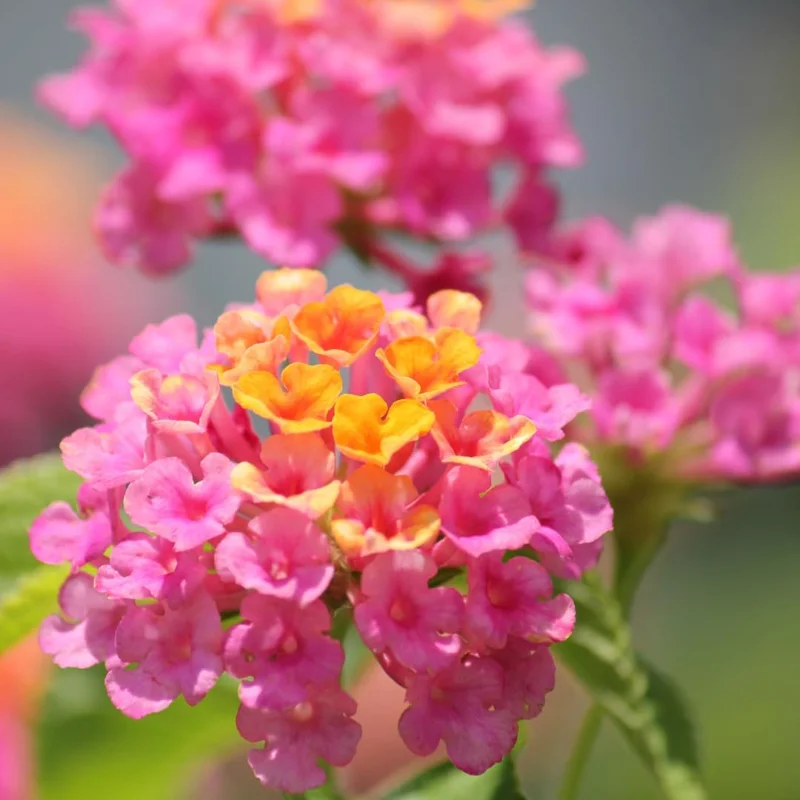
| Color | Orange Flowers, Pink Flowers, White Flowers |
|---|
Related products
-67%
Original price was: $59.97.$19.99Current price is: $19.99.
-10%
Original price was: $11.99.$10.79Current price is: $10.79.

-30%
Original price was: $63.98.$44.78Current price is: $44.78.
-30%
Original price was: $79.98.$55.98Current price is: $55.98.
-67%
Original price was: $41.97.$13.99Current price is: $13.99.
-75%
Original price was: $59.98.$15.00Current price is: $15.00.
PLANTING & CARE
Growing Glencoe Raspberry: A Complete Guide for Gardeners
If you’re looking to add something unique to your garden, look no further than the
31
Mar
Mar

The Comprehensive Guide to Growing Bay Leaf Plants for a Flavorful Garden
Imagine stepping into your garden, greeted by the earthy aroma of fresh bay leaves, their
09
Feb
Feb

How to Make Comfrey Tea: The Ultimate Organic Plant Food
Growing an organic garden can be surprisingly expensive, especially when most store-bought fertilizers come in
02
Feb
Feb

True Comfrey: 7 Essential Tips Before You Plant This Herb
A staple in permaculture practices across the US, True Comfrey easily earns its reputation as
27
Jan
Jan

7 Heart-Shaped Plants for a Lasting Valentine’s Gift
If you’ve ever bought a bouquet of roses for Valentine’s Day, you know they are
26
Jan
Jan

Best Types of Ivy Plant for Houses: How to Choose the Perfect Ones for Your Home
Are you a garden lover looking to introduce some greenery into your home? Maybe you’ve
14
Nov
Nov

When to Harvest Garlic (Especially Fall-Planted Garlic)
TIMING IS EVERYTHING, they say – and for garlic, that truth hits with surprising accuracy.
13
Nov
Nov

11 of the Best Sweet Potato Varieties to Grow for Your Garden
If you’ve ever tried growing sweet potatoes, you know that picking the right variety can
12
Nov
Nov