Lantana Lucky Red Live Plant – 6-10″ Tall, Vibrant Red Flowers, Outdoor Garden
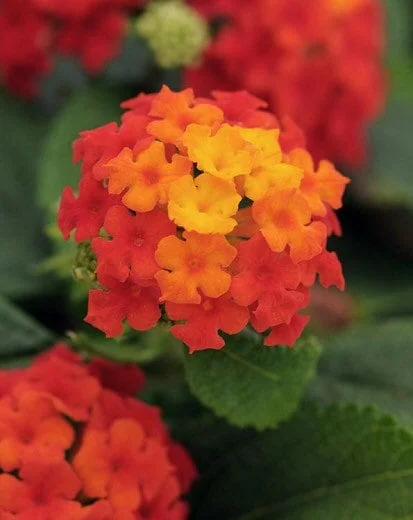
Lantana Lucky Red Live Plant – 6-10″ Tall, Vibrant Red Flowers, Outdoor Garden
Bring a burst of color to your garden with this beautiful Lantana Lucky Red live plant. Known for its vibrant red flowers and continuous blooms, this 6-10 inch plant is perfect for containers or garden beds, offering a delightful fragrance and attracting pollinators.
$31.98

With our Alive & Thrive Guarantee, we’ve got your back for the first 30 days! If you have any concerns about your plants, just reach out to us. Our team is here to help answer your questions and guide you in selecting the best plants for your garden, climate, and unique preferences. We're excited to help you create the garden of your dreams!
Estimated arrival
Aug 16
Aug 21 - Aug 23
Aug 26 - Aug 30
Product Details
-
USDA Hardiness Zone
USDA zones 8-11 -
Soil type
Well-draining soil -
Sunlight Exposure
Full sun -
Expected Planting Period
Spring to early summer
Overview
Introduce a splash of stunning color and continuous bloom to your garden with the exquisite Lantana Lucky Red live plant. This robust and beautiful plant is celebrated for its clusters of vibrant red flowers that appear tirelessly from spring through fall, ensuring your outdoor space remains lively and attractive. As a wonderfully low-maintenance and fast-growing shrub, the Lantana Lucky Red live plant is an ideal choice for both seasoned gardeners and beginners alike. Its charming blooms not only provide visual appeal but also emit a pleasant fragrance, making it a favorite among butterflies and other beneficial pollinators. Imagine your garden buzzing with life and color, all thanks to this resilient and cheerful plant.
Lantana camara, commonly known as Lantana, is a versatile and popular choice for various garden settings, including borders, containers, and hanging baskets. The ‘Lucky Red’ variety stands out for its intense red hues, offering a dramatic focal point wherever it’s planted. These plants are grown for their exceptional hardiness and ability to thrive in challenging conditions, making them a reliable addition to almost any sunny landscape. If you’re seeking a plant that delivers consistent beauty with minimal fuss, the Lantana Lucky Red live plant is an excellent investment for a vibrant and fragrant garden.
Key Benefits
The Lantana Lucky Red live plant offers a multitude of advantages that make it a standout choice for any garden. Its impressive features contribute to a beautiful and thriving outdoor environment. Discover why this plant is a favorite:
- Continuous, Vibrant Blooms: Enjoy a prolific display of bright red flowers that bloom continuously from spring to fall, ensuring your garden remains colorful for months. The vibrant hues of these red lantana flowers are truly captivating.
- Low Maintenance: This plant is incredibly easy to care for, requiring minimal attention once established. Its resilience makes it a perfect choice for gardeners seeking a beautiful yet undemanding addition. This is a truly low maintenance lantana.
- Attracts Pollinators: The cheerful flowers are a magnet for butterflies, hummingbirds, and other beneficial pollinators, enhancing the biodiversity and health of your garden.
- Drought Tolerant: Once established, Lantana Lucky Red is highly tolerant of dry conditions, making it an excellent option for water-wise gardening.
- Fragrant Foliage: Beyond its beautiful blooms, the plant’s leaves release a distinctive, pleasant aroma when brushed, adding another sensory dimension to your garden experience. This fragrant lantana plant adds charm.
- Versatile Use: Perfect for garden beds, borders, containers, or hanging baskets, its mounding and spreading habit allows for diverse landscaping applications.
- Rapid Growth: This plant grows quickly, filling out spaces and providing lush foliage and abundant blooms in a relatively short period. Enjoy a beautiful summer blooming lantana.
Plant Care & Growing Tips
Caring for your Lantana Lucky Red live plant is straightforward, ensuring you’ll enjoy its beauty with minimal effort. These plants thrive in conditions that mimic their native tropical and subtropical environments. For optimal growth and prolific blooms, ensure your lantana receives full sun, meaning at least six hours of direct sunlight per day. Good air circulation is also important to prevent fungal issues. When planting, choose a location with well-draining soil, as lantanas do not tolerate soggy roots. If planting in a container, use a high-quality potting mix that drains efficiently.
Watering should be consistent during the plant’s establishment period, typically the first few weeks after planting. Once established, the Lantana Lucky Red live plant is quite drought tolerant and will only need watering during prolonged dry spells or when the top inch of soil feels dry to the touch. Overwatering can be detrimental, so always check soil moisture before watering again. Fertilize sparingly; a balanced, slow-release fertilizer in spring is usually sufficient. Pruning is key to encouraging more blooms and maintaining a desirable shape. Deadhead spent flowers regularly to promote continuous blooming and prevent self-seeding. You can also give it a more significant trim in early spring to encourage bushy growth and an abundance of red lantana flowers for the upcoming season.
Lantanas are generally pest-resistant, but occasionally, whiteflies or spider mites might appear. Address these with insecticidal soap if necessary. These plants are typically hardy in USDA zones 8-11, where they can be grown as perennials. In colder climates, they are often enjoyed as annuals or brought indoors during winter. Protecting them from frost is crucial if you wish for them to return year after year. With these simple care tips, your low maintenance lantana will flourish, providing a season-long display of vibrant color and fragrance.
Size & Details
This offering is for a healthy Lantana Lucky Red live plant, typically arriving at a height of 6-10 inches. These plants are well-rooted and ready for immediate planting in your garden or preferred container. Lantanas are known for their rapid growth rate, and with proper care, they will quickly establish themselves and begin producing their signature vibrant red lantana flowers. Expect a bushy, mounding habit that can spread up to 2-3 feet wide and reach a similar height, creating a substantial and impactful presence in your landscape. The plant is shipped in a nursery pot, ensuring its roots are protected during transit and it arrives ready to thrive. You can anticipate the first flush of blooms shortly after planting, with continuous flowering throughout the warm season.
Frequently Asked Questions
- Q: How big does this plant get? A: The Lantana Lucky Red live plant typically grows to a height and spread of 2-3 feet, creating a dense, bushy display of vibrant red flowers. Its rapid growth means it will fill out its space quickly.
- Q: Is this an indoor or outdoor plant? A: Lantana Lucky Red is primarily an outdoor plant, thriving in full sun conditions. In colder climates (below USDA Zone 8), it can be grown as an annual or brought indoors during winter as a houseplant, though it prefers outdoor conditions.
- Q: How much sunlight does it need? A: For the best blooming performance and healthiest growth, your Lantana Lucky Red live plant requires full sun, which means at least 6 hours of direct sunlight per day. Less sun may result in fewer flowers.
- Q: Is this plant easy to care for? A: Yes, this is a very low maintenance lantana. It is known for its resilience and drought tolerance once established, making it an excellent choice for beginner gardeners or those seeking an easy-care option.
- Q: What condition will it arrive in? A: Your Lantana Lucky Red live plant will arrive as a healthy, well-rooted plant, typically 6-10 inches tall, in a nursery pot, ready for planting. We take care to ensure it is packaged securely for transit.
- Q: How long until it blooms? A: These plants are often shipped in bloom or bud, so you can expect to see vibrant red lantana flowers soon after planting, with continuous blooming throughout the warm season. It’s a fantastic summer blooming lantana.
- Q: What’s the best time to plant? A: The best time to plant your Lantana Lucky Red live plant is in spring after the last threat of frost has passed, allowing it ample time to establish before the heat of summer.
- Q: Will it survive winter in my zone? A: Lantana Lucky Red is perennial in USDA Zones 8-11. In colder zones, it is typically grown as an annual. If you’re looking for a fragrant lantana plant that can withstand some cooler weather, check your local hardiness zone.
- Q: Does this plant attract butterflies? A: Absolutely! The vibrant and fragrant blooms of the Lantana Lucky Red live plant are a favorite of butterflies, hummingbirds, and other pollinators, adding life and movement to your garden.
- Q: What kind of soil does it need? A: This plant thrives in well-draining soil. If planting in a container, use a good quality potting mix with excellent drainage. Avoid heavy, waterlogged soils.
Related products
-20%
Original price was: $27.98.$22.38Current price is: $22.38.
-30%
Original price was: $63.98.$44.78Current price is: $44.78.
-30%
Original price was: $63.98.$44.78Current price is: $44.78.
-55%
Original price was: $79.98.$35.99Current price is: $35.99.
-20%
Original price was: $31.98.$25.58Current price is: $25.58.
-67%
Original price was: $41.97.$13.99Current price is: $13.99.
PLANTING & CARE
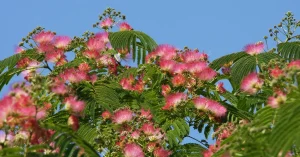
How to Grow Persian Silk Trees Easily in Your Garden
If you’re looking for a tree that brings a soft, tropical feel to your garden,
04
Aug
Aug
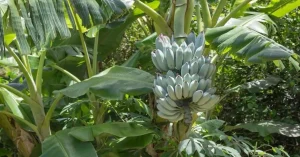
How to Grow Blue Java Banana Trees: A Beginner’s Guide
Have you ever heard of the Blue Java banana tree? If not, you’re in for
28
Jun
Jun
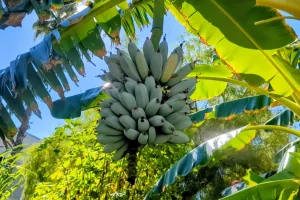
5 Common Blue Java Banana Tree Problems and How to Fix Them
Have you ever looked at your Blue Java banana tree (aka “ice cream banana”) and
19
Jun
Jun
Top 10 Plants for Father’s Day to Honor Dad This Father’s Day
Father’s Day is a special time to show your dad just how much he means
19
Jun
Jun
The Comprehensive Guide to Growing Bougainvillea for Colorful Blooms
Have you ever wanted your garden to be filled with brilliant color and tropical energy
19
Jun
Jun
How to Successfully Plant Bare Root Strawberries in Containers
Have you ever wondered about planting strawberries in containers, but aren’t sure where to begin?
11
Jun
Jun
Top 5 Easiest Ornamental Trees to Grow for Beginners
Ever feel overwhelmed by the idea of planting a tree in your yard? You’re not
11
Jun
Jun

Growing Glencoe Raspberry: A Complete Guide for Gardeners
If you’re looking to add something unique to your garden, look no further than the
31
Mar
Mar