Lapidaria margaretae Seeds – Rare Living Stone Mesembs Cactus Seeds – 30 Seeds
-50%
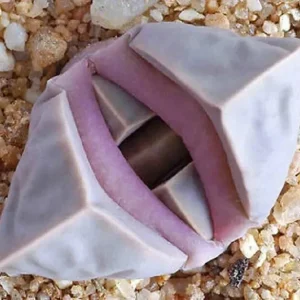
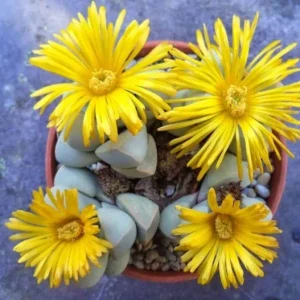
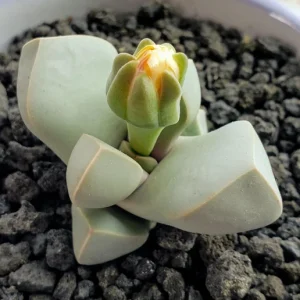
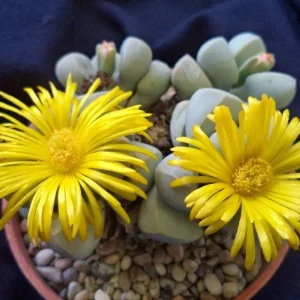
Lapidaria margaretae Seeds – Rare Living Stone Mesembs Cactus Seeds – 30 Seeds
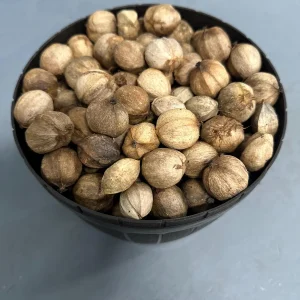
Cultivate unique beauty with Lapidaria margaretae seeds. These rare mesembs seeds allow you to grow stunning living stone seeds, perfect for adding an exotic touch to your indoor or outdoor garden. Each pack contains 30 fresh seeds, ready for germination.
Original price was: $22.76.$11.38Current price is: $11.38.

With our Alive & Thrive Guarantee, we’ve got your back for the first 30 days! If you have any concerns about your plants, just reach out to us. Our team is here to help answer your questions and guide you in selecting the best plants for your garden, climate, and unique preferences. We're excited to help you create the garden of your dreams!
Estimated arrival
Apr 03
Apr 08 - Apr 10
Apr 13 - Apr 17
Product Details
-
USDA Hardiness Zone
USDA zones 9-11 (for outdoor) -
Soil type
Well-draining gritty succulent mix -
Sunlight Exposure
Bright indirect light to partial sun -
Expected Planting Period
Late summer to early fall
Overview
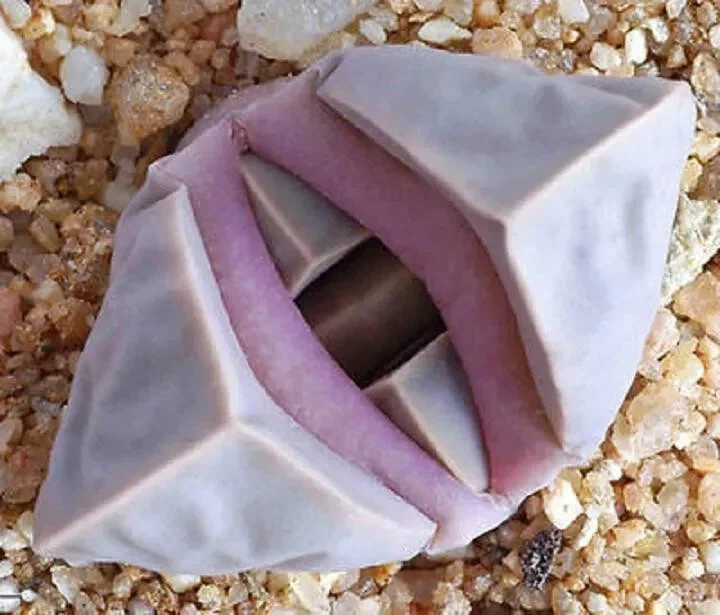
Embark on an exciting horticultural journey with Lapidaria margaretae seeds, offering the chance to cultivate one of nature’s most fascinating botanical wonders. Commonly known as the Karoo Rose or a type of living stone, Lapidaria margaretae is a highly sought-after succulent belonging to the Aizoaceae family. These remarkable plants mimic the appearance of stones and pebbles, providing exceptional camouflage in their natural arid habitats. Our premium pack contains 30 viable seeds, ensuring a good start to growing these unique and beautiful plants. Ideal for collectors and enthusiasts, these rare mesembs seeds promise a rewarding growing experience, transforming your space with their distinctive charm.
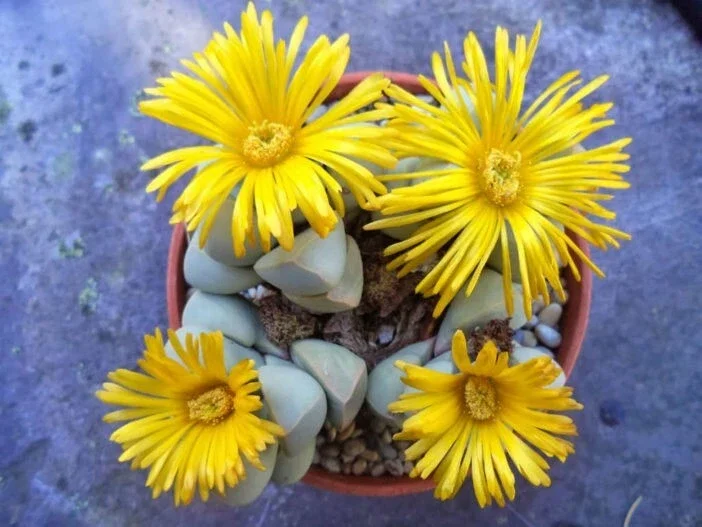
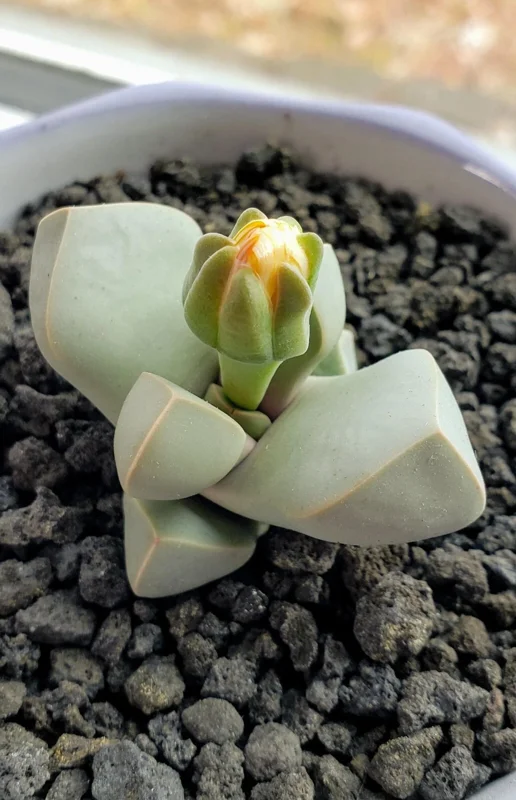
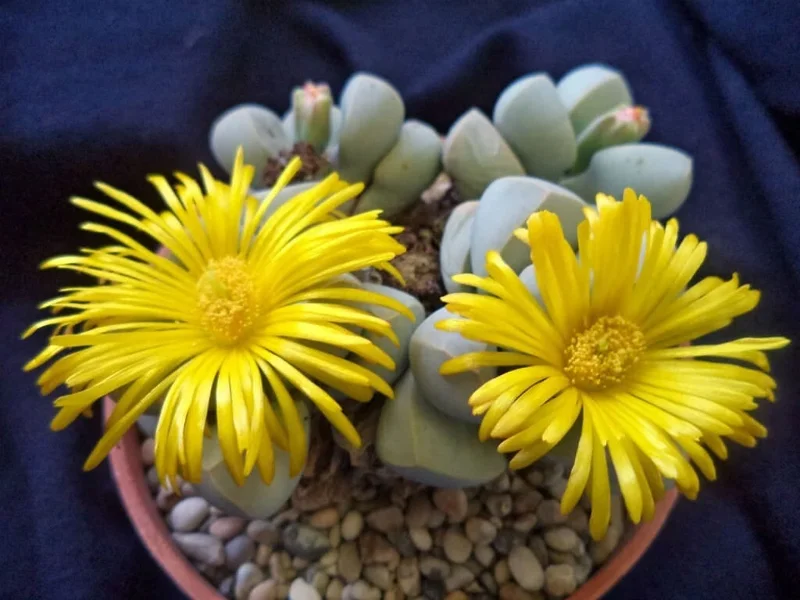
Growing these exquisite succulents from seed provides a deeper connection to their life cycle, from tiny seedling to a mature, stone-like plant. Lapidaria margaretae is renowned for its striking, geometric foliage and often vibrant, daisy-like flowers that emerge during their blooming season. With their compact size and unusual form, they are perfect for windowsills, rock gardens, or specialized succulent displays. The allure of these exotic cactus seeds lies in their captivating appearance and the challenge and satisfaction of nurturing them from the very beginning.
Key Benefits
Growing Lapidaria margaretae seeds offers a multitude of benefits, from aesthetic appeal to the sheer joy of nurturing a rare plant. These ‘living stones’ are not just plants; they are living sculptures that bring a unique element to any collection.
- Unique Aesthetic Appeal: The primary benefit is the plant’s extraordinary appearance. Its stone-like form and geometric leaves make it a conversation starter and a focal point in any plant collection. Each plant develops its own distinctive shape and color, adding to its individual charm.
- Low Maintenance: Once established, Lapidaria margaretae is surprisingly low-maintenance. It thrives on neglect, requiring minimal watering and feeding, making it an excellent choice for busy gardeners or those new to succulents.
- Drought Tolerant: Hailing from arid regions, these plants are exceptionally drought-tolerant. Their ability to store water in their fleshy leaves means they can withstand prolonged dry periods, reducing the need for frequent watering.
- Space-Saving: Due to their compact size, living stone seeds are perfect for small spaces, apartments, or office desks. They don’t require much room to grow, allowing you to cultivate a diverse collection even with limited space.
- Rewarding Growth Cycle: Watching these unique succulents emerge from Lithops seeds and develop their characteristic ‘stone’ appearance is incredibly rewarding. The journey from seed to mature plant is a fulfilling experience for any plant lover.
- Collector’s Item: Lapidaria margaretae is considered a rare and exotic succulent, making it a valuable addition for collectors seeking unusual and hard-to-find plant species.
- Indoor & Outdoor Versatility: While often grown indoors, these succulents can also thrive outdoors in appropriate climates, adding an intriguing element to rock gardens or xeriscaping designs.
Plant Care & Growing Tips
Successfully cultivating Lapidaria margaretae seeds requires attention to specific environmental conditions that mimic their natural desert habitat. Starting with fresh, high-quality seeds is crucial. Plant the seeds in a well-draining, gritty succulent mix, preferably a blend of pumice, perlite, and a small amount of organic material. Lightly cover the seeds with a thin layer of sand or fine grit. Maintain consistent moisture after sowing, but avoid waterlogging, which can lead to rot. A humidity dome or plastic wrap can help maintain humidity during germination.
These rare mesembs seeds thrive in bright, indirect light. Once germinated, the seedlings will need ample light to prevent etiolation (stretching). Gradually introduce them to more direct sunlight as they mature, but protect them from intense, scorching afternoon sun, especially in hot climates. Lapidaria margaretae prefers temperatures between 65-80°F (18-27°C) during its growing season and can tolerate cooler temperatures down to 40°F (4°C) during dormancy. Ensure good air circulation to prevent fungal issues. Watering should be done sparingly, allowing the soil to dry out completely between waterings. Overwatering is the most common cause of failure for these succulents. Fertilize very lightly, if at all, during the active growing season with a diluted, low-nitrogen succulent fertilizer.
As your living stone seeds mature, their watering needs will shift with their growth cycle. During active growth (typically late summer to early winter), water when the top inch of soil is dry. During dormancy (usually spring and early summer), reduce watering significantly, or stop altogether, especially if the plant is splitting or reabsorbing old leaves. The new leaves of Lapidaria margaretae form within the old ones, drawing moisture and nutrients. Do not water during this process, as it can disrupt the natural cycle and lead to rot. Consistent care and observation will help you understand the specific needs of your exotic cactus seeds as they grow into resilient, beautiful plants.
Size & Details
This offering includes 30 high-quality Lapidaria margaretae seeds, ready for germination. These seeds are sourced from vigorous parent plants, ensuring good genetic potential for healthy growth. Lapidaria margaretae plants are known for their compact size, typically growing to about 1-2 inches (2.5-5 cm) in height and width at maturity. Their slow growth rate and small stature make them ideal for miniature landscapes, terrariums, or small pots where their unique form can be appreciated up close. The plants will develop multiple heads over time, creating a clustered, stone-like appearance. Expect flowering during late summer to early winter, when bright yellow or white daisy-like flowers emerge.
The seeds should be planted in a small seed-starting tray or individual 2-4 inch pots. While germination can vary, with proper care, seedlings should begin to appear within a few weeks to a few months. The mature plants, derived from these living stone seeds, will develop thick, fleshy leaves and a robust taproot, allowing them to withstand dry conditions. They are delivered as fresh seeds, providing you with the opportunity to nurture these fascinating succulents from their earliest stage. With patience and proper cultivation, these Lithops seeds will transform into a stunning display of desert beauty.
Frequently Asked Questions
- Q: How many Lapidaria margaretae seeds are included? A: Each pack contains 30 high-quality Lapidaria margaretae seeds, providing ample opportunity for successful germination and growth.
- Q: Are these suitable for beginners? A: While growing living stone seeds requires specific conditions, with careful attention to light, watering, and soil, even beginners can achieve success. Detailed care instructions are essential.
- Q: What kind of soil do Lapidaria margaretae seeds need? A: These rare mesembs seeds require a very well-draining, gritty succulent mix. A blend heavy in inorganic materials like pumice, perlite, or coarse sand is ideal to prevent root rot.
- Q: How much sunlight do these plants need? A: Once germinated, Lapidaria margaretae plants thrive in bright, indirect light to partial sun. They need good light to maintain their compact form and prevent stretching.
- Q: How often should I water the mature plants? A: Water sparingly. Allow the soil to dry out completely between waterings, especially during their dormant period. Overwatering is detrimental to these exotic cactus seeds.
- Q: What size do Lapidaria margaretae plants reach? A: At maturity, these living stones typically grow to a compact size of 1-2 inches (2.5-5 cm) in height and width, making them perfect for small displays.
- Q: When is the best time to plant Lapidaria margaretae seeds? A: The optimal time to sow Lithops seeds and other mesembs is typically during late summer to early fall, mimicking their natural growing season.
- Q: Can these plants be grown indoors? A: Yes, Lapidaria margaretae is an excellent indoor plant, especially when provided with sufficient light. They do well on sunny windowsills or under grow lights.
- Q: Do these plants flower? A: Yes, mature Lapidaria margaretae plants produce beautiful, daisy-like flowers, usually yellow or white, during their blooming season in late summer to early winter.
- Q: What is the ideal temperature range for these succulents? A: They prefer a growing temperature between 65-80°F (18-27°C) and can tolerate cooler temperatures during dormancy, but should be protected from frost.
Related products
-50%
Original price was: $11.96.$5.98Current price is: $5.98.
-50%
From Original price was: $134.00.$67.00Current price is: $67.00.
-50%
Original price was: $26.76.$13.38Current price is: $13.38.
-50%
Original price was: $10.76.$5.38Current price is: $5.38.
-50%
Original price was: $14.76.$7.38Current price is: $7.38.
-50%

Original price was: $14.76.$7.38Current price is: $7.38.
PLANTING & CARE

Growing Glencoe Raspberry: A Complete Guide for Gardeners
If you’re looking to add something unique to your garden, look no further than the
31
Mar
Mar

The Comprehensive Guide to Growing Bay Leaf Plants for a Flavorful Garden
Imagine stepping into your garden, greeted by the earthy aroma of fresh bay leaves, their
09
Feb
Feb

How to Make Comfrey Tea: The Ultimate Organic Plant Food
Growing an organic garden can be surprisingly expensive, especially when most store-bought fertilizers come in
02
Feb
Feb

True Comfrey: 7 Essential Tips Before You Plant This Herb
A staple in permaculture practices across the US, True Comfrey easily earns its reputation as
27
Jan
Jan

7 Heart-Shaped Plants for a Lasting Valentine’s Gift
If you’ve ever bought a bouquet of roses for Valentine’s Day, you know they are
26
Jan
Jan

Best Types of Ivy Plant for Houses: How to Choose the Perfect Ones for Your Home
Are you a garden lover looking to introduce some greenery into your home? Maybe you’ve
14
Nov
Nov

When to Harvest Garlic (Especially Fall-Planted Garlic)
TIMING IS EVERYTHING, they say – and for garlic, that truth hits with surprising accuracy.
13
Nov
Nov

11 of the Best Sweet Potato Varieties to Grow for Your Garden
If you’ve ever tried growing sweet potatoes, you know that picking the right variety can
12
Nov
Nov