Large Medusa Air Plant – Live Tillandsia – Indoor Air Plant – Unique
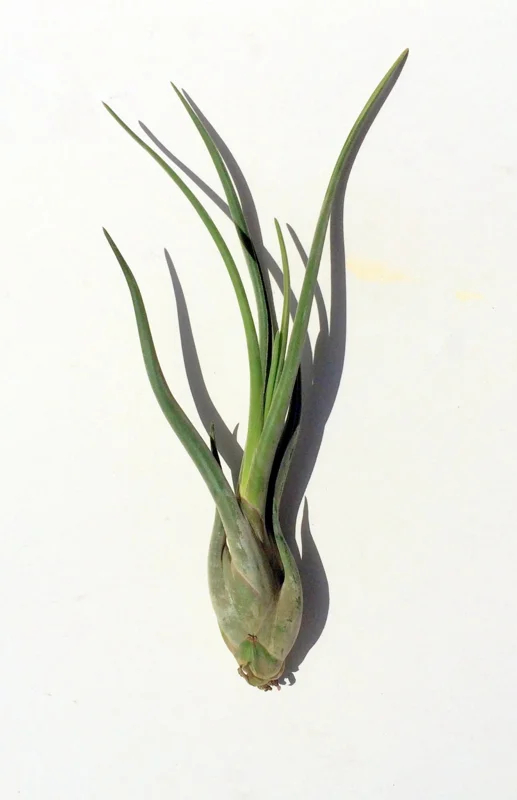


Large Medusa Air Plant – Live Tillandsia – Indoor Air Plant – Unique
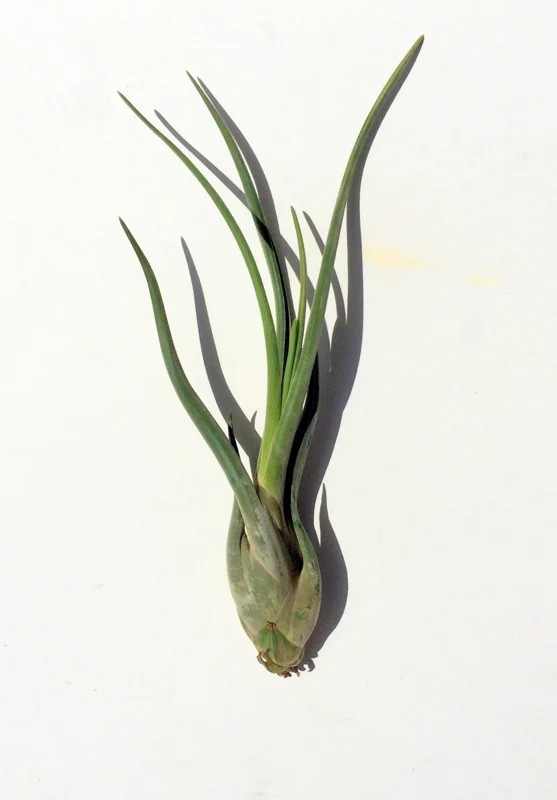
Bring a touch of botanical wonder into your home with the large medusa air plant. This captivating Tillandsia, also known as Tillandsia caput medusae, features striking, curling leaves that resemble mythical Medusa’s hair. It’s an ideal choice for adding unique texture and natural elegance to any indoor setting, offering an easy care houseplant solution for busy individuals.
- Unique, sculptural appearance
- Low maintenance and beginner-friendly
- Perfect for terrariums, displays, or standalone decor
$24.00

With our Alive & Thrive Guarantee, we’ve got your back for the first 30 days! If you have any concerns about your plants, just reach out to us. Our team is here to help answer your questions and guide you in selecting the best plants for your garden, climate, and unique preferences. We're excited to help you create the garden of your dreams!
Estimated arrival
Aug 21
Aug 26 - Aug 28
Aug 31 - Sep 04
Product Details
-
USDA Hardiness Zone
USDA zones 9-11 (outdoors in frost-free areas) -
Soil type
None (epiphytic) -
Sunlight Exposure
Bright indirect light -
Expected Planting Period
Year-round indoors
Overview
Introduce an extraordinary botanical specimen into your living space with the large medusa air plant. This stunning Tillandsia, scientifically known as Tillandsia caput medusae, is a true marvel of nature, captivating with its unique, tentacle-like leaves that elegantly curl and twist. Unlike traditional potted plants, air plants, or epiphytes, absorb water and nutrients directly from the air through specialized scales on their leaves, making them incredibly versatile for display without the need for soil. The ‘Medusa’ name perfectly describes its striking appearance, resembling the mythical Gorgon’s serpentine hair. This particular variety is chosen for its substantial size, offering a prominent and dramatic focal point that effortlessly enhances any room. Whether you’re a seasoned plant enthusiast or new to the world of greenery, the large medusa air plant offers an accessible and rewarding experience.
Each Tillandsia caput medusae is a living sculpture, showcasing individual characteristics that make every plant truly one-of-a-kind. Its intriguing form and relatively straightforward care requirements make it an excellent choice for adding a touch of exotic beauty to terrariums, display shelves, or as a standalone piece of natural art. Embrace the charm of this unique air plant and transform your indoor environment with its captivating presence.
Key Benefits
The large medusa air plant offers a multitude of benefits, making it an excellent addition to any home or office. Its distinctive appearance and low-maintenance nature contribute to a more vibrant and relaxing environment.
- Unique Aesthetic Appeal: The dramatic, curling leaves of the Tillandsia caput medusae create a striking visual impact, serving as a natural conversation starter and an artistic accent in any decor. Its sculptural form adds an element of living art to your space.
- Low Maintenance & Easy Care: As an easy care houseplant, the Medusa Air Plant requires minimal attention compared to traditional potted plants. It doesn’t need soil, making watering and placement incredibly simple and mess-free.
- Versatile Display Options: These air plants can be displayed in countless creative ways – nestled in decorative bowls, attached to driftwood, placed in geometric holders, or even suspended, offering endless possibilities for personal expression.
- Air Purifying Qualities: Like many plants, Tillandsias contribute to a healthier indoor environment by helping to filter air and produce oxygen, subtly improving the air quality around them.
- Compact & Space-Saving: Despite its ‘large’ designation for an air plant, its lack of roots in soil means it takes up very little space, making it perfect for small apartments, desks, or shelves where traditional plants might not fit.
- Pet-Friendly: Air plants are generally considered non-toxic to pets, making the large medusa air plant a safe choice for homes with curious cats or dogs.
- Drought Tolerant: Tillandsias are adapted to survive periods of dryness, meaning they are forgiving if you occasionally forget to water, making them a resilient unique air plant.
Plant Care & Growing Tips
Caring for your large medusa air plant is surprisingly simple, making it an ideal choice for both beginners and experienced plant enthusiasts seeking an easy care houseplant. The key to a thriving Tillandsia lies in understanding its specific needs for light, water, and air circulation. These plants flourish in bright, indirect light. Place your air plant near a window that receives filtered sunlight, or in a well-lit room away from direct, harsh sun which can scorch its leaves. A north or east-facing window is often ideal, or a few feet back from a south or west-facing window. Good air circulation is also crucial; avoid placing it in enclosed, stagnant spaces.
Watering is the most critical aspect of air plant care. The most common method is to soak your Tillandsia caput medusae in a bowl of room-temperature water for 20-30 minutes once a week. After soaking, gently shake off excess water and place it upside down on a towel to dry completely for several hours. This prevents water from sitting in the base of the plant, which can lead to rot. In drier climates or during warmer months, you may need to soak more frequently, perhaps twice a week. Misting can supplement humidity but should not replace regular soaking. Fertilize sparingly, once a month during growing seasons (spring and summer), using a specialized air plant fertilizer diluted to one-quarter strength.
The ideal temperature range for your unique air plant is between 50-90°F (10-32°C). They do not tolerate freezing temperatures. While they don’t need soil, ensuring they have good air flow helps prevent fungal issues. Common problems include dry, crispy leaf tips (underwatering) or mushy bases (overwatering/rot). With proper air plant care, your large medusa air plant will thrive and continue to be a captivating feature in your home. Remember that each plant is unique, and may vary slightly in shape, size, and color from images, but will always be a healthy, vibrant specimen.
Size & Details
The large medusa air plant typically measures approximately 4-6 inches in height and width, though as a natural product, sizes can vary based on individual growth patterns. Each Tillandsia caput medusae is a mature, healthy specimen ready to adorn your space. These epiphytic plants do not come with a pot, as they do not require soil for growth. They are slow to moderate growers, unfurling new leaves over time and occasionally producing offsets (pups) that can be separated and grown into new plants. Expect your unique air plant to maintain its stunning form and continue to grow with consistent air plant care. It ships as a single live plant, carefully packaged to ensure its safe arrival.
This air plant is perfect for creating dynamic displays in terrariums, on shelves, or as part of a wall-mounted art piece. Its robust nature makes it resilient, and with proper light and watering, it will remain a vibrant and interesting focal point for years to come. The plant may or may not be in bloom upon arrival, but its foliage alone provides ample beauty and character. The overall size and shape are influenced by natural growth, ensuring each plant is a distinct botanical treasure.
Frequently Asked Questions
- Q: How big does this large medusa air plant get? A: Our large medusa air plant typically ranges from 4 to 6 inches in both height and width. As living organisms, there’s natural variation, but all will be substantial and healthy specimens of Tillandsia caput medusae.
- Q: Is this an indoor or outdoor plant? A: The large medusa air plant is primarily an indoor plant in most climates, thriving in bright, indirect light. It can be placed outdoors in shaded areas during warm, humid weather but must be brought inside when temperatures drop below 50°F (10°C).
- Q: How much sunlight does it need? A: This unique air plant prefers bright, indirect sunlight. Avoid direct, harsh sun exposure, which can burn its leaves. Filtered light from a north or east-facing window is ideal for optimal air plant care.
- Q: Is this plant easy to care for? A: Yes, the large medusa air plant is considered an easy care houseplant. Its main requirements are regular soaking and good air circulation. It’s an excellent choice for beginners due to its forgiving nature.
- Q: What condition will it arrive in? A: Your Tillandsia caput medusae will arrive as a healthy, live plant, carefully packaged to ensure its protection during transit. We guarantee it will be a vibrant and happy plant upon arrival.
- Q: How often should I water my large medusa air plant? A: We recommend soaking your large medusa air plant in room-temperature water for 20-30 minutes once a week. In very dry environments, you might need to soak it twice a week. Always ensure it dries completely after watering to prevent rot.
- Q: Is the large medusa air plant pet-safe? A: Yes, Tillandsias, including the Tillandsia caput medusae, are generally considered non-toxic to pets, making them a safe choice for households with cats and dogs.
- Q: Does it need soil? A: No, air plants are epiphytes and do not require soil. They absorb moisture and nutrients through their leaves. This makes them incredibly versatile for creative display without the mess of potting soil.
- Q: How can I display my unique air plant? A: There are many creative ways to display your unique air plant! You can place it in decorative bowls, on pieces of driftwood or cork bark, in terrariums, or hanging from macrame holders.
- Q: What is the best temperature range for this air plant? A: The large medusa air plant thrives in temperatures between 50-90°F (10-32°C). It is sensitive to cold and should be protected from temperatures below 40°F (4°C).
Related products
-25%
Original price was: $30.00.$22.50Current price is: $22.50.
-39%
Original price was: $49.00.$29.99Current price is: $29.99.
PLANTING & CARE
How to Grow and Care Pequin Peppers
If you’re a chili enthusiast who loves a fiery kick in a small package, you
17
Aug
Aug
How to Grow Persian Silk Trees Easily in Your Garden
If you’re looking for a tree that brings a soft, tropical feel to your garden,
04
Aug
Aug
How to Grow Blue Java Banana Trees: A Beginner’s Guide
Have you ever heard of the Blue Java banana tree? If not, you’re in for
28
Jun
Jun
5 Common Blue Java Banana Tree Problems and How to Fix Them
Have you ever looked at your Blue Java banana tree (aka “ice cream banana”) and
19
Jun
Jun
Top 10 Plants for Father’s Day to Honor Dad This Father’s Day
Father’s Day is a special time to show your dad just how much he means
19
Jun
Jun
The Comprehensive Guide to Growing Bougainvillea for Colorful Blooms
Have you ever wanted your garden to be filled with brilliant color and tropical energy
19
Jun
Jun
How to Successfully Plant Bare Root Strawberries in Containers
Have you ever wondered about planting strawberries in containers, but aren’t sure where to begin?
11
Jun
Jun
Top 5 Easiest Ornamental Trees to Grow for Beginners
Ever feel overwhelmed by the idea of planting a tree in your yard? You’re not
11
Jun
Jun