Lemon Balm Live Plant – 6 Inch Pot – Fragrant Herb for Garden & Indoors
Lemon Balm Live Plant – 6 Inch Pot – Fragrant Herb for Garden & Indoors
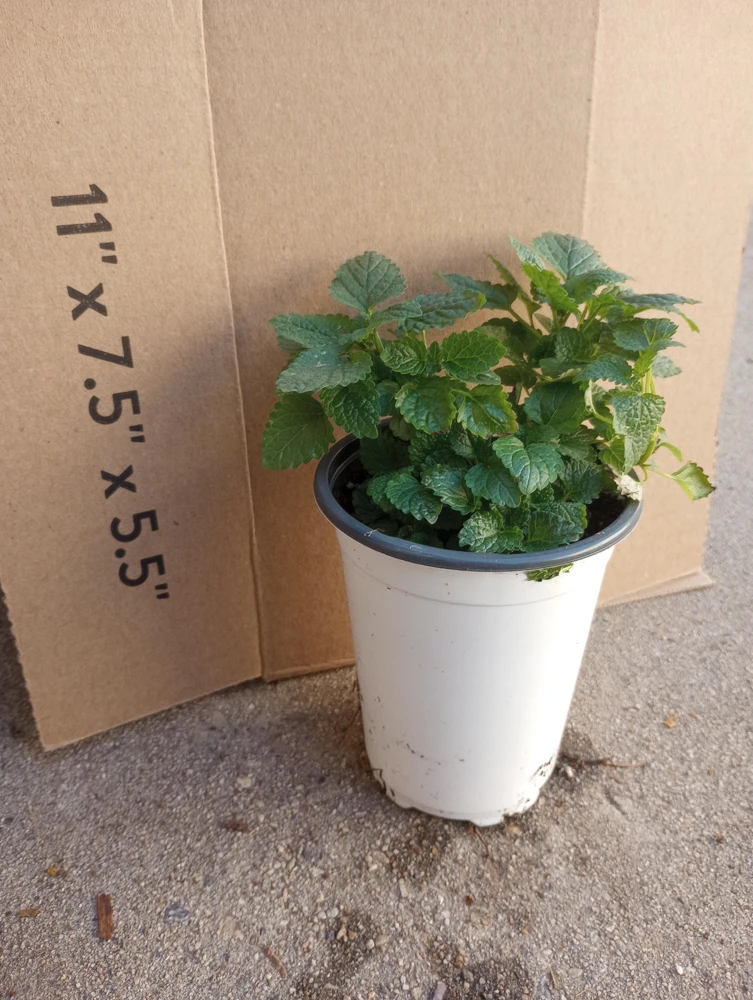
Bring home a beautiful lemon balm live plant in a 6-inch pot. This fragrant herb is ideal for culinary creations, refreshing teas, and as a natural insect repellent. Enjoy its calming aroma and easy-care nature, perfect for both garden and indoor spaces.
$27.98

With our Alive & Thrive Guarantee, we’ve got your back for the first 30 days! If you have any concerns about your plants, just reach out to us. Our team is here to help answer your questions and guide you in selecting the best plants for your garden, climate, and unique preferences. We're excited to help you create the garden of your dreams!
Estimated arrival
Oct 08
Oct 13 - Oct 15
Oct 18 - Oct 22
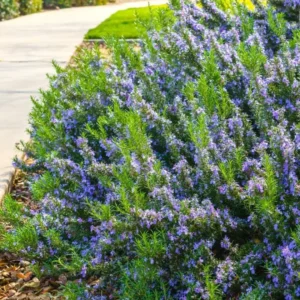
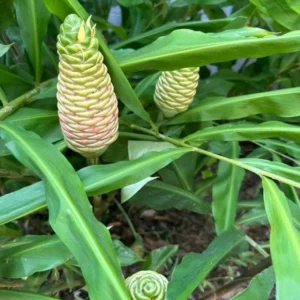
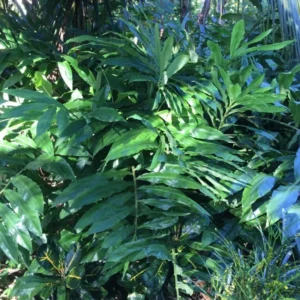
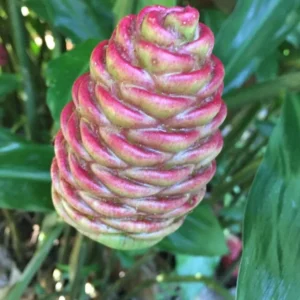
Product Details
-
USDA Hardiness Zone
USDA Zones 4-9 -
Soil type
Well-draining, loamy soil -
Sunlight Exposure
Full sun to partial shade -
Expected Planting Period
Year-round indoors; Spring to early summer outdoors
Overview
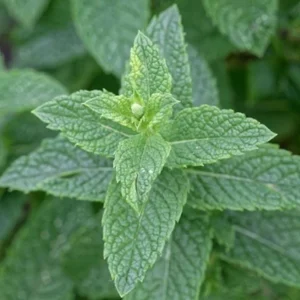
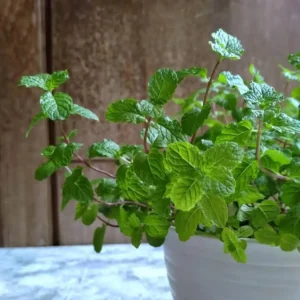
Cultivate tranquility and fresh flavor with our vibrant lemon balm live plant, presented in a convenient 6-inch high pot. Known botanically as Melissa officinalis, lemon balm is a cherished perennial herb renowned for its bright, lemony fragrance and a myriad of uses. This robust plant is an excellent addition to any herb garden, kitchen windowsill, or even as a cheerful ground cover. Its lush green foliage and delicate white flowers bring a touch of natural beauty and a refreshing scent wherever it grows. Whether you’re a seasoned gardener or just starting, this easy-to-grow herb promises to be a rewarding and versatile companion, offering both aesthetic appeal and practical benefits. Experience the joy of growing your own lemon balm and harness its delightful properties.
The lemon balm live plant is highly regarded for its vigorous growth and adaptability, thriving in various environments. It’s a fantastic choice for those looking to add a functional and aromatic plant to their collection. With its origins in Southern Europe and Central Asia, lemon balm has been cultivated for centuries, not only for its pleasant aroma but also for its traditional uses in herbal remedies and culinary applications. Our plants are carefully nurtured to ensure they arrive healthy and ready to flourish in your home or garden, providing you with a continuous supply of fresh, fragrant leaves.
Key Benefits
Our lemon balm live plant offers a wealth of advantages, making it a must-have for any plant enthusiast. From its delightful scent to its practical applications, this herb provides numerous benefits:
- Aromatic Delight: Emits a refreshing lemon scent that can uplift moods and naturally repel mosquitoes and other insects, making outdoor spaces more enjoyable.
- Culinary Versatility: Fresh leaves can be used to flavor teas, salads, desserts, and various savory dishes, adding a bright, citrusy note. It’s a key ingredient for many refreshing beverages.
- Traditional Herbal Uses: Historically valued for its calming properties, often used in herbal preparations to promote relaxation and aid sleep. Many people enjoy lemon balm uses for its soothing effects.
- Easy to Grow: A low-maintenance plant that tolerates a range of conditions, making it suitable for beginners and experienced gardeners alike. It’s known for its resilience and vigor.
- Attracts Pollinators: Its small white or pale pink flowers are attractive to bees, butterflies, and other beneficial pollinators, contributing to garden biodiversity.
- Compact Growth: Ideal for container gardening, allowing it to be grown indoors or on patios, so you can easily grow lemon balm indoors year-round.
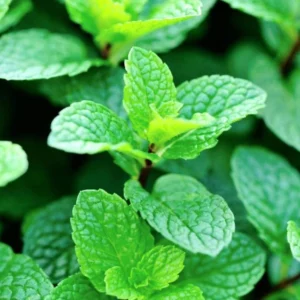
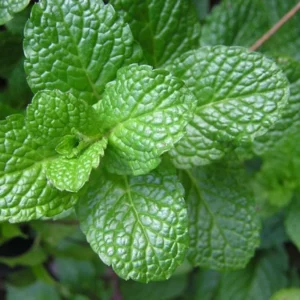
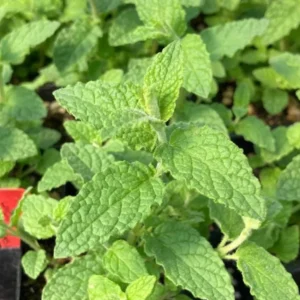
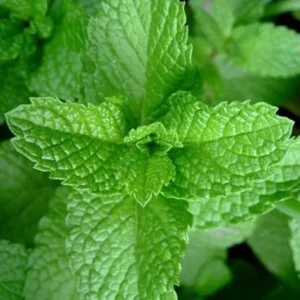
- Ornamental Value: The bright green, crinkled leaves add a lovely texture and color to garden beds, borders, or mixed herb containers.
Plant Care & Growing Tips
Caring for your lemon balm live plant is relatively straightforward, ensuring a rewarding growing experience. This hardy herb thrives with minimal fuss, making it a perfect choice for gardeners of all skill levels. For optimal growth, lemon balm prefers a location with full sun to partial shade. In hotter climates, some afternoon shade will prevent the leaves from scorching. Aim for at least 4-6 hours of direct sunlight daily if growing outdoors, or a bright, south-facing window if growing indoors. While it can tolerate various soil types, well-draining soil is crucial to prevent root rot. A rich, loamy soil with a neutral pH (6.0-7.0) is ideal. When potting, use a high-quality potting mix that offers good drainage.
Watering should be consistent, especially during dry spells. Keep the soil consistently moist but not waterlogged. Allow the top inch of soil to dry out slightly between waterings. Overwatering is a common mistake, so ensure your pot has adequate drainage holes. Fertilize sparingly; lemon balm is not a heavy feeder. A balanced liquid fertilizer diluted to half strength once a month during the growing season (spring and summer) is usually sufficient. Pruning is essential for maintaining a bushy shape and encouraging new growth. Pinch off the top leaves regularly for culinary use, and cut back the plant by about one-third after flowering to prevent it from becoming leggy and to encourage a second flush of growth. This also helps to prevent excessive self-seeding, which lemon balm is known for.
Lemon balm is generally pest-resistant, but keep an eye out for common garden pests like aphids or spider mites, especially if growing indoors. Treat any infestations promptly with insecticidal soap. This plant is quite cold hardy, typically thriving in USDA Zones 4-9. In colder regions, it may die back to the ground in winter but will usually re-emerge in spring. Those looking to grow lemon balm indoors can enjoy its fresh leaves year-round by providing adequate light and a consistent environment. Understanding lemon balm plant care ensures a healthy and productive herb for years to come.
Size & Details
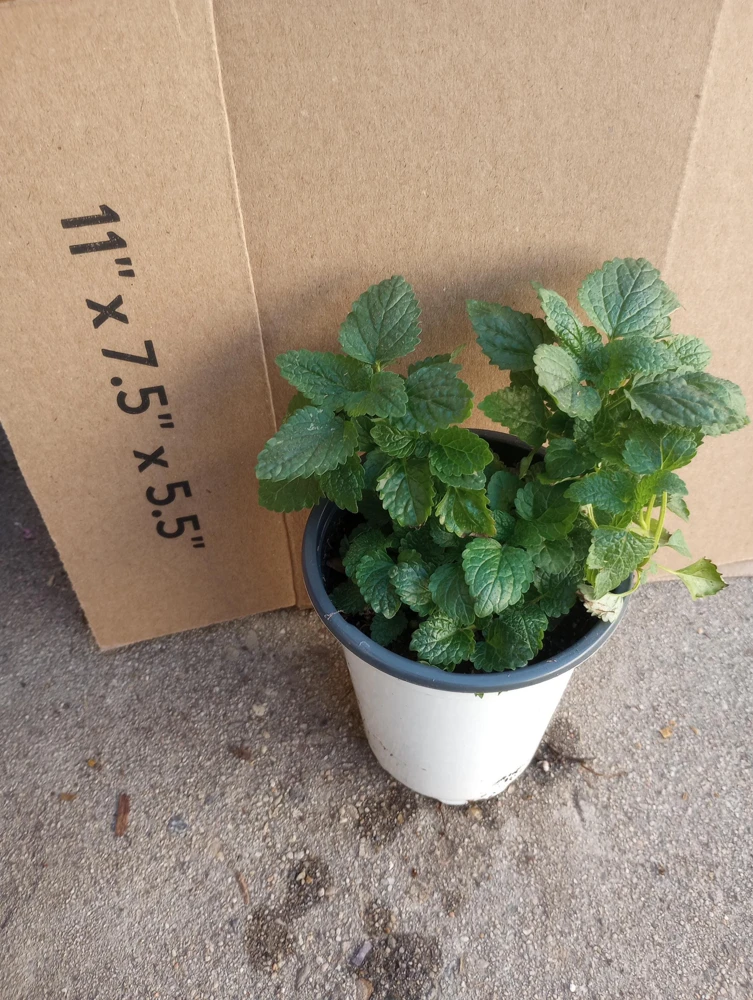
This offering includes one healthy lemon balm live plant, meticulously grown and delivered in a 6-inch high nursery pot. At the time of shipment, the plant typically stands approximately 6-10 inches tall from the base of the pot, with a spread of about 6-8 inches, depending on recent growth and pruning. Lemon balm is a fast-growing perennial herb that can reach a mature height of 18-24 inches and a similar spread when planted in the ground or a larger container. It develops a bushy, rounded form with ovate, crinkled green leaves. The plant will arrive well-rooted and ready for transplanting into your garden or a decorative container. Expect continuous growth and a bountiful harvest of fragrant leaves throughout the growing season. The plant’s vigorous nature means it will quickly establish itself and begin to produce new foliage.
Frequently Asked Questions
- Q: How big does this plant get? A: Your lemon balm live plant will arrive in a 6-inch pot, typically standing 6-10 inches tall. When mature, it can reach 18-24 inches in height and spread, especially if planted in the ground.
- Q: What size pot does it come in? A: This plant is delivered in a standard 6-inch diameter nursery pot, providing a good foundation for its initial growth and allowing for easy transplanting.
- Q: Is this an indoor or outdoor plant? A: Lemon balm can thrive both indoors and outdoors. It’s a versatile herb that enjoys sunlight, making it suitable for garden beds, containers on a patio, or a bright indoor windowsill. Many find it easy to grow lemon balm indoors.
- Q: How much sunlight does it need? A: For best results, lemon balm live plant prefers full sun to partial shade, meaning at least 4-6 hours of direct sunlight per day. In very hot climates, partial afternoon shade is beneficial.
- Q: Is this plant easy to care for? A: Yes, lemon balm is considered a very easy-to-care-for plant. It’s forgiving and resilient, making it an excellent choice for beginners or those seeking a low-maintenance herb. Following basic lemon balm plant care guidelines will ensure success.
- Q: What condition will it arrive in? A: Your lemon balm plant will be carefully packaged and shipped healthy, well-rooted, and ready to thrive. We take precautions to ensure it arrives in excellent condition, though some minor leaf disturbance may occur during transit.
- Q: Can I use lemon balm in cooking? A: Absolutely! The leaves of the lemon balm live plant are wonderfully fragrant and can be used to flavor teas, salads, desserts, and various savory dishes. Explore the many lemon balm uses in your kitchen.
- Q: Is it pet-safe? A: Lemon balm is generally considered non-toxic to cats and dogs. However, as with any plant, excessive consumption might lead to mild digestive upset. It’s always best to monitor your pets.
- Q: How long until it blooms? A: Lemon balm typically blooms in the summer months, usually from June to August, producing small, inconspicuous white or pale pink flowers that attract pollinators.
- Q: When is the best time to plant? A: You can plant your lemon balm live plant outdoors in spring after the last frost or any time indoors. Its hardy nature allows for flexibility in planting schedules.
- Q: Will it survive winter in my zone? A: Lemon balm is perennial in USDA Zones 4-9. In colder zones, it will die back to the ground but typically re-emerges in spring. For zones colder than 4, it’s best to bring it indoors or treat it as an annual.
- Q: What is Melissa officinalis plant? A: Melissa officinalis is the botanical name for lemon balm, the fragrant herb known for its lemony scent and various culinary and traditional applications. This is the exact species of your mellisa officinalis plant.
Related products
-58%
Original price was: $39.99.$16.99Current price is: $16.99.
-50%
Original price was: $107.96.$53.98Current price is: $53.98.
-20%
Original price was: $35.00.$28.00Current price is: $28.00.
-30%
Original price was: $59.98.$41.98Current price is: $41.98.
-37%
Original price was: $15.96.$9.98Current price is: $9.98.
-50%
Original price was: $53.98.$26.99Current price is: $26.99.
-49%
Original price was: $60.99.$30.99Current price is: $30.99.
-50%
Original price was: $59.96.$29.98Current price is: $29.98.
PLANTING & CARE
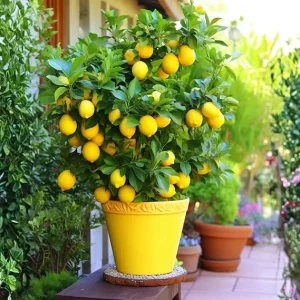
Lemon Tree Growing: Choose, Plant, and Harvest
Learn how to choose, plant, feed, and protect a lemon tree so it fits your
23
Sep
Sep
Dwarf Meyer Lemon Tree Australia: Climate Guide
Learn where dwarf Meyer lemon trees grow, how much cold they tolerate, and whether Australia,
Where to Buy a Dwarf Meyer Lemon Tree: Buyer’s Guide
Find the right dwarf Meyer lemon tree online or locally, compare starter sizes and costs,
Dwarf Meyer Lemon Tree for Sale: Buying Guide
Compare Meyer lemon tree sizes, prices, shipping limits, indoor growing and California options before you
Dwarf Meyer Lemon Tree Guide: Size, Care and Fruit
META: Learn how large a dwarf Meyer lemon tree grows, where it thrives, and how
How to Prune a Dwarf Meyer Lemon Tree
Learn when and how to prune a dwarf Meyer lemon tree, including tools, shaping cuts,
Can You Grow a Dwarf Meyer Lemon Tree in a Pot?
META: Learn how to grow a dwarf Meyer lemon tree in a pot, including container
When Do Dwarf Meyer Lemon Trees Bloom and Fruit?
META: Dwarf Meyer lemon trees usually bloom from winter through spring and may flower again