Lemon Balm Live Plant – Melissa Officinalis Herb, Well-rooted Plug, Herb Garden
-50%
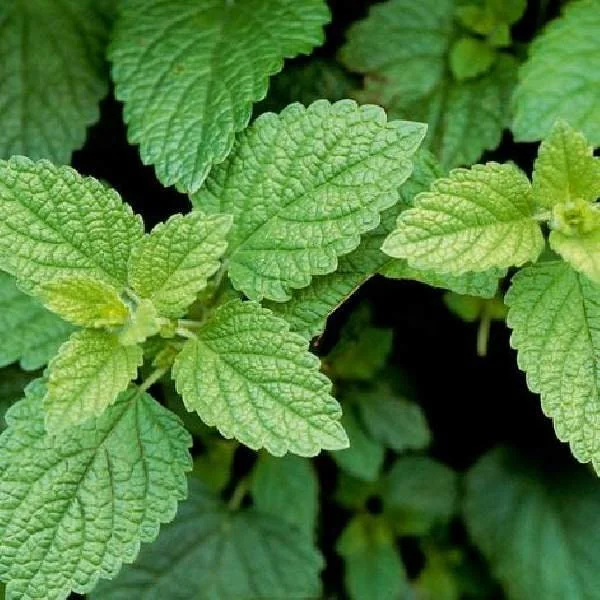
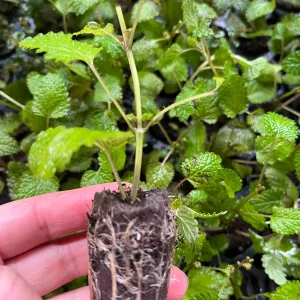
Lemon Balm Live Plant – Melissa Officinalis Herb, Well-rooted Plug, Herb Garden
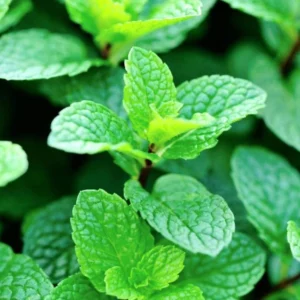
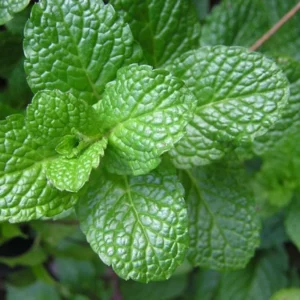
Cultivate your own fragrant and versatile lemon balm live plant (Melissa Officinalis). This well-rooted plug is perfect for herb gardens, culinary uses, and attracts pollinators. Enjoy its fresh scent and soothing properties.
Original price was: $27.96.$13.98Current price is: $13.98.

With our Alive & Thrive Guarantee, we’ve got your back for the first 30 days! If you have any concerns about your plants, just reach out to us. Our team is here to help answer your questions and guide you in selecting the best plants for your garden, climate, and unique preferences. We're excited to help you create the garden of your dreams!
Estimated arrival
Apr 13
Apr 18 - Apr 20
Apr 23 - Apr 27
Product Details
-
USDA Hardiness Zone
USDA zones 4-9 -
Soil type
Well-draining soil -
Sunlight Exposure
Full sun to partial shade -
Expected Planting Period
Spring to early summer outdoors, year-round indoors
Overview
Bring the refreshing scent and versatile uses of a lemon balm live plant into your garden or home. Also known by its botanical name, Melissa Officinalis, this perennial herb is a cherished member of the mint family, native to southern Europe and widely naturalized across North America. Lemon Balm is celebrated not only for its strong, fresh, lemon-like fragrance but also for its numerous culinary and soothing applications. Growing typically between 10 to 24 inches tall, this adaptable plant thrives in a variety of settings, making it an excellent choice for both experienced gardeners and beginners alike. Its ease of care and abundant growth ensure a continuous supply of fresh leaves for teas, cooking, and aromatherapy. This well-rooted plug provides a healthy start for your new herb, ready to flourish in its new environment.
Whether you’re looking to enhance your culinary creations, create a calming herbal tea, or simply enjoy a beautiful and aromatic plant, the lemon balm live plant is an outstanding choice. It’s an attractive addition to any garden, drawing beneficial pollinators like honeybees, and can also be grown in containers on patios or windowsills. Embrace the natural goodness and beauty that this remarkable herb offers.
Key Benefits
The lemon balm live plant offers a multitude of benefits, from its aromatic leaves to its versatile applications in the home and garden. Its ease of cultivation makes it a rewarding plant for any enthusiast.
- Aromatic & Culinary Delight: Enjoy the distinct lemon-mint fragrance and flavor. The leaves are perfect for flavoring ice cream, making pesto, adding to salads, and garnishing various dishes like chicken, pork, and egg recipes.
- Soothing Herbal Tea: Prepare a calming tea from fresh or dried leaves. Melissa Officinalis herb is traditionally used for its soothing properties, often recommended to help alleviate feelings of anxiety and promote relaxation.
- Attracts Pollinators: This plant is a magnet for honeybees, making it an excellent choice for supporting local ecosystems and enhancing pollination in your garden.
- Medicinal & Homeopathic Uses: Beyond its use as a soothing tea for anxiety, lemon balm is also recognized for potential anti-viral and antihistamine properties in homeopathic applications.
- Versatile Garden Use: Plant it in herb gardens, along borders, or even use it as a fragrant ground cover. Its adaptability allows it to thrive in various garden designs and conditions.
- Easy to Grow Perennial: As a hardy perennial, it returns year after year with minimal effort, providing a continuous harvest of fresh leaves throughout the growing season.
- Attractive Foliage & Flowers: Its lush green foliage and small white, pale yellow, or pink flowers that bloom from June to August add a subtle beauty to any planting.
Plant Care & Growing Tips
Caring for your lemon balm live plant is straightforward, making it an excellent choice for gardeners of all skill levels. This resilient herb, also known as melissa officinalis herb, prefers conditions similar to many mints, ensuring a vigorous and healthy plant with proper attention. To ensure a thriving plant, start by selecting the right location.
Sunlight: Lemon balm thrives in full sun to partial shade. In hotter climates, partial shade during the intense afternoon hours can prevent leaf scorch. Aim for at least 6 hours of direct sunlight for optimal growth and fragrance. Growing lemon balm indoors requires a bright spot, preferably near a south-facing window or under grow lights.
Watering & Soil: This herb prefers average, well-drained soil. While it tolerates a range of soil types, consistently moist but not waterlogged conditions are ideal. Water regularly, especially during dry spells, allowing the top inch of soil to dry out slightly between waterings. Overwatering can lead to root rot. Good drainage is crucial for preventing common problems. For container planting, use a high-quality potting mix that drains well.
Temperature & Hardiness: Lemon balm is a hardy perennial, generally suited for USDA zones 4-9. It can withstand cooler temperatures, which can help keep plants short and bushy. While tolerant of a wide range, protect young plants from extreme frost. Pinching the plant 5-10 days after transplanting encourages bushier growth and prevents it from becoming leggy. Fertilize sparingly; a balanced liquid feed once a month during the growing season is usually sufficient.
Size & Details
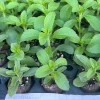
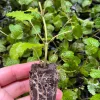
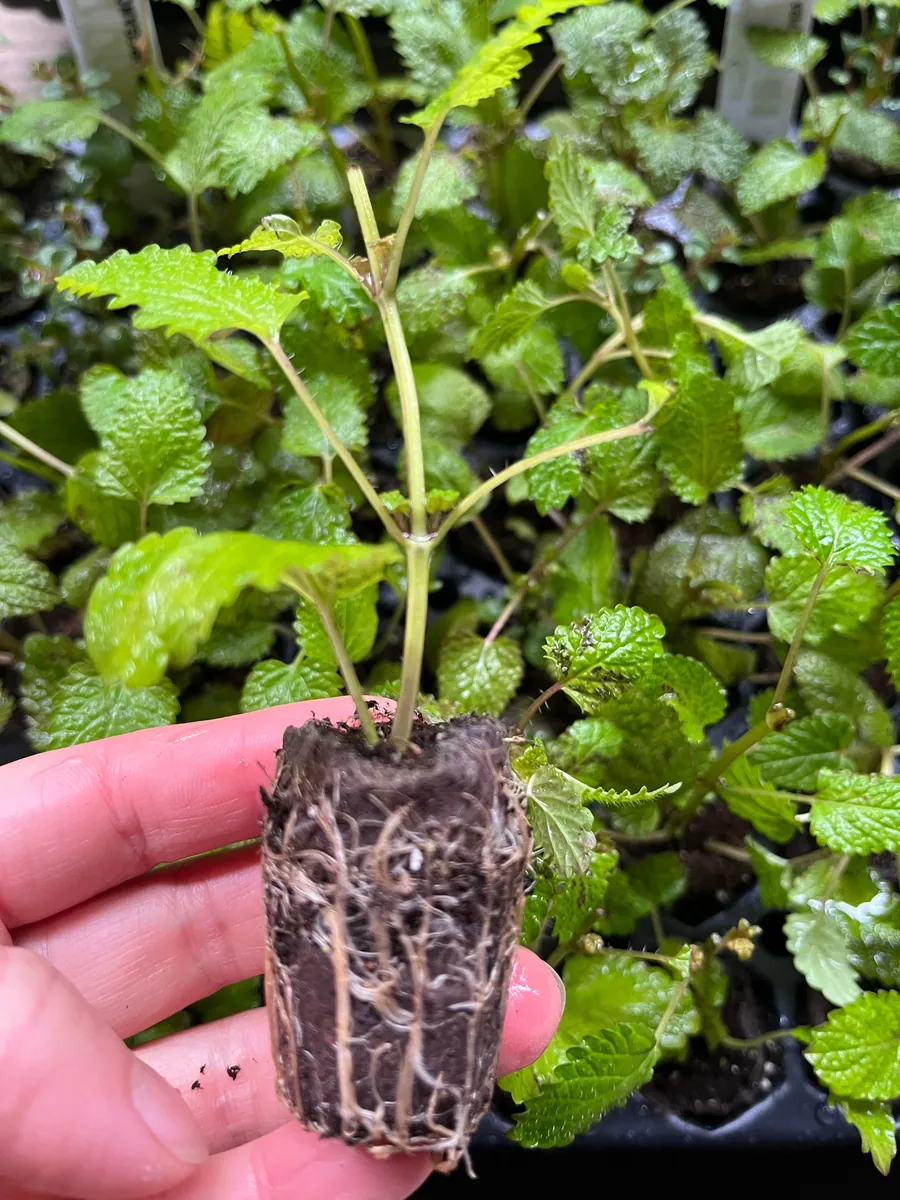
This lemon balm live plant is supplied as a well-rooted plug, ready for transplanting into your garden or a larger container. Each seedling comes in a small plug-size container, typically measuring 1 inch by 1 inch by 1 1/4 inches. Plant sizes may naturally vary, reflecting the unique growth patterns of naturally grown plants. Upon maturity, the melissa officinalis herb typically reaches a height of 10-24 inches and can spread equally wide, forming a lovely bushy clump. Its growth rate is moderate to fast, allowing for harvests throughout the growing season. The plant will produce small white, pale yellow, or pink flowers between June and August, adding to its charm and attracting beneficial insects. When considering lemon balm uses, remember its vigorous growth may require some management to prevent it from spreading too aggressively in garden beds.
Frequently Asked Questions
- Q: How big does this plant get? A: The lemon balm live plant typically grows to a height of 10-24 inches and can spread similarly wide, forming a bushy, attractive plant. Its size can be managed with regular harvesting and pinching.
- Q: What size pot does it come in? A: Each seedling is provided as a well-rooted plug, measuring approximately 1 inch by 1 inch by 1 1/4 inches, ready for you to transplant into a larger pot or your garden.
- Q: Is this an indoor or outdoor plant? A: Lemon balm can be grown both indoors and outdoors. Outdoors, it thrives in full sun to partial shade. Indoors, place it in a bright location with plenty of light, such as a south-facing window.
- Q: How much sunlight does it need? A: For optimal growth and fragrance, the lemon balm live plant requires at least 6 hours of direct sunlight daily. It can tolerate partial shade, especially in hotter climates.
- Q: Is this plant easy to care for? A: Yes, lemon balm is generally considered an easy-to-care-for herb, making it suitable for beginner gardeners. It’s a resilient perennial that requires well-drained soil and consistent watering.
- Q: Can I use lemon balm in cooking? A: Absolutely! Lemon balm uses are extensive in the culinary world. Its leaves add a fresh, lemony flavor to teas, salads, ice cream, pesto, and can garnish various meat and egg dishes.
- Q: Is it pet-safe? A: While generally considered non-toxic to pets, it’s always best to monitor pets around new plants and consult a vet if you have concerns about a specific animal or ingestion.
- Q: When is the best time to plant? A: You can plant the lemon balm live plant plugs in spring after the last frost or in early summer. For indoor cultivation, it can be planted year-round.
- Q: Will it survive winter in my zone? A: Lemon balm is a hardy perennial typically suitable for USDA zones 4-9, meaning it can survive winter in many regions and return in the spring.
- Q: What are the main benefits of growing lemon balm? A: Beyond its culinary applications, the melissa officinalis herb is valued for its soothing properties in teas, its ability to attract beneficial pollinators like honeybees, and its pleasant, refreshing fragrance.
Related products
-50%
Original price was: $47.96.$23.98Current price is: $23.98.
-50%
Original price was: $107.96.$53.98Current price is: $53.98.
-48%
Original price was: $39.99.$20.99Current price is: $20.99.
-10%
Original price was: $23.99.$21.59Current price is: $21.59.
-67%
From Original price was: $35.22.$11.74Current price is: $11.74.
-20%
From Original price was: $22.00.$17.60Current price is: $17.60.
-50%
Original price was: $15.96.$7.98Current price is: $7.98.
-50%
Original price was: $59.96.$29.98Current price is: $29.98.
PLANTING & CARE
Growing Glencoe Raspberry: A Complete Guide for Gardeners
If you’re looking to add something unique to your garden, look no further than the
31
Mar
Mar

The Comprehensive Guide to Growing Bay Leaf Plants for a Flavorful Garden
Imagine stepping into your garden, greeted by the earthy aroma of fresh bay leaves, their
09
Feb
Feb

How to Make Comfrey Tea: The Ultimate Organic Plant Food
Growing an organic garden can be surprisingly expensive, especially when most store-bought fertilizers come in
02
Feb
Feb

True Comfrey: 7 Essential Tips Before You Plant This Herb
A staple in permaculture practices across the US, True Comfrey easily earns its reputation as
27
Jan
Jan

7 Heart-Shaped Plants for a Lasting Valentine’s Gift
If you’ve ever bought a bouquet of roses for Valentine’s Day, you know they are
26
Jan
Jan

Best Types of Ivy Plant for Houses: How to Choose the Perfect Ones for Your Home
Are you a garden lover looking to introduce some greenery into your home? Maybe you’ve
14
Nov
Nov

When to Harvest Garlic (Especially Fall-Planted Garlic)
TIMING IS EVERYTHING, they say – and for garlic, that truth hits with surprising accuracy.
13
Nov
Nov

11 of the Best Sweet Potato Varieties to Grow for Your Garden
If you’ve ever tried growing sweet potatoes, you know that picking the right variety can
12
Nov
Nov