Lemon Grass Live Plant – 6 Inch Pot – Aromatic Indoor/Outdoor Herb
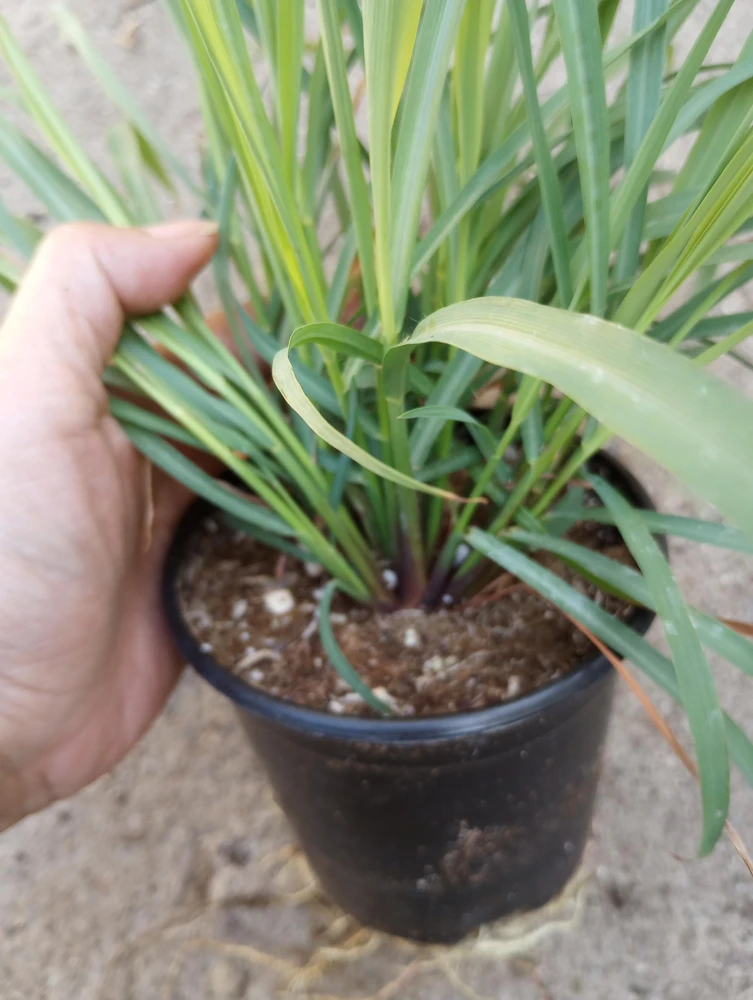
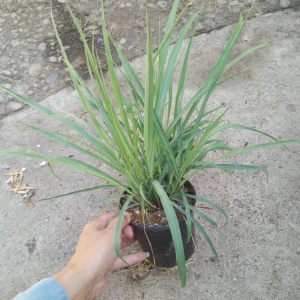
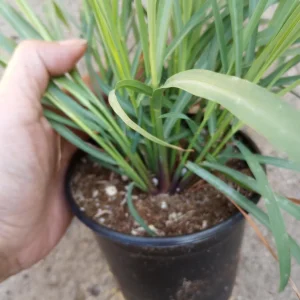
Lemon Grass Live Plant – 6 Inch Pot – Aromatic Indoor/Outdoor Herb
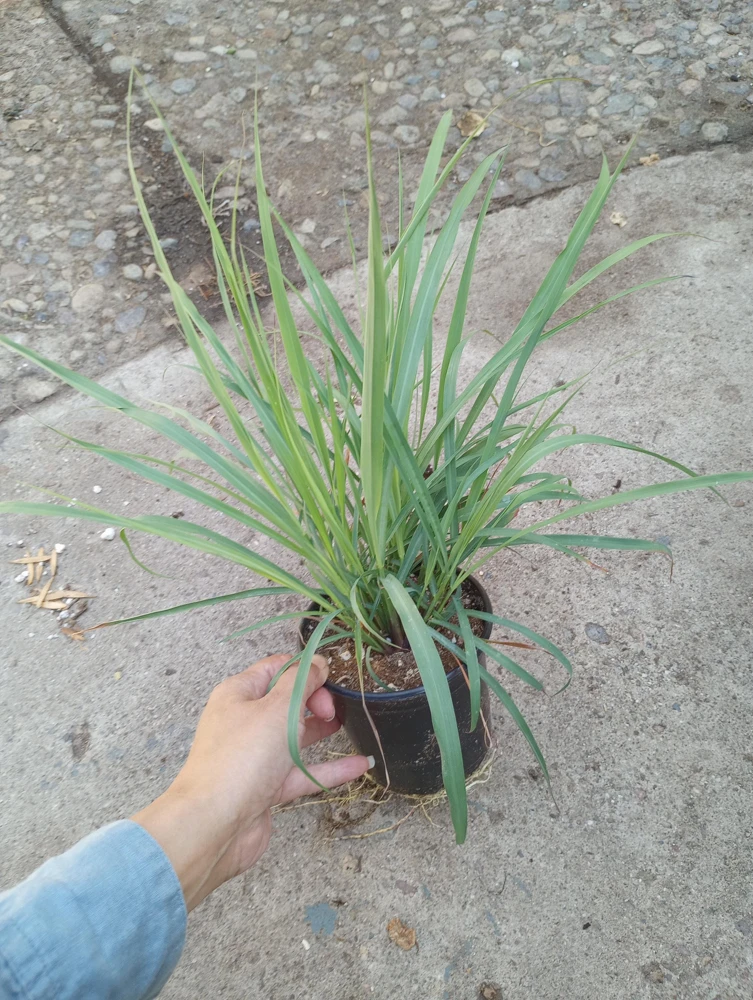
Bring the vibrant flavor of lemon grass live plant to your home! This aromatic herb, cymbopogon citratus plant, comes in a convenient 6-inch pot, ready for culinary use or as an attractive addition to your garden. Enjoy fresh, zesty flavor in your cooking and teas.
$25.98

With our Alive & Thrive Guarantee, we’ve got your back for the first 30 days! If you have any concerns about your plants, just reach out to us. Our team is here to help answer your questions and guide you in selecting the best plants for your garden, climate, and unique preferences. We're excited to help you create the garden of your dreams!
Estimated arrival
Oct 07
Oct 12 - Oct 14
Oct 17 - Oct 21
Product Details
-
USDA Hardiness Zone
USDA Zones 9-11 (or grown as annual/indoors elsewhere) -
Soil type
Rich, well-draining potting mix -
Sunlight Exposure
Full sun (6-8+ hours direct light) -
Expected Planting Period
Spring to early summer (outdoors), Year-round (indoors)
Overview
Cultivate the fresh, citrusy essence of the tropics right in your own home or garden with our vibrant lemon grass live plant. This aromatic herb, scientifically known as Cymbopogon citratus, is a staple in Southeast Asian cuisine, renowned for its distinctive lemony flavor and fragrance. Our lemon grass live plant comes robustly rooted in a 6-inch pot, providing an excellent head start for both novice and experienced gardeners. Whether you’re looking to enhance your culinary creations or simply enjoy its refreshing scent, this plant is a fantastic choice. It’s a versatile herb that thrives in warm climates and can be grown as an annual in cooler regions or brought indoors during winter.
The cymbopogon citratus plant is not just a culinary delight; it’s also a beautiful ornamental grass that can add texture and interest to your plant collection. Its long, slender, green blades sway gracefully, making it an attractive addition to patios, herb gardens, or sunny windowsills. This particular offering is a healthy, established plant, ensuring you receive a premium specimen ready to flourish. Enjoy the satisfaction of harvesting your own fresh lemon grass for teas, soups, curries, and more, all from a plant that’s surprisingly easy to care for.
Key Benefits
Discover the many advantages of incorporating a lemon grass live plant into your home or garden:
- Culinary Versatility: Fresh lemon grass is indispensable in many dishes, including Thai curries, Vietnamese pho, and various stir-fries. Its unique citrusy, ginger-like flavor adds depth and brightness that dried alternatives simply cannot replicate.
- Aromatic Appeal: The plant releases a delightful, refreshing lemon scent, which can naturally deter certain pests and create a pleasant atmosphere in your living space or garden.
- Easy to Grow: Lemon grass is a remarkably resilient and low-maintenance herb, making it suitable for gardeners of all experience levels. It adapts well to various conditions, provided it receives adequate sunlight and water.
- Health Benefits: Traditionally, lemon grass has been used in herbal medicine for its purported digestive, anti-inflammatory, and antioxidant properties. Enjoying lemon grass tea is a popular way to harness these potential benefits.
- Natural Insect Repellent: The natural oils in the cymbopogon citratus plant, particularly citronella, are known to help repel mosquitoes and other insects, making it a functional and beautiful addition to outdoor areas.
- Sustainable Source: By growing lemon grass yourself, you ensure a fresh, organic supply of this herb, reducing reliance on store-bought options that might be pre-cut or treated.
- Attractive Foliage: Beyond its practical uses, the architectural form and vibrant green blades of the plant make it an attractive decorative element for any garden or sunny indoor spot.
Plant Care & Growing Tips
Proper lemon grass care is straightforward, ensuring a bountiful harvest. This tropical grass thrives in warm, sunny conditions. It requires at least 6-8 hours of direct sunlight per day, so choose a location in your garden that receives full sun, or a bright south-facing window indoors. In cooler climates, it’s best to grow lemon grass in a container so it can be brought indoors before the first frost. This plant is not frost-tolerant and will die back in cold temperatures.
Watering is crucial for a healthy lemon grass live plant. Keep the soil consistently moist but not waterlogged. Allow the top inch of soil to dry out slightly between waterings, especially when grown in pots. Good drainage is essential to prevent root rot. For soil, a rich, well-draining potting mix is ideal. Amending garden soil with compost or other organic matter will provide the necessary nutrients and improve drainage. Fertilize every 2-4 weeks during the growing season (spring and summer) with a balanced liquid fertilizer to encourage lush growth.
While generally robust, monitor your cymbopogon citratus plant for common pests like spider mites or aphids, especially when grown indoors. A strong spray of water or an insecticidal soap can typically manage these issues. Harvesting is simple: cut the outer stalks at ground level as needed, ensuring you leave the inner stalks to continue growing. This encourages the plant to produce more shoots. Regular harvesting also helps maintain the plant’s vigor and prevents it from becoming too woody. Learning how to best care for your plant will guarantee a continuous supply of this fragrant herb.
Size & Details
This offering is for one healthy lemon grass live plant, established and growing vigorously in a 6-inch nursery pot. The plant typically arrives with multiple stalks, ranging in height from 10 to 18 inches, depending on growing conditions and time of year. Lemon grass is a fast-growing perennial grass in warm climates (USDA Zones 9-11), forming dense clumps that can reach up to 3-5 feet tall and 2-3 feet wide when mature. When grown in containers, its size is more manageable, usually staying within 2-3 feet tall. You will receive a well-rooted plant, ready to be transplanted into a larger container or directly into your garden if your climate permits.
The plant is shipped securely to minimize stress during transit, ensuring it arrives in excellent condition. Expect the plant to establish quickly in its new environment, with new growth appearing within a few weeks with proper lemon grass care. This plant offers a continuous supply of fresh lemon grass throughout the growing season, providing both ornamental beauty and culinary utility. It’s an excellent choice for anyone interested in growing lemon grass for personal use.
Frequently Asked Questions
- Q: How big does this plant get? A: In optimal outdoor conditions (USDA Zones 9-11), a lemon grass live plant can reach 3-5 feet tall and 2-3 feet wide. When grown in a 6-inch pot and maintained indoors, it typically stays smaller, around 1-3 feet tall, depending on the pot size and pruning.
- Q: Is this an indoor or outdoor plant? A: Lemon grass thrives outdoors in warm, frost-free climates. In regions with cold winters, it’s best to grow it in a container so it can be moved indoors before temperatures drop, making it a versatile indoor/outdoor plant.
- Q: How much sunlight does it need? A: This plant requires at least 6-8 hours of direct sunlight per day to grow vigorously. Place it in a sunny spot in your garden or a bright, south-facing window indoors.
- Q: Is this plant easy to care for? A: Yes, lemon grass care is relatively easy. It’s a robust plant that tolerates a range of conditions, primarily needing plenty of sunlight, consistent moisture, and protection from frost. It’s an excellent choice for beginners.
- Q: Can I use lemon grass in cooking? A: Absolutely! This cymbopogon citratus plant is primarily grown for its culinary uses. The lower white and pale green parts of the stalks are used to flavor soups, curries, teas, and various Asian dishes.
- Q: What condition will it arrive in? A: Your lemon grass live plant will arrive well-packaged and healthy, typically in its 6-inch nursery pot. We take great care in shipping to ensure minimal stress during transit.
- Q: When is the best time to plant lemon grass? A: The best time to plant lemon grass outdoors is in spring after all danger of frost has passed. If growing lemon grass indoors, it can be planted any time of year.
- Q: What type of soil does it prefer? A: Lemon grass prefers rich, well-draining soil. A good quality potting mix with added compost or organic matter is ideal for container growing.
- Q: Is it pet-safe? A: While generally considered non-toxic to pets in small amounts, large quantities can cause digestive upset. It’s always best to monitor pets around plants.
- Q: How often should I water my lemon grass? A: Keep the soil consistently moist but not waterlogged. Water when the top inch of soil feels dry to the touch, which may be daily in hot weather or less frequently indoors.
Related products
-30%
Original price was: $67.98.$47.58Current price is: $47.58.
-58%
Original price was: $39.99.$16.99Current price is: $16.99.
-48%
Original price was: $39.99.$20.99Current price is: $20.99.
-30%
Original price was: $59.98.$41.98Current price is: $41.98.
-20%
Original price was: $35.00.$28.00Current price is: $28.00.
-67%
From Original price was: $35.22.$11.74Current price is: $11.74.
-50%
Original price was: $27.96.$13.98Current price is: $13.98.
-67%
Original price was: $39.72.$13.24Current price is: $13.24.
PLANTING & CARE
Lemon Tree Growing: Choose, Plant, and Harvest
Learn how to choose, plant, feed, and protect a lemon tree so it fits your
23
Sep
Sep
Dwarf Meyer Lemon Tree Australia: Climate Guide
Learn where dwarf Meyer lemon trees grow, how much cold they tolerate, and whether Australia,
Where to Buy a Dwarf Meyer Lemon Tree: Buyer’s Guide
Find the right dwarf Meyer lemon tree online or locally, compare starter sizes and costs,
Dwarf Meyer Lemon Tree for Sale: Buying Guide
Compare Meyer lemon tree sizes, prices, shipping limits, indoor growing and California options before you
Dwarf Meyer Lemon Tree Guide: Size, Care and Fruit
META: Learn how large a dwarf Meyer lemon tree grows, where it thrives, and how
How to Prune a Dwarf Meyer Lemon Tree
Learn when and how to prune a dwarf Meyer lemon tree, including tools, shaping cuts,
Can You Grow a Dwarf Meyer Lemon Tree in a Pot?
META: Learn how to grow a dwarf Meyer lemon tree in a pot, including container
When Do Dwarf Meyer Lemon Trees Bloom and Fruit?
META: Dwarf Meyer lemon trees usually bloom from winter through spring and may flower again