Lemongrass Live Plant – 3 Rooted Stalks – 4 Inches Tall – Indoor/Outdoor Perennial
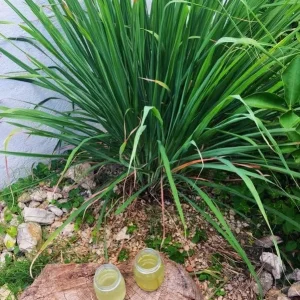
Lemongrass Live Plant – 3 Rooted Stalks – 4 Inches Tall – Indoor/Outdoor Perennial
Cultivate your own aromatic and flavorful lemongrass live plant with this set of 3 rooted stalks. Each stalk is approximately 4 inches, ready for planting indoors or outdoors. Enjoy the fresh scent and culinary versatility of this easy-to-grow perennial herb.
$65.74

With our Alive & Thrive Guarantee, we’ve got your back for the first 30 days! If you have any concerns about your plants, just reach out to us. Our team is here to help answer your questions and guide you in selecting the best plants for your garden, climate, and unique preferences. We're excited to help you create the garden of your dreams!
Estimated arrival
Mar 31
Apr 05 - Apr 07
Apr 10 - Apr 14
Product Details
-
USDA Hardiness Zone
3 -
Soil type
Well-draining, fertile loam -
Sunlight Exposure
Full Sun -
Expected Planting Period
Spring to Summer (outdoors), Year-round (indoors)
Overview
Bring the vibrant flavors and fragrant aromas of the tropics to your home with this set of 3 lemongrass live plant stalks. Each stalk is carefully rooted and measures approximately 4 inches, ensuring a strong start for your new perennial herb. Lemongrass, scientifically known as Cymbopogon citratus, is a versatile plant prized for its distinctive citrusy scent and flavor, making it a staple in Asian cuisine and a popular choice for ornamental gardening. Whether you’re an experienced gardener or just starting, growing lemongrass is a rewarding experience. These robust stalks are ready for immediate planting and will quickly establish themselves to provide you with a continuous supply of fresh lemongrass for teas, curries, and more.
This offering provides a convenient and effective way to cultivate fresh lemongrass without the challenges of starting from seed. The already rooted stalks provide a significant head start, allowing you to enjoy mature plants much sooner. Ideal for both culinary enthusiasts and those seeking a fragrant and attractive addition to their garden or indoor space, this lemongrass live plant collection is designed for easy success. Its perennial nature means it will return year after year in suitable climates, offering enduring beauty and utility.
Key Benefits
Embrace the many advantages of adding this versatile herb to your home or garden. The lemongrass live plant offers a combination of aesthetic appeal, culinary value, and relative ease of care:
- Culinary Versatility: Harvest fresh lemongrass leaves and stalks to infuse your dishes with a bright, citrusy, and slightly ginger-like flavor. Perfect for soups, curries, stir-fries, and refreshing beverages.
- Aromatic Appeal: The distinct, uplifting aroma of lemongrass acts as a natural air freshener and can help deter certain insects, making it a pleasant addition to patios and indoor spaces.
- Easy to Grow: Known for its resilience and adaptability, this lemongrass live plant is simple to cultivate, thriving with minimal fuss once established. It’s an excellent choice for beginner gardeners.
- Perennial Growth: In USDA Hardiness Zones 9 and above, lemongrass will grow as a perennial, returning year after year. In colder climates, it can be grown as an annual or brought indoors during winter.
- Ornamental Value: Its tall, graceful, grass-like foliage adds an attractive architectural element to garden beds, containers, or indoor plant arrangements.
- Supports Well-being: Lemongrass is traditionally used in herbal teas and remedies for its soothing properties and aromatic benefits.
- Quick Establishment: Receiving lemongrass stalks for planting that are already rooted means faster establishment and quicker access to mature plants compared to starting from seed.
Plant Care & Growing Tips
Successfully growing lemongrass is straightforward with a few key considerations. This resilient herb adapts well to various conditions but truly flourishes when its basic needs are met. For optimal growth, provide your lemongrass with plenty of sunlight. It thrives in full sun, meaning at least 6-8 hours of direct sunlight per day. If growing indoors, place it near a south-facing window or supplement with a grow light to ensure it gets adequate light. In regions with intense afternoon sun, some partial shade during the hottest part of the day can be beneficial, especially for younger plants.
When it comes to watering, lemongrass prefers consistently moist soil but dislikes being waterlogged. Water thoroughly when the top inch of soil feels dry to the touch, ensuring good drainage. Reduce watering slightly during cooler months or if growing indoors where evaporation is slower. The ideal soil type for lemongrass is a well-draining, fertile loam with a slightly acidic to neutral pH (6.0-7.0). A good quality potting mix enriched with compost or organic matter will provide the necessary nutrients and drainage. For outdoor planting, amend heavy clay soils with sand and compost to improve drainage, or consider raised beds. The USDA Hardiness Zone for this particular lemongrass live plant is 3, indicating its robust nature, though it performs best as a perennial in warmer zones and can be overwintered indoors in colder regions.
Fertilize your lemongrass every 2-4 weeks during the growing season (spring and summer) with a balanced liquid fertilizer or a slow-release granular fertilizer. Reduce or cease fertilization during the dormant period. Common problems are rare, but watch for signs of root rot if overwatered, or yellowing leaves if under-fertilized or lacking light. Pruning can encourage bushier growth and prevent the plant from becoming leggy. Simply trim back the outer stalks or older leaves as needed. Understanding how to grow lemongrass effectively ensures a bountiful harvest and a healthy, attractive plant.
Size & Details
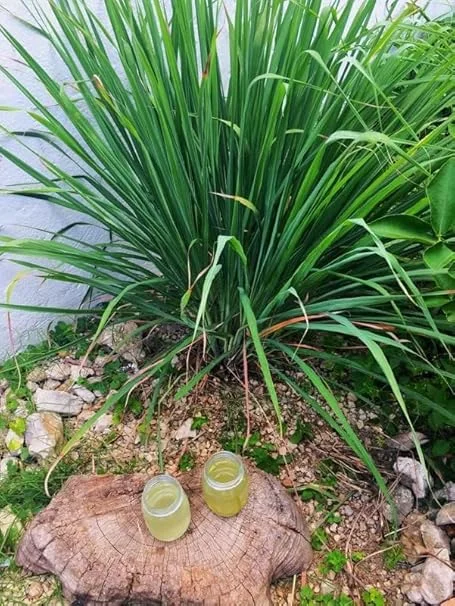
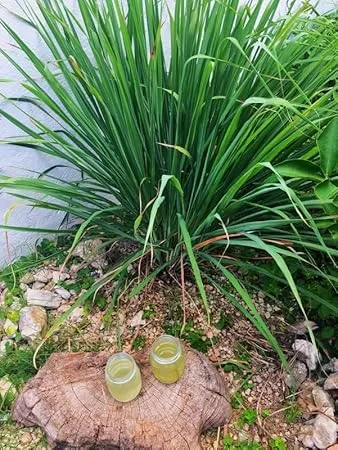
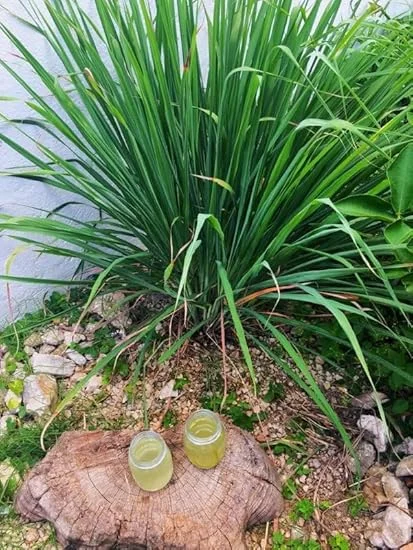
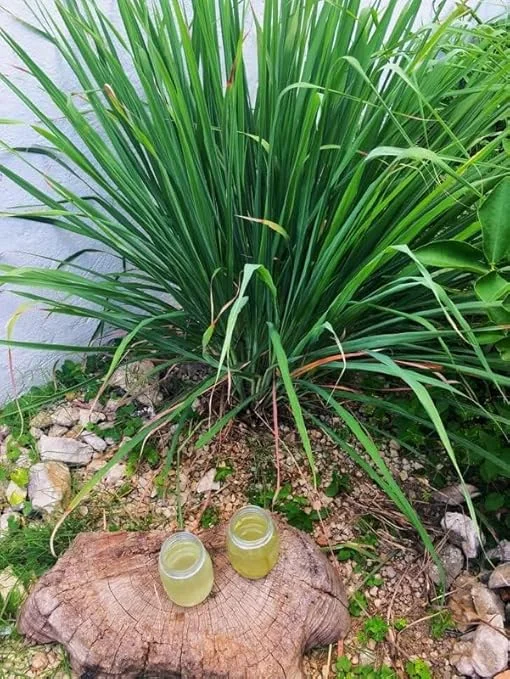
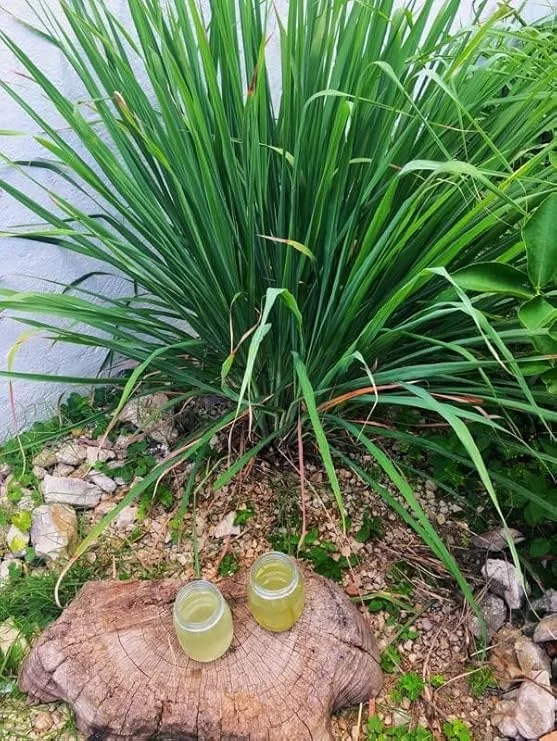
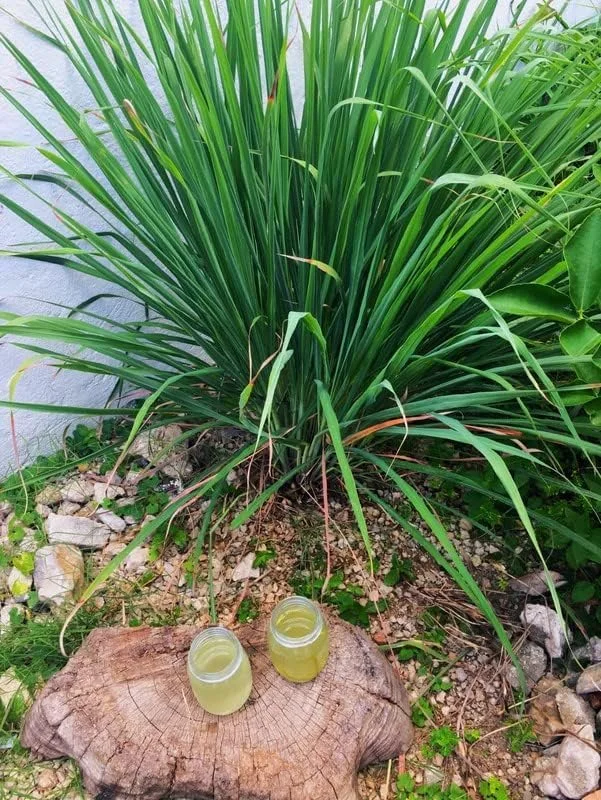
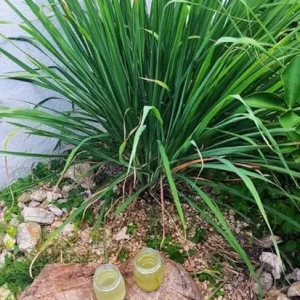
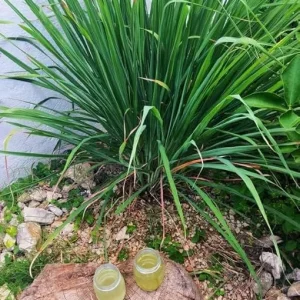
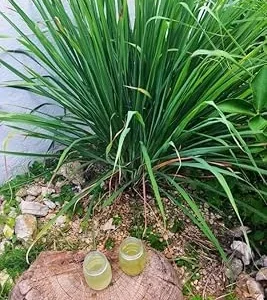
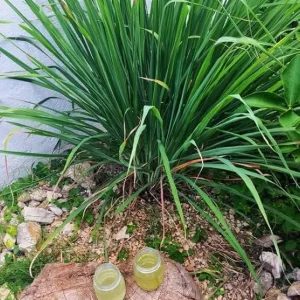
This offering includes 3 individual, healthy lemongrass stalks for planting, each approximately 4 inches in length and already rooted for a successful start. These stalks are typically separated and carefully packaged to ensure their integrity during transit. Upon arrival, they are ready to be planted in your chosen location, whether in pots indoors or directly into your garden beds. Lemongrass is a fast-growing plant; once established, it can reach heights of 3 to 5 feet (90-150 cm) and spread up to 2 feet (60 cm) wide within a single growing season under ideal conditions. It forms dense clumps of foliage that can be harvested regularly. The pictures provided typically showcase mature plants to illustrate the potential growth and appearance you can expect once your rooted stalks develop. Expect your plants to begin producing harvestable stalks within 3-4 months of planting, providing a continuous supply throughout the warmer months.
Frequently Asked Questions
- Q: How big does this lemongrass plant get? A: Once established, your lemongrass live plant can grow 3 to 5 feet tall and spread up to 2 feet wide, forming a dense, grassy clump. Its mature size depends on growing conditions and climate.
- Q: Is this an indoor or outdoor plant? A: Lemongrass is versatile and can be grown both indoors and outdoors. It thrives outdoors in warm climates (USDA Zones 9+) as a perennial, and can be grown as an annual or brought indoors for winter in colder regions.
- Q: How much sunlight does it need? A: Lemongrass prefers full sun, requiring at least 6-8 hours of direct sunlight daily for optimal growth. If growing indoors, place it in the sunniest window possible.
- Q: Is this plant easy to care for? A: Yes, growing lemongrass is generally considered easy. It’s a robust plant that requires consistent moisture, plenty of sunlight, and well-draining soil. It’s a great choice for beginners.
- Q: What condition will the lemongrass stalks arrive in? A: You will receive 3 individual, rooted lemongrass stalks, approximately 4 inches long. They are carefully prepared and packaged to ensure they arrive healthy and ready for planting.
- Q: Can I use lemongrass in cooking? A: Absolutely! These lemongrass stalks for planting are intended for culinary use. The lower part of the stalk and the inner leaves are highly aromatic and perfect for flavoring Asian dishes, teas, and desserts.
- Q: When is the best time to plant lemongrass? A: The best time to plant lemongrass is in spring after all danger of frost has passed, once soil temperatures have warmed up. If growing indoors, it can be planted any time of year.
- Q: What type of soil is best for how to grow lemongrass? A: Lemongrass prefers a fertile, well-draining soil mix. A good quality potting mix amended with compost or organic matter works well for containers and garden beds.
- Q: Will these lemongrass stalks produce seeds? A: While lemongrass can produce seeds, it is most commonly propagated and grown from rooted stalks or divisions like these. It’s unlikely to produce seeds when grown as an annual in colder climates.
- Q: Is this lemongrass perennial? A: Yes, lemongrass is a perennial herb. In USDA Hardiness Zones 9 and warmer, it will grow back year after year. In colder zones, you can treat it as an annual or bring it indoors to overwinter.
Related products
-30%
Original price was: $59.98.$41.98Current price is: $41.98.
-50%
Original price was: $47.96.$23.98Current price is: $23.98.
-50%
Original price was: $27.96.$13.98Current price is: $13.98.
-30%
Original price was: $67.98.$47.58Current price is: $47.58.
-50%
Original price was: $79.96.$39.98Current price is: $39.98.
-10%
Original price was: $23.99.$21.59Current price is: $21.59.
-50%
Original price was: $107.96.$53.98Current price is: $53.98.
-67%
Original price was: $75.72.$25.24Current price is: $25.24.
PLANTING & CARE

Growing Glencoe Raspberry: A Complete Guide for Gardeners
If you’re looking to add something unique to your garden, look no further than the
31
Mar
Mar

The Comprehensive Guide to Growing Bay Leaf Plants for a Flavorful Garden
Imagine stepping into your garden, greeted by the earthy aroma of fresh bay leaves, their
09
Feb
Feb

How to Make Comfrey Tea: The Ultimate Organic Plant Food
Growing an organic garden can be surprisingly expensive, especially when most store-bought fertilizers come in
02
Feb
Feb

True Comfrey: 7 Essential Tips Before You Plant This Herb
A staple in permaculture practices across the US, True Comfrey easily earns its reputation as
27
Jan
Jan

7 Heart-Shaped Plants for a Lasting Valentine’s Gift
If you’ve ever bought a bouquet of roses for Valentine’s Day, you know they are
26
Jan
Jan

Best Types of Ivy Plant for Houses: How to Choose the Perfect Ones for Your Home
Are you a garden lover looking to introduce some greenery into your home? Maybe you’ve
14
Nov
Nov

When to Harvest Garlic (Especially Fall-Planted Garlic)
TIMING IS EVERYTHING, they say – and for garlic, that truth hits with surprising accuracy.
13
Nov
Nov

11 of the Best Sweet Potato Varieties to Grow for Your Garden
If you’ve ever tried growing sweet potatoes, you know that picking the right variety can
12
Nov
Nov