Lily of the Valley Bulbs – 10 Pack – Fragrant White Perennial Flowers for Shade
-50%
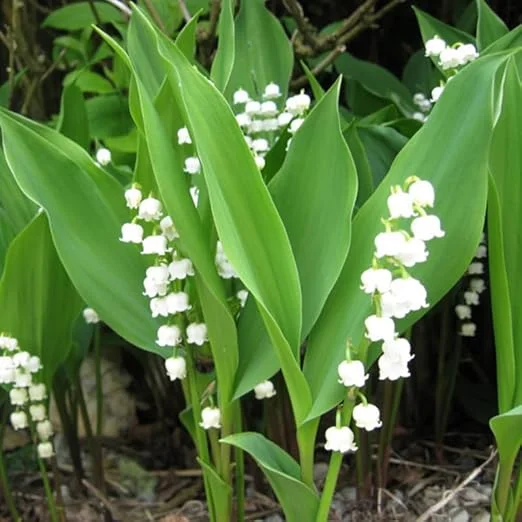
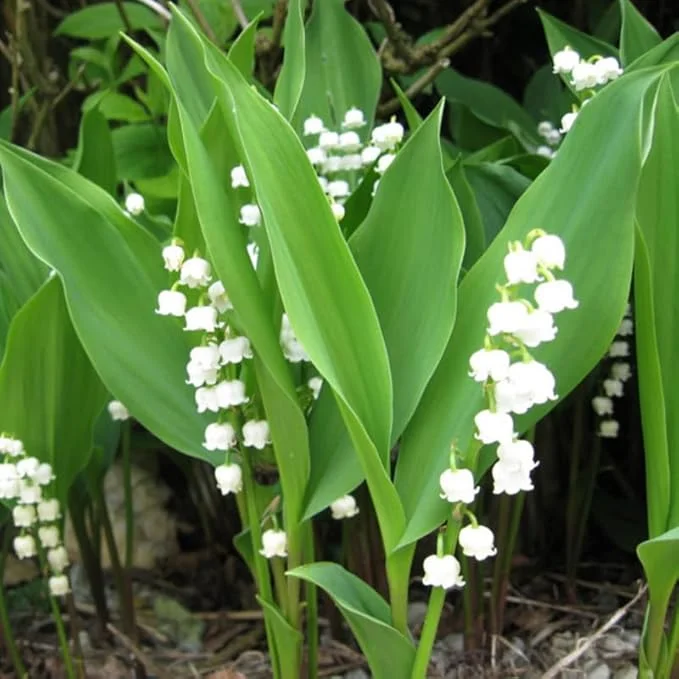
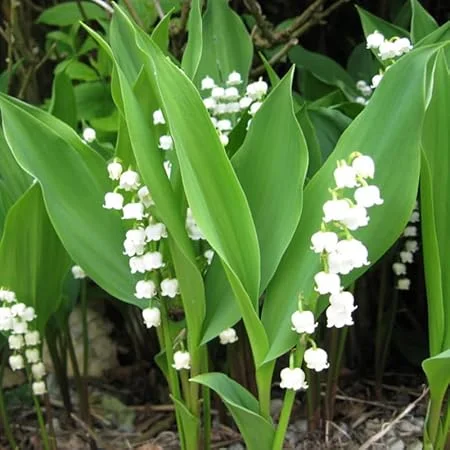
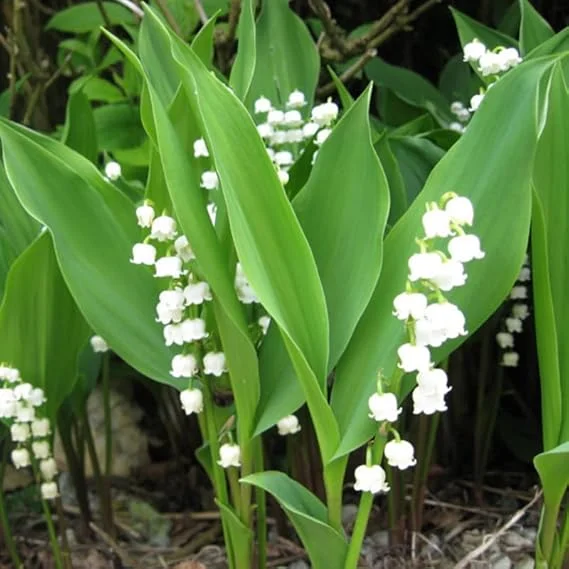
Lily of the Valley Bulbs – 10 Pack – Fragrant White Perennial Flowers for Shade
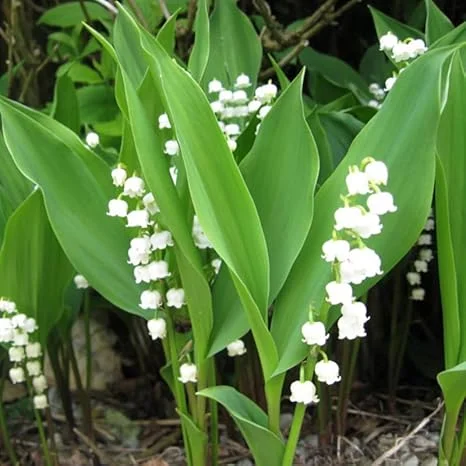
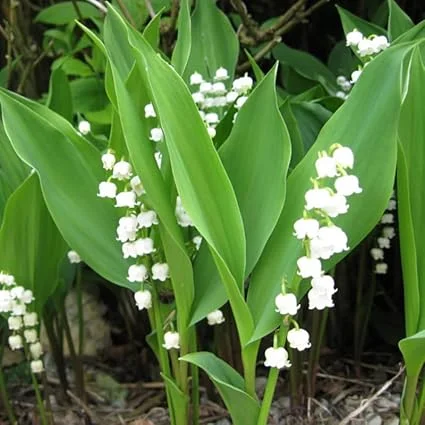
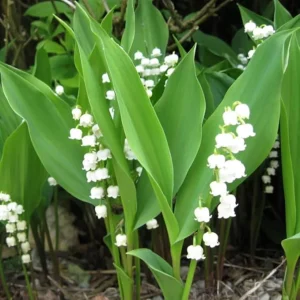
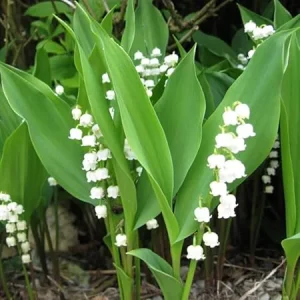
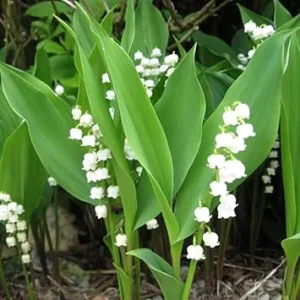
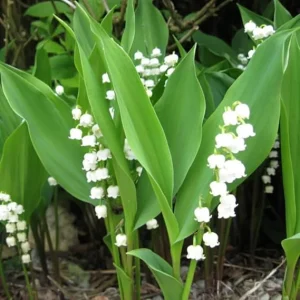
Discover the classic beauty of lily of the valley bulbs! This pack of 10 roots produces charming, sweetly fragrant white bell-shaped flowers, perfect for creating a lush groundcover in shaded areas. Enjoy these fragrant perennial flowers that return year after year with minimal effort.
Original price was: $44.98.$22.49Current price is: $22.49.

With our Alive & Thrive Guarantee, we’ve got your back for the first 30 days! If you have any concerns about your plants, just reach out to us. Our team is here to help answer your questions and guide you in selecting the best plants for your garden, climate, and unique preferences. We're excited to help you create the garden of your dreams!
Estimated arrival
Apr 13
Apr 18 - Apr 20
Apr 23 - Apr 27






Product Details
-
USDA Hardiness Zone
2-8 -
Soil type
Rich, well-draining soil -
Sunlight Exposure
Partial shade to full shade -
Expected Planting Period
Fall to early spring
Overview
Introduce timeless elegance to your garden with these premium lily of the valley bulbs. Known for their delicate, bell-shaped white flowers and intoxicatingly sweet fragrance, these bulbs are perfect for creating a stunning display in spring. Each purchase includes a pack of 10 robust roots, ready to be planted and transform your shaded landscape. Plant lily of the valley for a charming addition that evokes a sense of classic beauty and serenity. These hardy perennial plants are an excellent choice for gardeners looking for low-maintenance yet impactful flowering groundcover, making them a popular choice for woodland gardens, borders, and beneath trees.
These beautiful plants are botanically known as Convallaria majalis and are celebrated for their ability to naturalize and spread, creating a carpet of lush green foliage punctuated by their iconic blooms. If you’re seeking fragrant perennial flowers that thrive in less-than-sunny spots, these bulbs are an ideal solution. Their resilience and enchanting aroma make them a beloved choice for bringing a touch of old-world charm to any outdoor space.
Key Benefits
These lily of the valley bulbs offer a multitude of advantages for any garden, providing beauty, fragrance, and ease of care. Their ability to flourish in challenging conditions makes them a standout choice for many gardeners.
- Sweetly Fragrant White Blooms: Enjoy the classic, intoxicating aroma of delicate white, bell-shaped flowers that emerge in spring. These blossoms are renowned for their captivating scent, making them perfect for planting near pathways or windows where their fragrance can be fully appreciated.
- Hardy Perennial Groundcover: Once established, these plants return year after year, forming a beautiful, dense groundcover. Their robust nature means less work and more enjoyment, as they reliably fill in spaces and suppress weeds.
- Thrives in Partial to Full Shade: Ideal for those challenging shaded areas of your garden where other plants struggle. These bulbs are perfectly suited for woodland gardens, under deciduous trees, or along north-facing walls, requiring minimal direct sunlight.
- Easy to Grow and Low Maintenance: Plant lily of the valley with confidence, as these bulbs are incredibly forgiving and require little ongoing care once established. They are an excellent choice for both novice and experienced gardeners seeking beautiful results with minimal effort.
- Extended Bloom Time: While primarily a spring bloomer, the beautiful foliage provides visual interest throughout the growing season, contributing to a lush garden aesthetic. You’ll appreciate the verdant green carpet even after the lovely flowers have faded.
- Excellent for Borders and Edging: Their compact growth habit and spreading nature make them perfect for defining garden beds, creating natural borders, or softening the edges of paths. These shade garden plants add a refined touch to any landscape design.
- Naturalizing Ability: These bulbs will gradually spread over time, creating a beautiful and expanding colony of fragrant flowers, enhancing the natural appeal of your outdoor space. They are a wonderful way to achieve a professional-looking landscape with minimal intervention.
Plant Care & Growing Tips
Caring for your lily of the valley bulbs is straightforward, making them an excellent choice for gardeners of all skill levels. These resilient plants prefer a consistent environment to truly flourish and produce their best blooms. Ensure you select a site that provides adequate shade and moisture for optimal growth. The key to successful cultivation lies in understanding their fundamental needs for light, water, and soil.
Sunlight Exposure: Lily of the valley bulbs thrive in partial shade to full shade. While they can tolerate some morning sun, they prefer protection from the harsh afternoon sun, which can scorch their leaves. Ideal locations include under deciduous trees, along the north side of a building, or in an area that receives dappled sunlight throughout the day. Too much sun can lead to yellowing leaves and reduced flowering. For best results, aim for areas with 2-4 hours of indirect sunlight or filtered light.
Watering Schedule and Soil Moisture: These plants prefer consistently moist, but not waterlogged, soil. Moderate watering is recommended, especially during dry spells and the blooming period. Once established, they are somewhat drought-tolerant but will perform best with regular moisture. Ensure good drainage to prevent root rot, which can be detrimental to the bulbs. During the dormant season in fall and winter, reduce watering as the plants require less moisture.
Soil Type and Drainage: Groundcover bulbs like these prefer rich, well-draining soil with a slightly acidic to neutral pH (6.0-7.0). Incorporating organic matter such as compost or leaf mold into the planting area will improve soil structure, fertility, and drainage. Avoid heavy clay soils that retain too much water, as this can lead to bulb decay. Good drainage is crucial for the health and longevity of your lily of the valley bulbs.
Temperature Range and USDA Hardiness Zone: These hardy perennials are well-suited for USDA Hardiness Zones 2-8, demonstrating excellent cold tolerance. They require a period of cold dormancy to produce flowers, making them unsuitable for very warm, tropical climates. They can withstand freezing temperatures, but a layer of mulch in colder zones can provide additional protection. The optimal temperature range for active growth is typically between 50-70°F (10-21°C).
Fertilization Schedule: Fertilize sparingly. A light application of a balanced, slow-release granular fertilizer in early spring, just as new growth emerges, is usually sufficient. Alternatively, top-dressing with compost can provide a steady supply of nutrients. Avoid over-fertilizing, as this can lead to excessive foliage at the expense of flowers. These fragrant perennial flowers are not heavy feeders.
Common Problems: Lily of the valley is generally pest and disease resistant. Occasionally, slugs or snails may feed on the leaves; these can be managed with organic slug baits or by hand-picking. Fungal issues are rare but can occur in overly wet, poorly drained conditions. Ensure good air circulation and proper soil drainage to prevent such problems. Remember that all parts of the lily of the valley plant are toxic if ingested, so plant away from pets and curious children.
Size & Details
This offering includes a pack of 10 lily of the valley bulbs, specifically provided as bare roots (rhizomes). Each root is ready for planting upon arrival, ensuring a strong start for your garden. When mature, these plants typically reach a height of 6-12 inches (15-30 cm) with a similar spread, forming a dense, lush carpet of foliage. The delicate white bell-shaped flowers emerge on slender stems, usually reaching 6-8 inches (15-20 cm) tall.
These groundcover bulbs are known for their moderate growth rate and their ability to naturalize, meaning they will spread and multiply over time to fill in garden spaces. Expect flowers to appear in mid to late spring, typically from April to May, depending on your climate zone. The foliage remains attractive throughout the summer and into early fall before dying back for winter dormancy. Planting these bulbs in the fall or early spring will give them the best chance to establish and bloom in their first season.
Frequently Asked Questions
- Q: How big does this plant get? A: Lily of the valley bulbs typically grow to a height of 6-12 inches (15-30 cm) with a similar spread, forming a dense groundcover. The flower stalks generally reach about 6-8 inches tall.
- Q: Is this an indoor or outdoor plant? A: These are primarily outdoor plants, well-suited for garden beds, borders, and woodland settings. They require a cold dormancy period to bloom, making them generally unsuitable for year-round indoor cultivation.
- Q: How much sunlight does it need? A: Lily of the valley bulbs thrive in partial to full shade. They prefer areas that receive dappled sunlight or indirect light for most of the day, with protection from harsh afternoon sun.
- Q: Is this plant easy to care for? A: Yes, plant lily of the valley with confidence! These are very easy-to-grow and low-maintenance perennials, making them excellent for gardeners of all experience levels.
- Q: What condition will it arrive in? A: Your order will contain 10 lily of the valley bulbs, shipped as healthy bare roots (rhizomes), ready for immediate planting. They are carefully packed to ensure safe arrival.
- Q: How long until it blooms? A: If planted in the fall or early spring, you can generally expect blooms in the first spring season after planting. Established plants will reliably bloom every spring.
- Q: Will it survive winter in my zone? A: These fragrant perennial flowers are very hardy and suitable for USDA Zones 2-8, meaning they are well-equipped to survive cold winters and return year after year.
- Q: Can these be used as a groundcover? A: Absolutely! They are excellent groundcover bulbs, known for their ability to spread and form a beautiful, dense carpet of foliage, especially in shaded areas of the garden.
- Q: What is the best time to plant these bulbs? A: The best time to plant lily of the valley bulbs is in the fall, allowing them to establish roots before winter, or in early spring after the last frost.
- Q: Are these plants deer resistant? A: Yes, due to their toxicity, lily of the valley is generally considered deer and rabbit resistant, making them a good choice for gardens where wildlife can be an issue.
Related products
-20%


Original price was: $108.00.$86.40Current price is: $86.40.
-20%


Original price was: $59.98.$47.98Current price is: $47.98.
-20%
Original price was: $15.00.$12.00Current price is: $12.00.
-20%


Original price was: $16.00.$12.80Current price is: $12.80.
-20%


Original price was: $16.00.$12.80Current price is: $12.80.
-20%


Original price was: $60.00.$48.00Current price is: $48.00.
-20%


Original price was: $22.00.$17.60Current price is: $17.60.
-20%


Original price was: $19.98.$15.98Current price is: $15.98.
PLANTING & CARE

Growing Glencoe Raspberry: A Complete Guide for Gardeners
If you’re looking to add something unique to your garden, look no further than the
31
Mar
Mar

The Comprehensive Guide to Growing Bay Leaf Plants for a Flavorful Garden
Imagine stepping into your garden, greeted by the earthy aroma of fresh bay leaves, their
09
Feb
Feb

How to Make Comfrey Tea: The Ultimate Organic Plant Food
Growing an organic garden can be surprisingly expensive, especially when most store-bought fertilizers come in
02
Feb
Feb

True Comfrey: 7 Essential Tips Before You Plant This Herb
A staple in permaculture practices across the US, True Comfrey easily earns its reputation as
27
Jan
Jan

7 Heart-Shaped Plants for a Lasting Valentine’s Gift
If you’ve ever bought a bouquet of roses for Valentine’s Day, you know they are
26
Jan
Jan

Best Types of Ivy Plant for Houses: How to Choose the Perfect Ones for Your Home
Are you a garden lover looking to introduce some greenery into your home? Maybe you’ve
14
Nov
Nov

When to Harvest Garlic (Especially Fall-Planted Garlic)
TIMING IS EVERYTHING, they say – and for garlic, that truth hits with surprising accuracy.
13
Nov
Nov

11 of the Best Sweet Potato Varieties to Grow for Your Garden
If you’ve ever tried growing sweet potatoes, you know that picking the right variety can
12
Nov
Nov