Lisianthus Starter Plant – Thorn-Free ‘Rose’ Live Plug for Gardens
-50%
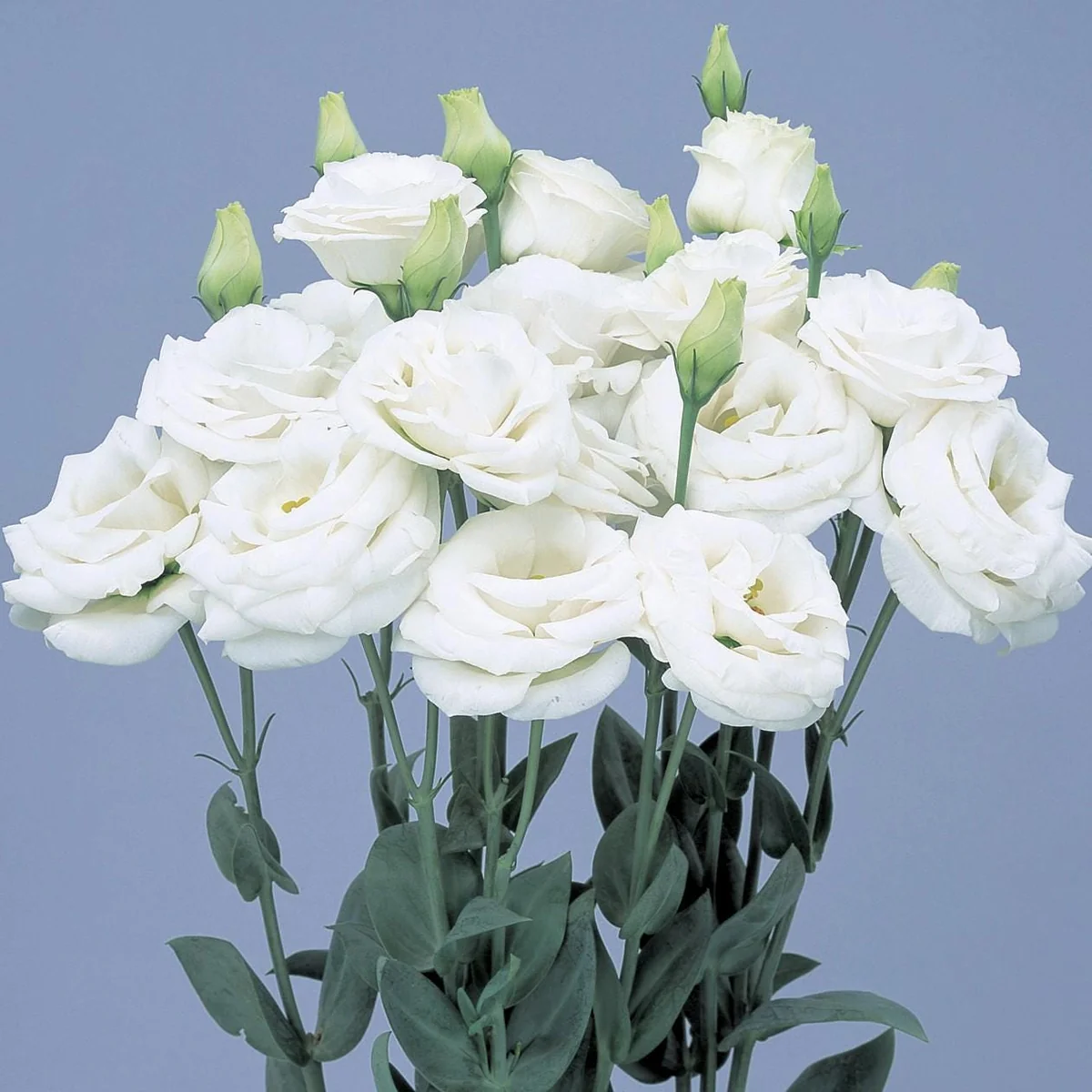
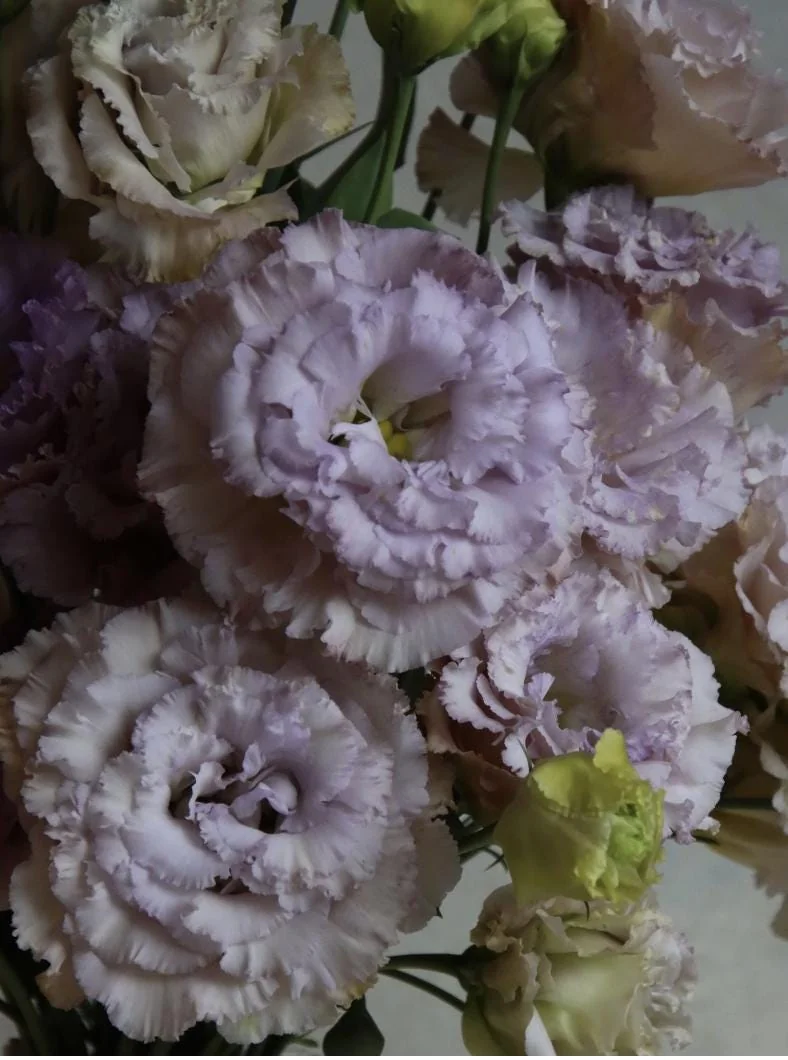
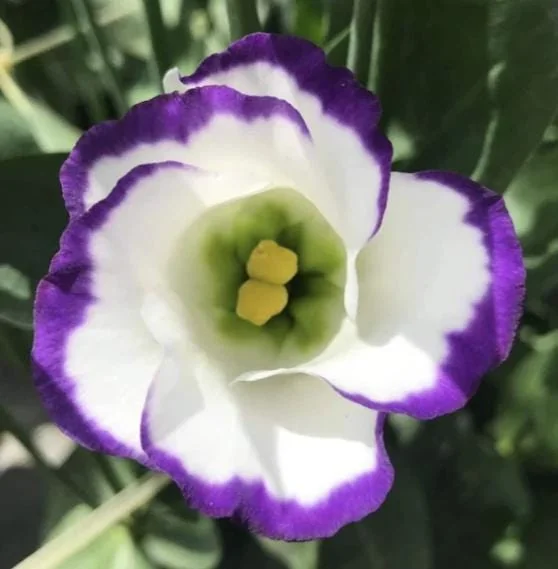
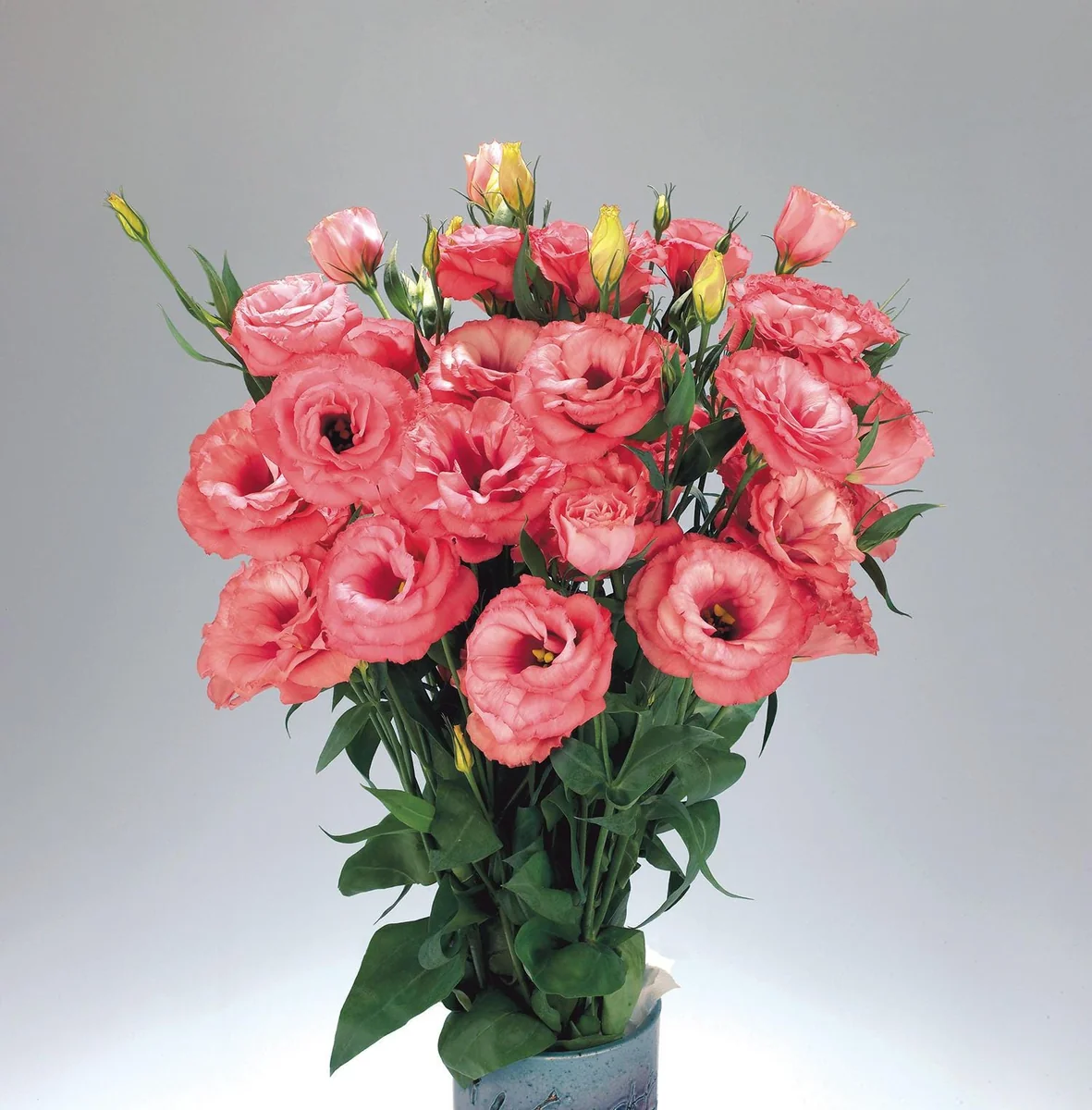
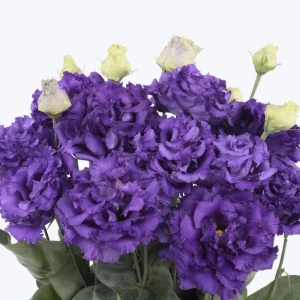
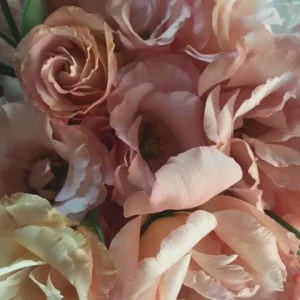
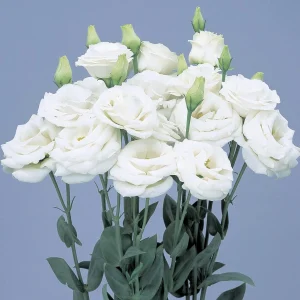
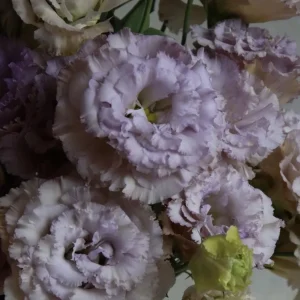
Lisianthus Starter Plant – Thorn-Free ‘Rose’ Live Plug for Gardens
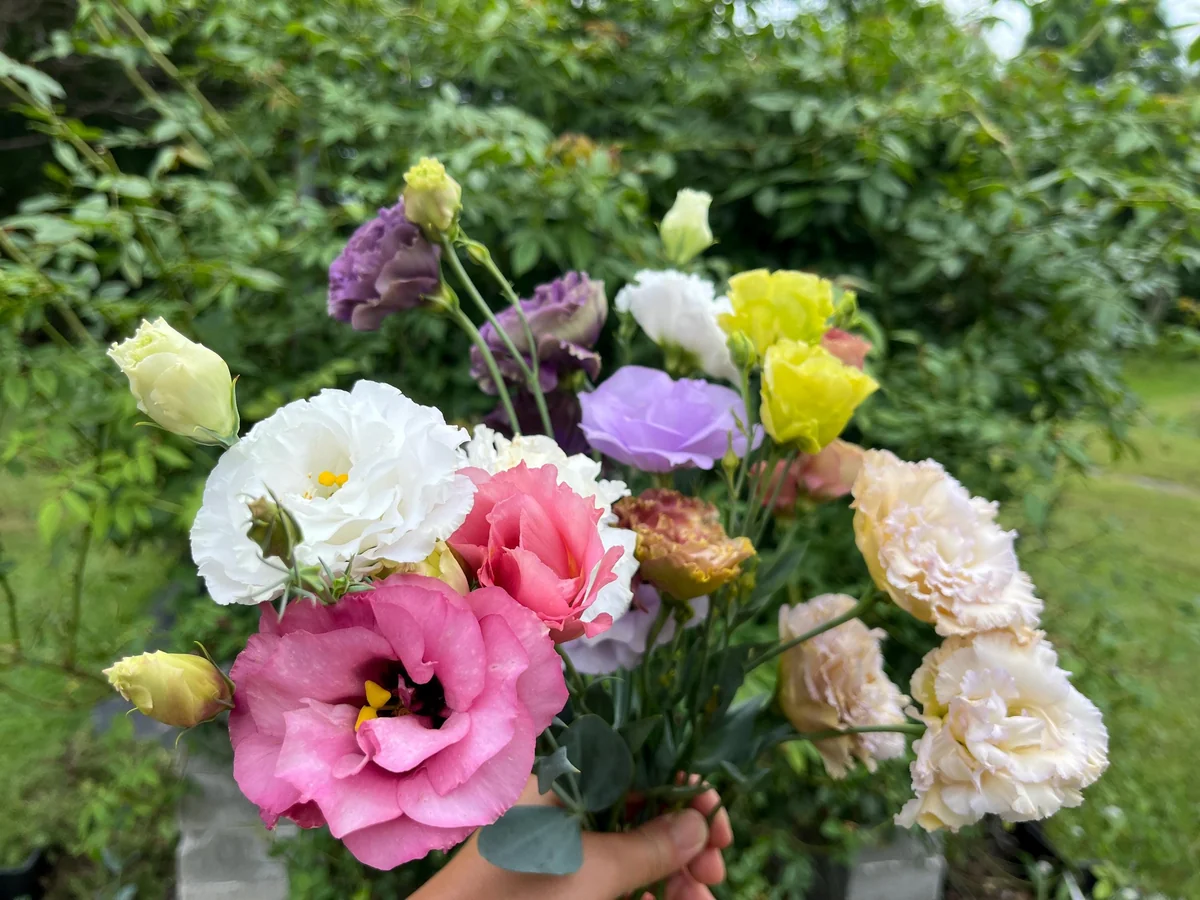
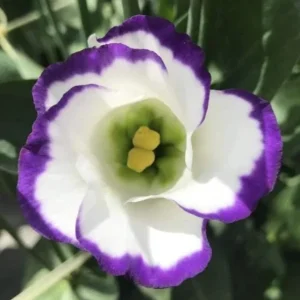
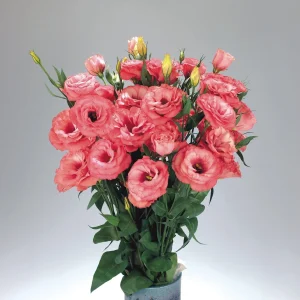
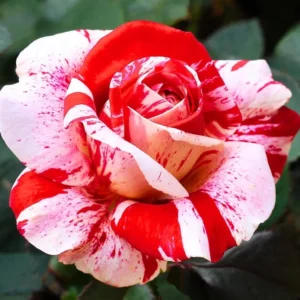
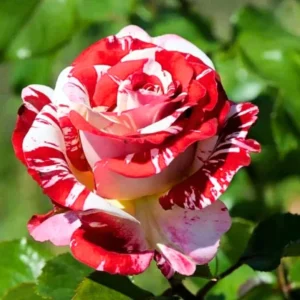
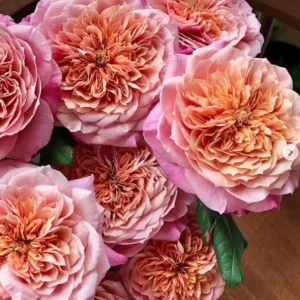
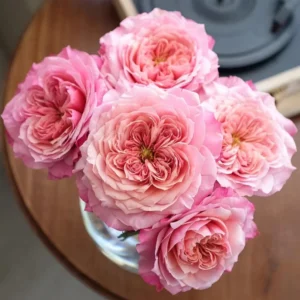
Start your garden with a Lisianthus starter plant, a beautiful thorn-free ‘Rose’ variety perfect for stunning cut flower arrangements and attracting pollinators. These live plugs are ready to transplant into your garden or containers for elegant blooms.
From Original price was: $29.96.$14.98Current price is: $14.98.

With our Alive & Thrive Guarantee, we’ve got your back for the first 30 days! If you have any concerns about your plants, just reach out to us. Our team is here to help answer your questions and guide you in selecting the best plants for your garden, climate, and unique preferences. We're excited to help you create the garden of your dreams!
Estimated arrival
Mar 26
Mar 31 - Apr 02
Apr 05 - Apr 09
Product Details
-
USDA Hardiness Zone
USDA Zones 8-10 (often grown as annual in colder zones) -
Soil type
Loamy, sandy, well-draining soil -
Sunlight Exposure
Full sun in morning, part shade in afternoon -
Expected Planting Period
Spring to early summer
Overview
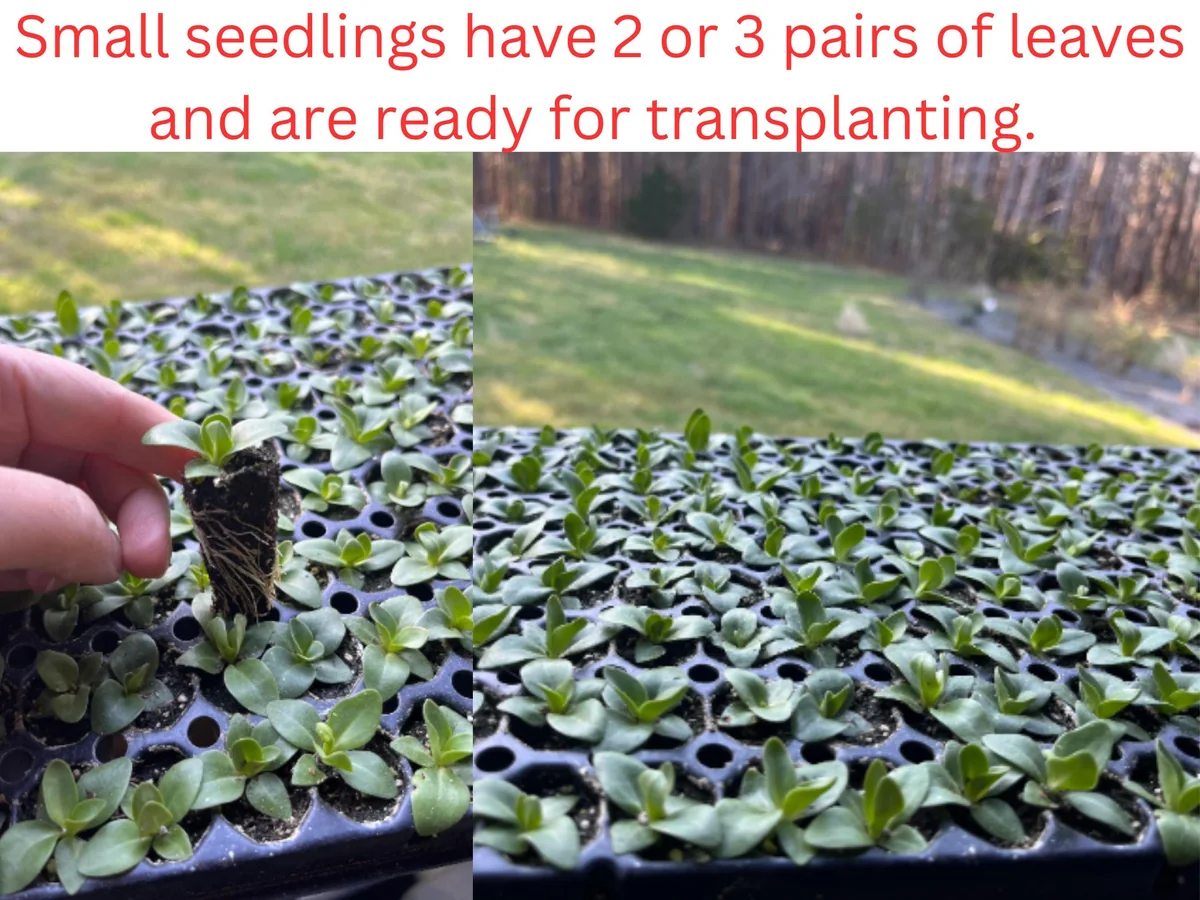
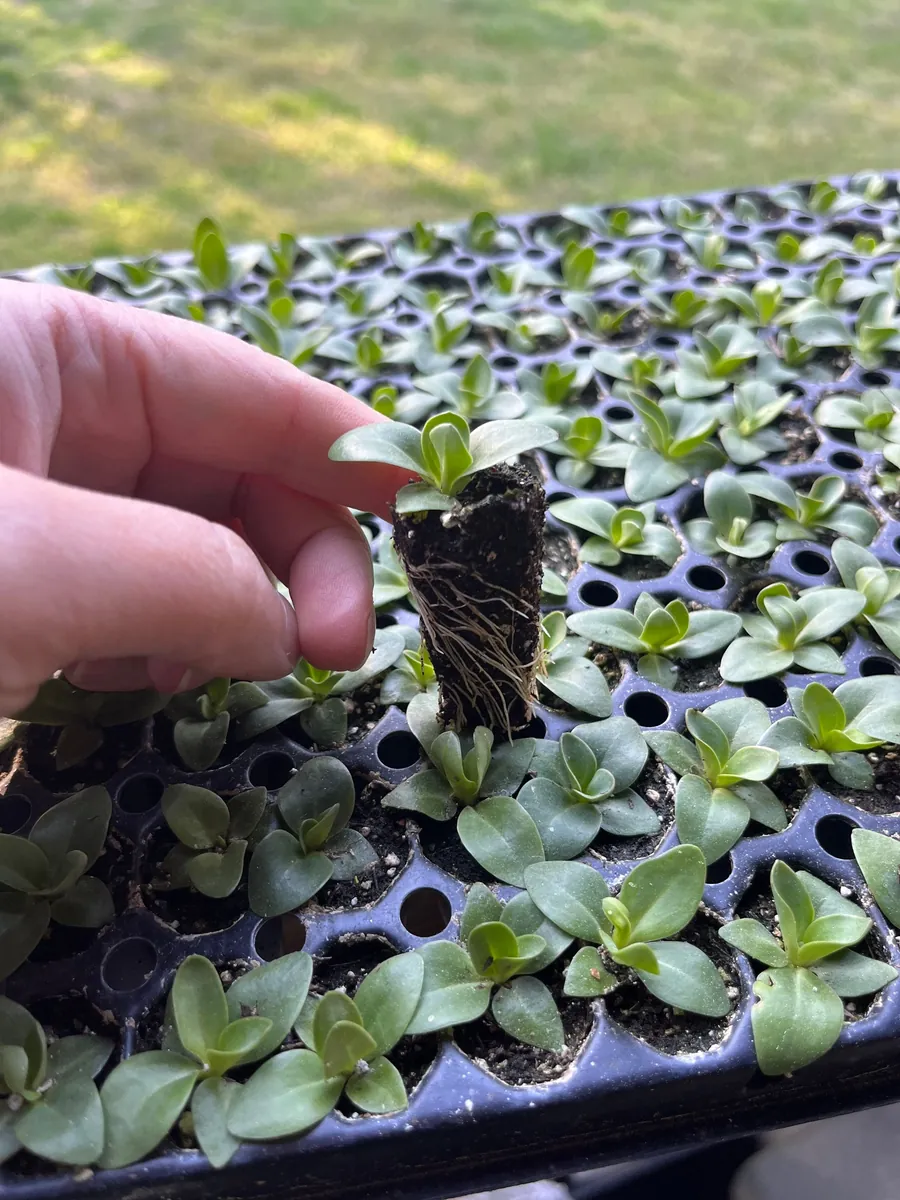
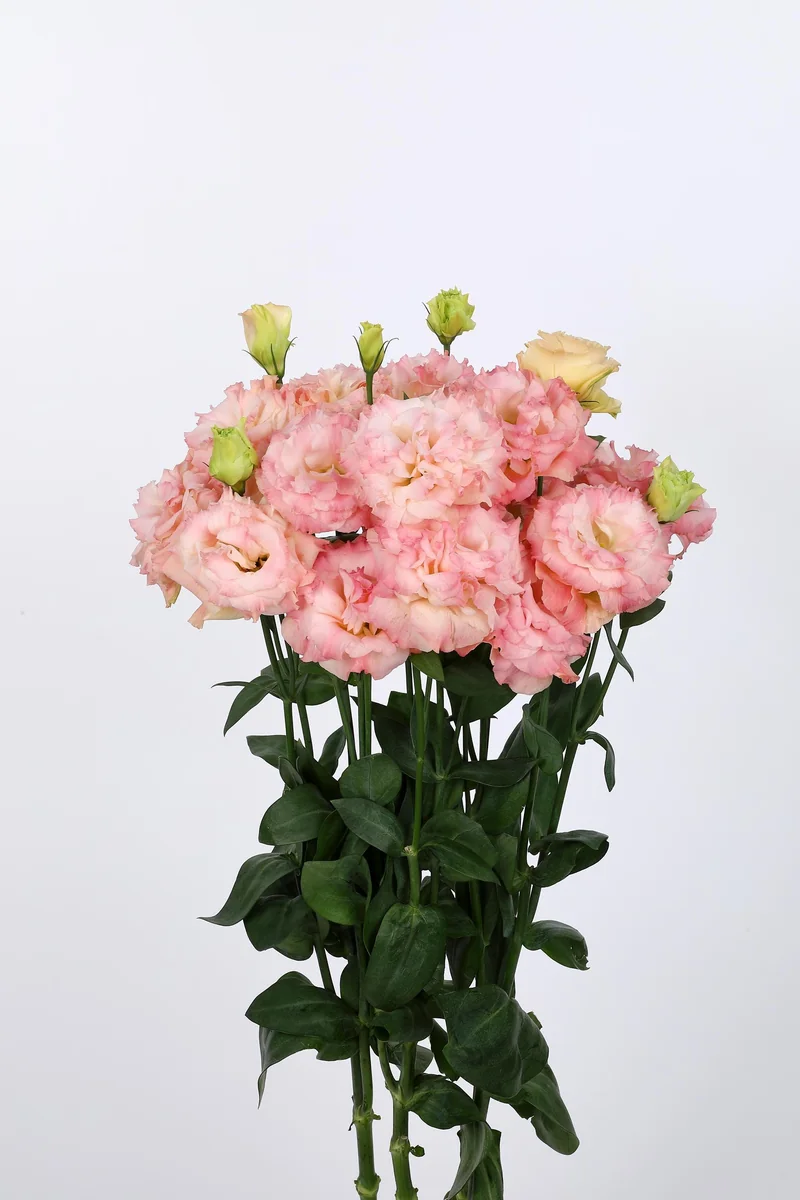
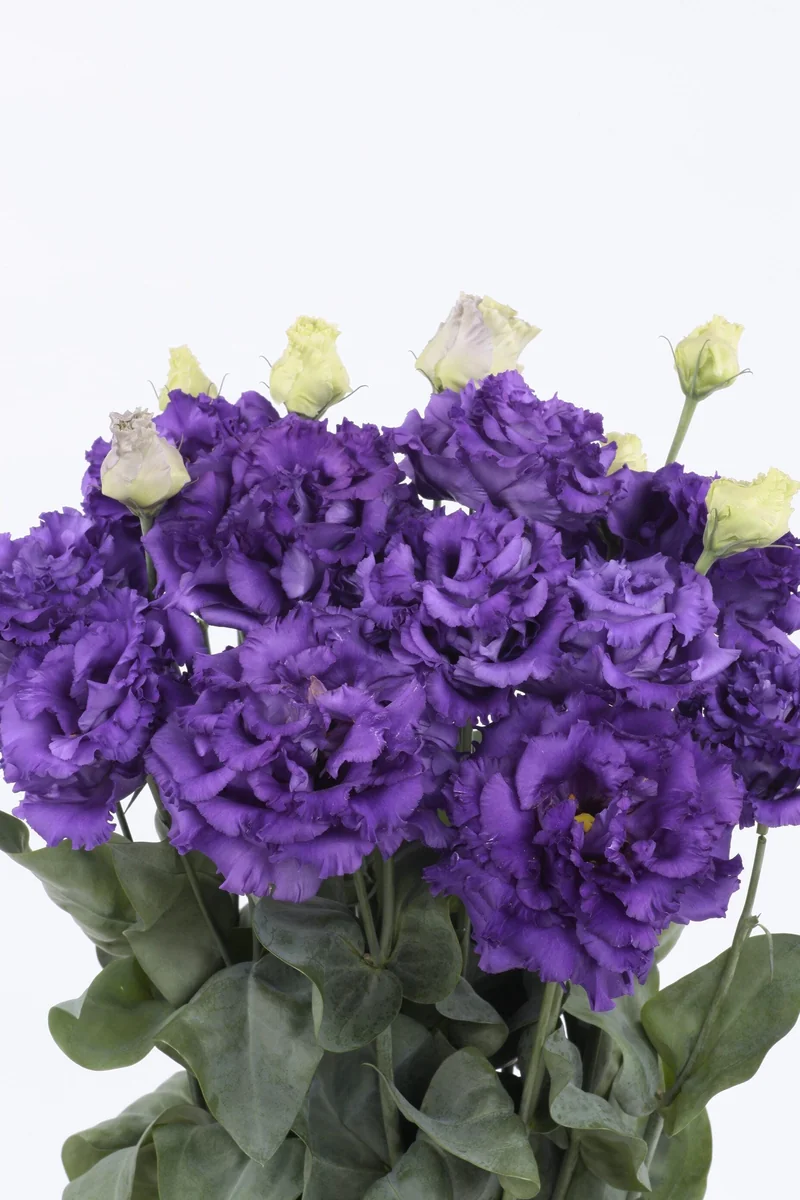
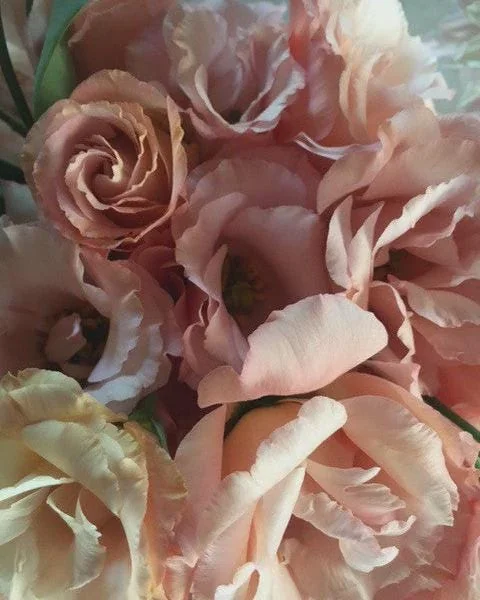
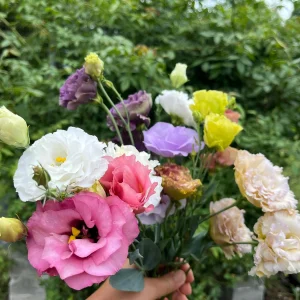
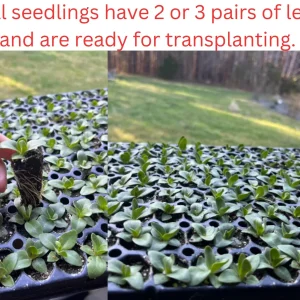
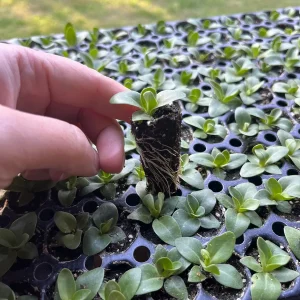
The Lisianthus starter plant, also known as Eustoma grandiflorum, offers an exquisite addition to any garden or floral arrangement. These well-rooted starter plugs, with 2-3 pairs of leaves, are ideally sized for transplanting into their final growing location, ensuring robust growth without the common issue of root-bound plants often found in larger pots. Lisianthus plants are renowned for their rose-like appearance, thorn-free stems, and impressive longevity as cut flowers, making them a favorite for special events like weddings and everyday home decor. Originating from northern Mexico and the Great Plains, this elegant flowering plant brings a touch of sophistication and natural beauty to your landscape.
Lisianthus is a heat-loving plant that thrives in sunny conditions, adding vibrant colors and graceful forms to your garden beds or containers. Beyond their aesthetic appeal, these plants are also a boon for local ecosystems, actively attracting a variety of pollinators such as bees, butterflies, and hummingbirds throughout the summer months. Whether you’re an experienced gardener or just starting, growing Lisianthus provides a rewarding experience with abundant, long-lasting blooms.
Key Benefits
Cultivating a Lisianthus starter plant offers numerous advantages for both your garden and your home. These plants are celebrated for their ease of growth and the stunning floral displays they produce.
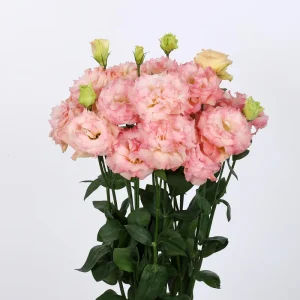
- Elegant Floral Displays: Lisianthus flowers closely resemble roses, offering a sophisticated and timeless beauty to your garden. Their delicate petals and varied hues make them perfect for creating visually appealing landscapes.
- Exceptional Cut Flowers: Known for their long vase life, these blooms can last up to two weeks, or even longer with proper flower food, making them an ideal choice for fresh bouquets and arrangements for any occasion.
- Attracts Pollinators: The vibrant flowers of the Lisianthus starter plant are a magnet for beneficial insects like bees, butterflies, and hummingbirds, contributing to a healthier and more biodiverse garden environment.
- Versatile Use: Suitable for garden beds, containers, and professional floral designs, Lisianthus adapts well to various settings, enhancing curb appeal or providing stunning indoor decor.
- Thorn-Free Stems: Unlike roses, Lisianthus offers beautiful, thorn-free stems, making them safer and easier to handle when cutting and arranging.
- Heat Tolerant: As a heat-loving plant, Lisianthus performs well in warmer climates, provided it receives adequate sun and well-draining soil, ensuring consistent blooms throughout the growing season.
- Healthy Start: Our starter plants are designed to minimize transplant shock and encourage strong root development, giving your Lisianthus the best possible beginning for vigorous growth and abundant flowering.
Plant Care & Growing Tips
Proper Lisianthus plant care ensures a healthy and prolific bloom season. These elegant flowers thrive in specific conditions that mimic their native habitats. For optimal growth, choose a location that receives full sun in the morning and partial shade in the afternoon, especially in hotter climates to prevent scorching. While they love heat, intense afternoon sun can be too much. The ideal soil for Lisianthus is loamy, sandy, and most importantly, well-draining. Avoid heavy clay soils that can retain too much moisture, leading to root rot. Good drainage is crucial for preventing common diseases and promoting strong root development.
When it comes to watering, allow the soil to dry out between waterings. Overwatering is a common mistake that can harm Lisianthus. Stick your finger about an inch into the soil; if it feels dry, it’s time to water. These plants are hardy to USDA Zones 8-10, meaning they can survive outdoor temperatures down to 10°F. In colder zones, Lisianthus is typically grown as an annual, or brought indoors during winter. If you’re in Zone 7, a thick layer of mulch and row covers might help it overwinter, but ensuring ample light is key. Fertilize sparingly with a balanced liquid fertilizer every 2-4 weeks during the active growing season to support continuous blooming. Watch out for common pests like aphids and spider mites, and treat them with organic insecticidal soap if necessary. Understanding Eustoma grandiflorum needs will lead to a thriving, beautiful display.
Size & Details
Each Lisianthus starter plant is delivered as a well-rooted plug, typically measuring 1″ x 1″ x 1 1/4″ in its container. These young plants are at an ideal stage for transplanting, minimizing stress and encouraging vigorous growth. While individual plant sizes may vary slightly due to natural growth, they are all chosen for their strong root systems, which are essential for healthy establishment. Once mature, Lisianthus plants generally reach a height of 1-3 feet with a spread of 9-12 inches, creating a substantial and elegant presence in your garden. They are grown as annuals in most regions but can be perennial in USDA Zones 8-10, offering a continuous show of blooms from summer into fall.
The thorn-free nature of these plants makes them particularly appealing for those looking to create a cut flower garden. Expect blooms that resemble classic roses, providing a sophisticated touch to any floral arrangement. The maturity and bloom time will depend on your specific growing conditions, but with proper care outlined in the Lisianthus plant care guide, you can anticipate beautiful flowers within a few months of planting.
Frequently Asked Questions
- Q: How big does this Lisianthus plant get? A: Once mature, this Lisianthus starter plant typically reaches a height of 1-3 feet and spreads about 9-12 inches wide, providing a lovely upright form in your garden or containers.
- Q: Is this an indoor or outdoor plant? A: Lisianthus is primarily an outdoor plant, thriving in garden beds or patio containers in full to partial sun. In colder climates (below USDA Zone 8), it can be grown as an annual or brought indoors during winter.
- Q: How much sunlight does it need? A: For best results, the Lisianthus starter plant requires full morning sun and some afternoon shade, especially in hot climates. Aim for at least 6 hours of direct sunlight daily.
- Q: Is this plant easy to care for? Is it good for beginners? A: While not the absolute easiest, Lisianthus is manageable for beginners who follow basic care guidelines, especially regarding watering and sunlight. Understanding Lisianthus plant care is key to success.
- Q: What condition will it arrive in? A: Your Lisianthus will arrive as a small, well-rooted plug with 2-3 pairs of leaves, ready for transplanting. We prioritize shipping healthy plants with strong root systems.
- Q: How long until it blooms? A: Bloom time can vary based on planting time and growing conditions, but you can generally expect your Eustoma grandiflorum to start producing flowers within a few months of transplanting, typically from summer through fall.
- Q: Will it survive winter in my zone? A: Lisianthus is hardy in USDA Zones 8-10. In zones colder than 8, it is generally grown as an annual. In Zone 7, with significant protection like mulch and row covers, it might overwinter, but often gardeners opt to replant each spring.
- Q: Can I use this for a cut flower garden? A: Absolutely! Lisianthus is highly prized for its long-lasting blooms and rose-like appearance, making it an excellent choice for a cut flower garden and stunning floral arrangements.
- Q: Does this plant attract pollinators? A: Yes, Lisianthus flowers are known to attract various pollinators, including bees, butterflies, and hummingbirds, making it a great addition to a pollinator plant garden.
- Q: What type of soil does it prefer? A: This plant thrives in loamy, sandy, and well-draining soil. Good drainage is crucial to prevent root issues.
| Pack size | 1 Plant, 3 Plants, 6 Plants |
|---|---|
| Primary color | Arena Apricot Iii, Chateau Blue, Cherry Sorbet, Rosita White Iii, Solo Blue Picotee, Voyage Blue Ii, Voyage Champagne Iii |
Related products
-67%
Original price was: $59.97.$19.99Current price is: $19.99.
-67%
Original price was: $41.97.$13.99Current price is: $13.99.
-10%
Original price was: $23.99.$21.59Current price is: $21.59.
-30%
Original price was: $63.98.$44.78Current price is: $44.78.
-30%
Original price was: $65.98.$46.18Current price is: $46.18.
-30%
Original price was: $63.98.$44.78Current price is: $44.78.
-30%
Original price was: $63.98.$44.78Current price is: $44.78.
PLANTING & CARE

The Comprehensive Guide to Growing Bay Leaf Plants for a Flavorful Garden
Imagine stepping into your garden, greeted by the earthy aroma of fresh bay leaves, their
09
Feb
Feb

How to Make Comfrey Tea: The Ultimate Organic Plant Food
Growing an organic garden can be surprisingly expensive, especially when most store-bought fertilizers come in
02
Feb
Feb

True Comfrey: 7 Essential Tips Before You Plant This Herb
A staple in permaculture practices across the US, True Comfrey easily earns its reputation as
27
Jan
Jan

7 Heart-Shaped Plants for a Lasting Valentine’s Gift
If you’ve ever bought a bouquet of roses for Valentine’s Day, you know they are
26
Jan
Jan

Best Types of Ivy Plant for Houses: How to Choose the Perfect Ones for Your Home
Are you a garden lover looking to introduce some greenery into your home? Maybe you’ve
14
Nov
Nov

When to Harvest Garlic (Especially Fall-Planted Garlic)
TIMING IS EVERYTHING, they say – and for garlic, that truth hits with surprising accuracy.
13
Nov
Nov

11 of the Best Sweet Potato Varieties to Grow for Your Garden
If you’ve ever tried growing sweet potatoes, you know that picking the right variety can
12
Nov
Nov
Pruning Bougainvillea for Winter
Bougainvillea vines are known for their dazzling display of magenta, orange, and fuchsia bracts that
05
Nov
Nov