Lithops Living Stones Flower Succulent Cactus Seeds – Rare Indoor/Outdoor Plant
-50%
Lithops Living Stones Flower Succulent Cactus Seeds – Rare Indoor/Outdoor Plant
Cultivate your own unique Lithops Living Stones seeds, also known as ‘living stones‘, from these easy-to-grow seeds. These fascinating succulents mimic pebbles, offering a truly distinctive addition to any indoor or outdoor plant collection. Perfect for beginners and experienced growers alike, these rare succulent seeds promise a rewarding gardening experience.
Original price was: $18.76.$9.38Current price is: $9.38.

With our Alive & Thrive Guarantee, we’ve got your back for the first 30 days! If you have any concerns about your plants, just reach out to us. Our team is here to help answer your questions and guide you in selecting the best plants for your garden, climate, and unique preferences. We're excited to help you create the garden of your dreams!
Estimated arrival
Apr 04
Apr 09 - Apr 11
Apr 14 - Apr 18
Product Details
-
USDA Hardiness Zone
USDA zones 9-11 (outdoors), otherwise indoor plant -
Soil type
Well-draining succulent/cactus mix -
Sunlight Exposure
Full sun to bright indirect light -
Expected Planting Period
Year-round indoors
Overview
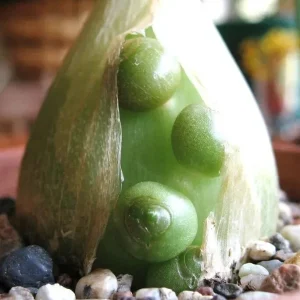
Embark on an exciting horticultural journey by growing your own Lithops Living Stones seeds. These remarkable succulents, often referred to as ‘living stones’ due to their uncanny resemblance to pebbles and rocks, are native to Southern Africa and have captivated plant enthusiasts worldwide. Each seed holds the potential to grow into a unique, compact plant that adds an element of natural artistry to your home or garden. Ideal for succulent collectors, bonsai enthusiasts, or anyone looking for a low-maintenance yet visually striking plant, these Lithops Living Stones seeds offer a rewarding and engaging growing experience. Their unusual appearance and relatively simple care make them a fantastic choice for both novice gardeners and seasoned plant parents seeking something out of the ordinary.
Growing Lithops Living Stones seeds allows you to witness the entire life cycle of these intriguing plants, from tiny seed to mature ‘stone’. They are particularly prized for their ability to blend seamlessly into rocky landscapes, a survival mechanism that also makes them a fascinating display plant. With proper care, these seeds will germinate and develop into vibrant, individual specimens, each with its own unique pattern and coloration, truly embodying the wonder of nature.
Key Benefits
Growing Lithops Living Stones seeds offers a multitude of benefits, both for the gardener and the environment. These unique plants are more than just decorative; they bring a touch of the extraordinary into your living space, making them a conversation starter and a source of natural beauty. The process of cultivating them from seed is also incredibly rewarding.
- Unique Aesthetic Appeal: Lithops Living Stones seeds grow into plants that are renowned for their incredible mimicry, appearing like colorful pebbles. This camouflaged appearance makes them an unparalleled decorative element for miniature gardens, terrariums, or as standalone specimens on a windowsill.
- Low Maintenance: Once established, Lithops plants are incredibly drought-tolerant and require minimal watering, making them perfect for busy individuals or those new to gardening. Their care routine is straightforward, focusing on proper light and infrequent watering.
- Space-Saving Size: These compact succulents are perfect for small spaces, apartments, or office desks. They don’t take up much room but offer a huge visual impact, allowing you to enjoy nature’s beauty even in confined areas.
- Educational Experience: Cultivating Lithops Living Stones seeds from scratch provides an engaging and educational experience, allowing you to observe the germination and growth process of these unique plants firsthand. It’s a great project for families or anyone interested in botany.
- Drought Tolerant: As desert natives, Lithops are exceptionally well-suited to dry conditions, requiring very little water. This makes them a sustainable choice and reduces the need for frequent attention, thriving where other plants might struggle.
- Pet Safe & Child Safe: These succulents are generally considered safe for pets and children, offering peace of mind for households with curious members. You can enjoy their beauty without worrying about toxicity.
- Year-Round Interest: While their most striking feature is their pebble-like form, Lithops also produce small, daisy-like flowers, typically in the fall or winter, adding another layer of charm to their year-round appeal.
Plant Care & Growing Tips
To successfully grow your Lithops Living Stones seeds into thriving plants, understanding their specific care requirements is crucial. These desert succulents have unique needs that differ from many other houseplants, primarily due to their natural habitat. Providing the right environment will ensure healthy growth and the chance to witness their fascinating transformation.
Sunlight requirements: Lithops thrive in abundant light. They need at least 4-5 hours of direct sunlight daily, ideally from a south-facing window if grown indoors. If outdoor conditions permit, full sun is beneficial, but protect them from extreme, scorching afternoon sun in very hot climates. Insufficient light can lead to etiolation, where the plants stretch and lose their compact, stone-like appearance. Rotate your pots occasionally to ensure even light exposure. Proper lighting is key to developing vibrant colors and robust growth for your Lithops plant care.
Watering schedule and soil moisture preferences: This is arguably the most critical aspect of Lithops plant care. Lithops have a very distinct watering cycle. Water sparingly and deeply only when the plant shows signs of thirst (e.g., the tops appear slightly sunken or wrinkled). Overwatering is the quickest way to kill Lithops, as it can lead to rot. During their dormant periods (usually summer and winter), watering should be almost completely withheld. When in doubt, it’s always better to underwater than overwater. Ensure the soil dries out completely between waterings.
Soil type and drainage requirements: Lithops require extremely well-draining soil. A specialized succulent or cactus mix, often amended with extra perlite, pumice, or coarse sand, is ideal. The soil should dry quickly to prevent root rot. Avoid heavy potting soils that retain too much moisture. A soil pH that is slightly acidic to neutral is generally preferred.
Temperature range and USDA hardiness zone: Lithops prefer warm temperatures, typically between 65-80°F (18-27°C). They can tolerate cooler temperatures down to about 50°F (10°C) but should be protected from frost. Most Lithops are suitable for USDA zones 9-11 if grown outdoors, but they are primarily cultivated as indoor plants in most regions due to their specific environmental needs. Protect them from sudden temperature drops.
Fertilization schedule and type: Lithops are not heavy feeders and generally do not require much fertilizer. If you choose to fertilize, do so very sparingly and only during their active growing season (typically fall to spring, avoiding their summer dormancy). Use a highly diluted, low-nitrogen fertilizer specifically formulated for succulents or cacti. Over-fertilization can harm these sensitive plants.
Common problems and solutions: The most common issues with Lithops are related to improper watering. Overwatering leads to rot, while extreme underwatering can cause them to shrivel excessively. If you see signs of rot (mushy texture), it may be too late, but you can try to salvage by drying out thoroughly. Shriveled plants usually recover with a careful watering. Pests are rare but can include mealybugs; treat with rubbing alcohol on a cotton swab. Ensure good air circulation to prevent fungal issues.
Size & Details
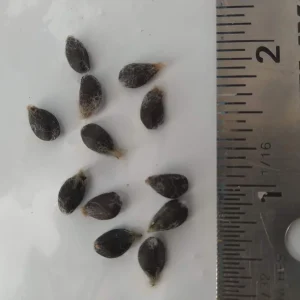
The Lithops Living Stones seeds you will receive are tiny, but each holds the promise of a unique and fascinating plant. Once germinated, these succulents typically grow to be quite small and compact, usually reaching an adult size of about 0.5 to 1.5 inches in diameter, depending on the species and growing conditions. Their slow growth rate contributes to their miniature, ‘bonsai’ aesthetic, making them perfect for detailed succulent arrangements or as individual specimens. They typically ship as a packet of seeds, ready for you to begin your cultivation journey. With proper care and patience, you can expect to see germination within a few weeks to a few months, and the plants will gradually mature over several years, developing their distinctive patterns and occasional flowers. Their small stature and unique form make them a delightful addition to any collection, especially for those interested in bonsai succulent seeds or other miniature plant varieties.
Frequently Asked Questions
- Q: How big do these Lithops plants get? A: Once mature, individual Lithops Living Stones plants typically range from 0.5 to 1.5 inches in diameter. Their size can vary slightly depending on the specific species and the care they receive.
- Q: Are these an indoor or outdoor plant? A: While they can be grown outdoors in very specific, arid climates (USDA zones 9-11), Lithops are most commonly and successfully cultivated as indoor plants, especially in regions with colder winters or high humidity.
- Q: How much sunlight do Lithops need? A: Lithops require ample bright light, preferably 4-5 hours of direct sunlight per day. A south-facing window is often ideal for indoor growth to ensure they get enough light to thrive.
- Q: Is this plant easy to care for? Is it good for beginners? A: Lithops are considered relatively easy to care for once you understand their specific watering and light requirements. They are drought-tolerant and low-maintenance, making them suitable for beginners willing to learn their unique needs. Proper Lithops plant care is crucial.
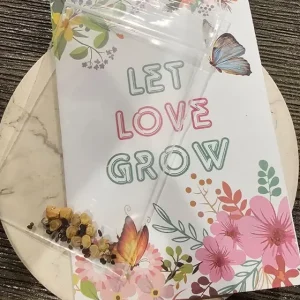
- Q: What condition will the seeds arrive in? A: The product consists of Lithops Living Stones seeds, which will arrive in a protective packet, ready for planting. You will not receive a live plant or cutting.
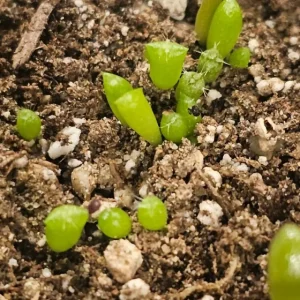
- Q: How long until Lithops seeds germinate? A: Germination time can vary widely, from a few weeks to several months, depending on environmental conditions like temperature, humidity, and light. Patience is key when growing rare succulent seeds.
- Q: Will Lithops survive winter in my zone? A: If you live outside of USDA zones 9-11, it is highly recommended to grow Lithops indoors to protect them from cold temperatures and frost. They are not tolerant of freezing conditions.
- Q: What is the best soil for growing Lithops from seeds? A: Use a highly porous, well-draining soil mix, typically a specialized succulent or cactus blend amended with extra grit like perlite, pumice, or coarse sand to ensure quick drainage.
- Q: Do Lithops produce flowers? A: Yes, mature Lithops plants can produce small, daisy-like flowers, typically in white or yellow, during the fall or winter months, adding to their charm.
- Q: Are these seeds suitable for creating a bonsai succulent? A: While not a traditional bonsai, the naturally compact size and slow growth of Lithops make them an excellent choice for miniature landscapes and ‘bonsai succulent’ styles, offering a similar aesthetic.
Related products
-50%

Original price was: $23.96.$11.98Current price is: $11.98.
-50%
Original price was: $11.96.$5.98Current price is: $5.98.
-50%
Original price was: $31.96.$15.98Current price is: $15.98.
-50%
From Original price was: $8.52.$4.26Current price is: $4.26.
-50%
Original price was: $22.48.$11.24Current price is: $11.24.
-50%
From Original price was: $8.52.$4.26Current price is: $4.26.
-50%
Original price was: $32.00.$16.00Current price is: $16.00.
-50%
Original price was: $18.76.$9.38Current price is: $9.38.
PLANTING & CARE
Growing Glencoe Raspberry: A Complete Guide for Gardeners
If you’re looking to add something unique to your garden, look no further than the
31
Mar
Mar

The Comprehensive Guide to Growing Bay Leaf Plants for a Flavorful Garden
Imagine stepping into your garden, greeted by the earthy aroma of fresh bay leaves, their
09
Feb
Feb

How to Make Comfrey Tea: The Ultimate Organic Plant Food
Growing an organic garden can be surprisingly expensive, especially when most store-bought fertilizers come in
02
Feb
Feb

True Comfrey: 7 Essential Tips Before You Plant This Herb
A staple in permaculture practices across the US, True Comfrey easily earns its reputation as
27
Jan
Jan

7 Heart-Shaped Plants for a Lasting Valentine’s Gift
If you’ve ever bought a bouquet of roses for Valentine’s Day, you know they are
26
Jan
Jan

Best Types of Ivy Plant for Houses: How to Choose the Perfect Ones for Your Home
Are you a garden lover looking to introduce some greenery into your home? Maybe you’ve
14
Nov
Nov

When to Harvest Garlic (Especially Fall-Planted Garlic)
TIMING IS EVERYTHING, they say – and for garlic, that truth hits with surprising accuracy.
13
Nov
Nov

11 of the Best Sweet Potato Varieties to Grow for Your Garden
If you’ve ever tried growing sweet potatoes, you know that picking the right variety can
12
Nov
Nov