Live Citronella Mosquito Repellent Plant – 4.5″ Pot – Outdoor Herb
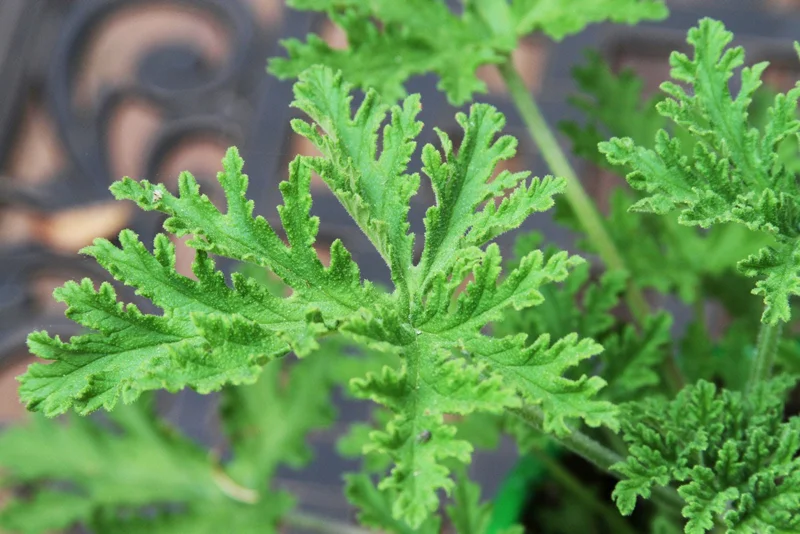
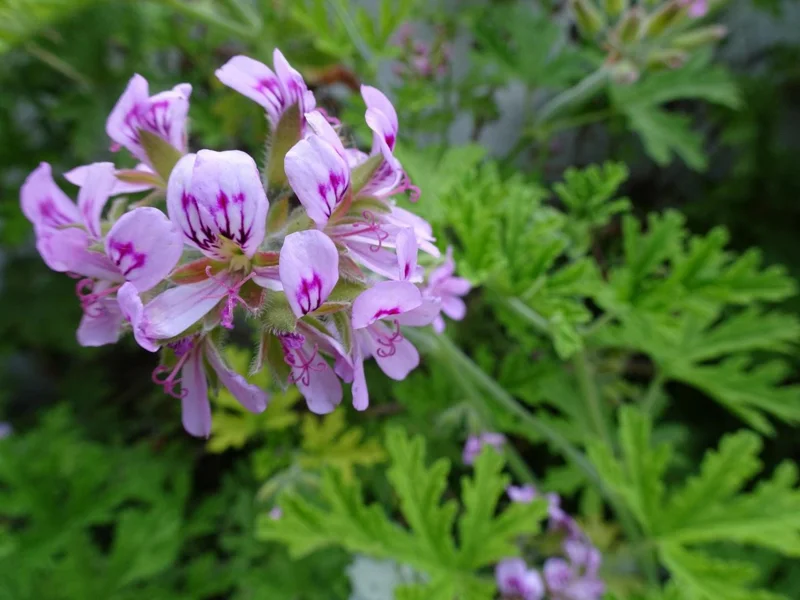
Live Citronella Mosquito Repellent Plant – 4.5″ Pot – Outdoor Herb
Bring home a live citronella plant to naturally deter mosquitoes while adding a lovely fragrance to your outdoor space. This robust herb, supplied in a 4.5″ pot, is ready for planting in your garden or patio container, offering both beauty and practical benefits.
$35.98

With our Alive & Thrive Guarantee, we’ve got your back for the first 30 days! If you have any concerns about your plants, just reach out to us. Our team is here to help answer your questions and guide you in selecting the best plants for your garden, climate, and unique preferences. We're excited to help you create the garden of your dreams!
Estimated arrival
Aug 16
Aug 21 - Aug 23
Aug 26 - Aug 30
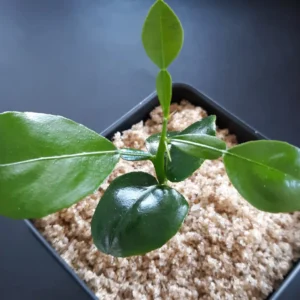
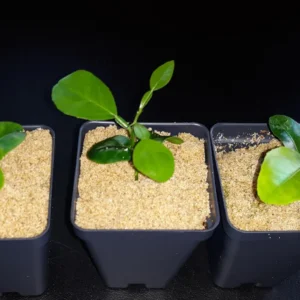
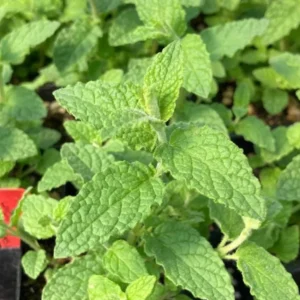
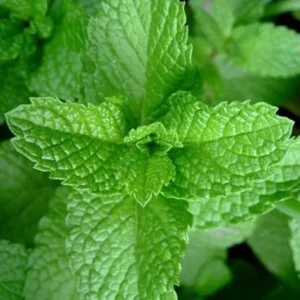
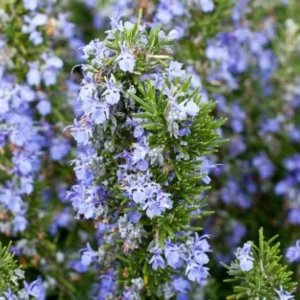
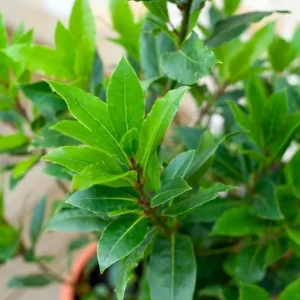
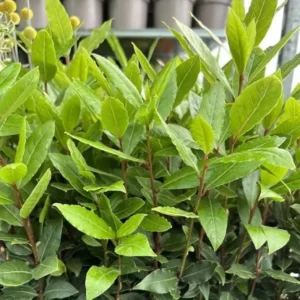
Product Details
-
USDA Hardiness Zone
USDA zones 9–11 (as perennial), annual elsewhere -
Soil type
Well-draining potting mix or garden soil -
Sunlight Exposure
Full sun to partial shade -
Expected Planting Period
Spring to early summer (after last frost)
Overview
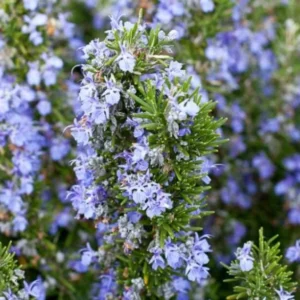
Enhance your outdoor living areas with the natural beauty and functional benefits of a live citronella plant. Known for its distinctive citrusy scent, this popular herb is widely recognized for its ability to help deter mosquitoes, making it an excellent addition to patios, decks, and garden beds. Each plant is carefully cultivated to ensure a healthy start, arriving ready to thrive in its new environment. Beyond its repellent qualities, the citronella mosquito plant can also produce charming flowers, adding an ornamental touch to your landscape. Our plants are grown with care, ensuring multiple stalks or shoots in a 4.5″ diameter area, providing a lush and vibrant specimen for your home or garden.
The scientific name for the plant commonly marketed as a ‘citronella plant’ for mosquito repellent is often Pelargonium citrosum, also known as the ‘mosquito geranium.’ While true citronella oil comes from grasses like Cymbopogon nardus or Cymbopogon winterianus, the live citronella plant (Pelargonium citrosum) offers a similar citrusy aroma when its leaves are bruised, which helps in creating a less inviting environment for mosquitoes. This versatile plant is ideal for those seeking an attractive and aromatic solution for outdoor mosquito control.
Key Benefits
A live citronella plant offers numerous advantages for any garden or outdoor space. Its unique properties and ease of care make it a favorite among gardeners:
- Natural Mosquito Deterrent: The primary benefit of this plant is its natural ability to help repel mosquitoes. When its leaves are brushed or crushed, they release a strong, pleasant citrus scent that is known to deter these pesky insects, allowing for more comfortable outdoor enjoyment.
- Aromatic Foliage: Enjoy the delightful, fresh citrus fragrance that emanates from the leaves of the citronella mosquito plant. This aroma not only helps keep bugs away but also adds a refreshing scent to your garden, patio, or balcony.
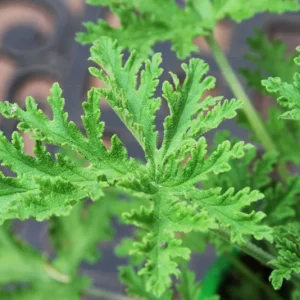
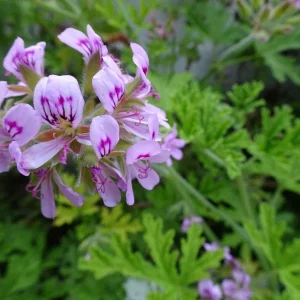
- Ornamental Value: Beyond its functional attributes, the citronella plant is an attractive addition to any landscape. Its lobed, deeply cut green leaves provide a lush texture, and it can produce delicate, small, often pinkish-purple flowers, enhancing its visual appeal.
- Easy to Grow: This herb is relatively low-maintenance, making it suitable for both experienced gardeners and beginners. It thrives with minimal fuss, requiring basic care to flourish.
- Versatile Planting Options: Whether you prefer planting it directly in the ground, in decorative pots, or in hanging baskets, the citronella herb adapts well to various planting schemes. Its adaptability makes it perfect for creating a protective barrier around seating areas.
- Pet-Friendly Option: While always advisable to monitor pets around new plants, Pelargonium citrosum is generally considered less toxic than some other plants, offering a potentially safer choice for gardens where pets roam.
- Supports Local Ecosystems: While deterring mosquitoes, the plant’s flowers can still attract beneficial pollinators like bees and butterflies, contributing positively to your garden’s biodiversity.
Plant Care & Growing Tips
Caring for your live citronella plant is straightforward, ensuring you can enjoy its benefits with ease. These plants thrive in conditions that mimic their natural habitat. For optimal growth and fragrance production, understanding their basic needs is key. The citronella mosquito plant is a sun-loving herb, requiring ample light to flourish and produce its aromatic compounds effectively.
Sunlight Requirements
For best results, your live citronella plant needs at least 6 hours of direct sunlight per day. It prefers full sun exposure, but can tolerate partial shade, especially in hotter climates where afternoon sun can be intense. When planting in containers, ensure they are placed in a location that receives bright, direct light throughout most of the day. If growing indoors, place it near a south-facing window or provide supplemental grow lights.
Watering Schedule and Soil Moisture
Citronella plants prefer consistently moist, but not waterlogged, soil. Water thoroughly when the top inch of soil feels dry to the touch. During hot, dry periods, you may need to water more frequently. Ensure proper drainage to prevent root rot, as these plants do not tolerate standing water. Reduce watering in cooler months when the plant’s growth slows down.
Soil Type and Drainage
A well-draining soil mix is crucial for the health of your citronella herb. A good quality potting mix amended with perlite or sand will provide the necessary drainage. If planting in the ground, ensure your garden soil is not heavy clay; amend with compost and sand to improve aeration and drainage. A slightly acidic to neutral pH (6.0-7.0) is ideal.
Temperature Range and USDA Hardiness Zone
The live citronella plant is typically grown as an annual in most climates, but it can be a perennial in warmer regions. It thrives in warm temperatures, ideally between 65°F and 80°F (18°C and 27°C). It is sensitive to frost and will not survive freezing temperatures. It is generally hardy in USDA zones 9–11. In cooler zones, it can be grown in pots and brought indoors before the first frost, or treated as an annual.
Fertilization Schedule and Type
Feed your citronella plant with a balanced liquid fertilizer every 2-4 weeks during the active growing season (spring and summer). Reduce fertilization in fall and winter. Avoid over-fertilizing, which can lead to lush foliage but fewer aromatic oils. A slow-release granular fertilizer can also be incorporated into the soil at the beginning of the growing season.
Common Problems and Solutions
Citronella plants are generally resilient but can occasionally encounter issues. Yellowing leaves often indicate overwatering or nutrient deficiency; adjust watering and fertilize as needed. Pests like aphids or spider mites can sometimes appear; treat with insecticidal soap or neem oil. Ensure good air circulation to prevent fungal diseases, especially if growing in humid conditions.
Size & Details
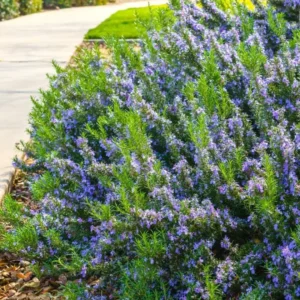
Each live citronella plant is carefully cultivated and shipped in a 4.5″ nursery pot, providing a robust root system and multiple healthy stalks or shoots, typically reaching 6-10 inches in height upon arrival. These plants are ready for immediate transplanting into your garden beds, larger patio containers, or decorative pots. When mature, these plants can grow to an average height of 2-3 feet and spread about 1-2 feet wide, forming a bushy, aromatic presence. The growth rate is moderate, allowing you to quickly establish a fragrant and functional barrier against mosquitoes.
The mosquito repellent plant is a vigorous grower under ideal conditions, quickly filling out its space. It is shipped as a well-established plant, not seeds or bulbs, ensuring a head start in your gardening efforts. Expect continuous growth throughout the warm season, with potential for small, delicate blooms appearing from late spring through summer, adding to its charm. For those in colder climates, it can be easily overwintered indoors, continuing to provide its benefits year-round.
Frequently Asked Questions
- Q: How big does this live citronella plant get? A: When mature, the live citronella plant typically reaches a height of 2-3 feet and spreads about 1-2 feet wide, creating a substantial bushy presence. Its size makes it ideal for both garden beds and larger containers.
- Q: What size pot does it come in? A: Each citronella mosquito plant is shipped in a 4.5″ diameter nursery pot, ensuring it has a healthy root system and is ready for immediate planting upon arrival.
- Q: Is this an indoor or outdoor plant? A: While primarily grown outdoors for its mosquito-repelling qualities, the citronella herb can be brought indoors during colder months. It thrives outdoors in full sun during warm seasons.
- Q: How much sunlight does it need? A: For optimal growth and fragrance, your live citronella plant requires at least 6 hours of direct sunlight daily. It can tolerate some partial shade, especially in very hot climates.
- Q: Is this plant easy to care for? A: Yes, the citronella plant is considered relatively easy to care for, making it a good choice for gardeners of all experience levels. It primarily needs consistent watering and plenty of sunlight.
- Q: What condition will it arrive in? A: Your plant will arrive as a healthy, live specimen with multiple stalks or shoots, well-rooted in its 4.5″ pot, ready for planting. We pack carefully to ensure its safe journey.
- Q: Can I use the leaves of the citronella mosquito plant? A: While the plant’s leaves release a fragrance when bruised, they are not typically used for culinary purposes like traditional herbs. They are primarily valued for their aromatic mosquito-deterring properties.
- Q: When is the best time to plant a mosquito repellent plant? A: The best time to plant your mosquito repellent plant outdoors is after all danger of frost has passed in spring, typically when nighttime temperatures consistently stay above 50°F (10°C).
- Q: What’s the minimum temperature this plant can tolerate? A: The citronella plant is sensitive to cold and frost. It will not survive temperatures below freezing (32°F or 0°C). In zones colder than USDA 9, it should be treated as an annual or brought indoors for winter.
- Q: Is this plant pet-safe? A: While generally considered less toxic than some other plants, it’s always best to monitor pets around new plants. If ingested in large quantities, it could cause mild digestive upset.
Related products
-20%
Original price was: $35.00.$28.00Current price is: $28.00.
-30%
Original price was: $67.98.$47.58Current price is: $47.58.
-20%
From Original price was: $22.00.$17.60Current price is: $17.60.
-50%
Original price was: $53.98.$26.99Current price is: $26.99.
-58%
Original price was: $39.99.$16.99Current price is: $16.99.
-67%
Original price was: $75.72.$25.24Current price is: $25.24.
-30%
Original price was: $57.98.$40.58Current price is: $40.58.
-30%
Original price was: $59.98.$41.98Current price is: $41.98.
PLANTING & CARE
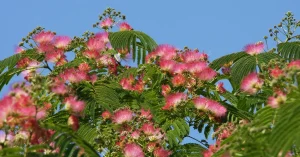
How to Grow Persian Silk Trees Easily in Your Garden
If you’re looking for a tree that brings a soft, tropical feel to your garden,
04
Aug
Aug
How to Grow Blue Java Banana Trees: A Beginner’s Guide
Have you ever heard of the Blue Java banana tree? If not, you’re in for
28
Jun
Jun
5 Common Blue Java Banana Tree Problems and How to Fix Them
Have you ever looked at your Blue Java banana tree (aka “ice cream banana”) and
19
Jun
Jun
Top 10 Plants for Father’s Day to Honor Dad This Father’s Day
Father’s Day is a special time to show your dad just how much he means
19
Jun
Jun

The Comprehensive Guide to Growing Bougainvillea for Colorful Blooms
Have you ever wanted your garden to be filled with brilliant color and tropical energy
19
Jun
Jun
How to Successfully Plant Bare Root Strawberries in Containers
Have you ever wondered about planting strawberries in containers, but aren’t sure where to begin?
11
Jun
Jun
Top 5 Easiest Ornamental Trees to Grow for Beginners
Ever feel overwhelmed by the idea of planting a tree in your yard? You’re not
11
Jun
Jun

Growing Glencoe Raspberry: A Complete Guide for Gardeners
If you’re looking to add something unique to your garden, look no further than the
31
Mar
Mar