Live Elderberry Plant – Sambucus – Outdoor Plant – Healthy Seedling
Live Elderberry Plant – Sambucus – Outdoor Plant – Healthy Seedling
Add a touch of nature to your garden with the elderberry plant. This live plant thrives outdoors, offering delicious berries and vibrant leaves.
$30.00

With our Alive & Thrive Guarantee, we’ve got your back for the first 30 days! If you have any concerns about your plants, just reach out to us. Our team is here to help answer your questions and guide you in selecting the best plants for your garden, climate, and unique preferences. We're excited to help you create the garden of your dreams!
Estimated arrival
Apr 01
Apr 06 - Apr 08
Apr 11 - Apr 15
Product Details
-
USDA Hardiness Zone
USDA zones 3–8 -
Soil type
well-draining soil -
Sunlight Exposure
full sun to partial shade -
Expected Planting Period
spring to early summer
Overview
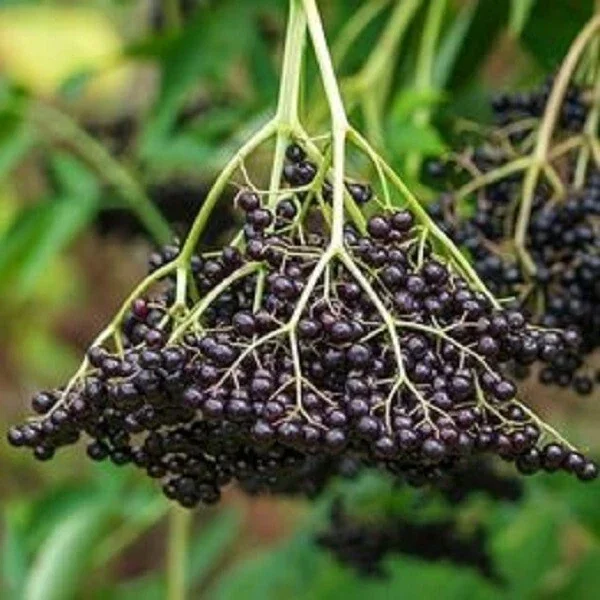
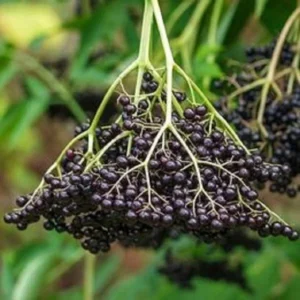
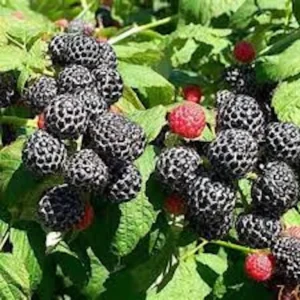
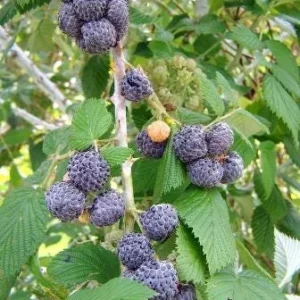
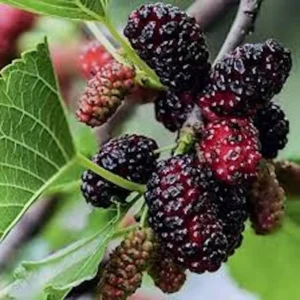
The elderberry plant (Sambucus) is a versatile live plant that brings beauty and functionality to your garden. Known for its clusters of small white flowers followed by dark purple berries, this plant is not only attractive but also beneficial for wildlife. The elderberry plant is perfect for outdoor settings, attracting pollinators and providing food for birds. Whether you’re looking to create a wildlife-friendly garden or just want to enjoy the rich flavors of elderberry, this plant is a fantastic choice.
This hardy shrub can adapt to various soil types and conditions, making it a suitable addition for both novice and experienced gardeners alike. With its ability to thrive in different environments, the elderberry plant stands out as a must-have for any garden.
Key Benefits
The elderberry plant offers numerous advantages that make it a valuable addition to any garden. Here are some key benefits:
- Attractive Foliage: The lush green leaves provide an appealing backdrop in your garden, enhancing the overall aesthetic.
- Wildlife Friendly: Attracts birds and beneficial insects, creating a vibrant ecosystem in your backyard.
- Culinary Uses: The berries can be used to make jams, jellies, and even wine, providing delicious homemade treats.
- Medicinal Properties: Elderberries are known for their health benefits, including immune support and antioxidant properties.
- Low Maintenance: Once established, elderberry plants require minimal care, making them perfect for busy gardeners.
- Fast Growth: This plant grows quickly, providing shade and cover in a short period.
- Versatile Landscaping: Can be used in borders, hedges, or as a standalone feature in your garden.
Plant Care & Growing Tips
To ensure the success of your elderberry plant, follow these care guidelines:
1. **Sunlight Requirements:** Elderberry plants thrive in full sun to partial shade. Aim for at least 6 hours of direct sunlight daily for optimal growth. If planted in a shaded area, ensure it still receives some sunlight throughout the day.
2. **Watering Schedule:** Keep the soil consistently moist, especially during dry spells. Water deeply to encourage root development, but avoid waterlogging, which can lead to root rot.
3. **Soil Type:** A well-draining soil mix is ideal. Elderberries prefer loamy soil enriched with organic matter. Consider adding compost to improve soil structure and fertility.
4. **Temperature Range:** This plant is hardy in USDA zones 3 to 8. It can withstand cold winters and hot summers, making it adaptable to various climates.
5. **Fertilization Schedule:** Fertilize in early spring with a balanced fertilizer to promote healthy growth. Avoid over-fertilizing, as it can lead to excessive leaf growth with fewer berries.
6. **Common Problems:** Watch for aphids and spider mites, which can affect elderberry plants. Regular inspections and natural pest control methods can help keep these pests at bay.
Size & Details
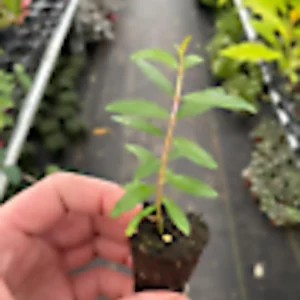
The elderberry plant typically grows between 5 to 12 feet tall, depending on the variety and growing conditions. It is known to spread 4 to 10 feet wide, making it suitable for hedging or as a standalone garden feature. This plant ships as a healthy seedling in a pot, ready for planting. Expect your elderberry to start producing berries within 2 to 3 years after planting, adding delicious fruit to your garden.
Frequently Asked Questions
- Q: How big does this plant get? A: The elderberry plant can grow between 5 to 12 feet tall and spread 4 to 10 feet wide, depending on the variety.
- Q: Is this an indoor or outdoor plant? A: The elderberry plant is best suited for outdoor planting, where it can thrive in full sun or partial shade.
- Q: How much sunlight does it need? A: It requires at least 6 hours of direct sunlight daily for optimal growth.
- Q: Is this plant easy to care for? A: Yes, the elderberry plant is low maintenance once established, requiring basic care such as watering and occasional fertilization.
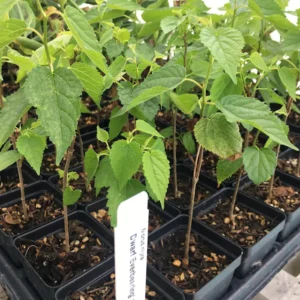
- Q: What condition will it arrive in? A: It will arrive as a healthy seedling in a pot, ready for planting in your garden.
- Q: Can I use elderberry in cooking? A: Absolutely! Elderberries can be used to make jams, jellies, and syrups, adding unique flavors to your culinary creations.
- Q: How long until it blooms? A: The elderberry plant typically produces flowers in late spring, followed by berries in late summer.
- Q: Will it survive winter in my zone? A: Yes, the elderberry plant is hardy in USDA zones 3 to 8, making it suitable for a range of climates.
Related products
-10%
Original price was: $23.99.$21.59Current price is: $21.59.
-20%
Original price was: $32.00.$25.60Current price is: $25.60.
-10%
Original price was: $28.99.$26.09Current price is: $26.09.
-20%
Original price was: $32.00.$25.60Current price is: $25.60.
-10%
Original price was: $48.99.$44.09Current price is: $44.09.
-20%
Original price was: $80.00.$64.00Current price is: $64.00.
-20%
Original price was: $50.00.$40.00Current price is: $40.00.
PLANTING & CARE

Growing Glencoe Raspberry: A Complete Guide for Gardeners
If you’re looking to add something unique to your garden, look no further than the
31
Mar
Mar

The Comprehensive Guide to Growing Bay Leaf Plants for a Flavorful Garden
Imagine stepping into your garden, greeted by the earthy aroma of fresh bay leaves, their
09
Feb
Feb

How to Make Comfrey Tea: The Ultimate Organic Plant Food
Growing an organic garden can be surprisingly expensive, especially when most store-bought fertilizers come in
02
Feb
Feb

True Comfrey: 7 Essential Tips Before You Plant This Herb
A staple in permaculture practices across the US, True Comfrey easily earns its reputation as
27
Jan
Jan

7 Heart-Shaped Plants for a Lasting Valentine’s Gift
If you’ve ever bought a bouquet of roses for Valentine’s Day, you know they are
26
Jan
Jan

Best Types of Ivy Plant for Houses: How to Choose the Perfect Ones for Your Home
Are you a garden lover looking to introduce some greenery into your home? Maybe you’ve
14
Nov
Nov

When to Harvest Garlic (Especially Fall-Planted Garlic)
TIMING IS EVERYTHING, they say – and for garlic, that truth hits with surprising accuracy.
13
Nov
Nov

11 of the Best Sweet Potato Varieties to Grow for Your Garden
If you’ve ever tried growing sweet potatoes, you know that picking the right variety can
12
Nov
Nov