Live Hickory King Nut Tree – Carya Genus – Live Plant – 3 ft Tall – Outdoor
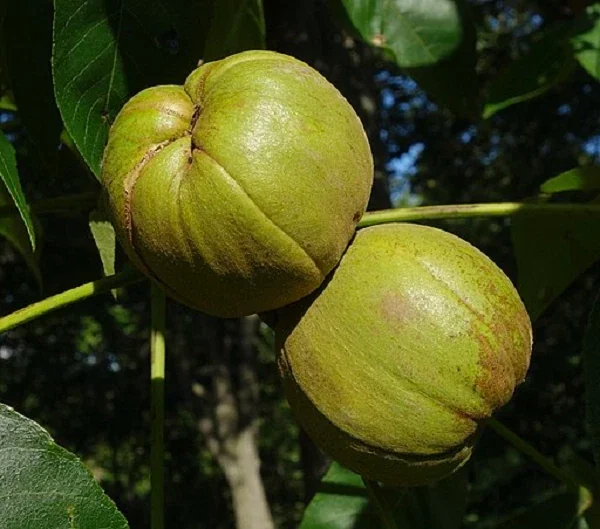
Live Hickory King Nut Tree – Carya Genus – Live Plant – 3 ft Tall – Outdoor
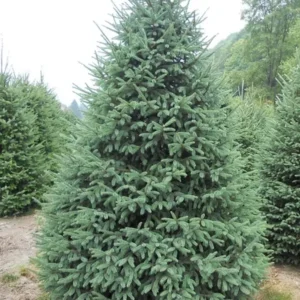
This live hickory king nut tree is a stunning addition to your outdoor space, providing ample shade and the enjoyment of nut harvesting. Grows up to 3 feet tall, it’s perfect for enhancing your garden.
$50.00

With our Alive & Thrive Guarantee, we’ve got your back for the first 30 days! If you have any concerns about your plants, just reach out to us. Our team is here to help answer your questions and guide you in selecting the best plants for your garden, climate, and unique preferences. We're excited to help you create the garden of your dreams!
Estimated arrival
Jan 07
Jan 12 - Jan 14
Jan 17 - Jan 21



Product Details
-
USDA Hardiness Zone
USDA zones 4-8 -
Soil type
loamy or sandy soil -
Sunlight Exposure
full sun -
Expected Planting Period
spring to early summer
Overview
The live hickory king nut tree is a beautiful and robust addition to any outdoor garden. Known scientifically as Carya, this tree is celebrated for its hardiness and ability to produce delicious nuts. Growing up to 3 feet tall, it serves not only as a source of shade but also provides nuts that can be harvested and enjoyed. This tree thrives in various climates and is perfect for those looking to enhance their landscape with a functional yet attractive plant.
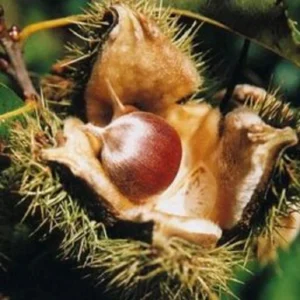
Hickory trees are known for their strength and durability, making them an excellent choice for gardeners looking for longevity and sustainability in their plants. The king nut variety is particularly admired for its large, flavorful nuts, making it a favorite among nut enthusiasts.
Key Benefits
This tree offers numerous benefits that make it a great choice for your garden:
- Nut Production: The hickory nuts produced by this tree are not only delicious but also nutritious, providing a great source of healthy fats.
- Shade Provider: As it matures, the hickory tree will provide ample shade, making it a perfect spot for relaxation in your garden.
- Wildlife Habitat: This tree attracts various wildlife, including birds and squirrels, contributing to a vibrant ecosystem in your yard.
- Low Maintenance: Once established, hickory trees require minimal care, making them suitable for both novice and experienced gardeners.
- Durability: Known for their hardiness, hickory trees can withstand harsh weather conditions, ensuring they thrive for years to come.
- Aesthetic Appeal: The elegant foliage and structure of the hickory tree add beauty to any landscape design.
- Versatile Uses: Beyond producing nuts, hickory wood is valuable for furniture making and smoking meats, offering additional benefits.
Plant Care & Growing Tips
Caring for your live hickory king nut tree involves understanding its specific needs:
Sunlight exposure is crucial. This tree thrives in full sun, requiring at least 6 to 8 hours of direct sunlight daily. When planting, ensure you choose a location that receives ample light. Watering should be consistent, especially during dry spells; maintaining moist but not soggy soil is vital. A well-draining soil mix is ideal for preventing root rot.
In terms of soil type, aim for loamy or sandy soil that allows for good drainage. Hickory trees prefer slightly acidic to neutral pH levels. Temperature-wise, they are adaptable but generally prefer USDA Hardiness Zones 4-8. Fertilization can be done in early spring using a balanced fertilizer to promote healthy growth.
Keep an eye out for common pests such as aphids and caterpillars. Regular checks can help you address any issues before they escalate. With the right care, your hickory tree can flourish and provide shade and nuts for years.
Size & Details
This live hickory king nut tree stands at approximately 3 feet tall and is shipped as a potted plant to ensure its roots remain healthy during transport. As it grows, you can expect it to reach heights of up to 50-100 feet at maturity, depending on the environment and care provided. The tree is known for its slow to moderate growth rate, making it an enduring feature in your garden.
Frequently Asked Questions
- Q: How big does this plant get? A: The hickory tree can grow up to 50-100 feet tall at maturity, providing significant shade.
- Q: Is this an indoor or outdoor plant? A: This tree is best suited for outdoor planting, where it can receive full sunlight.
- Q: How much sunlight does it need? A: The hickory tree requires full sun, ideally 6-8 hours of direct sunlight daily.
- Q: Is this plant easy to care for? A: Yes, it is low-maintenance once established, needing minimal care.
- Q: What condition will it arrive in? A: It will arrive as a healthy potted plant, ready for planting in your garden.
- Q: Can I use hickory nuts in cooking? A: Absolutely! Hickory nuts are delicious and can be used in various recipes.
- Q: How long until it blooms? A: Hickory trees can take several years to produce nuts, typically around 5-7 years after planting.
- Q: Will it survive winter in my zone? A: Yes, hickory trees are hardy in USDA Zones 4-8, making them suitable for cold climates.
- Q: What size pot does it come in? A: The tree ships in a standard nursery pot designed to support its root system.
- Q: What’s the minimum temperature it can tolerate? A: Hickory trees can tolerate temperatures as low as -10°F, depending on the variety.
Related products
PLANTING & CARE

Best Types of Ivy Plant for Houses: How to Choose the Perfect Ones for Your Home
Are you a garden lover looking to introduce some greenery into your home? Maybe you’ve
14
Nov
Nov

When to Harvest Garlic (Especially Fall-Planted Garlic)
TIMING IS EVERYTHING, they say – and for garlic, that truth hits with surprising accuracy.
13
Nov
Nov

11 of the Best Sweet Potato Varieties to Grow for Your Garden
If you’ve ever tried growing sweet potatoes, you know that picking the right variety can
12
Nov
Nov

The Comprehensive Guide to Growing Bay Leaf Plants for a Flavorful Garden
Imagine stepping into your garden, greeted by the earthy aroma of fresh bay leaves, their
10
Nov
Nov
Pruning Bougainvillea for Winter
Bougainvillea vines are known for their dazzling display of magenta, orange, and fuchsia bracts that
05
Nov
Nov
The Comprehensive Guide to Growing Clerodendrum Wallichii for a Stunning Garden
Imagine walking into a garden where delicate white flowers hang from graceful branches, their petals
03
Nov
Nov
8 Mistakes to Avoid When Planting Garlic That 90% of Gardeners Make
Planting garlic can be a rewarding experience, but many gardeners, especially beginners, end up making
29
Oct
Oct
Garlic Varieties: Everything You Need to Know Before Choosing the Right Type to Grow
If you’ve ever tried growing garlic, you know that choosing the right variety can make
28
Oct
Oct