Live Lavender Herb Plants 3-5″ – Fragrant Garden Seedlings
Live Lavender Herb Plants 3-5″ – Fragrant Garden Seedlings
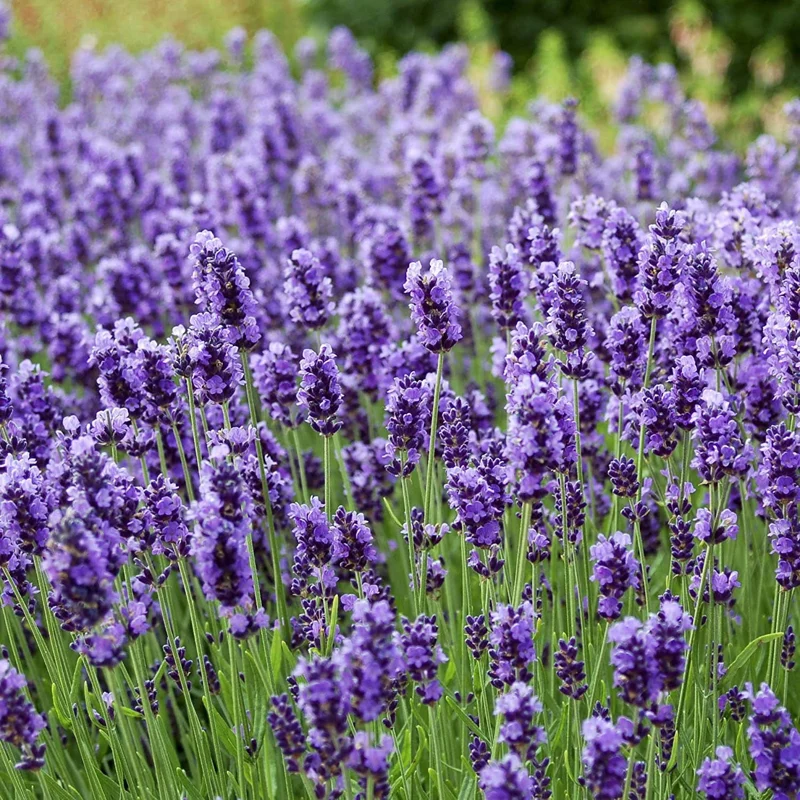
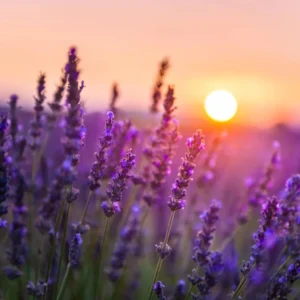
Bring the delightful scent of Provence to your home with these live lavender herb plant seedlings. Ranging from 3-5 inches, these healthy plants are ready to thrive in your garden or a pot, offering beautiful blooms and aromatic leaves for various uses.
$31.98

With our Alive & Thrive Guarantee, we’ve got your back for the first 30 days! If you have any concerns about your plants, just reach out to us. Our team is here to help answer your questions and guide you in selecting the best plants for your garden, climate, and unique preferences. We're excited to help you create the garden of your dreams!
Estimated arrival
Aug 16
Aug 21 - Aug 23
Aug 26 - Aug 30
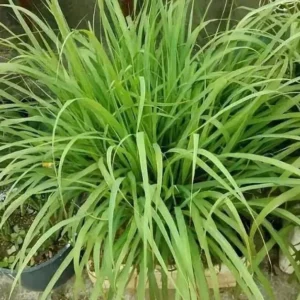
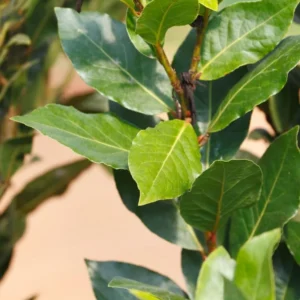
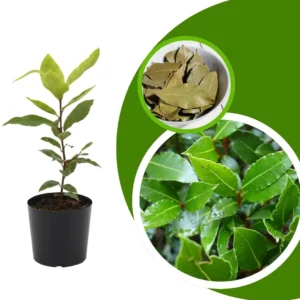
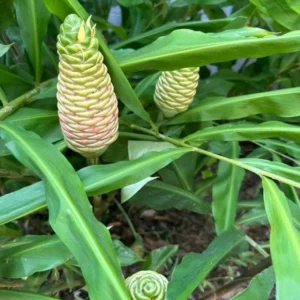
Product Details
-
USDA Hardiness Zone
USDA Zones 5-9 -
Soil type
Well-draining, sandy or gravelly soil -
Sunlight Exposure
Full sun (6-8+ hours daily) -
Expected Planting Period
Spring to early summer
Overview
Introduce the serene beauty and captivating fragrance of a live lavender herb plant into your garden or home. These robust seedlings, measuring 3-5 inches, are carefully cultivated to ensure a strong start, making them ideal for both novice and experienced gardeners. Lavender, scientifically known as Lavandula, is cherished globally for its calming aroma, stunning purple flowers, and versatility in culinary, medicinal, and ornamental applications. Our plants are grown with care, promising healthy roots and vigorous growth once transplanted. Whether you’re creating a fragrant herb garden, adding a touch of elegance to your landscape, or seeking a natural way to relax, these lavender plants are a perfect choice. They arrive ready for planting, eager to establish themselves and fill your space with their distinctive charm and beneficial properties.
Cultivating lavender from a seedling offers the satisfying experience of watching a plant mature and flourish. These young plants are past the delicate seed stage, providing a head start on developing into full, beautiful lavender bushes. Imagine the soothing scent wafting through your windows or the vibrant purple hues attracting beneficial pollinators to your yard. A live lavender herb plant is more than just a decoration; it’s an investment in tranquility and natural beauty, ready to transform your environment.
Key Benefits
A live lavender herb plant offers a multitude of benefits, enriching both your garden and your well-being. From its aesthetic appeal to its practical uses, lavender is a truly remarkable addition to any home.
- Aromatic Delight: Enjoy the distinctive, calming fragrance of lavender, known for its stress-reducing properties and ability to create a peaceful atmosphere. Perfect for aromatherapy or simply enhancing your outdoor living space.
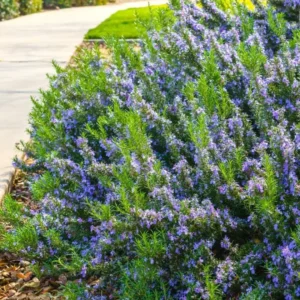
- Beautiful Blooms: Adorn your garden with spikes of vibrant purple flowers that add a touch of elegance and visual interest from late spring through summer. These blooms are also excellent for cutting and drying.
- Attracts Pollinators: Lavender flowers are a magnet for bees, butterflies, and other beneficial pollinators, contributing to the health and biodiversity of your garden ecosystem.
- Culinary Versatility: The fragrant flowers and leaves can be used in a variety of culinary creations, from baking and desserts to herbal teas and savory dishes. Explore the unique flavor profile lavender brings.
- Drought Tolerant: Once established, lavender is remarkably drought-tolerant, making it a sustainable choice for water-wise gardening in many climates.
- Low Maintenance: These plants are generally easy to care for, requiring minimal attention once they are settled in their environment, making them suitable for busy gardeners.
- Natural Repellent: The strong scent of lavender can help deter common garden pests, providing a natural and pleasant alternative to chemical repellents.
Plant Care & Growing Tips
Ensuring your live lavender herb plant thrives requires understanding its basic needs, which are relatively straightforward. Lavender generally prefers conditions that mimic its Mediterranean origins: plenty of sun and well-drained soil. For sunlight, aim for at least 6-8 hours of direct sunlight per day. Full sun is crucial for abundant blooms and strong aromatic oil production. If planting indoors, place it in a south-facing window or under a grow light to provide adequate light exposure.
When it comes to watering, less is often more with lavender. Allow the soil to dry out completely between waterings to prevent root rot. Overwatering is one of the most common causes of lavender failure. For soil, a well-draining, slightly alkaline mix is ideal. Amend heavy clay soils with sand or gravel to improve drainage. Good air circulation around the plant is also beneficial. Lavender is hardy in USDA zones 5-9, tolerating a range of temperatures. In colder zones, consider providing winter protection or growing lavender in pots that can be moved indoors. Fertilization is rarely needed; lavender thrives in lean soil, and too much fertilizer can lead to lush foliage but fewer flowers. Pruning is essential for maintaining a compact shape and encouraging new growth and flowering. Prune after the first flush of flowers and again lightly in late summer or early fall. Watch out for fungal diseases in overly humid conditions and ensure proper spacing between plants to enhance air circulation.
For those interested in growing lavender from seedling, transplanting is key. Gently remove the seedling from its nursery pot, being careful not to disturb the root ball too much. Plant it at the same depth it was in the pot. Water thoroughly after planting, then reduce watering frequency as the plant establishes. Regular deadheading of spent blooms will encourage more flowering. With proper care, your live lavender herb plant will provide years of beauty and fragrance.
Size & Details
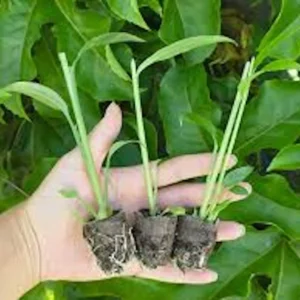
These live lavender herb plant seedlings arrive at an ideal size for transplanting, typically measuring between 3 to 5 inches tall. Each plant is carefully selected to have 3-6 strong stalks emerging from a healthy main stem, indicating robust growth potential. They are shipped as established seedlings, ready to be planted directly into your garden beds, raised planters, or into larger pots for windowsill or patio display. While the initial size is compact, lavender is a relatively fast grower in optimal conditions, and you can expect these plants to mature into full, bushy specimens within one to two growing seasons, reaching heights of 18-24 inches and similar widths, depending on the variety and growing conditions. They are currently in a stage where they are developing a strong root system, which is crucial for long-term health and vibrant flowering. Expect the first fragrant blooms to appear in late spring or early summer of the first full growing season after planting.
Frequently Asked Questions
- Q: How big does this live lavender herb plant get? A: These seedlings are 3-5 inches tall upon arrival. Once established and mature, most lavender varieties can grow to be 18-24 inches tall and wide, depending on the specific type and growing conditions.
- Q: Is this an indoor or outdoor plant? A: Lavender thrives outdoors in full sun. While it can be grown indoors, it requires a very bright, sunny location (like a south-facing window) and careful watering to prevent overwatering. It is primarily considered an outdoor plant.
- Q: How much sunlight does it need? A: Your live lavender herb plant requires at least 6-8 hours of direct sunlight per day to produce abundant flowers and strong fragrance. Full sun exposure is highly recommended.
- Q: Is this plant easy to care for? A: Yes, lavender is generally considered a low-maintenance plant once established. It prefers well-draining soil and plenty of sun, and it is quite drought-tolerant. It’s a great choice for beginners interested in growing lavender from seedling.
- Q: What condition will it arrive in? A: Your lavender seedlings will arrive as healthy, live plants with established root systems, carefully packaged to ensure their safe journey. We recommend planting them as soon as possible after arrival.
- Q: Can I use lavender for culinary purposes? A: Absolutely! Many varieties of lavender, including the common English lavender, are excellent for culinary use. The flowers and leaves can be used in teas, desserts, and savory dishes to add a unique, aromatic flavor. This makes it a fantastic lavender for culinary use.
- Q: When is the best time to plant these seedlings? A: Spring is the ideal time to plant lavender seedlings after the last frost, allowing them ample time to establish before the heat of summer or the cold of winter.
- Q: Will it survive winter in my zone? A: Lavender is typically hardy in USDA Zones 5-9. If you live in a colder zone, you may need to provide winter protection or grow your live lavender herb plant in containers that can be moved indoors.
- Q: What kind of soil does lavender prefer? A: Lavender prefers well-draining, sandy or gravelly soil with a slightly alkaline pH. Avoid heavy clay soils that retain too much moisture, as this can lead to root rot.
- Q: How often should I water my lavender plant? A: Water thoroughly after planting. Once established, allow the soil to dry out completely between waterings. Lavender is drought-tolerant and prefers drier conditions over constantly moist soil.
Related products
-67%
Original price was: $39.72.$13.24Current price is: $13.24.
-10%
Original price was: $11.99.$10.79Current price is: $10.79.
-37%
Original price was: $15.96.$9.98Current price is: $9.98.
-58%
Original price was: $39.99.$16.99Current price is: $16.99.
-20%
Original price was: $35.00.$28.00Current price is: $28.00.
-30%
Original price was: $57.98.$40.58Current price is: $40.58.
-50%
Original price was: $107.96.$53.98Current price is: $53.98.
-49%
Original price was: $60.99.$30.99Current price is: $30.99.
PLANTING & CARE
How to Grow Persian Silk Trees Easily in Your Garden
If you’re looking for a tree that brings a soft, tropical feel to your garden,
04
Aug
Aug
How to Grow Blue Java Banana Trees: A Beginner’s Guide
Have you ever heard of the Blue Java banana tree? If not, you’re in for
28
Jun
Jun
5 Common Blue Java Banana Tree Problems and How to Fix Them
Have you ever looked at your Blue Java banana tree (aka “ice cream banana”) and
19
Jun
Jun
Top 10 Plants for Father’s Day to Honor Dad This Father’s Day
Father’s Day is a special time to show your dad just how much he means
19
Jun
Jun
The Comprehensive Guide to Growing Bougainvillea for Colorful Blooms
Have you ever wanted your garden to be filled with brilliant color and tropical energy
19
Jun
Jun
How to Successfully Plant Bare Root Strawberries in Containers
Have you ever wondered about planting strawberries in containers, but aren’t sure where to begin?
11
Jun
Jun
Top 5 Easiest Ornamental Trees to Grow for Beginners
Ever feel overwhelmed by the idea of planting a tree in your yard? You’re not
11
Jun
Jun
Growing Glencoe Raspberry: A Complete Guide for Gardeners
If you’re looking to add something unique to your garden, look no further than the
31
Mar
Mar