Live Plumeria Plant – White & Yellow Mix – Tropical Flowering Tree
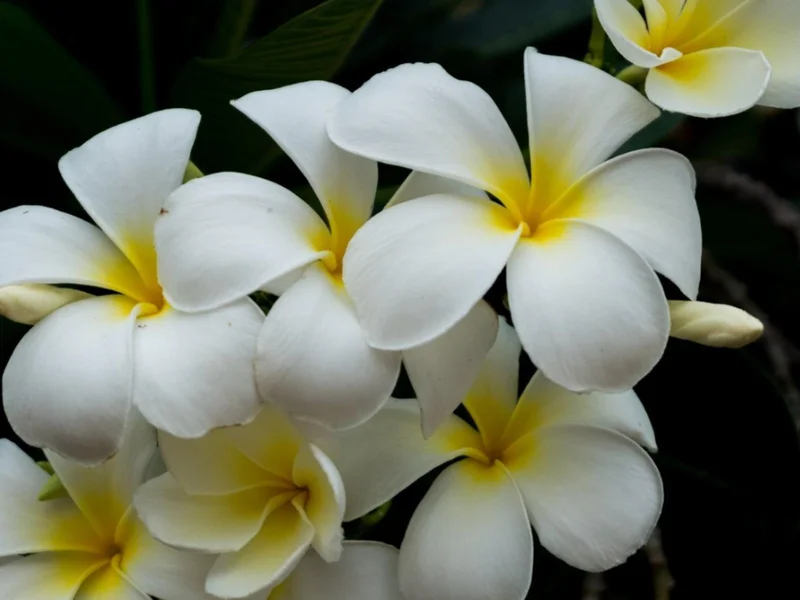
Live Plumeria Plant – White & Yellow Mix – Tropical Flowering Tree
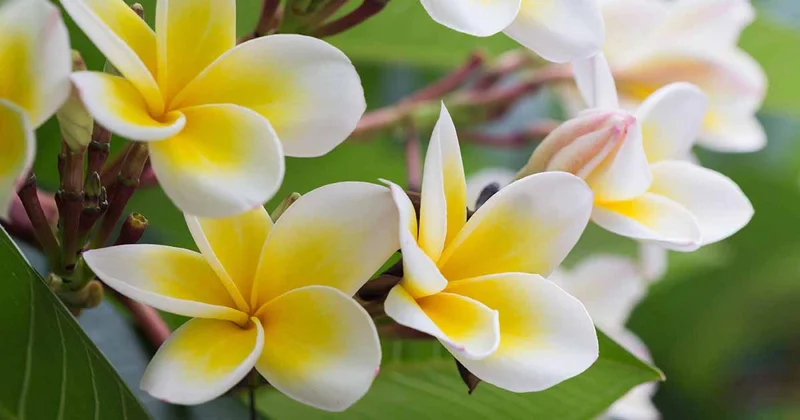
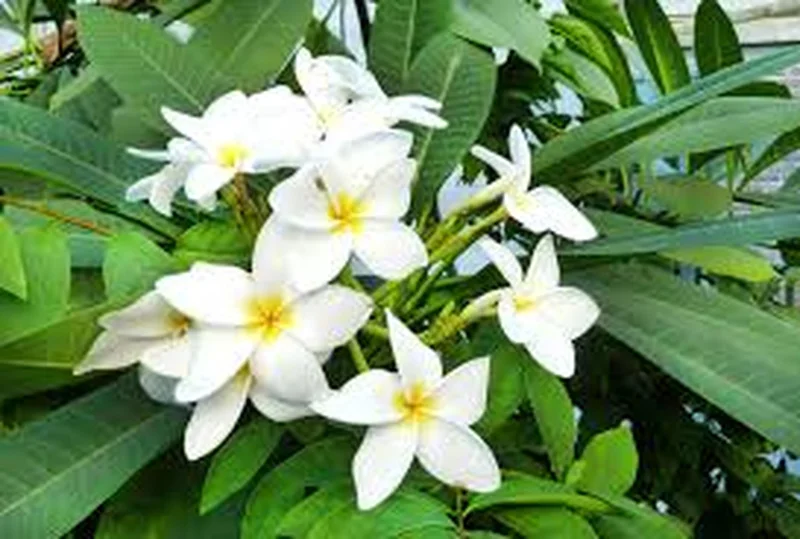
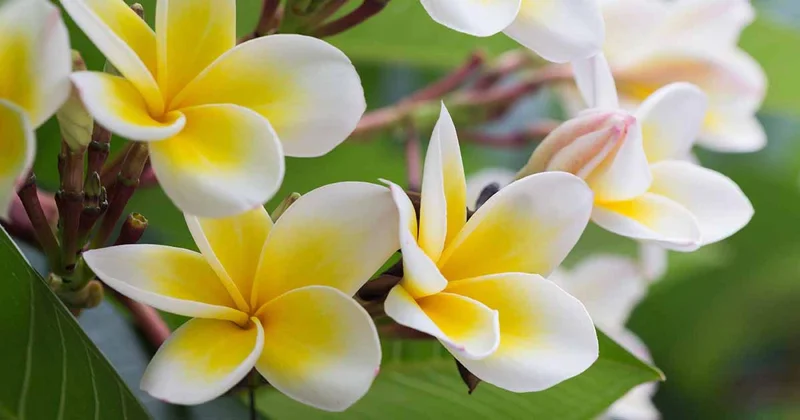
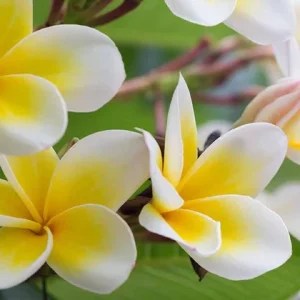
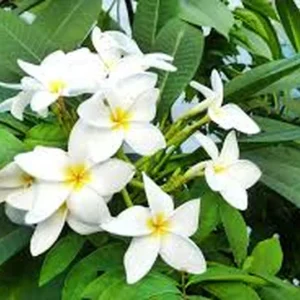
Introduce a touch of the tropics with this stunning live plumeria plant, featuring a beautiful mix of white and yellow fragrant blooms. Ideal for warm climates or as a potted specimen, this plant is known for its exquisite flowers and delightful aroma.
$53.96

With our Alive & Thrive Guarantee, we’ve got your back for the first 30 days! If you have any concerns about your plants, just reach out to us. Our team is here to help answer your questions and guide you in selecting the best plants for your garden, climate, and unique preferences. We're excited to help you create the garden of your dreams!
Estimated arrival
Mar 31
Apr 05 - Apr 07
Apr 10 - Apr 14

Product Details
-
USDA Hardiness Zone
USDA Zones 9-11 (outdoors), suitable for container growing indoors in all zones -
Soil type
Well-draining potting mix, sandy loam -
Sunlight Exposure
Full sun (at least 6 hours direct sunlight daily) -
Expected Planting Period
Spring to early summer (outdoors), year-round indoors
Overview
Transform your garden or patio into a tropical paradise with a beautiful live plumeria plant. Known for their iconic, fragrant flowers often used in Hawaiian leis, plumerias (also known as Frangipani) are beloved for their stunning beauty and delightful aroma. This particular variety offers a captivating mix of white and yellow blooms, creating a vibrant display. Each live plumeria plant is carefully nurtured, ensuring it arrives healthy and ready to thrive in its new home. Plumerias are relatively easy to care for, making them a rewarding addition for both experienced gardeners and those new to tropical plants. Their waxy, five-petaled flowers bloom profusely during warmer months, bringing a continuous source of joy and natural elegance.
Plumeria plants are deciduous, meaning they will shed their leaves in cooler temperatures, especially if grown outdoors in non-tropical zones. This natural process allows them to conserve energy and prepare for a new season of growth and abundant flowering. When provided with adequate sunlight and proper care, a live plumeria plant can become a magnificent focal point, whether planted in the ground in suitable climates or maintained in a container on a sunny balcony or indoors near a bright window. The delightful scent of plumeria flowers is often described as sweet and exotic, adding an extra layer of sensory pleasure to your outdoor or indoor living space.
Key Benefits
A live plumeria plant offers numerous benefits beyond its undeniable aesthetic appeal. Its presence can significantly enhance any environment, providing both visual and aromatic pleasure:
- Exotic Fragrance: Enjoy the sweet, tropical scent of plumeria flowers, which can fill your garden or home with a delightful aroma, often associated with relaxation and paradise.
- Stunning Blooms: The vibrant white and yellow mixed flowers are incredibly beautiful, adding a splash of color and elegance to any setting. Each bloom is a work of art, making the live plumeria plant a true showstopper.
- Versatile Growing: Suitable for growing in containers, allowing you to move it indoors during colder months, or directly in the ground in warm, frost-free climates. This versatility makes growing plumeria accessible to many.
- Low Maintenance: Once established, plumeria plants are surprisingly drought-tolerant and require relatively minimal care, especially when given proper sunlight and well-draining soil.
- Attracts Pollinators: The fragrant flowers attract beneficial pollinators like bees and butterflies, contributing to the biodiversity of your garden ecosystem.
- Symbolic Meaning: Plumerias hold cultural significance in many tropical regions, symbolizing new beginnings, creation, and immortality, adding a deeper meaning to your plant collection.
- Long Blooming Season: With proper care, plumeria plants can bloom for several months during the warm season, providing continuous enjoyment of their beautiful and fragrant flowers.
Plant Care & Growing Tips
Caring for your live plumeria plant is straightforward once you understand its basic needs. Plumerias thrive in conditions that mimic their native tropical environment, primarily focusing on ample sunlight, well-draining soil, and appropriate watering. For optimal growth and prolific blooming, provide your plumeria with at least 6 hours of direct sunlight per day. In hotter climates, some afternoon shade can be beneficial to prevent scorching, but generally, more sun equals more flowers. If growing indoors, place it in the brightest window available, ideally a south-facing one.
Watering is crucial for plumeria care. During the active growing season (spring and summer), water thoroughly when the top 1-2 inches of soil feel dry to the touch. Allow excess water to drain completely, as plumerias are susceptible to root rot in soggy conditions. Reduce watering significantly in fall and winter, especially if the plant enters dormancy and loses its leaves. Fertilize regularly during the growing season with a high-phosphorus fertilizer to encourage blooming. A balanced slow-release fertilizer can also be applied in early spring. Plumerias prefer slightly acidic to neutral soil (pH 6.0-7.0) and absolutely require excellent drainage. A mix specifically formulated for cacti and succulents, or a regular potting mix amended with perlite and sand, works well.
The ideal temperature range for plumerias is between 65-80°F (18-27°C). They are not frost-tolerant, so if you live in a region with cold winters (below USDA Zone 9), it’s best to grow your plumeria in a container that can be moved indoors. When temperatures drop below 40°F (4°C), bring your plant inside to a cool, dry, and bright location. Common problems include spider mites, mealybugs, and rust fungus. Regularly inspect your plant and treat any infestations promptly with insecticidal soap or neem oil. Proper air circulation also helps prevent fungal diseases. With consistent plumeria care, your plant will flourish and reward you with its stunning white and yellow blooms.
Size & Details
This live plumeria plant is typically shipped as a well-rooted cutting or a young plant, ready for transplanting into a larger pot or your garden. Its exact size will vary based on growing season and availability, but it is generally a compact starter plant, perfect for establishing in your preferred location. Plumerias are moderate growers and can reach heights of 10-20 feet in tropical climates when planted in the ground, forming a small, spreading tree. When grown in containers, their size is more manageable, typically reaching 3-8 feet tall, depending on pot size and pruning. The plant will arrive carefully packaged to ensure its health during transit, with its root system intact. Expect your plumeria to begin producing its beautiful white and yellow flowers within 1-2 seasons, given optimal conditions and consistent plumeria care.
The plant is known for its relatively fast growth rate in warm conditions, quickly developing a sturdy trunk and branching structure. The glossy green leaves provide an attractive backdrop to the vibrant blooms. Each plant is selected for its vigor and potential to produce the characteristic fragrant flowers. This particular mix offers the classic beauty of plumeria white yellow, a timeless combination that is highly sought after. While initial growth might focus on root development, once established, you’ll see new leaves and eventually the highly anticipated flower stalks emerging from the branch tips.
Frequently Asked Questions
- Q: How big does this plant get? A: When grown in a container, a live plumeria plant typically reaches 3-8 feet tall. If planted in the ground in tropical climates, it can grow into a small tree of 10-20 feet. Its ultimate size depends on growing conditions and pruning.
- Q: What size pot does it come in? A: The plant will arrive as a well-rooted cutting or young plant, often in a small nursery pot, ready for you to transplant into a larger container or garden bed. The exact pot size may vary.
- Q: Is this an indoor or outdoor plant? A: Plumerias thrive outdoors in warm, frost-free climates (USDA Zones 9-11). In colder regions, they are best grown in containers and brought indoors during winter, making them versatile for both settings.
- Q: How much sunlight does it need? A: Your live plumeria plant requires at least 6 hours of direct sunlight daily for optimal growth and flowering. More sun generally leads to more blooms.
- Q: Is this plant easy to care for? A: Yes, plumerias are considered relatively easy to care for, especially when their basic needs for sun, well-draining soil, and proper watering are met. Consistent plumeria care will ensure a healthy plant.
- Q: What condition will it arrive in? A: Your plumeria will arrive carefully packaged, healthy, and with its root system intact, ready for planting. We take great care to ensure safe transit.
- Q: How long until it blooms? A: A young live plumeria plant typically starts blooming within 1-2 seasons after planting, given ideal growing conditions and proper fertilization.
- Q: When is the best time to plant? A: The best time to plant a plumeria is in spring or early summer after all danger of frost has passed, allowing it ample time to establish before cooler weather.
- Q: Will it survive winter in my zone? A: Plumerias are not frost-tolerant. If you live outside USDA Zones 9-11, you must bring your live plumeria plant indoors for winter to protect it from cold temperatures.
- Q: What’s the minimum temperature it can tolerate? A: Plumerias prefer temperatures above 40°F (4°C). Prolonged exposure to temperatures below this can cause damage or death. Proper growing plumeria involves protecting it from cold.
Related products
-30%
Original price was: $79.98.$55.98Current price is: $55.98.
-75%
Original price was: $59.98.$15.00Current price is: $15.00.
-67%
Original price was: $59.97.$19.99Current price is: $19.99.
-67%
Original price was: $59.97.$19.99Current price is: $19.99.
-30%
Original price was: $63.98.$44.78Current price is: $44.78.
PLANTING & CARE

The Comprehensive Guide to Growing Bay Leaf Plants for a Flavorful Garden
Imagine stepping into your garden, greeted by the earthy aroma of fresh bay leaves, their
09
Feb
Feb

How to Make Comfrey Tea: The Ultimate Organic Plant Food
Growing an organic garden can be surprisingly expensive, especially when most store-bought fertilizers come in
02
Feb
Feb

True Comfrey: 7 Essential Tips Before You Plant This Herb
A staple in permaculture practices across the US, True Comfrey easily earns its reputation as
27
Jan
Jan

7 Heart-Shaped Plants for a Lasting Valentine’s Gift
If you’ve ever bought a bouquet of roses for Valentine’s Day, you know they are
26
Jan
Jan

Best Types of Ivy Plant for Houses: How to Choose the Perfect Ones for Your Home
Are you a garden lover looking to introduce some greenery into your home? Maybe you’ve
14
Nov
Nov

When to Harvest Garlic (Especially Fall-Planted Garlic)
TIMING IS EVERYTHING, they say – and for garlic, that truth hits with surprising accuracy.
13
Nov
Nov

11 of the Best Sweet Potato Varieties to Grow for Your Garden
If you’ve ever tried growing sweet potatoes, you know that picking the right variety can
12
Nov
Nov
Pruning Bougainvillea for Winter
Bougainvillea vines are known for their dazzling display of magenta, orange, and fuchsia bracts that
05
Nov
Nov