Live Rosemary Herb Plant – 5-9 inch Seedlings – Fresh Culinary Herb
Live Rosemary Herb Plant – 5-9 inch Seedlings – Fresh Culinary Herb
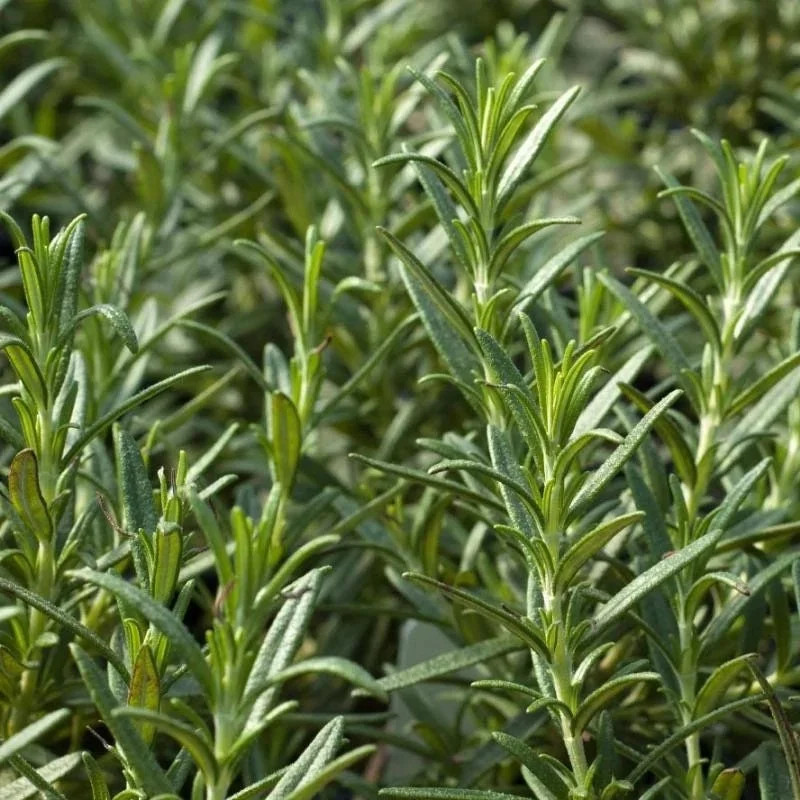
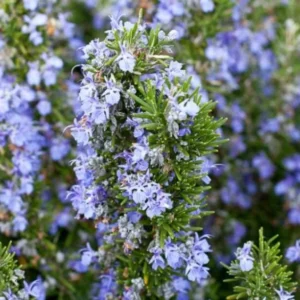
Bring the delightful aroma and flavor of fresh rosemary into your home or garden with this live rosemary herb plant. These 5-9 inch seedlings are ready for planting, perfect for culinary use or as an aromatic addition to your space. Grow rosemary plant care is simple for beginners.
$29.98

With our Alive & Thrive Guarantee, we’ve got your back for the first 30 days! If you have any concerns about your plants, just reach out to us. Our team is here to help answer your questions and guide you in selecting the best plants for your garden, climate, and unique preferences. We're excited to help you create the garden of your dreams!
Estimated arrival
Aug 16
Aug 21 - Aug 23
Aug 26 - Aug 30
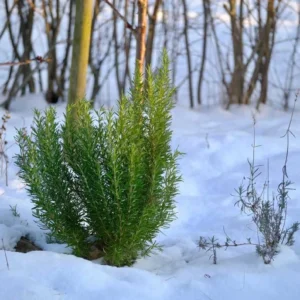
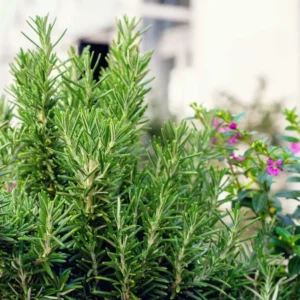
Product Details
-
USDA Hardiness Zone
USDA zones 7-10 (outdoors), adaptable indoors -
Soil type
Well-draining, sandy or loamy soil -
Sunlight Exposure
Full sun (6-8+ hours direct light daily) -
Expected Planting Period
Spring to early summer (outdoors), year-round (indoors)
Overview
Introduce the timeless elegance and robust flavor of a live rosemary herb plant to your home or garden. This vibrant herb, scientifically known as Salvia rosmarinus, is cherished globally for its aromatic evergreen needle-like leaves and its versatile applications in cooking, aromatherapy, and even as an ornamental shrub. Our healthy 5-9 inch seedlings are meticulously nurtured to ensure they arrive ready to thrive, offering you the immediate gratification of growing your own fresh herbs. Whether you’re an experienced gardener or just beginning your green journey, this live rosemary herb plant provides an accessible and rewarding experience, transforming any space with its distinctive fragrance and culinary potential. It’s an essential addition for anyone looking to enhance their dishes with garden-fresh ingredients.
Cultivating your own rosemary means having a continuous supply of this fragrant herb right at your fingertips. Imagine garnishing your roasted potatoes, infusing olive oil, or adding a sprig to your favorite cocktails with rosemary you’ve grown yourself. These robust seedlings are ideal for planting directly into your spring garden or for potting in containers to enjoy on a sunny windowsill. The convenience and freshness are unparalleled, making this live rosemary herb plant a must-have for every culinary enthusiast and plant lover.
Key Benefits
Growing your own rosemary offers a multitude of advantages, from enhancing your culinary creations to providing a soothing aromatic presence. Discover the key benefits of incorporating this wonderful herb into your life:
- Culinary Versatility: Fresh rosemary leaves are indispensable in the kitchen, perfect for flavoring meats (especially lamb, chicken, and pork), vegetables, bread, and even desserts. Its strong, piney, and slightly peppery flavor elevates countless dishes.
- Aromatic Appeal: The distinctive, invigorating scent of rosemary is a natural air freshener and can be used in potpourris or as a fragrant addition to floral arrangements. Crushing a few leaves releases a delightful aroma.
- Easy to Grow: Rosemary is a remarkably resilient and low-maintenance herb, making it an excellent choice for both novice and experienced gardeners. With minimal effort, you can enjoy a flourishing live rosemary herb plant.
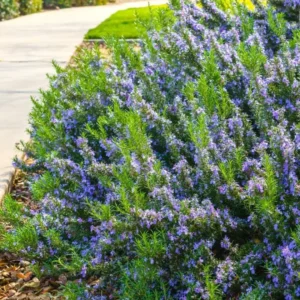
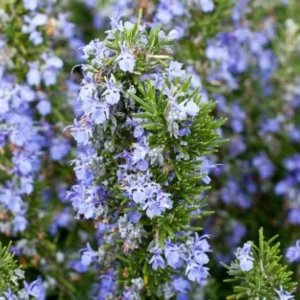
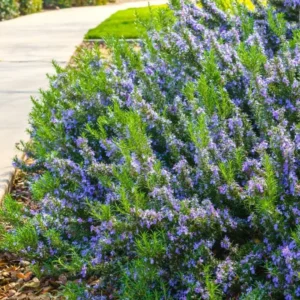
- Ornamental Value: Beyond its practical uses, the attractive, evergreen foliage and often delicate blue flowers of rosemary make it a beautiful addition to herb gardens, rockeries, or as a container plant.
- Drought Tolerance: Once established, rosemary plants are quite drought-tolerant, requiring less frequent watering compared to many other herbs, which is a significant advantage for busy gardeners.
- Adaptable Growth: This live rosemary herb plant can be grown successfully both outdoors in the garden in suitable climates or indoors on a sunny windowsill, providing flexibility for various living situations.
- Pollinator Attractor: The small blue flowers of rosemary are a magnet for bees and other beneficial pollinators, contributing to the health and biodiversity of your garden ecosystem.
Plant Care & Growing Tips
Ensuring your live rosemary herb plant thrives requires understanding its basic needs for sunlight, water, and soil. Rosemary (Salvia rosmarinus) is a Mediterranean native, so it prefers conditions that mimic its natural habitat. For optimal growth, provide at least 6-8 hours of direct sunlight daily. Outdoors, choose a south-facing spot in your garden. If growing indoors, place your plant on a sunny windowsill or under a grow light. Insufficient light can lead to leggy growth and reduced aromatic intensity, affecting the quality of your fresh rosemary for cooking.
When it comes to watering, less is often more for rosemary. Allow the soil to dry out completely between waterings to prevent root rot, which is a common issue for this plant. Stick your finger about an inch or two into the soil; if it feels dry, it’s time to water. Ensure your pot has excellent drainage holes if growing indoors. Outdoors, well-draining soil is crucial. Rosemary prefers a sandy, loamy soil with a pH between 6.0 and 7.0. Avoid heavy clay soils that retain too much moisture. Fertilize sparingly; rosemary is not a heavy feeder. A light application of balanced liquid fertilizer once a month during the growing season (spring and summer) is usually sufficient. Pruning is essential for maintaining shape and encouraging bushier growth. Trim back about one-third of the plant after it flowers, or regularly harvest sprigs for use. This also helps with rosemary plant care and prevents the plant from becoming woody. Keep an eye out for common pests like aphids or spider mites, especially on indoor plants. Treat with insecticidal soap if necessary. The ideal temperature range for rosemary is between 55-80°F (13-27°C). It can tolerate light frosts but generally prefers warmer climates, making it a tender perennial in colder regions.
Size & Details
This offering includes a healthy live rosemary herb plant seedling, typically measuring between 5-9 inches in height from the base of the soil to the tip of the foliage. Each plant is grown in a 4-inch diameter nursery pot, featuring multiple stalks or shoots to ensure a robust start. These seedlings are at an ideal stage for immediate planting, whether you choose to transplant them into a larger garden bed, a decorative outdoor container, or a pot for indoor windowsill cultivation. Rosemary plants are known for their moderate to fast growth rate, and with proper care, these seedlings will quickly mature into substantial, fragrant shrubs. Expect your plant to begin producing ample sprigs for harvesting within a few weeks of planting, providing you with plenty of fresh rosemary for cooking.
While the exact height upon arrival may vary slightly within the 5-9 inch range, each plant is carefully selected to ensure vigor and health. The 4-inch pot size provides enough root development for a successful transition to its new home. Rosemary can eventually grow into a large bush, reaching 2-4 feet tall and wide in ideal outdoor conditions, or maintaining a more compact size when grown in containers and regularly pruned. These seedlings offer a perfect foundation for a thriving rosemary plant, ready to bring its unique flavor and aroma to your culinary adventures and garden landscape.
Frequently Asked Questions
- Q: How big will this rosemary plant get? A: Upon arrival, your live rosemary herb plant will be 5-9 inches tall. With proper care, it can grow into a bush 2-4 feet tall and wide in outdoor gardens, or remain more compact in containers with regular pruning.
- Q: Is this an indoor or outdoor plant? A: This rosemary plant is versatile and can be grown both indoors on a sunny windowsill or outdoors in a garden or container. It’s an excellent choice for an outdoor rosemary plant in warmer climates or a delightful indoor herb.
- Q: How much sunlight does it need? A: Rosemary thrives in full sun, requiring at least 6-8 hours of direct sunlight per day. If growing indoors, place it in the brightest possible spot, ideally a south-facing window.
- Q: Is this plant easy to care for? A: Yes, rosemary is considered a relatively easy-care herb, especially once established. It’s drought-tolerant and doesn’t require much fuss, making rosemary plant care suitable for beginners.
- Q: What condition will it arrive in? A: Your rosemary seedling will arrive as a healthy, live plant in a 4-inch nursery pot, typically 5-9 inches tall, with multiple stalks, ready for planting. We ensure careful packaging for safe transit.
- Q: When is the best time to plant this rosemary seedling? A: These seedlings are ideal for planting in spring after the last frost. If you plan to grow rosemary indoors, you can plant it any time of year.
- Q: Can I use this rosemary for cooking right away? A: Yes, once your live rosemary herb plant has settled into its new environment (a week or two after planting), you can begin gently harvesting sprigs for your culinary needs.
- Q: What kind of soil does rosemary prefer? A: Rosemary prefers well-draining, sandy or loamy soil. If planting in a pot, use a good quality potting mix designed for herbs or succulents to ensure proper drainage.
- Q: How often should I water my rosemary plant? A: Allow the soil to dry out completely between waterings. Rosemary is susceptible to root rot if overwatered, so it’s better to underwater than overwater.
- Q: Will it survive winter in colder climates? A: Rosemary is typically hardy in USDA zones 7-10. In colder zones, it’s best to grow it in a container and bring it indoors before the first hard frost, especially if you want an outdoor rosemary plant to survive the winter.
Related products
-50%
Original price was: $47.96.$23.98Current price is: $23.98.
-58%
Original price was: $39.99.$16.99Current price is: $16.99.
-49%
Original price was: $60.99.$30.99Current price is: $30.99.
-30%
Original price was: $57.98.$40.58Current price is: $40.58.
-50%
Original price was: $107.96.$53.98Current price is: $53.98.
-10%
Original price was: $75.00.$67.50Current price is: $67.50.
-50%
Original price was: $79.96.$39.98Current price is: $39.98.
-48%
Original price was: $39.99.$20.99Current price is: $20.99.
PLANTING & CARE

How to Grow Persian Silk Trees Easily in Your Garden
If you’re looking for a tree that brings a soft, tropical feel to your garden,
04
Aug
Aug
How to Grow Blue Java Banana Trees: A Beginner’s Guide
Have you ever heard of the Blue Java banana tree? If not, you’re in for
28
Jun
Jun
5 Common Blue Java Banana Tree Problems and How to Fix Them
Have you ever looked at your Blue Java banana tree (aka “ice cream banana”) and
19
Jun
Jun

Top 10 Plants for Father’s Day to Honor Dad This Father’s Day
Father’s Day is a special time to show your dad just how much he means
19
Jun
Jun

The Comprehensive Guide to Growing Bougainvillea for Colorful Blooms
Have you ever wanted your garden to be filled with brilliant color and tropical energy
19
Jun
Jun
How to Successfully Plant Bare Root Strawberries in Containers
Have you ever wondered about planting strawberries in containers, but aren’t sure where to begin?
11
Jun
Jun

Top 5 Easiest Ornamental Trees to Grow for Beginners
Ever feel overwhelmed by the idea of planting a tree in your yard? You’re not
11
Jun
Jun

Growing Glencoe Raspberry: A Complete Guide for Gardeners
If you’re looking to add something unique to your garden, look no further than the
31
Mar
Mar