Live Sage Herb Plant – 5-11 inch Tall Seedlings – Outdoor Garden
Live Sage Herb Plant – 5-11 inch Tall Seedlings – Outdoor Garden
Cultivate your own aromatic herbs with our live sage herb plant seedlings. These robust 5-11 inch plants are perfect for starting your fall garden or for growing in pots on a windowsill, providing fresh culinary sage for your kitchen.
$29.98

With our Alive & Thrive Guarantee, we’ve got your back for the first 30 days! If you have any concerns about your plants, just reach out to us. Our team is here to help answer your questions and guide you in selecting the best plants for your garden, climate, and unique preferences. We're excited to help you create the garden of your dreams!
Estimated arrival
Aug 16
Aug 21 - Aug 23
Aug 26 - Aug 30
Product Details
-
USDA Hardiness Zone
USDA Zones 4-10 -
Soil type
Well-draining, sandy loam -
Sunlight Exposure
Full sun -
Expected Planting Period
Fall or Spring
Overview
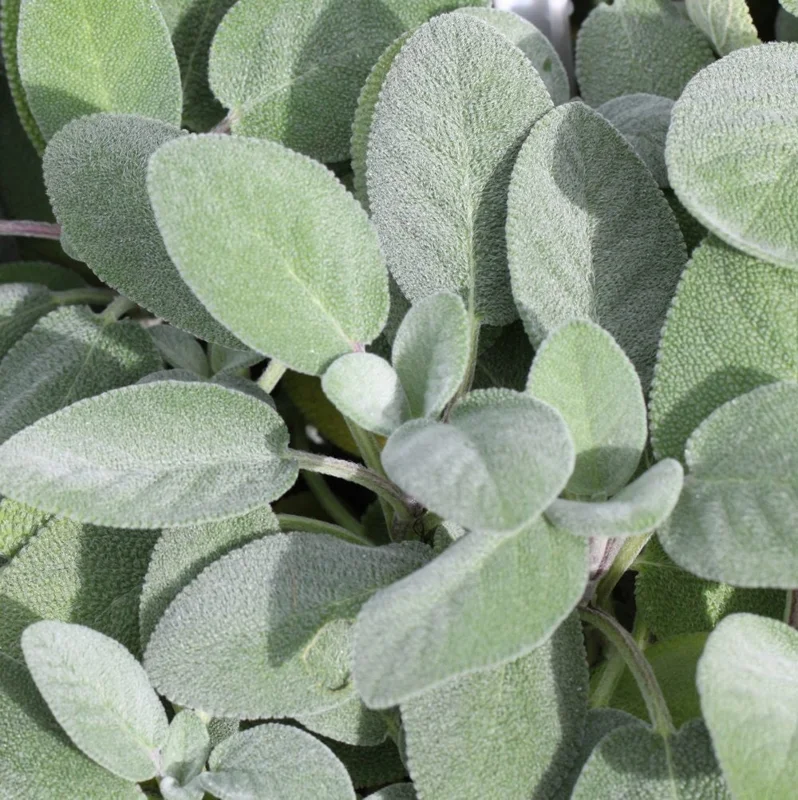
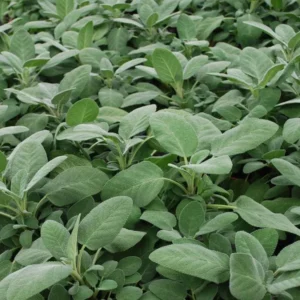
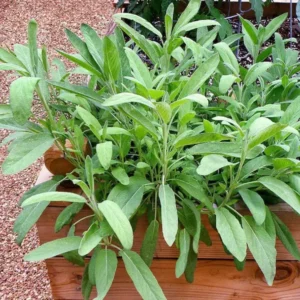
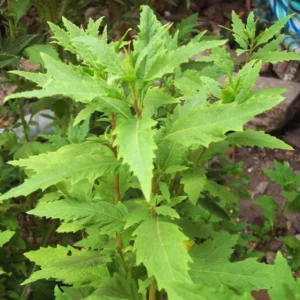
Bring the delightful aroma and flavor of fresh sage into your home and garden with our premium live sage herb plant. These healthy seedlings, measuring between 5 and 11 inches tall, are eager to establish themselves in your garden beds or favorite containers. Known scientifically as Salvia officinalis, garden sage is a perennial herb celebrated for its distinctive earthy, slightly peppery flavor and beautiful silvery-green foliage. It’s a versatile herb, perfect for enhancing a wide range of dishes, from poultry stuffings and roasted vegetables to soups and sauces. Starting with a live sage herb plant ensures a head start, allowing you to enjoy fresh sage much sooner than growing from seed. These robust seedlings are ideal for planting in the fall, giving them time to root before the colder months, or they can be grown indoors year-round.
Our live sage herb plant offers a convenient way to cultivate your own supply of this beloved culinary herb. Each seedling arrives ready for immediate planting, whether you choose to place it directly into your garden soil or in a pot on your windowsill. Sage is not only a kitchen staple but also a charming addition to any herb garden or mixed perennial border, attracting beneficial pollinators with its occasional purple-blue flowers. With its relatively low maintenance needs and aromatic presence, a live sage herb plant is a rewarding choice for both novice and experienced gardeners looking to expand their edible landscape.
Key Benefits
Adding a live sage herb plant to your collection offers numerous advantages, from culinary convenience to garden aesthetics and ecological contributions. Discover the many ways this versatile herb can enrich your life:
- Fresh Culinary Delight: Enjoy the unparalleled flavor of fresh sage directly from your garden. Its distinctive taste is essential for classic dishes like Thanksgiving stuffing, roasted meats, and flavorful sauces, far surpassing the quality of dried alternatives.
- Aromatic Foliage: The silvery-green leaves of the live sage herb plant release a pleasant, earthy fragrance, making it a wonderful addition to sensory gardens or near pathways where its scent can be appreciated.
- Pollinator Magnet: When it blooms with its lovely purple-blue flowers, sage attracts bees, butterflies, and other beneficial pollinators to your garden, contributing to a healthier ecosystem and supporting local wildlife.
- Drought Tolerant: Once established, sage is remarkably drought-tolerant, requiring less frequent watering compared to many other herbs, making it a sustainable choice for water-wise gardening.
- Perennial Growth: As a perennial in many climates, your live sage herb plant will return year after year, providing a continuous harvest of fresh leaves with minimal effort after its initial planting.
- Medicinal Properties: Historically, sage has been used for its medicinal qualities, including aiding digestion and soothing sore throats, adding another dimension to its value beyond culinary use.
- Easy to Grow: This hardy herb is relatively forgiving and easy to care for, making growing sage herb an accessible and rewarding experience for gardeners of all skill levels.
Plant Care & Growing Tips
Caring for your live sage herb plant is straightforward, ensuring a bountiful harvest of fragrant leaves. Sage thrives in conditions that mimic its Mediterranean origins, preferring plenty of sunlight and well-draining soil. Plant your seedlings in a location that receives at least 6-8 hours of direct sunlight per day. If growing indoors, choose a south-facing window or supplement with a grow light to ensure adequate light exposure. Good air circulation is also important to prevent fungal issues.
When it comes to watering, less is often more for sage. Allow the soil to dry out completely between waterings, especially once the plant is established. Overwatering is a common mistake that can lead to root rot. Sage prefers a slightly sandy, well-draining soil mix. If planting in a pot, ensure it has drainage holes. For garden beds, amend heavy clay soils with sand or compost to improve drainage. Sage is quite tolerant of poor soil conditions and generally does not require heavy fertilization. A light application of balanced organic fertilizer in spring can encourage vigorous growth, but avoid over-fertilizing, which can dilute the herb’s flavor.
Sage is hardy in USDA zones 4-10, meaning it can withstand a range of temperatures. In colder climates, you may need to provide winter protection, such as a thick layer of mulch, or bring potted plants indoors. Pruning is beneficial for maintaining a bushy shape and encouraging new growth. Harvest leaves as needed, and consider pruning back about a third of the plant in early spring to rejuvenate it. Watch out for common pests like spider mites or aphids; a strong spray of water or an insecticidal soap can usually address these issues. Proper sage plant care will ensure a healthy, productive herb for years to come.
Size & Details
These garden sage seedlings are carefully nurtured to arrive at your door healthy and ready for planting. Each live sage herb plant measures approximately 5 to 11 inches tall from the base of the plant to the tip of its tallest leaf. They are shipped as young plants, typically with multiple stalks or shoots, and are ready to be transferred into your garden bed or a larger pot. We recommend planting them in an area that allows for their mature size, as sage can grow up to 2-3 feet tall and wide, forming a lovely, rounded shrub. The plants are provided in a 4-inch diameter area, ensuring their root systems are well-developed for a smooth transition to your chosen growing environment. Expect moderate growth, reaching a harvestable size within a few months, and full maturity within the first year.
Frequently Asked Questions
- Q: How big does this plant get? A: This live sage herb plant typically grows to a mature size of 2-3 feet tall and wide, forming a bushy, attractive shrub in your garden. The seedlings you receive are 5-11 inches tall, ready to grow.
- Q: Is this an indoor or outdoor plant? A: While primarily an outdoor garden plant, sage can also thrive indoors on a sunny windowsill, especially in colder climates. It performs best with ample sunlight.
- Q: How much sunlight does it need? A: Sage requires at least 6-8 hours of direct sunlight daily to grow optimally and develop its strong flavor. Full sun exposure is ideal for vigorous growth.
- Q: Is this plant easy to care for? A: Yes, sage is considered an easy-to-care-for herb, suitable for beginners. Its drought tolerance and minimal fertilization needs make growing sage herb a low-maintenance endeavor.
- Q: What condition will it arrive in? A: Your garden sage seedlings will arrive as live, healthy plants, carefully packaged to ensure their safe journey. They will be ready for immediate planting upon arrival.
- Q: Can I use this sage in cooking? A: Absolutely! This is culinary sage (Salvia officinalis), perfect for all your cooking needs, from flavoring meats and vegetables to making herbal teas.
- Q: When is the best time to plant? A: These seedlings are ideal for fall planting, allowing them to establish roots before winter. They can also be planted in spring after the last frost.
- Q: What’s the minimum temperature it can withstand? A: Sage is hardy in USDA zones 4-10. It can tolerate temperatures down to about -20°F (-29°C) with proper protection in colder zones.
- Q: Is this plant suitable for container gardening? A: Yes, sage adapts very well to container gardening. Just ensure the pot has good drainage and is large enough to accommodate its mature size.
- Q: How often should I water my sage plant? A: Water thoroughly when the top inch or two of soil feels dry to the touch. Allow the soil to dry out completely between waterings to prevent root rot.
Related products
-67%
Original price was: $39.72.$13.24Current price is: $13.24.
-58%
Original price was: $39.99.$16.99Current price is: $16.99.
-49%
Original price was: $60.99.$30.99Current price is: $30.99.
-50%
Original price was: $79.96.$39.98Current price is: $39.98.
-50%
Original price was: $47.96.$23.98Current price is: $23.98.
-30%
Original price was: $59.98.$41.98Current price is: $41.98.
-20%
From Original price was: $22.00.$17.60Current price is: $17.60.
-67%
Original price was: $39.72.$13.24Current price is: $13.24.
PLANTING & CARE
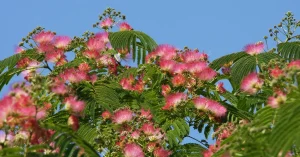
How to Grow Persian Silk Trees Easily in Your Garden
If you’re looking for a tree that brings a soft, tropical feel to your garden,
04
Aug
Aug
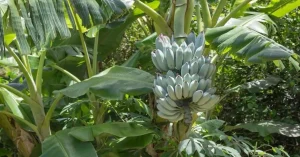
How to Grow Blue Java Banana Trees: A Beginner’s Guide
Have you ever heard of the Blue Java banana tree? If not, you’re in for
28
Jun
Jun
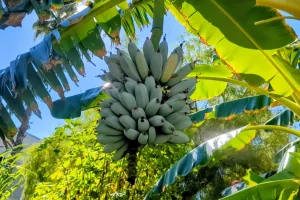
5 Common Blue Java Banana Tree Problems and How to Fix Them
Have you ever looked at your Blue Java banana tree (aka “ice cream banana”) and
19
Jun
Jun
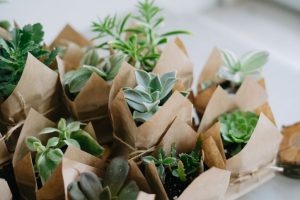
Top 10 Plants for Father’s Day to Honor Dad This Father’s Day
Father’s Day is a special time to show your dad just how much he means
19
Jun
Jun
The Comprehensive Guide to Growing Bougainvillea for Colorful Blooms
Have you ever wanted your garden to be filled with brilliant color and tropical energy
19
Jun
Jun
How to Successfully Plant Bare Root Strawberries in Containers
Have you ever wondered about planting strawberries in containers, but aren’t sure where to begin?
11
Jun
Jun
Top 5 Easiest Ornamental Trees to Grow for Beginners
Ever feel overwhelmed by the idea of planting a tree in your yard? You’re not
11
Jun
Jun

Growing Glencoe Raspberry: A Complete Guide for Gardeners
If you’re looking to add something unique to your garden, look no further than the
31
Mar
Mar