Live Sage Herb Plant – 8-inch Height – 4.5-inch Pot – Indoor/Outdoor Culinary Herb
-30%
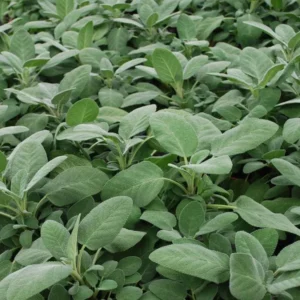
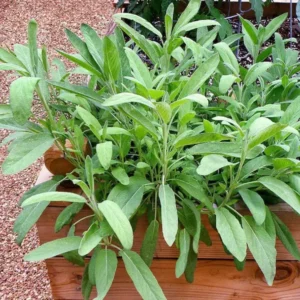
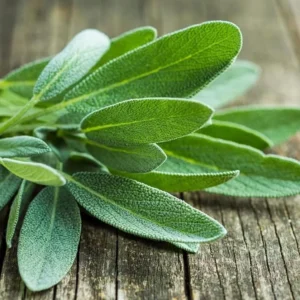
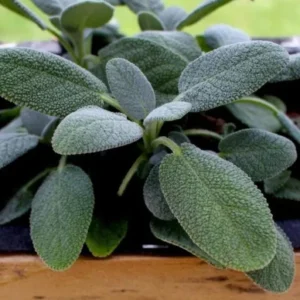
Live Sage Herb Plant – 8-inch Height – 4.5-inch Pot – Indoor/Outdoor Culinary Herb
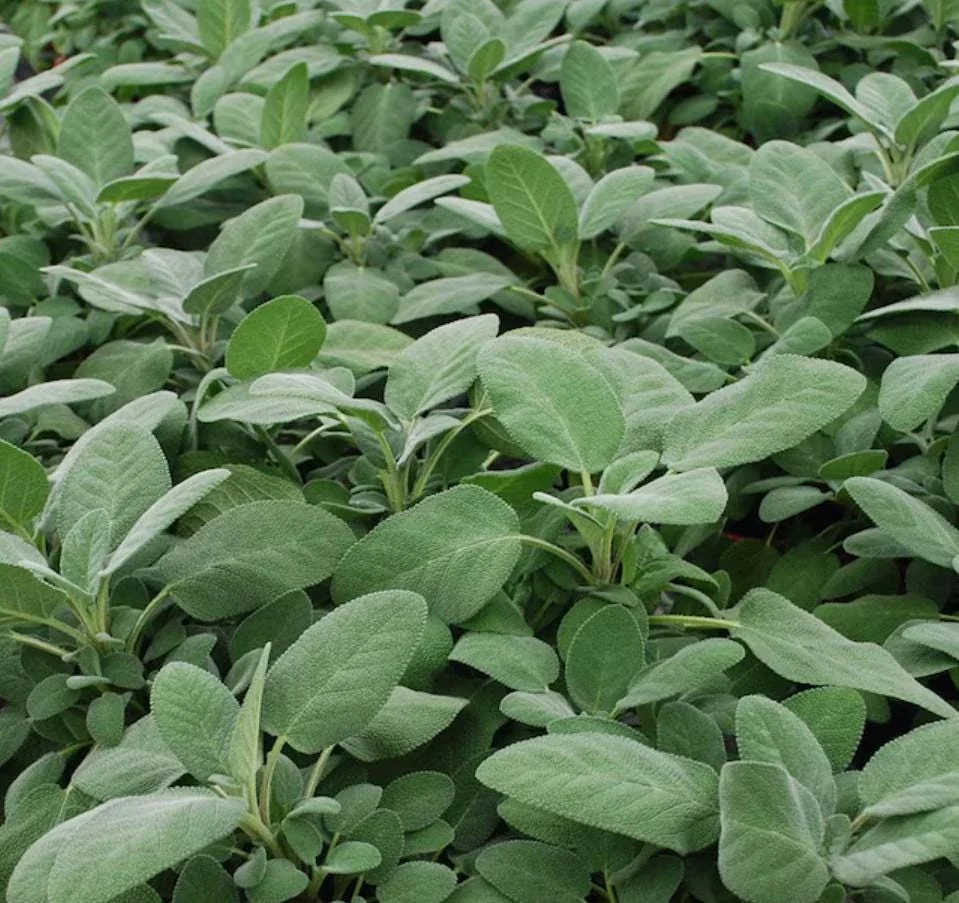
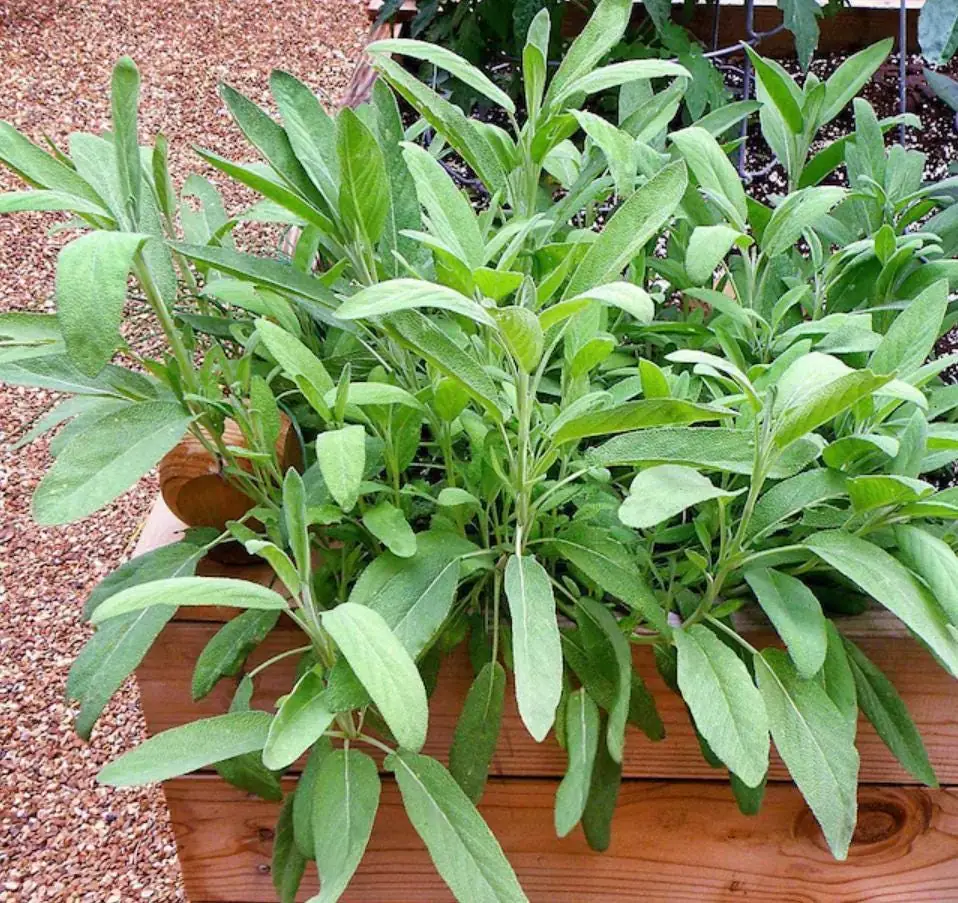
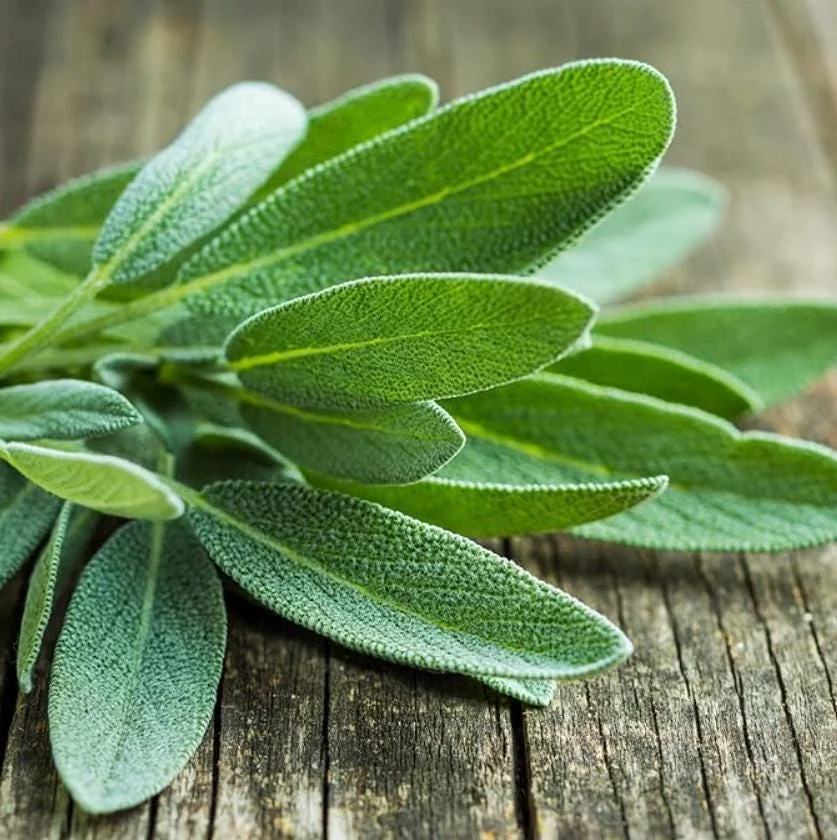
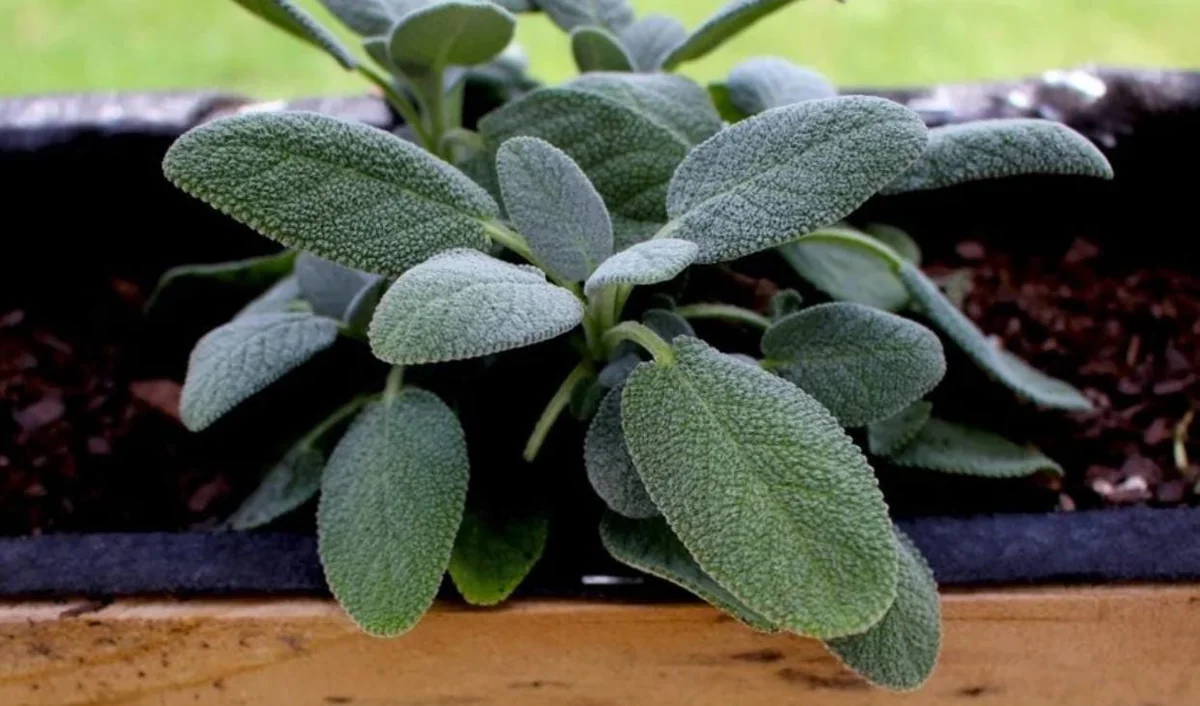
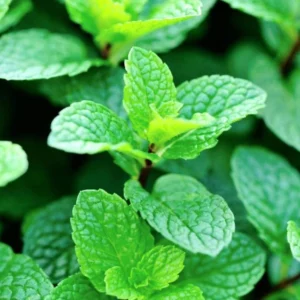
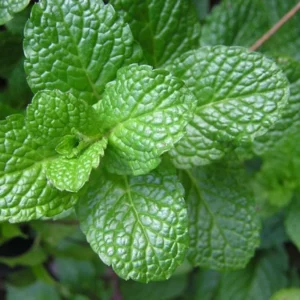
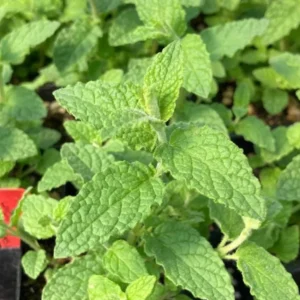
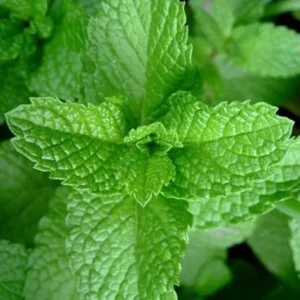
Bring fresh culinary flavor to your home with this live sage herb plant. Standing at 8 inches tall in a 4.5-inch pot, it’s ideal for both indoor windowsills and outdoor herb gardens. Known for its aromatic leaves, this sage plant for cooking is easy to grow and perfect for enhancing a variety of dishes.
Original price was: $67.98.$47.58Current price is: $47.58.

With our Alive & Thrive Guarantee, we’ve got your back for the first 30 days! If you have any concerns about your plants, just reach out to us. Our team is here to help answer your questions and guide you in selecting the best plants for your garden, climate, and unique preferences. We're excited to help you create the garden of your dreams!
Estimated arrival
Mar 31
Apr 05 - Apr 07
Apr 10 - Apr 14
Product Details
-
USDA Hardiness Zone
USDA zones 5-10 -
Soil type
Well-draining potting mix -
Sunlight Exposure
Full sun -
Expected Planting Period
Year-round indoors, spring to early summer outdoors
Overview
The live sage herb plant is an essential addition for any culinary enthusiast, offering both beauty and functionality. This robust herb, scientifically known as Salvia officinalis, is celebrated for its distinctive fragrant leaves and earthy, slightly peppery flavor. It’s a versatile ingredient that elevates a wide range of dishes, from Mediterranean cuisine to traditional holiday meals. Whether you’re a seasoned gardener or just starting, this live sage herb plant provides an accessible way to enjoy fresh herbs at your fingertips. Its vibrant green foliage and compact growth habit make it suitable for various settings, adding a touch of natural charm to your kitchen, patio, or garden space. Cultivating your own sage ensures you always have a fresh supply for cooking, infusing your meals with unparalleled taste and aroma.
This particular live sage herb plant is cultivated for ease of growth and sustained vitality. It’s delivered ready to thrive, allowing you to quickly integrate it into your home or outdoor landscape. The plant’s resilience and adaptability mean it can flourish in diverse environments, provided it receives adequate sunlight and proper care. Beyond its culinary uses, sage is also appreciated for its aromatic presence and potential health benefits, making it a truly multifaceted plant for any home.
Key Benefits
Growing your own live sage herb plant offers a multitude of advantages, enriching both your culinary experiences and your living environment. This herb is not only a kitchen staple but also contributes positively to your garden’s ecosystem and your well-being.
- Fresh, Aromatic Flavors: Harvest fresh sage leaves directly from your plant to infuse your cooking with a rich, robust flavor and captivating aroma. This makes it an ideal sage plant for cooking, ensuring your dishes are always vibrant.
- Compact and Versatile Growth: With its moderate size, this sage plant is perfect for small spaces, fitting comfortably on kitchen windowsills, balconies, or as part of a larger outdoor herb garden. It’s an excellent choice for an indoor sage plant or an outdoor sage garden.
- Beginner-Friendly Cultivation: Sage is remarkably easy to grow and maintain, making it suitable for gardeners of all experience levels. It requires minimal care, making it a rewarding plant to cultivate.
- Potential Medicinal Properties: Sage is traditionally recognized for various health benefits, including anti-inflammatory and antioxidant properties, making it more than just a culinary herb.
- Pleasant Fragrance: The distinctive, pleasant scent of sage leaves can enhance the ambiance of your cooking area and garden, providing a sensory delight.
- Attracts Beneficial Pollinators: When it blooms, sage flowers can attract bees and other beneficial insects, contributing to the pollination of your garden and local ecosystem.
- Drought Tolerance: Once established, sage is relatively drought-resistant, requiring less frequent watering compared to many other herbs, which simplifies its care routine.
Plant Care & Growing Tips
To ensure your live sage herb plant flourishes and provides you with an abundance of fragrant leaves, proper care is essential. Sage thrives in conditions that mimic its native Mediterranean environment.
Sunlight: Sage requires full sun to grow optimally, meaning it needs at least 6-8 hours of direct sunlight each day. If you are growing your indoor sage plant, place it in a south-facing window or under a grow light to ensure it receives sufficient illumination. For an outdoor sage garden, choose a location in your yard that gets maximum sun exposure throughout the day.
Watering: While sage is drought-tolerant once established, young plants and potted plants require consistent moisture. Water thoroughly when the top inch of soil feels dry to the touch, typically 3-5 times a week, depending on temperature and humidity. Ensure the soil is moist but never waterlogged, as this can lead to root rot. Good drainage is crucial.
Soil: Plant your sage in well-draining soil. A standard potting mix amended with sand or perlite works well for containers. For garden beds, ensure the soil is loose and drains freely. Sage prefers slightly alkaline to neutral soil pH. Avoid heavy, clay-rich soils that retain too much moisture.
Temperature and Hardiness: Sage prefers warm conditions and is hardy in USDA zones 5-10. In colder climates, if you have an outdoor sage garden, consider bringing your plant indoors during winter or providing winter protection. Indoors, maintain average room temperatures between 60-70°F (15-21°C).
Fertilization: Sage is not a heavy feeder. If planted in rich soil, it may not require any fertilizer. If growth seems slow, a light application of a balanced, all-purpose liquid fertilizer can be given in spring. Avoid over-fertilizing, as this can reduce the intensity of its flavor and fragrance.
Pruning and Harvesting: Regularly trim your sage plant to encourage bushier growth and prevent it from becoming leggy. Harvest leaves as needed for cooking, taking care not to remove more than one-third of the plant at a time. Pinching off flower buds, if you’re growing it primarily for leaves, will direct the plant’s energy into foliage production. This consistent care will ensure a healthy Salvia officinalis specimen.
Size & Details
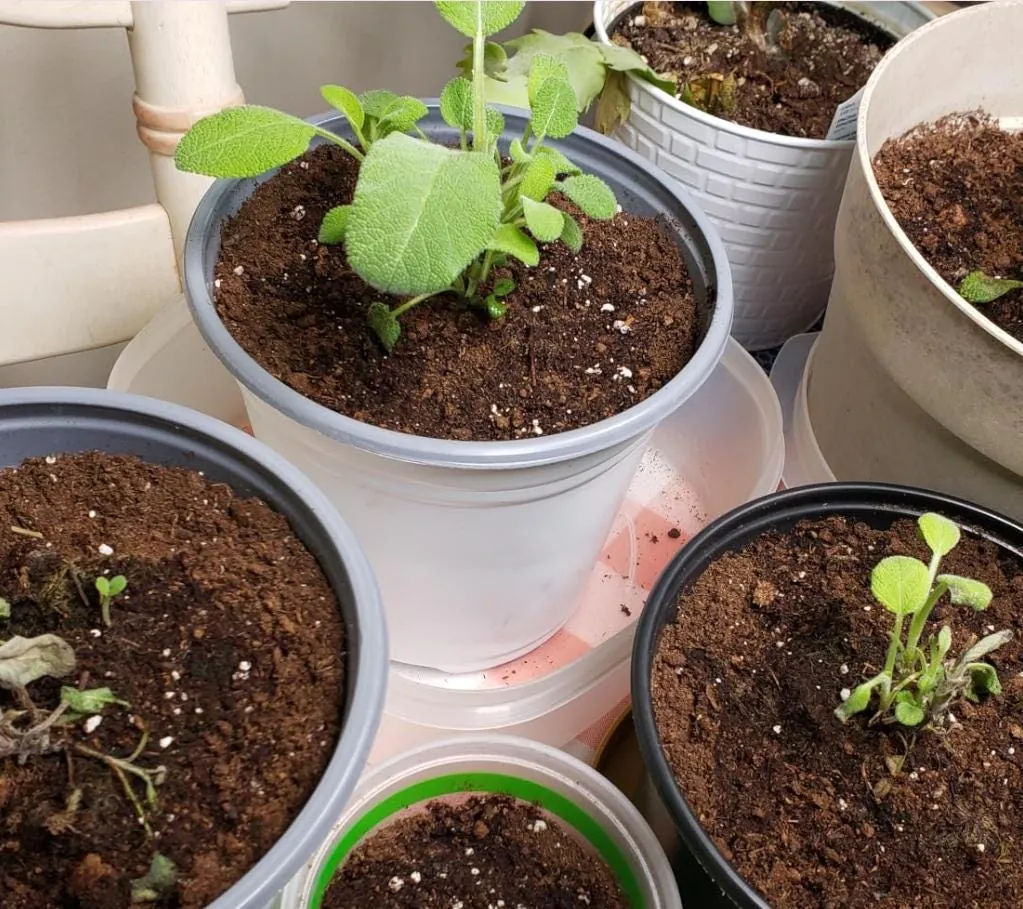
This live sage herb plant arrives ready to plant and thrive, typically measuring approximately 8 inches in height from the base of the soil to the top of the foliage. It is potted in a 4.5-inch nursery container, providing a stable environment for its initial growth. The compact size makes it an excellent candidate for immediate placement on a kitchen windowsill, a sunny patio, or integration into an existing herb garden. While it arrives at this manageable size, sage plants can grow larger over time, potentially reaching 18-24 inches tall and wide with optimal care and space. Expect your sage plant to establish itself and begin producing abundant leaves for harvest within a few months of planting, depending on environmental conditions and care provided. This plant ships as a healthy, actively growing specimen, ensuring a strong start for your culinary or ornamental endeavors.
Frequently Asked Questions
- Q: How big does this plant get? A: The live sage herb plant typically grows to about 8 inches tall when shipped, but with proper care and space, it can reach a mature height of 18-24 inches, making it suitable for various garden and indoor settings.
- Q: Is this an indoor or outdoor plant? A: This herb is highly versatile and can thrive both indoors and outdoors. For an indoor sage plant, ensure it receives ample sunlight from a south-facing window. It also flourishes in an outdoor sage garden.
- Q: How much sunlight does it need? A: Sage requires full sun, ideally receiving 6-8 hours of direct sunlight daily. Insufficient light can lead to leggy growth and reduced flavor for your sage plant for cooking.
- Q: Is this plant easy to care for? A: Yes, the live sage herb plant is known for its ease of care, making it an excellent choice for both beginner and experienced gardeners. It’s quite forgiving of minor neglect.
- Q: What condition will it arrive in? A: The plant will arrive healthy and well-packaged, carefully prepared to withstand shipping. It will be rooted in its 4.5-inch nursery pot, ready for you to transplant or place in its desired location.
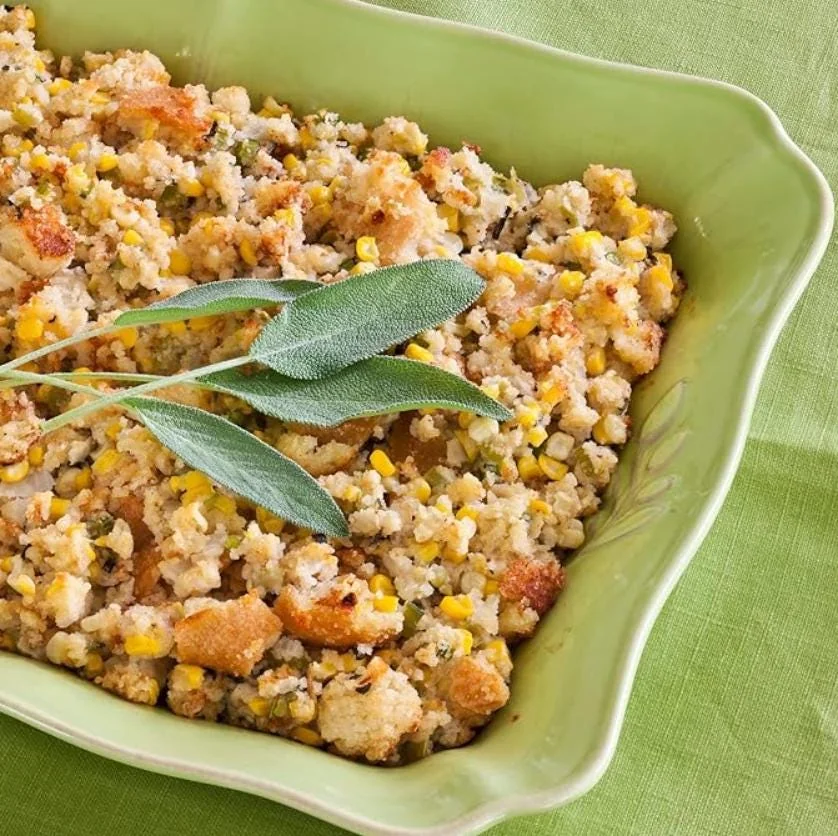
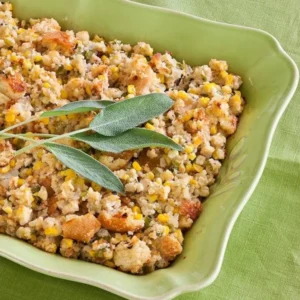
- Q: Can I use sage in cooking? A: Absolutely! Fresh sage leaves are highly prized in cooking and can be used to enhance a variety of dishes, from poultry and pork to pasta and roasted vegetables.
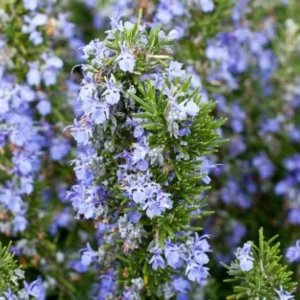
- Q: How long until it blooms? A: While primarily grown for its leaves, Salvia officinalis may produce beautiful purple-blue flowers in late spring to early summer, typically within a year of planting, especially if not frequently harvested.
- Q: Will it survive winter in my zone? A: Sage is hardy in USDA zones 5-10. If you live in a colder climate (below zone 5), it’s recommended to bring your outdoor sage garden plant indoors or provide heavy winter protection to ensure its survival.
- Q: What type of soil is best for sage? A: Sage prefers well-draining soil. A sandy loam or a good quality potting mix amended with perlite or sand for improved drainage is ideal to prevent root rot.
- Q: How often should I fertilize my sage plant? A: Sage is not a heavy feeder. If planted in nutritious soil, it may not need fertilizer. Otherwise, a light, balanced liquid fertilizer applied once in spring is usually sufficient.
Related products
-50%
Original price was: $15.96.$7.98Current price is: $7.98.
-50%
Original price was: $27.96.$13.98Current price is: $13.98.
-67%
Original price was: $75.72.$25.24Current price is: $25.24.
-10%
Original price was: $23.99.$21.59Current price is: $21.59.
-20%
Original price was: $35.00.$28.00Current price is: $28.00.
-30%
Original price was: $59.98.$41.98Current price is: $41.98.
-30%
Original price was: $59.98.$41.98Current price is: $41.98.
-50%
Original price was: $53.98.$26.99Current price is: $26.99.
PLANTING & CARE
Growing Glencoe Raspberry: A Complete Guide for Gardeners
If you’re looking to add something unique to your garden, look no further than the
31
Mar
Mar

The Comprehensive Guide to Growing Bay Leaf Plants for a Flavorful Garden
Imagine stepping into your garden, greeted by the earthy aroma of fresh bay leaves, their
09
Feb
Feb

How to Make Comfrey Tea: The Ultimate Organic Plant Food
Growing an organic garden can be surprisingly expensive, especially when most store-bought fertilizers come in
02
Feb
Feb

True Comfrey: 7 Essential Tips Before You Plant This Herb
A staple in permaculture practices across the US, True Comfrey easily earns its reputation as
27
Jan
Jan

7 Heart-Shaped Plants for a Lasting Valentine’s Gift
If you’ve ever bought a bouquet of roses for Valentine’s Day, you know they are
26
Jan
Jan

Best Types of Ivy Plant for Houses: How to Choose the Perfect Ones for Your Home
Are you a garden lover looking to introduce some greenery into your home? Maybe you’ve
14
Nov
Nov

When to Harvest Garlic (Especially Fall-Planted Garlic)
TIMING IS EVERYTHING, they say – and for garlic, that truth hits with surprising accuracy.
13
Nov
Nov

11 of the Best Sweet Potato Varieties to Grow for Your Garden
If you’ve ever tried growing sweet potatoes, you know that picking the right variety can
12
Nov
Nov