Live Trailing Lavender Lantana Plant – 4-6″ Tall Starter – Outdoor Perennial
-50%
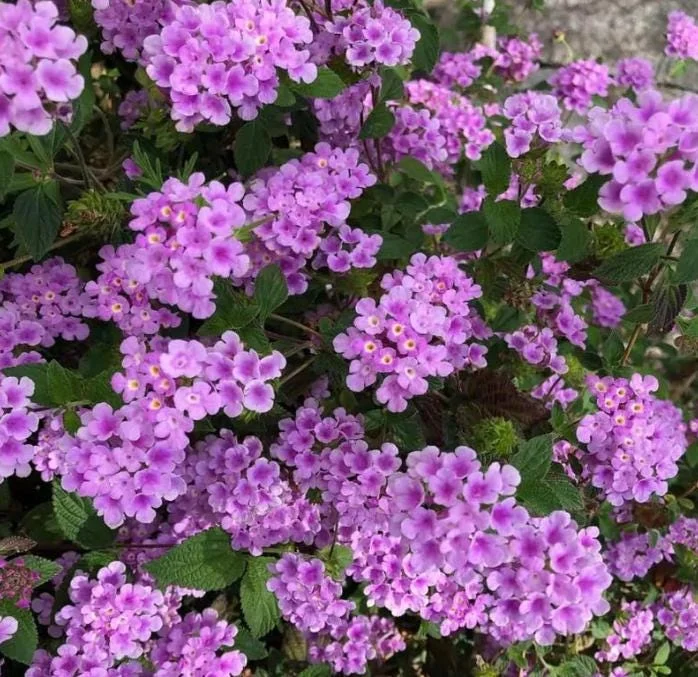
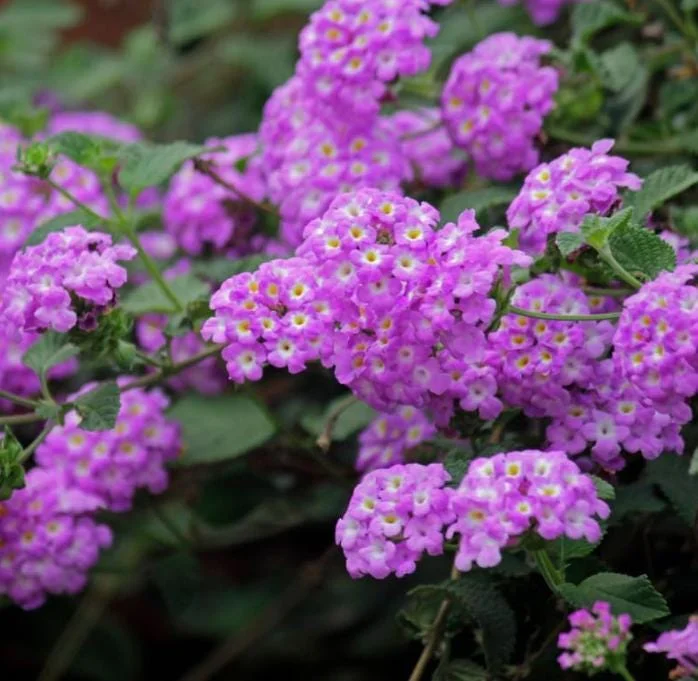
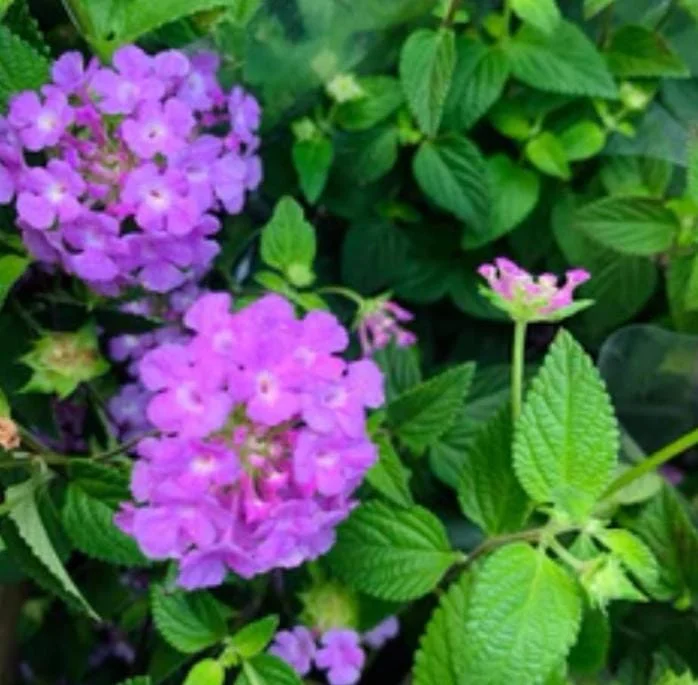
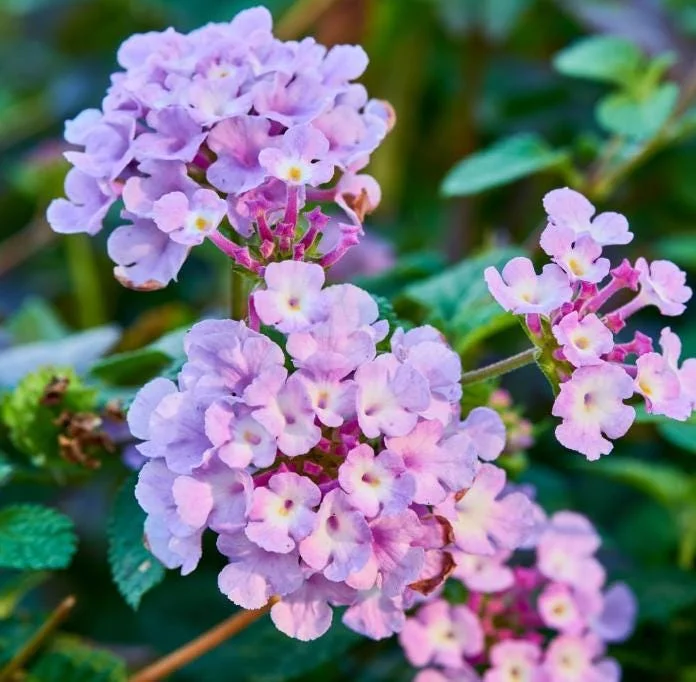

Live Trailing Lavender Lantana Plant – 4-6″ Tall Starter – Outdoor Perennial
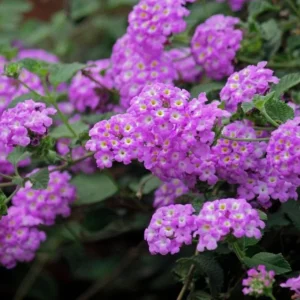
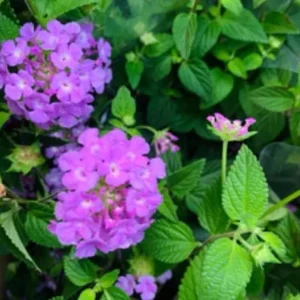
Add continuous color to your outdoor spaces with a trailing lavender lantana live plant. These 4-6 inch starter plants offer vibrant, shifting blooms from spring to fall. Ideal for hanging baskets, containers, or as ground cover, this low maintenance perennial thrives in full sun.
Original price was: $31.98.$15.99Current price is: $15.99.

With our Alive & Thrive Guarantee, we’ve got your back for the first 30 days! If you have any concerns about your plants, just reach out to us. Our team is here to help answer your questions and guide you in selecting the best plants for your garden, climate, and unique preferences. We're excited to help you create the garden of your dreams!
Estimated arrival
Apr 08
Apr 13 - Apr 15
Apr 18 - Apr 22
Product Details
-
USDA Hardiness Zone
8–11 (as perennial) -
Soil type
Well-draining soil -
Sunlight Exposure
Full sun -
Expected Planting Period
Spring to early summer
Overview
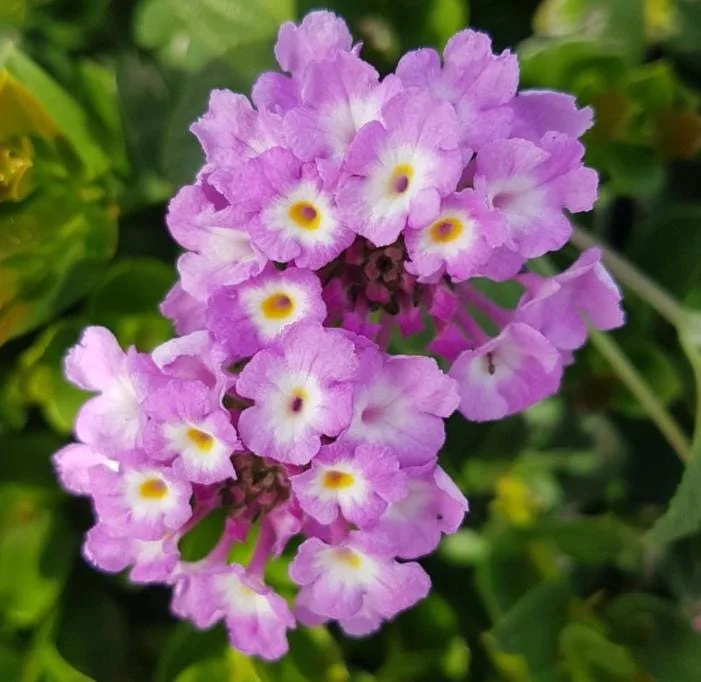
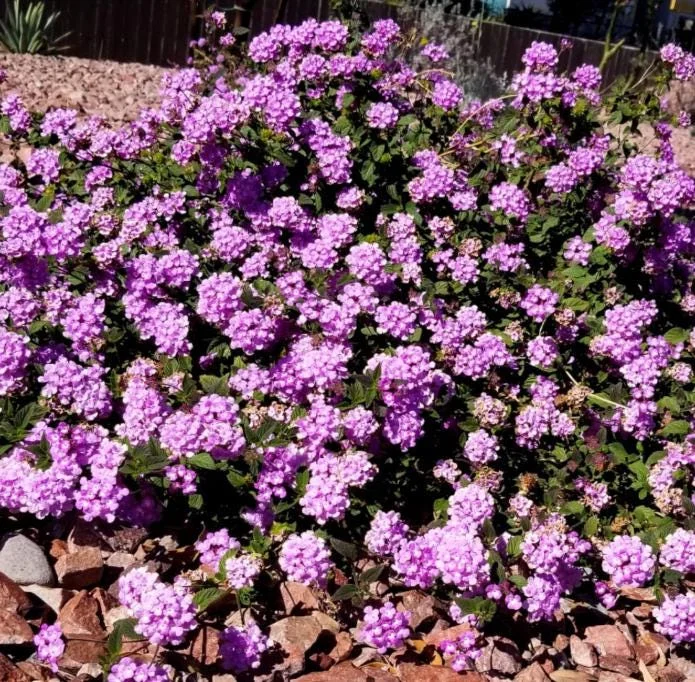
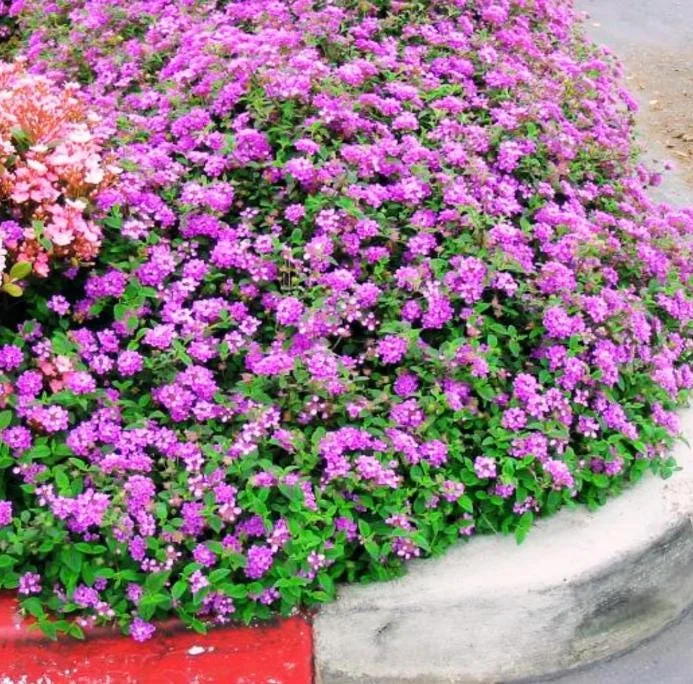
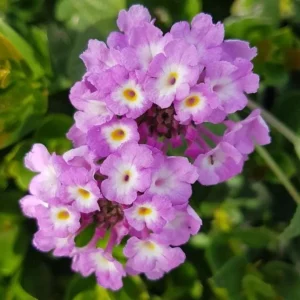
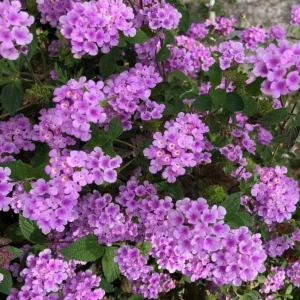
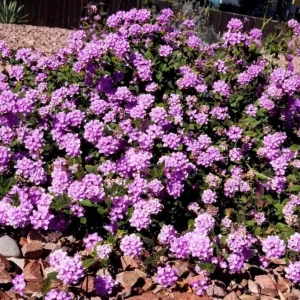
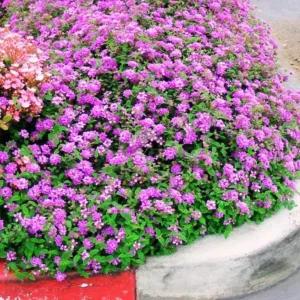
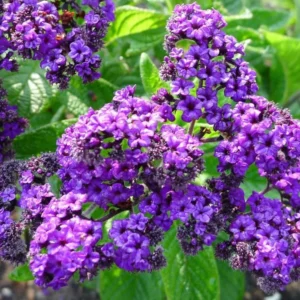
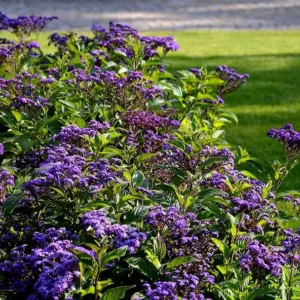
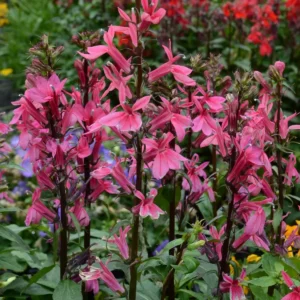
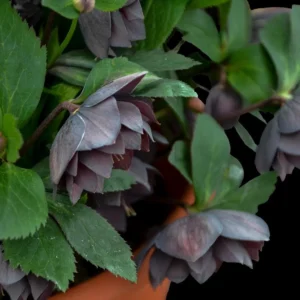
Transform your garden into a vibrant oasis with a trailing lavender lantana live plant. This captivating perennial is celebrated for its abundant, long-lasting clusters of small flowers that transition through soft lavender, purple, yellow, and warm tones as they mature. You will receive a young, non-mature starter plant, approximately 4-6 inches tall, rooted in soil and ready for planting. While listing photos often showcase mature specimens, your starter plant is the perfect foundation for creating a stunning display. With proper care and time, it will grow to fill hanging baskets, containers, or spread beautifully as ground cover, providing months of continuous, colorful blooms. This versatile plant is also known for its hardiness and ease of care, making it an excellent choice for gardeners of all experience levels.
The Trailing Lavender Lantana, scientifically known as Lantana camara, is a popular choice for its ornamental value and robust nature. Its spreading habit makes it perfect for creating a flowing, natural look in various garden settings. Experience the joy of watching this plant flourish and bring a dynamic splash of color to your landscape from spring through fall.
Key Benefits
The trailing lavender lantana live plant offers numerous advantages for any outdoor space, combining beauty with resilience. Its unique characteristics make it a standout choice for those seeking vibrant, enduring color.
- Continuous, Shifting Blooms: Enjoy a spectacular display of flowers that change colors from soft lavender to purple, yellow, and warm hues as they mature. This provides a dynamic and ever-evolving visual interest throughout the growing season, ensuring your garden is always lively.
- Excellent Heat & Sun Tolerance: Once established, this lantana variety thrives in hot, sunny conditions, making it perfect for challenging garden spots where other plants might struggle. It’s incredibly resilient to intense summer heat.
- Low Water Needs: After establishment, the low maintenance perennial becomes drought-tolerant, requiring minimal watering. This makes it an ideal choice for water-wise gardening and busy individuals.
- Versatile Landscaping Use: Its trailing and spreading growth habit makes it exceptionally versatile. It’s perfect for lantana for hanging baskets, window boxes, patio containers, or as an attractive ground cover in sunny borders and landscapes.
- Long Blooming Season: From spring through fall, this plant provides a consistent and abundant flow of color, ensuring your garden remains vibrant for many months. This extended bloom time is a significant advantage over many other flowering plants.
- Attracts Pollinators: The colorful blooms are a magnet for butterflies and other beneficial pollinators, contributing to the biodiversity and health of your garden ecosystem.
- Beginner-Friendly: Its hardiness and adaptability make it a great option for both novice and experienced gardeners looking for a rewarding and easy-to-grow plant. Understanding lavender lantana care is straightforward.
Plant Care & Growing Tips
Caring for your trailing lavender lantana live plant is relatively straightforward, especially once it establishes itself. These plants are known for their resilience and ability to thrive in less-than-ideal conditions, though optimal care will yield the best blooming performance. Upon arrival, unpack your starter plant immediately and water thoroughly. Ensure it gets consistent sunlight and warmth to help it acclimate quickly.
For best results, plant your lantana in a location that receives full sun, meaning at least 6-8 hours of direct sunlight per day. This maximizes flowering and promotes vigorous growth. The soil should be well-draining; lantanas do not tolerate soggy roots. While they are adaptable to various soil types, a sandy or loamy soil with good drainage is ideal. Water regularly during the initial establishment period, typically the first few weeks after planting. Once established, the plant becomes quite drought-tolerant and will only need occasional watering, especially during prolonged dry spells. Overwatering can be more detrimental than underwatering for this species. The USDA Hardiness Zones for Trailing Lavender Lantana are typically 8–11, where it performs as a perennial. In colder zones (below Zone 8), it can be grown as a vibrant annual. Minimal fertilization is usually needed; a balanced, slow-release fertilizer in spring can encourage more blooms. Pruning can be done to shape the plant and encourage bushier growth or to remove spent flowers (deadheading) to promote continuous flowering. Understanding good lavender lantana care practices will ensure a thriving plant.
While generally robust, keep an eye out for common garden pests like whiteflies or spider mites, especially in dry conditions. These can usually be managed with organic insecticidal soaps. Ensure good air circulation around the plant to prevent fungal issues. This heat tolerant lantana will reward you with a spectacular display with minimal effort.
Size & Details
You will receive a trailing lavender lantana live plant that is a young starter plant, approximately 4-6 inches tall at the time of shipping. These plants are shipped rooted in soil, though they do not come with a pot, allowing for flexible planting upon arrival. They are carefully packaged to maintain moisture and protect the delicate root system during transit. While the plant you receive is small, it has strong growth potential. Its growth habit is trailing and spreading, meaning it will expand horizontally to create a full, flowing display. When mature, it can spread several feet, making it perfect for covering ground or cascading gracefully from containers. The plant will begin to produce its characteristic soft lavender and multicolor blooms continuously in warm weather, typically from spring through fall, once established and mature enough. Expect vibrant, long-lasting clusters of flowers that will transform your outdoor spaces.
This perennial is known for its strong performance in outdoor conditions and is a fantastic choice for adding consistent color to your garden, patio, or balcony. Its adaptability makes it suitable for various uses, from ground cover to stunning displays in lantana for hanging baskets. Given its nature as a starter plant, it will require time and proper care to reach its full size and flowering potential, as depicted in images of mature plants. This low maintenance perennial offers a rewarding gardening experience.
Frequently Asked Questions
- Q: How big does this plant get? A: You will receive a starter plant that is 4-6 inches tall. Once established, the Trailing Lavender Lantana has a spreading habit and can grow to cover an area of several feet, making it ideal for ground cover or cascading from containers.
- Q: Is this an indoor or outdoor plant? A: This is primarily an outdoor plant. It thrives in full sun and warm temperatures. In USDA Zones 8-11, it is a perennial, while in colder zones, it is typically grown as an annual.
- Q: How much sunlight does it need? A: The trailing lavender lantana live plant requires full sun, meaning at least 6-8 hours of direct sunlight daily, to produce the most abundant blooms and maintain vigorous growth.
- Q: Is this plant easy to care for? A: Yes, once established, Trailing Lavender Lantana is considered a low maintenance perennial. It’s known for its excellent heat and sun tolerance and becomes drought-tolerant, making lavender lantana care relatively easy for both beginners and experienced gardeners.
- Q: What condition will it arrive in? A: You will receive a live starter plant, 4-6 inches tall, rooted in soil, but without a pot. It will be carefully packed to protect the roots and retain moisture during transit. Some temporary leaf drop or minor stress is normal.
- Q: Can I use this plant in hanging baskets? A: Absolutely! This plant is perfect for lantana for hanging baskets and window boxes due to its beautiful trailing and spreading growth habit. It creates a stunning cascading effect.
- Q: How long until it blooms? A: As a starter plant, it will need time to establish itself. Once mature and in warm weather, it will bloom continuously from spring through fall, offering months of vibrant color.
- Q: What’s the best soil type for this lantana? A: This plant prefers well-draining soil. It can tolerate various soil types but thrives best in loamy or sandy soils that do not retain too much moisture.
- Q: Will this heat tolerant lantana survive winter in my zone? A: It will survive winter as a perennial in USDA Hardiness Zones 8-11. In colder zones, it is best treated as an annual or brought indoors if possible.
- Q: Is it shipped in a pot? A: No, these starter plants are shipped rooted in soil with no pot included, to minimize shipping stress and cost.
Related products
-67%
Original price was: $59.97.$19.99Current price is: $19.99.

-70%
Original price was: $79.98.$24.00Current price is: $24.00.
-30%
Original price was: $63.98.$44.78Current price is: $44.78.
-82%
Original price was: $56.97.$10.34Current price is: $10.34.
PLANTING & CARE

Growing Glencoe Raspberry: A Complete Guide for Gardeners
If you’re looking to add something unique to your garden, look no further than the
31
Mar
Mar

The Comprehensive Guide to Growing Bay Leaf Plants for a Flavorful Garden
Imagine stepping into your garden, greeted by the earthy aroma of fresh bay leaves, their
09
Feb
Feb

How to Make Comfrey Tea: The Ultimate Organic Plant Food
Growing an organic garden can be surprisingly expensive, especially when most store-bought fertilizers come in
02
Feb
Feb

True Comfrey: 7 Essential Tips Before You Plant This Herb
A staple in permaculture practices across the US, True Comfrey easily earns its reputation as
27
Jan
Jan

7 Heart-Shaped Plants for a Lasting Valentine’s Gift
If you’ve ever bought a bouquet of roses for Valentine’s Day, you know they are
26
Jan
Jan

Best Types of Ivy Plant for Houses: How to Choose the Perfect Ones for Your Home
Are you a garden lover looking to introduce some greenery into your home? Maybe you’ve
14
Nov
Nov

When to Harvest Garlic (Especially Fall-Planted Garlic)
TIMING IS EVERYTHING, they say – and for garlic, that truth hits with surprising accuracy.
13
Nov
Nov

11 of the Best Sweet Potato Varieties to Grow for Your Garden
If you’ve ever tried growing sweet potatoes, you know that picking the right variety can
12
Nov
Nov