Live White Lantana Plant – 4-8″ Tall – Fragrant Outdoor Flower for Spring Garden
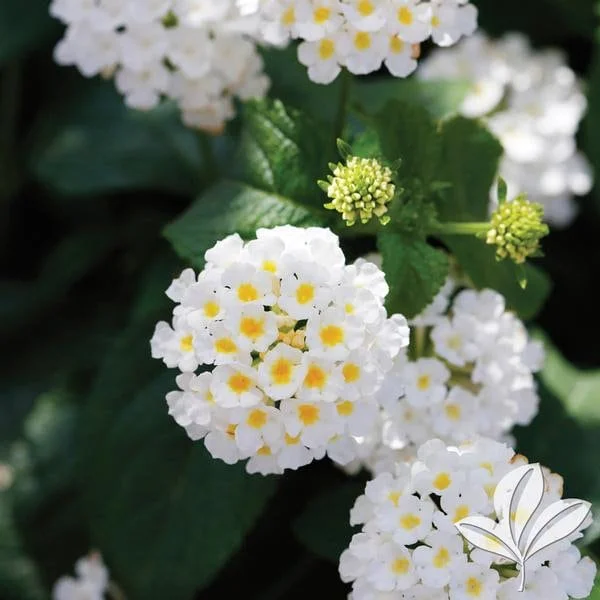
Live White Lantana Plant – 4-8″ Tall – Fragrant Outdoor Flower for Spring Garden
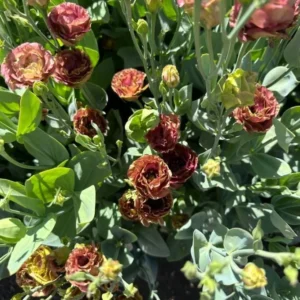
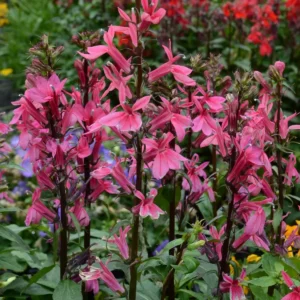
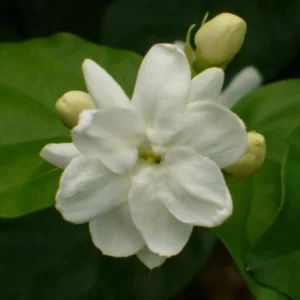
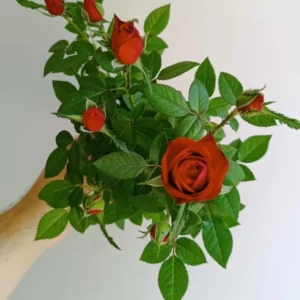
Bring vibrant charm to your garden with this beautiful live white lantana plant. Known for its low-maintenance nature and continuous, fragrant blooms, it’s perfect for adding color and life to your outdoor spaces. Enjoy a season full of beautiful, showy flowers.
$35.98

With our Alive & Thrive Guarantee, we’ve got your back for the first 30 days! If you have any concerns about your plants, just reach out to us. Our team is here to help answer your questions and guide you in selecting the best plants for your garden, climate, and unique preferences. We're excited to help you create the garden of your dreams!
Estimated arrival
Aug 16
Aug 21 - Aug 23
Aug 26 - Aug 30
Product Details
-
USDA Hardiness Zone
USDA Zones 9-11 (perennial), grown as annual elsewhere -
Soil type
Well-draining soil -
Sunlight Exposure
Full sun -
Expected Planting Period
Spring to early summer
Overview
Introduce a touch of elegance and continuous bloom to your outdoor space with this exquisite live white lantana plant. Lantana camara, commonly known as Lantana, is a vigorous, fast-growing shrub celebrated for its clusters of small, brightly colored flowers that bloom profusely from spring until frost. This particular variety features pristine white blossoms, offering a classic and versatile aesthetic that complements any garden design. Ideal for a variety of uses, from ground cover to container planting, this live white lantana plant provides long-lasting beauty and is known for its resilience and ability to thrive in warm climates. It’s an excellent choice for gardeners seeking a low-maintenance yet high-impact flowering plant.
Our live white lantana plant arrives ready to be planted, typically measuring 4-8 inches tall, ensuring a healthy start in your garden. These plants are known for attracting pollinators like butterflies and hummingbirds, making your garden a lively and dynamic ecosystem. Its robust nature means it can withstand various conditions, making it a favorite for both novice and experienced gardeners. The continuous display of white flowers creates a stunning visual, perfect for borders, rock gardens, or as a vibrant accent in patio containers.
Key Benefits
The live white lantana plant offers a multitude of benefits, making it a highly desirable addition to any garden. Its exceptional qualities ensure both aesthetic appeal and ease of care, enhancing your outdoor living experience.
- Continuous, Fragrant Blooms: Enjoy an extended season of beautiful, fragrant lantana flowers from spring through fall. These prolific blooms create a stunning visual display and fill your garden with a pleasant aroma.
- Low Maintenance: This plant is incredibly easy to care for, thriving with minimal intervention. It’s an excellent choice for gardeners looking for beautiful results without constant upkeep, making low maintenance lantana a popular option.
- Attracts Pollinators: The vibrant white flowers are a magnet for butterflies, bees, and hummingbirds, transforming your garden into a lively sanctuary for beneficial insects and birds.
- Drought Tolerant: Once established, lantana is highly drought-tolerant, requiring less frequent watering. This makes it a sustainable choice for water-wise gardening.
- Versatile Garden Use: Perfect for a variety of landscaping applications, including ground cover, borders, container planting, and hanging baskets. Its adaptability makes it a great lantana plant for garden design flexibility.
- Vigorous Growth: Lantana grows quickly, establishing itself well and providing rapid coverage or filling out containers beautifully. You’ll see a significant impact in your garden in a short amount of time.
- Pest and Disease Resistant: This plant is generally resistant to most common garden pests and diseases, ensuring a healthier and more robust plant with less hassle.
Plant Care & Growing Tips
Caring for your live white lantana plant is straightforward, ensuring a season of abundant blooms with minimal effort. Lantana thrives in conditions that mimic its native tropical and subtropical environments. For optimal growth and flowering, plant your lantana in a location that receives full sun, meaning at least 6-8 hours of direct sunlight per day. While it can tolerate partial shade, flowering will be significantly reduced. Ensure good air circulation around the plant to prevent fungal issues.
When it comes to watering, lantana prefers well-drained soil and is quite drought-tolerant once established. Water regularly after planting to help it settle, but once it’s growing vigorously, allow the top inch or two of soil to dry out between waterings. Overwatering can lead to root rot, so err on the side of underwatering rather than overwatering. The best way to ensure healthy growth and continuous blooms is to practice proper white lantana care. Pruning is beneficial for promoting fresh growth and more frequent blooming; simply snip off spent flowers (deadheading) or trim back leggy stems. This encourages the plant to produce new flower buds rather than focusing energy on seed production.
Lantana is not particularly fussy about soil type, as long as it is well-draining. A slightly acidic to neutral pH is ideal. Fertilize lightly in spring with a balanced slow-release fertilizer to support vigorous growth and flowering throughout the season. In cooler climates, lantana can be grown as an annual, or brought indoors as a houseplant over winter. In warmer zones (USDA 9-11), it can be a perennial shrub. Watch for common pests like whiteflies or spider mites, though these are usually minor issues for this hardy plant. Addressing these promptly with insecticidal soap can prevent larger infestations. Regular maintenance, including occasional pruning, will keep your live white lantana plant looking its best.
Size & Details
This offering includes one live white lantana plant, typically shipped at a height of 4-8 inches from the soil line, ready for immediate planting. These young, healthy plants are well-rooted and prepared to establish quickly in their new environment. Lantana is a fast-growing plant that can reach a mature size of 3-6 feet tall and equally wide when planted in the ground, though it can be kept smaller with regular pruning. In containers, its size will be more constrained, usually remaining around 1-3 feet tall and wide, making it a versatile option for various garden spaces. Expect continuous blooming throughout the warmer months, providing a reliable source of color and fragrance.
The plant will arrive carefully packaged to ensure its health during transit. Upon arrival, it’s recommended to acclimate the plant to its new environment gradually before transplanting. With proper care, your live white lantana plant will quickly grow into a robust and beautiful specimen, offering seasons of enjoyment. This plant is commonly grown as an annual in colder climates but can be a perennial in USDA Zones 9-11, where it will return year after year, providing an enduring beautiful display of fragrant lantana flowers.
Frequently Asked Questions
- Q: How big does this plant get? A: A live white lantana plant typically grows 3-6 feet tall and wide when planted in the ground, but its size can be managed with pruning or by growing it in containers, where it usually reaches 1-3 feet.
- Q: Is this an indoor or outdoor plant? A: Lantana is primarily an outdoor plant, thriving in full sun. In colder climates (below USDA Zone 9), it is often grown as an annual or brought indoors during winter.
- Q: How much sunlight does it need? A: For the best blooming and growth, your live white lantana plant requires at least 6-8 hours of direct sunlight per day. Full sun exposure is key to vibrant flowers.
- Q: Is this plant easy to care for? A: Yes, lantana is known for being a very low-maintenance plant. It is drought-tolerant and generally pest-resistant, making it excellent for beginners and busy gardeners looking for low maintenance lantana.
- Q: What condition will it arrive in? A: Your live white lantana plant will arrive healthy and carefully packaged, ready for planting. It will be a young, well-rooted specimen, typically 4-8 inches tall.
- Q: When is the best time to plant? A: The best time to plant lantana is in spring after the last threat of frost has passed, allowing it to establish itself before the heat of summer.
- Q: Will it survive winter in my zone? A: Lantana is perennial in USDA Hardiness Zones 9-11. In zones colder than 9, it is typically grown as an annual or overwintered indoors.
- Q: Do these flowers have a strong fragrance? A: Yes, the fragrant lantana flowers are known for their pleasant, slightly spicy scent, which adds another dimension to your garden experience.
- Q: Can I grow this lantana plant for garden borders? A: Absolutely! Lantana is an excellent choice for garden borders due to its continuous blooming and ability to create a dense, colorful display.
- Q: How often should I water my white lantana? A: Once established, water your live white lantana plant when the top 1-2 inches of soil feel dry. They are drought-tolerant and prefer slightly drier conditions over consistently wet soil.
Related products
-67%
Original price was: $41.97.$13.99Current price is: $13.99.
-10%
Original price was: $23.99.$21.59Current price is: $21.59.
-66%
Original price was: $56.97.$19.34Current price is: $19.34.
-30%
Original price was: $63.98.$44.78Current price is: $44.78.
-20%
Original price was: $27.98.$22.38Current price is: $22.38.
-67%
Original price was: $41.97.$13.99Current price is: $13.99.
-30%
Original price was: $79.98.$55.98Current price is: $55.98.
-83%
Original price was: $44.97.$7.74Current price is: $7.74.
PLANTING & CARE
How to Grow Persian Silk Trees Easily in Your Garden
If you’re looking for a tree that brings a soft, tropical feel to your garden,
04
Aug
Aug
How to Grow Blue Java Banana Trees: A Beginner’s Guide
Have you ever heard of the Blue Java banana tree? If not, you’re in for
28
Jun
Jun
5 Common Blue Java Banana Tree Problems and How to Fix Them
Have you ever looked at your Blue Java banana tree (aka “ice cream banana”) and
19
Jun
Jun
Top 10 Plants for Father’s Day to Honor Dad This Father’s Day
Father’s Day is a special time to show your dad just how much he means
19
Jun
Jun
The Comprehensive Guide to Growing Bougainvillea for Colorful Blooms
Have you ever wanted your garden to be filled with brilliant color and tropical energy
19
Jun
Jun
How to Successfully Plant Bare Root Strawberries in Containers
Have you ever wondered about planting strawberries in containers, but aren’t sure where to begin?
11
Jun
Jun
Top 5 Easiest Ornamental Trees to Grow for Beginners
Ever feel overwhelmed by the idea of planting a tree in your yard? You’re not
11
Jun
Jun

Growing Glencoe Raspberry: A Complete Guide for Gardeners
If you’re looking to add something unique to your garden, look no further than the
31
Mar
Mar